Santa Fe, New Mexico
Santa Fe, as a stand-alone destination, has more than enough attractions to keep you busy for more than a week. It is my favorite city in the the American southwest. At the same time, it is a perfect base of operations for exploring a vast array of other nearby attractions. I recently spent an very exciting two weeks here and left a lot on the table. Nevertheless, these are some of my highlights...
Santa Fe
Originally settled as part of Spain's new world empire, Santa Fe still bears the influence of that early conquest. Today it is a thriving cosmopolitan city known as a center for southwestern arts. It is a beautiful and walkable city rich with culinary opportunities, artisan shops and plenty of history.
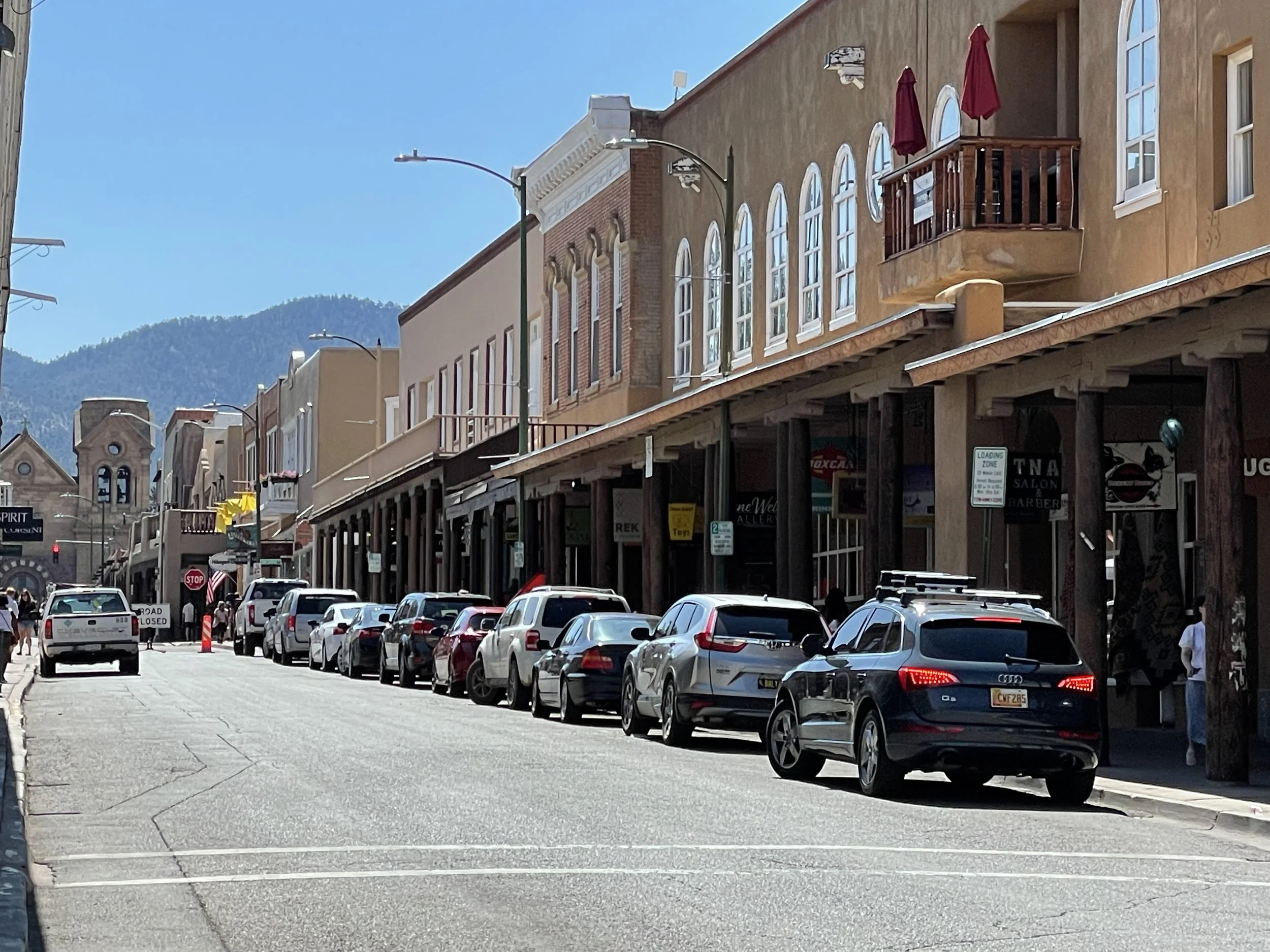
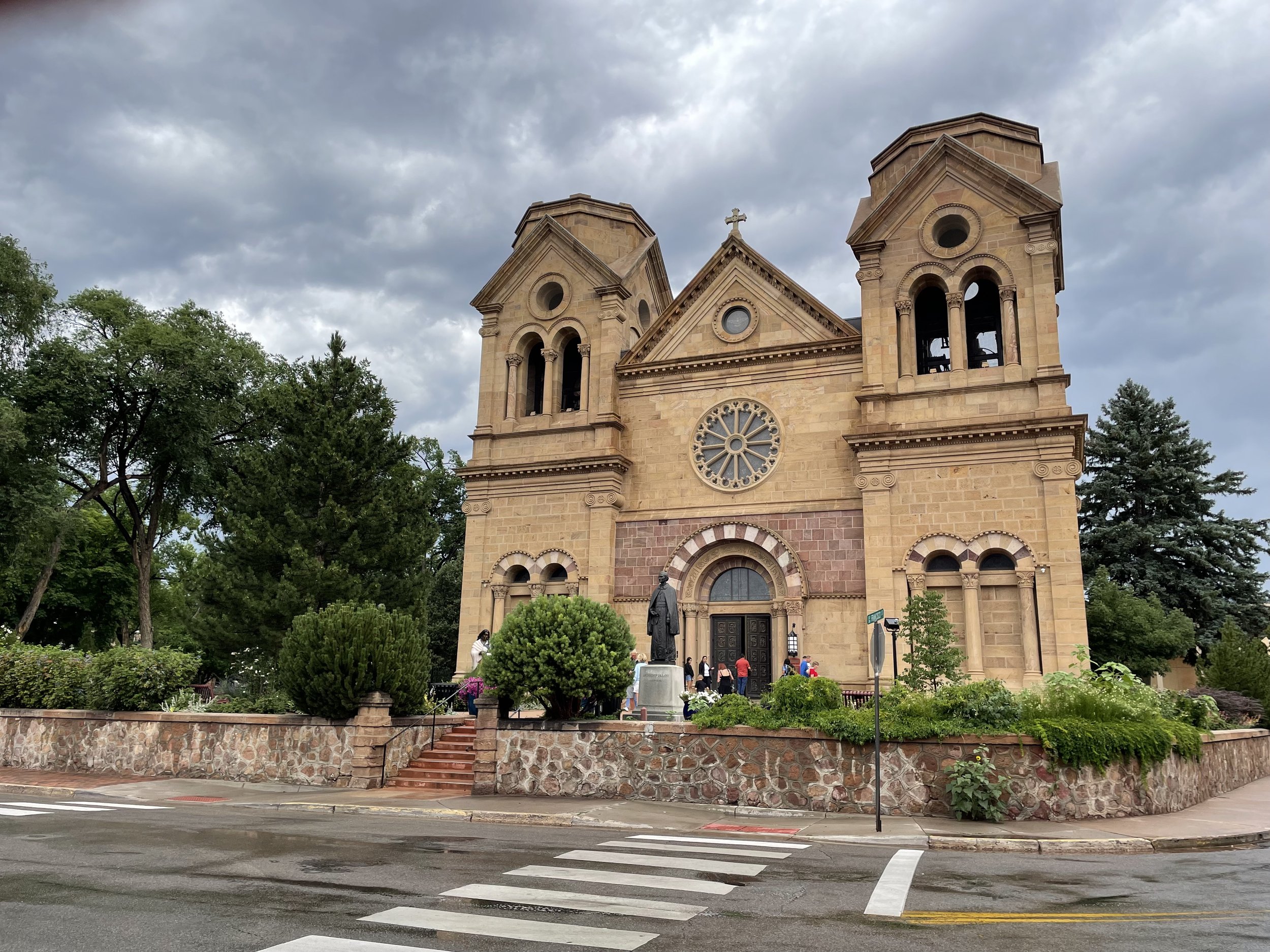
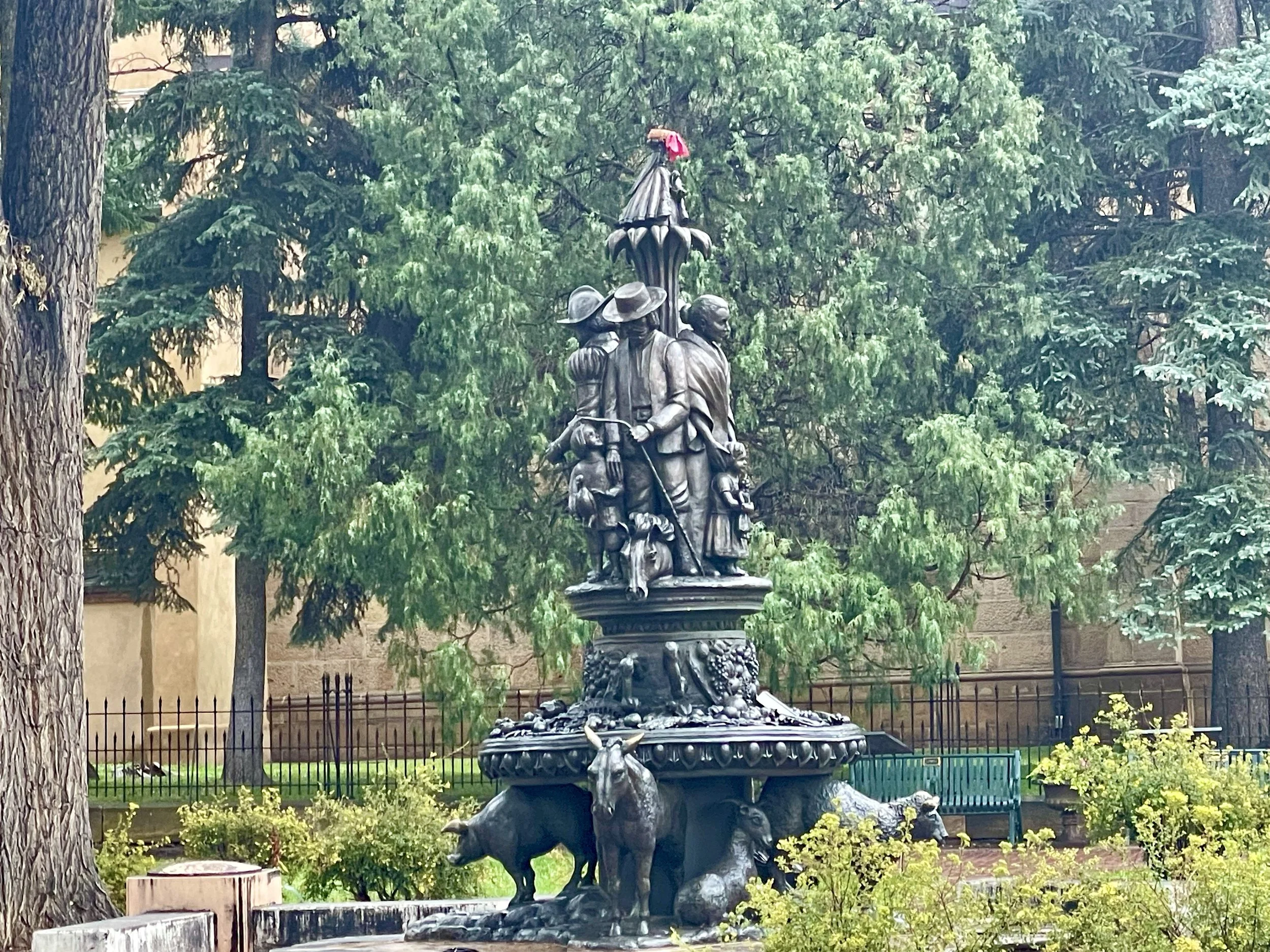
The downtown can get crowded, particularly on Saturday during the markets, but it is perfectly walkable. One thing I discovered on market day, is to avoid the vendors hawking cheap manufactured trinkets around the plaza and head for the farmers market near the train station. This is where you will find real artisan goods, fresh produce and a host of local food vendors. Then head back to the plaza in the afternoon for live music, refreshments and window shopping.
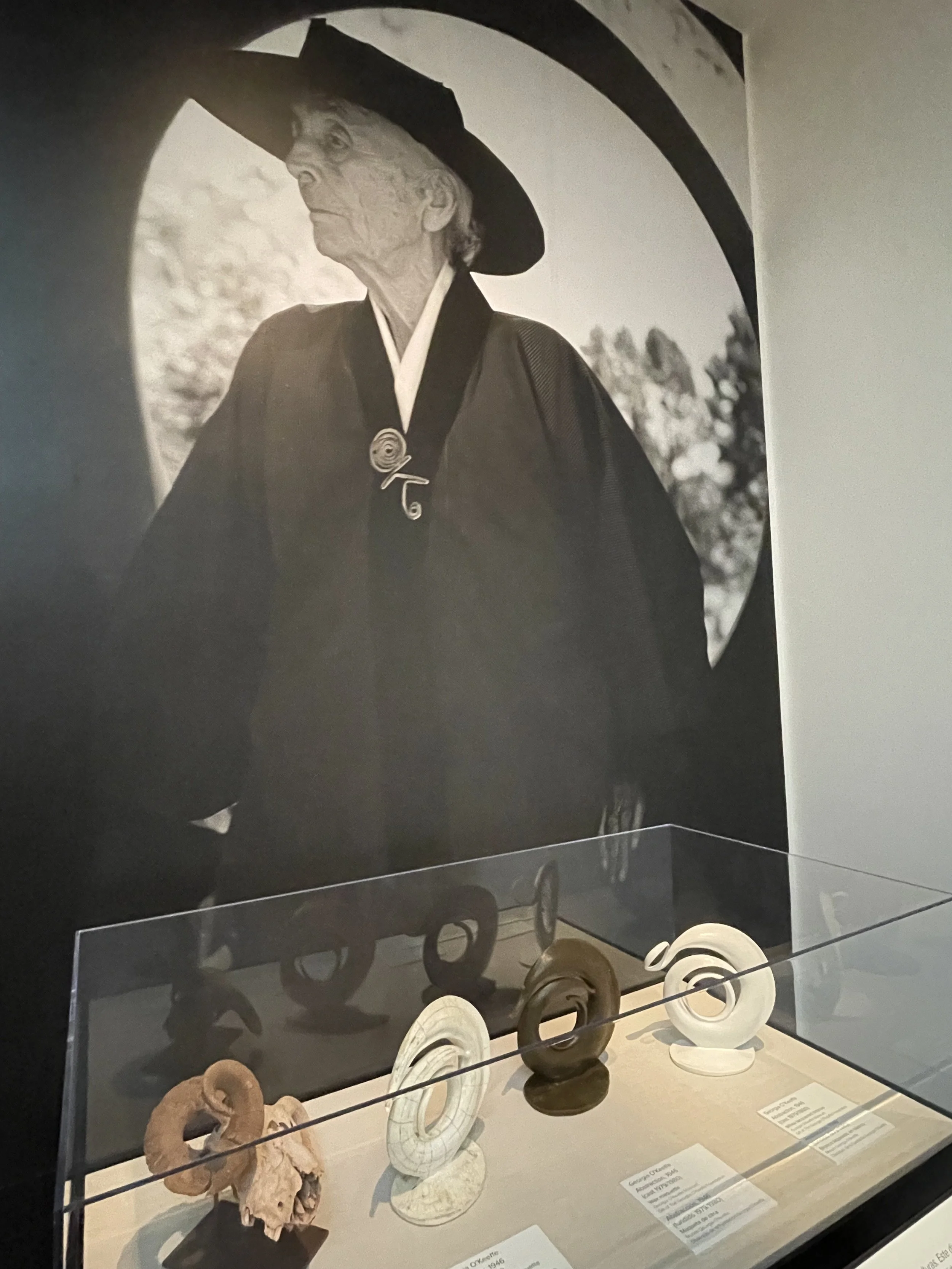
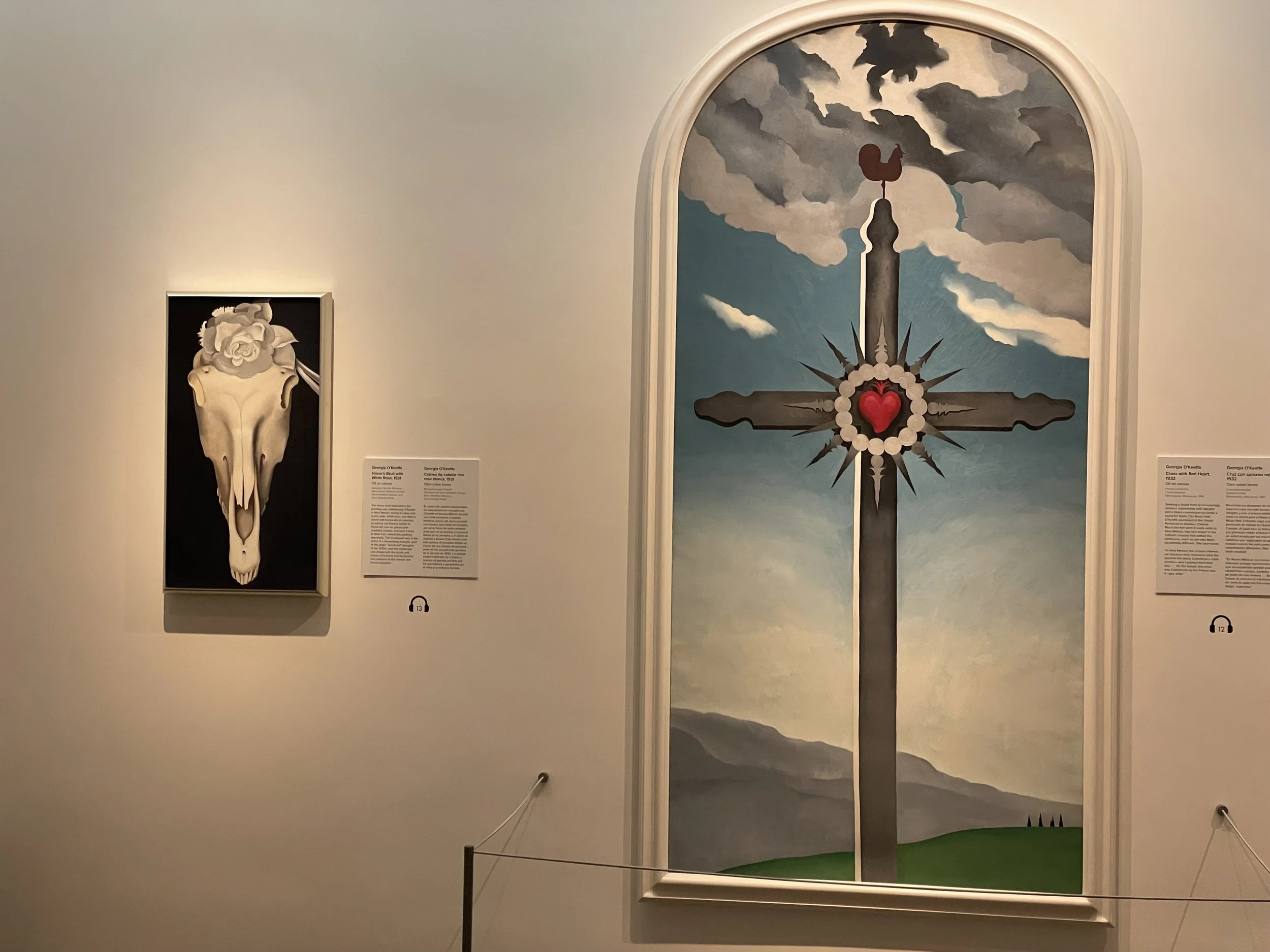
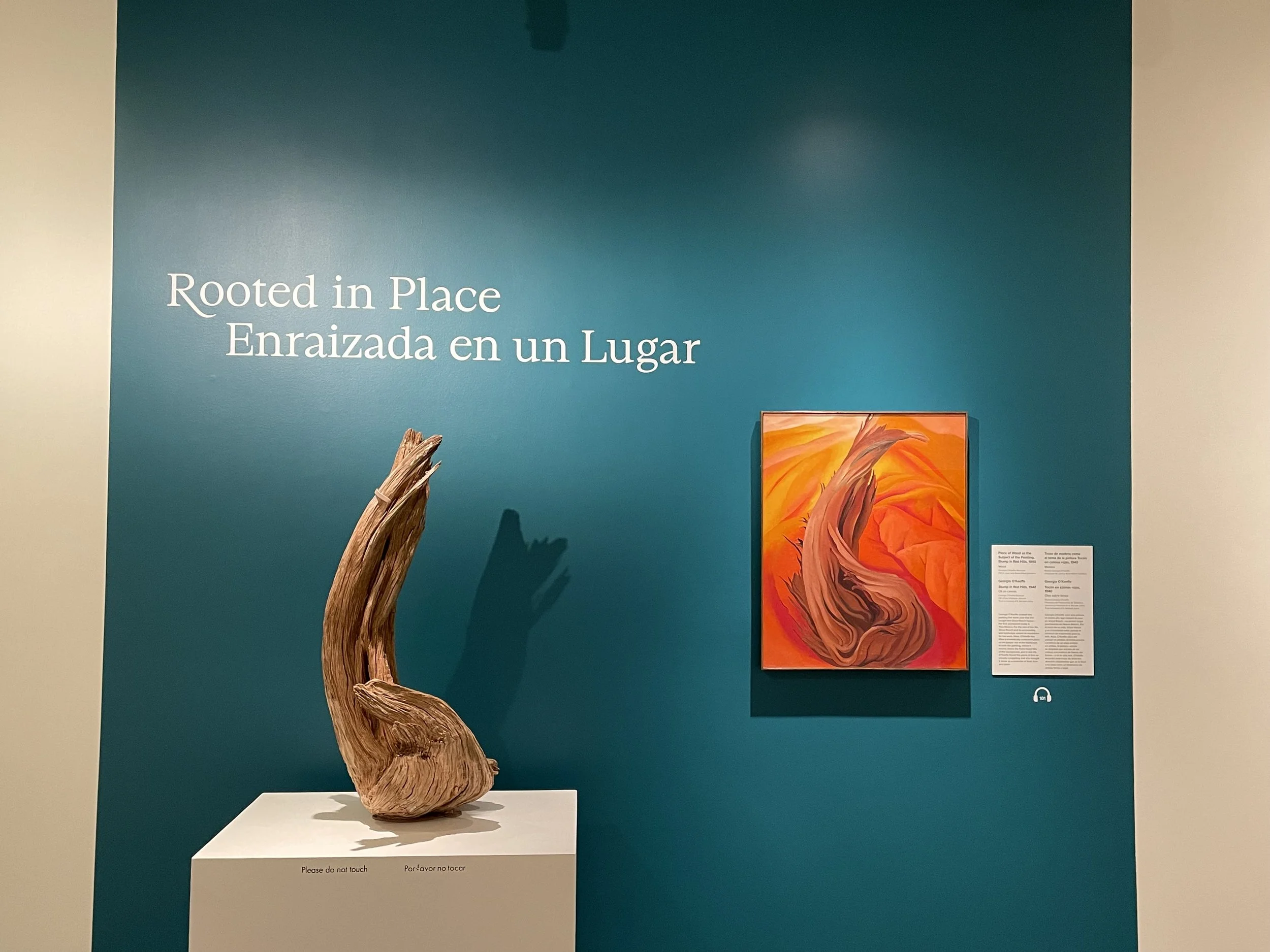
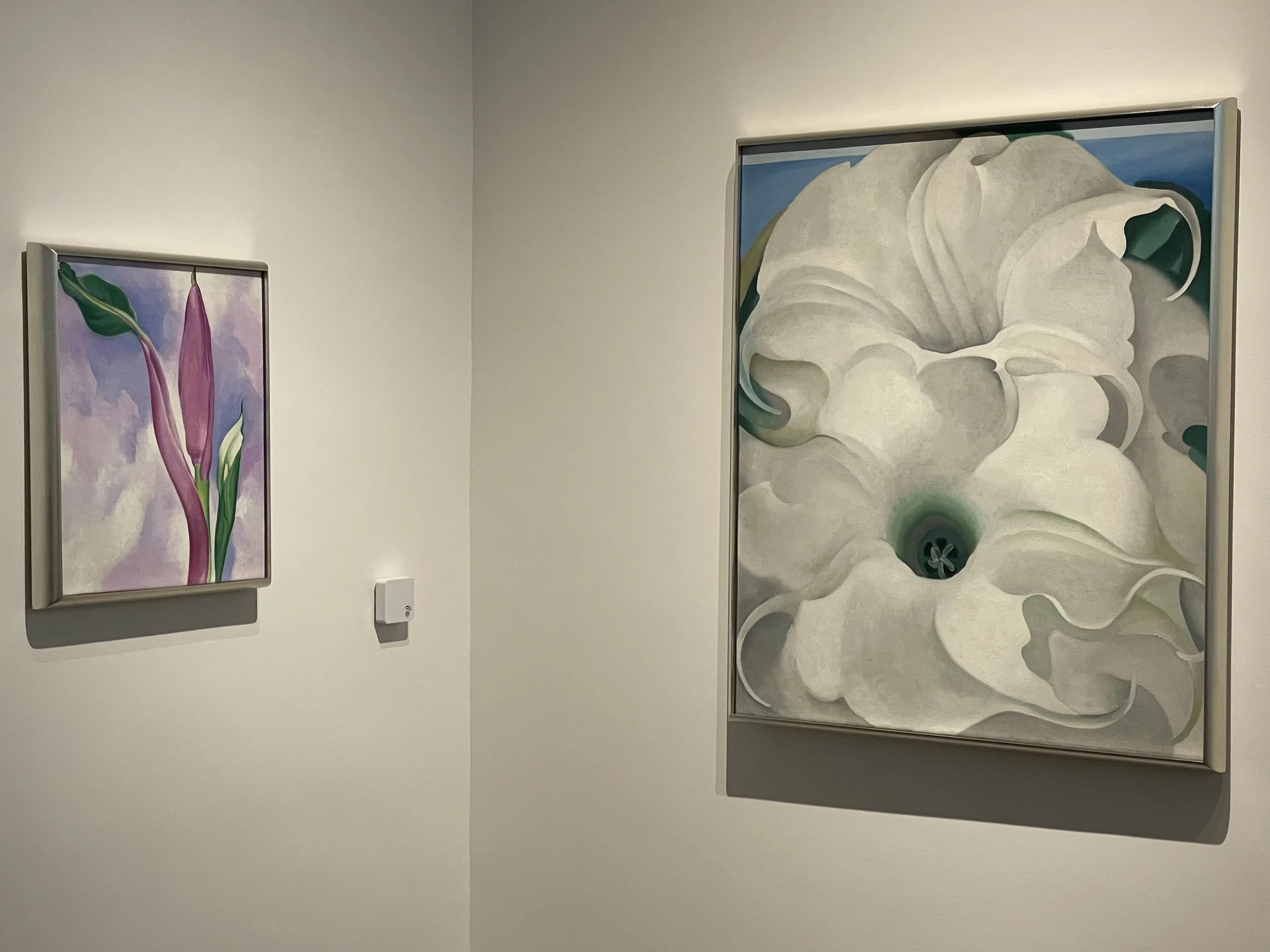
This is a town with a lot of very good museums, particularly if you are interested in art. If you only go to one, the Georgia O’keefe museum is well curated and arranged in a way that tells the story of her life through the evolution of her work.
With Santa Fe as a starting point, there is a vast array of other point of interest that are easy day trips.
Bandelier National Monument
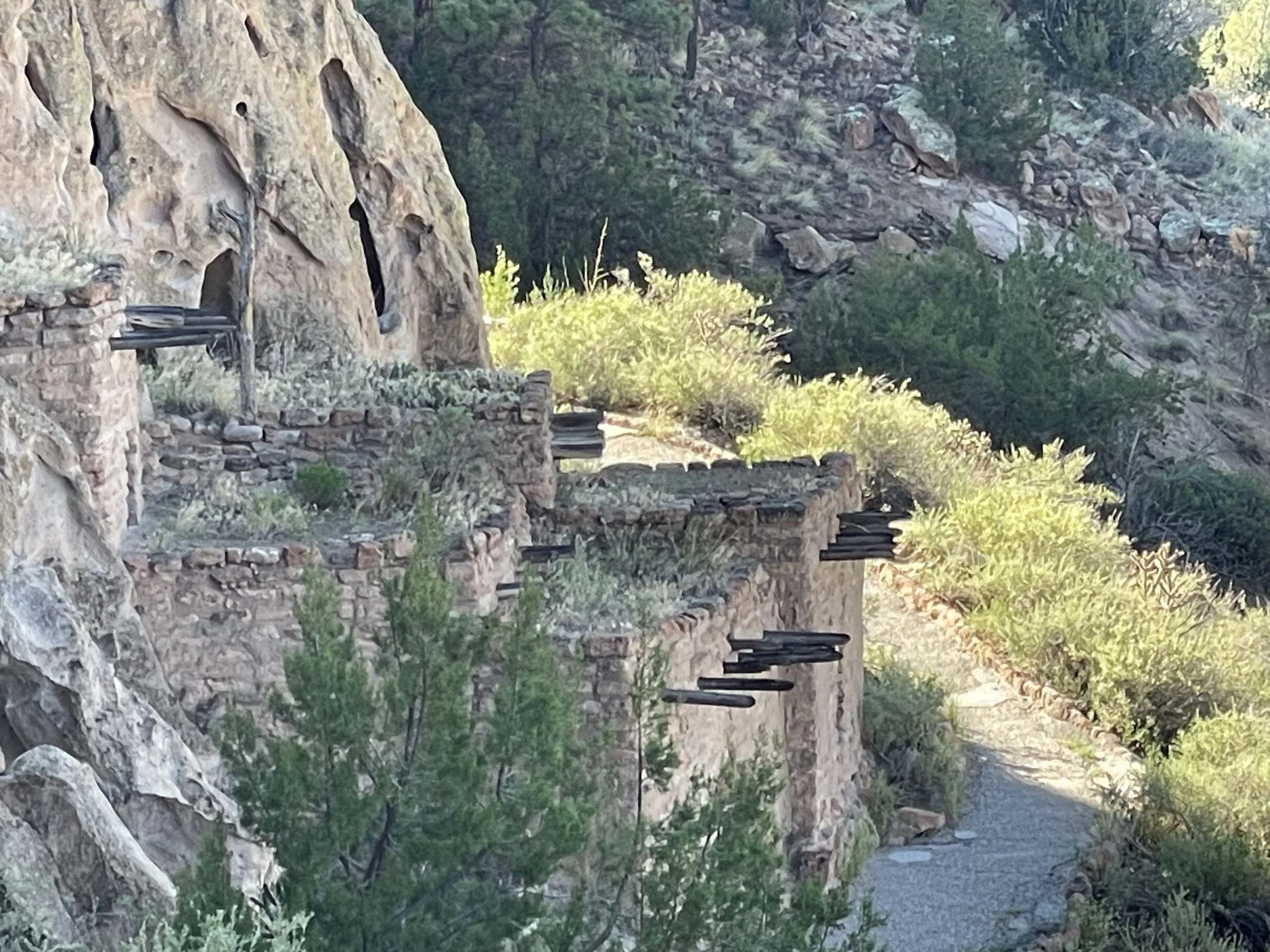
Bandelier contains evidence of human habitation dating back nearly 11,000 years. Created in 1916 and managed by the National Park Service, the monument preserves petroglyphs and ancient pueblos. The area’s plateaus, lava fields and mountains are open to recreational activity.
Valles Caldera National Preserve
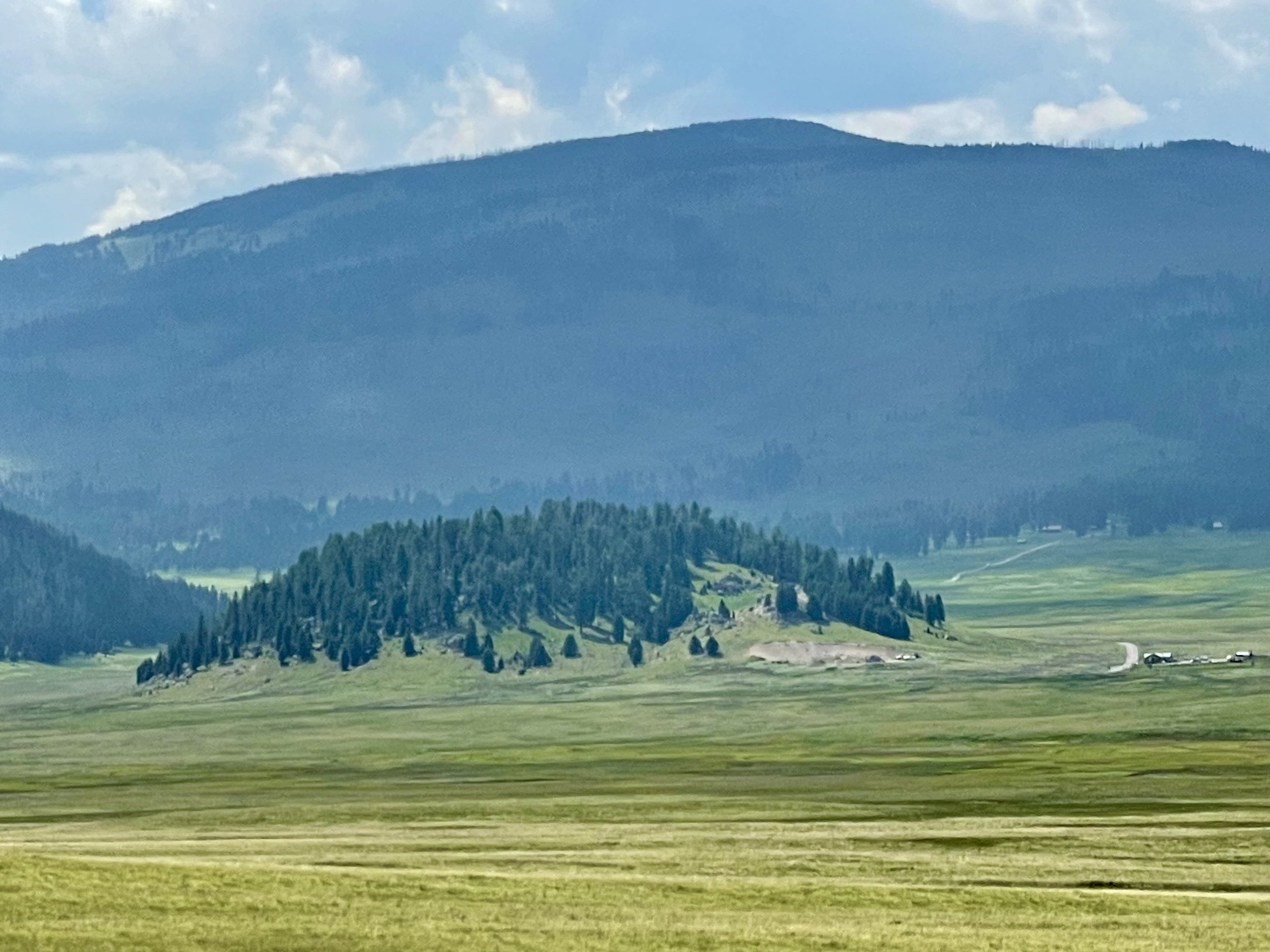
The Valles Caldera was created by a massive volcanic eruption nearly 1.25 million years ago. The National Park Service manages this preserve that also contains remnants of Native American peoples and the American ranching culture that followed.
Jemez National Recreation Area
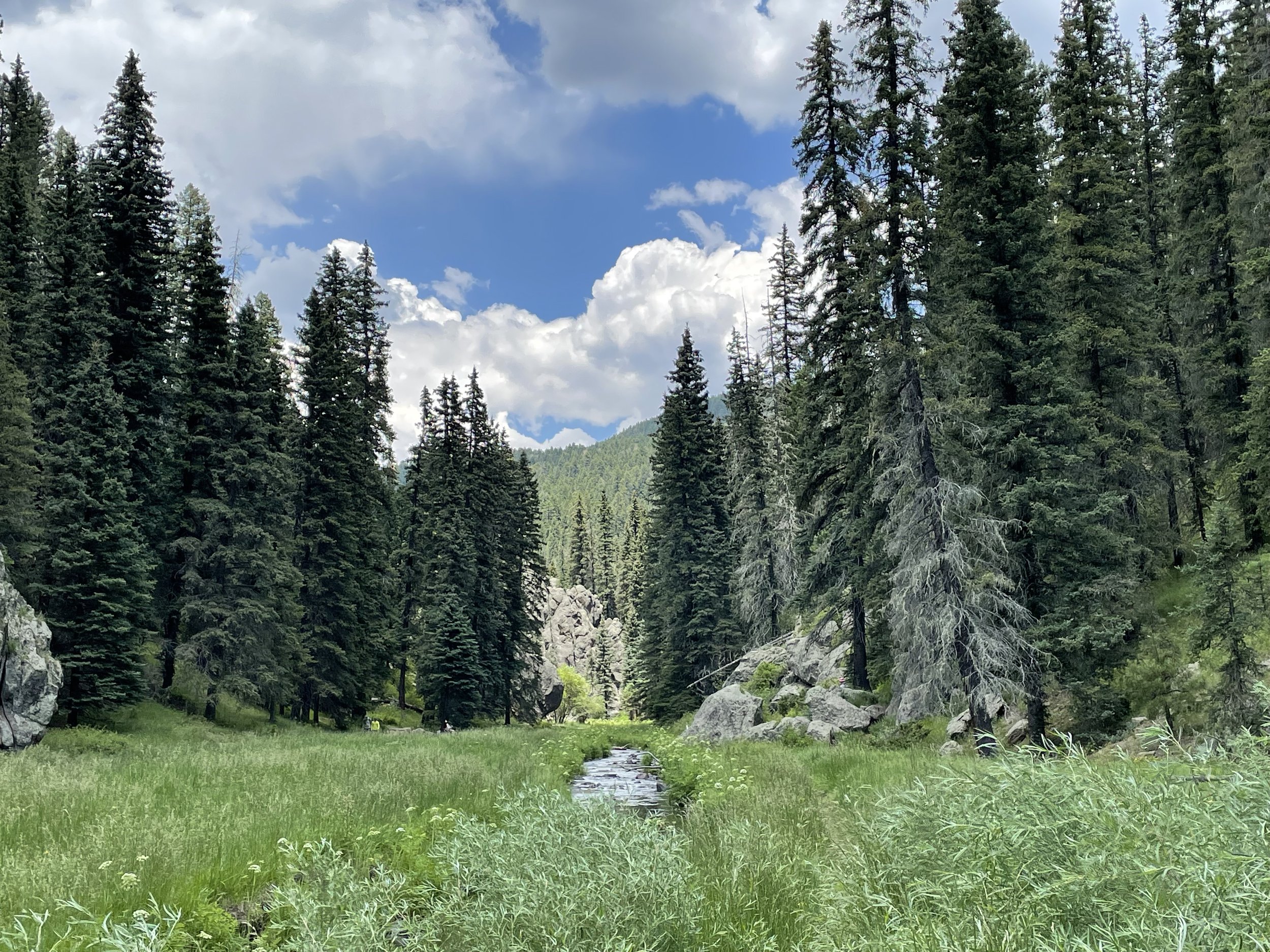
The Jemez National Recreation Area was established in 1993. The recreation area is located in the Santa Fe National Forest and is managed by the U.S. Forest Service. Recreational opportunities include hiking, camping, hunting, fishing and rock climbing.
Jemez Historic Site
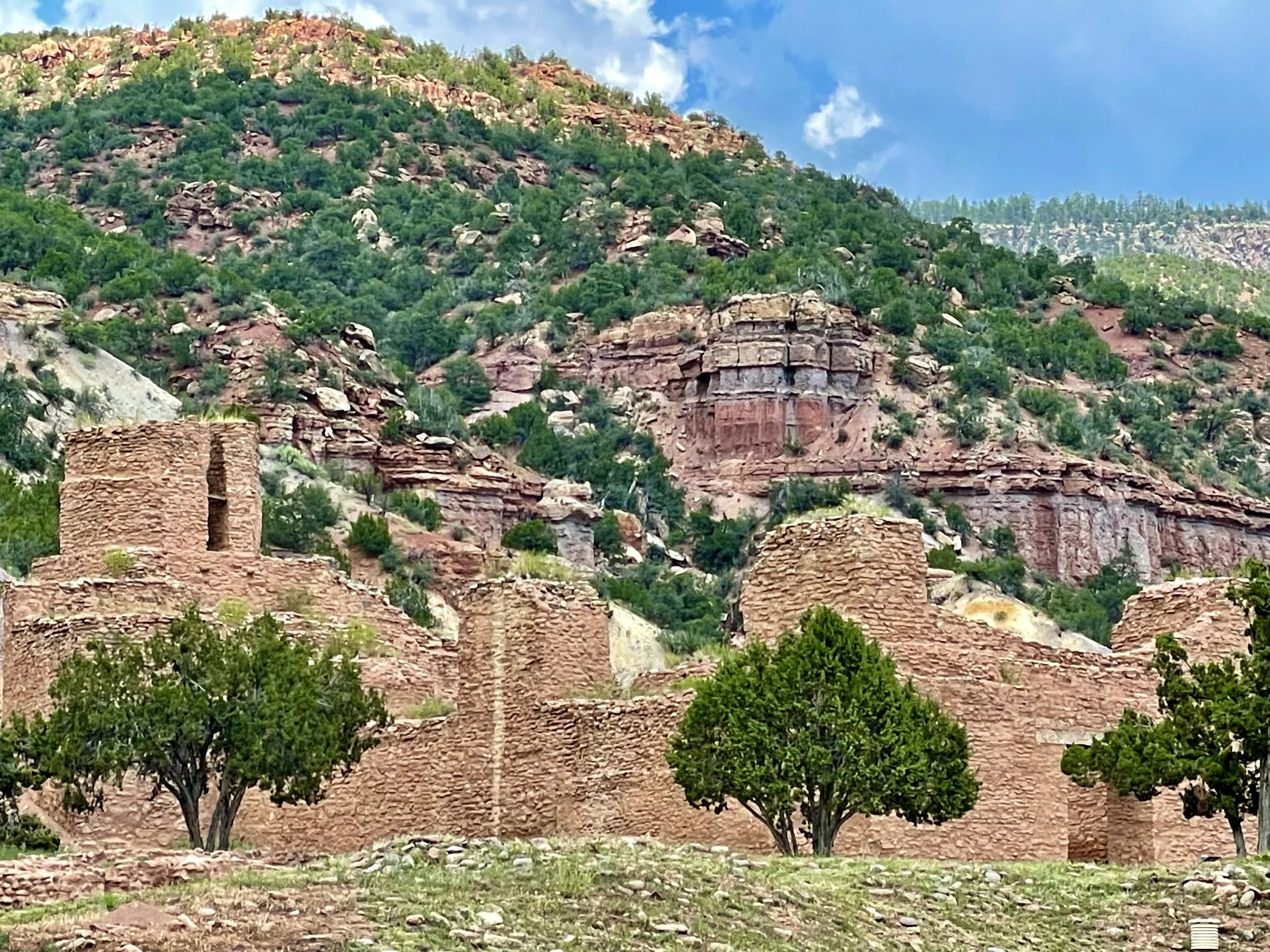
The Jemez Historic Site contains the ruins of the 700-year-old Jemez village and the San José de los Jémez church dating to 1621-22. This site is said to be one of the most beautiful in the Southwest.
Santuario de Chimayo
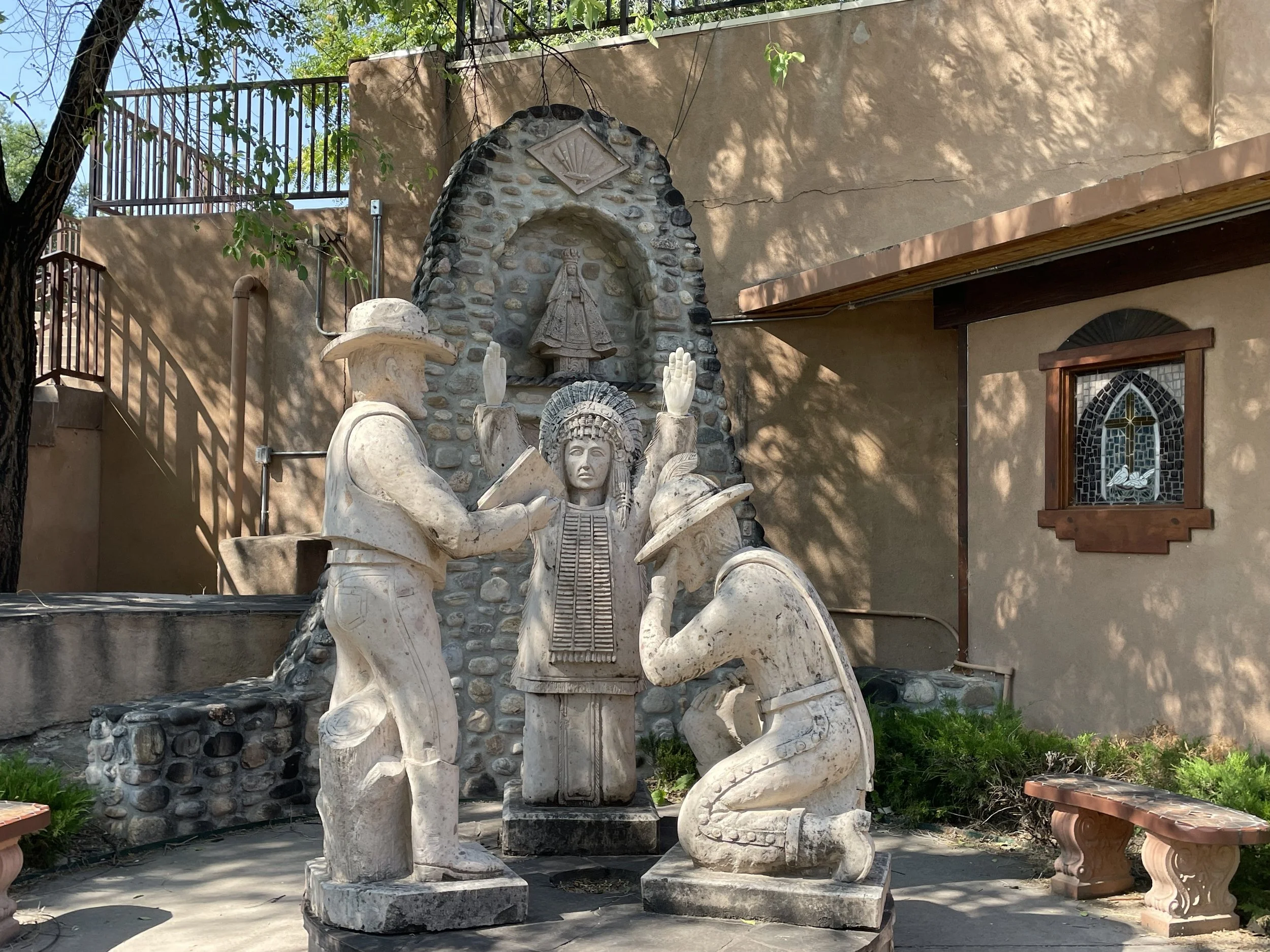
The Chimayo Monastery is considered one of the holiest sites in North America. Some 300,000 pilgrims visit annually earning it the nickname "Lourdes of America." This is one of many stops on the High Road to Taos.
Rio Grande del Norte National Monument
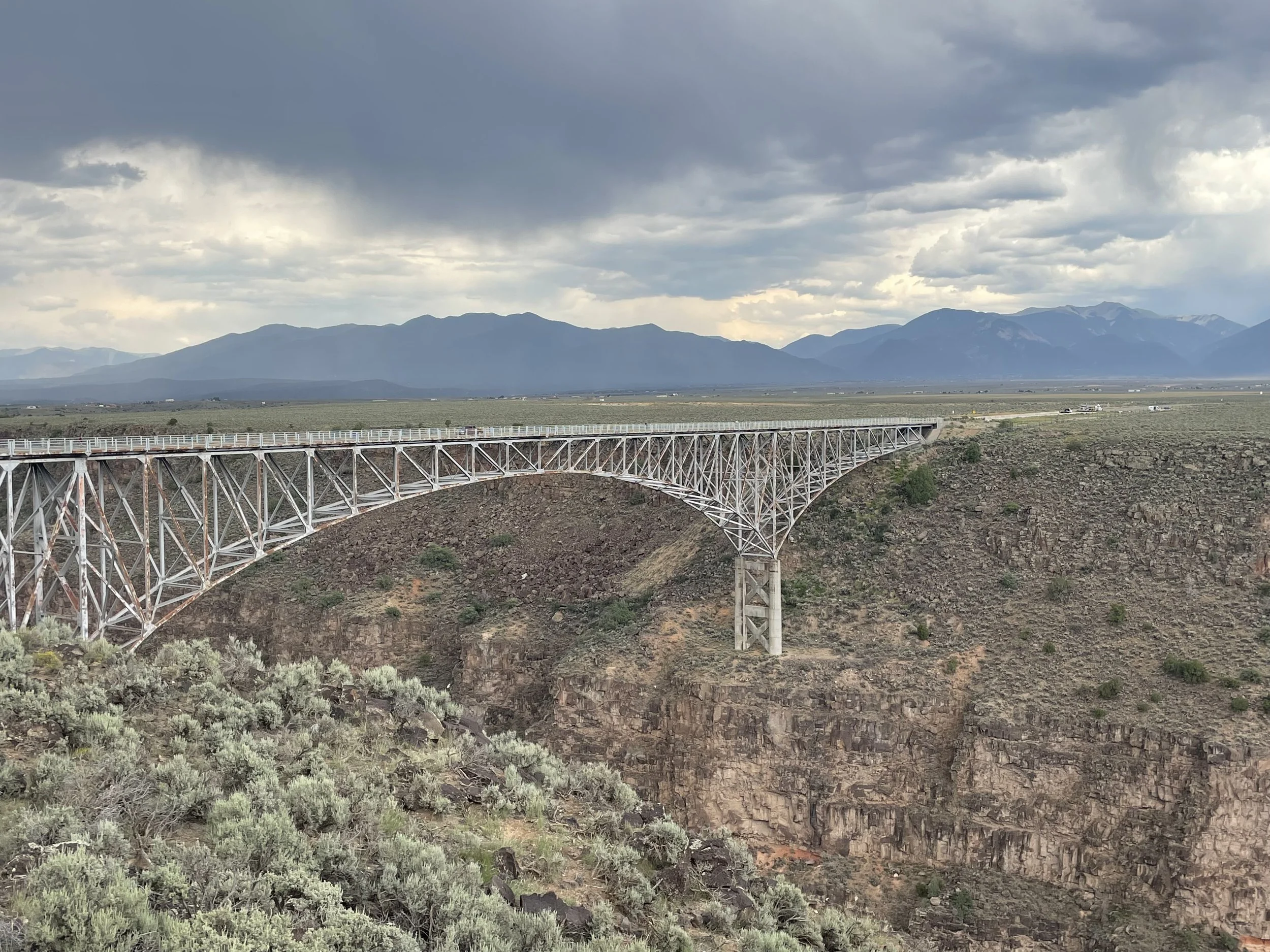
This national monument preserves an 800-foot-deep gorge carved into the rugged plains of northeastern New Mexico. The area of the monument also contains many evidences of early human habitation in the form of prehistoric dwellings and petroglyphs. The monument was designated in 1992 and is managed by the Bureau of Land Management.
Taos Pueblo
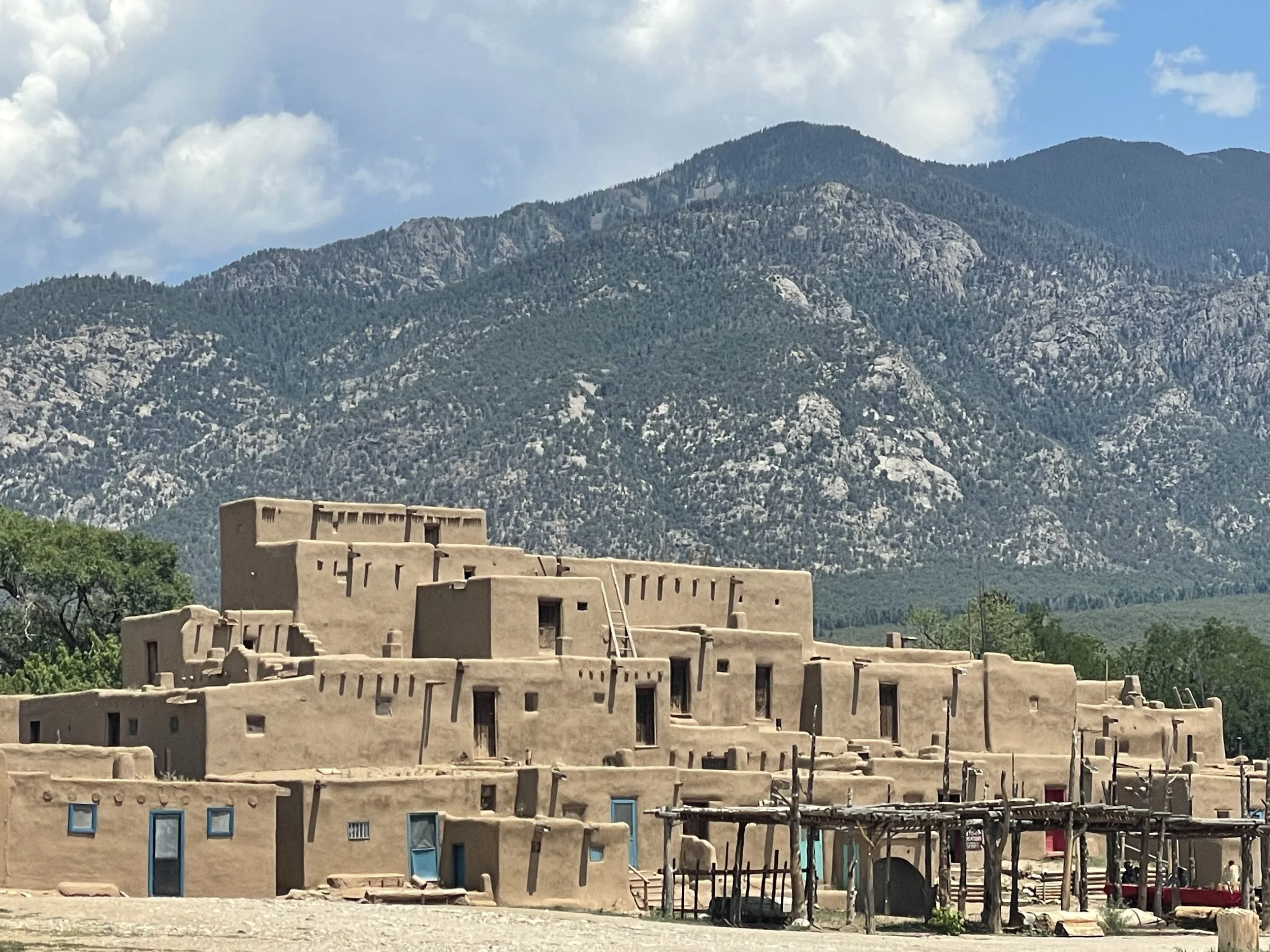
The Taos Pueblo is an adobe dwelling with great religious significance that was constructed by the ancient Puebloan people. The particular sect of the Puebloan culture was more secretive and conservative than most. Their language was never recorded, and much is left to be discovered. The pueblo is still occupied and managed by the puebloan inhabitants. In 1992, the Taos Pueblo was adopted as a UNESCO World Heritage Site.
Kasha-Katuwe Tent Rocks National Monument
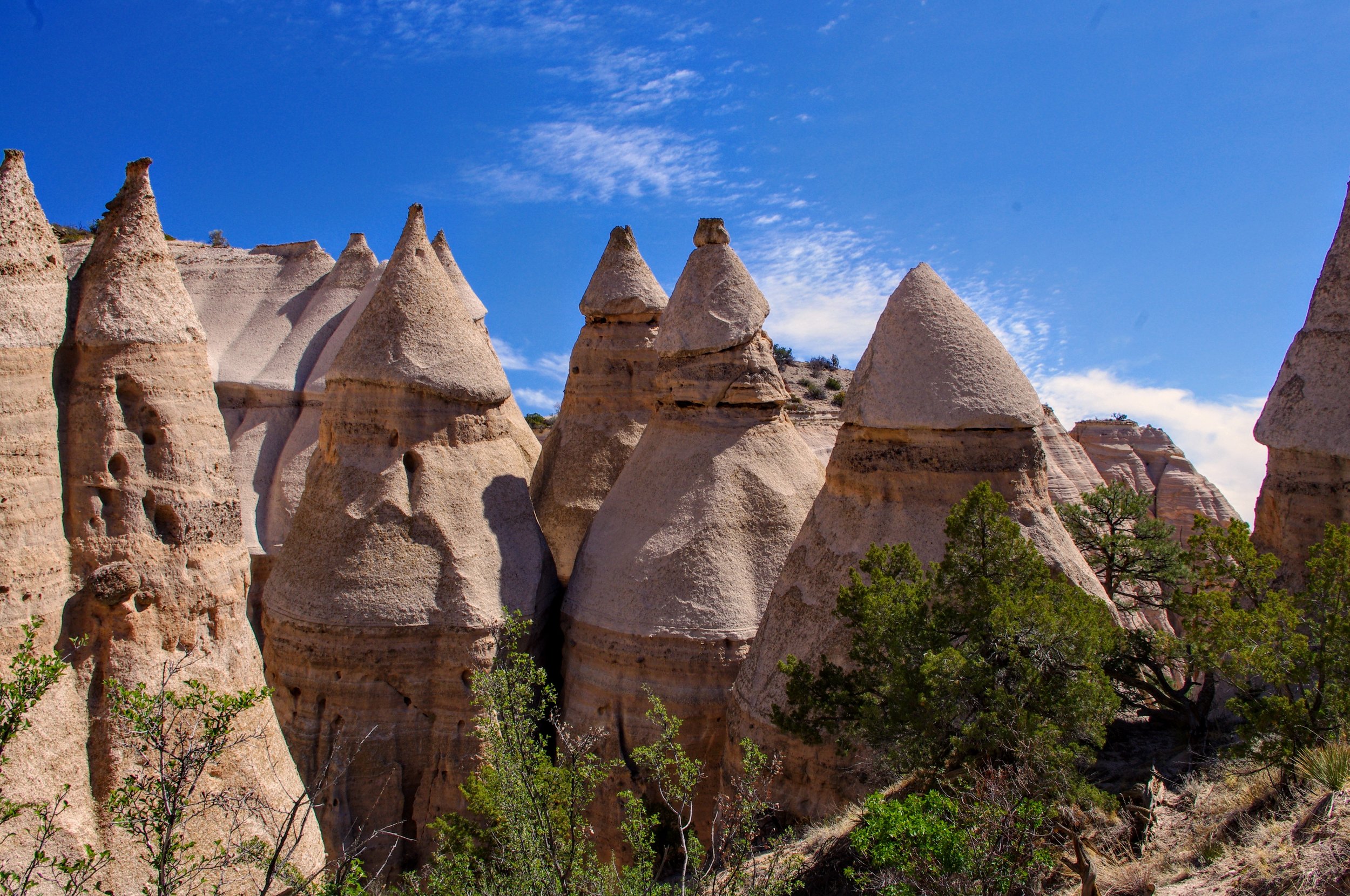
Established in 2001, this monument takes its name from the cone-shaped tent rocks that were produced 6 to 7 million years ago by volcanic activity. The monument, administered by the Bureau of Land Management, is only open to foot traffic and day use only.
Pecos National Historical Park
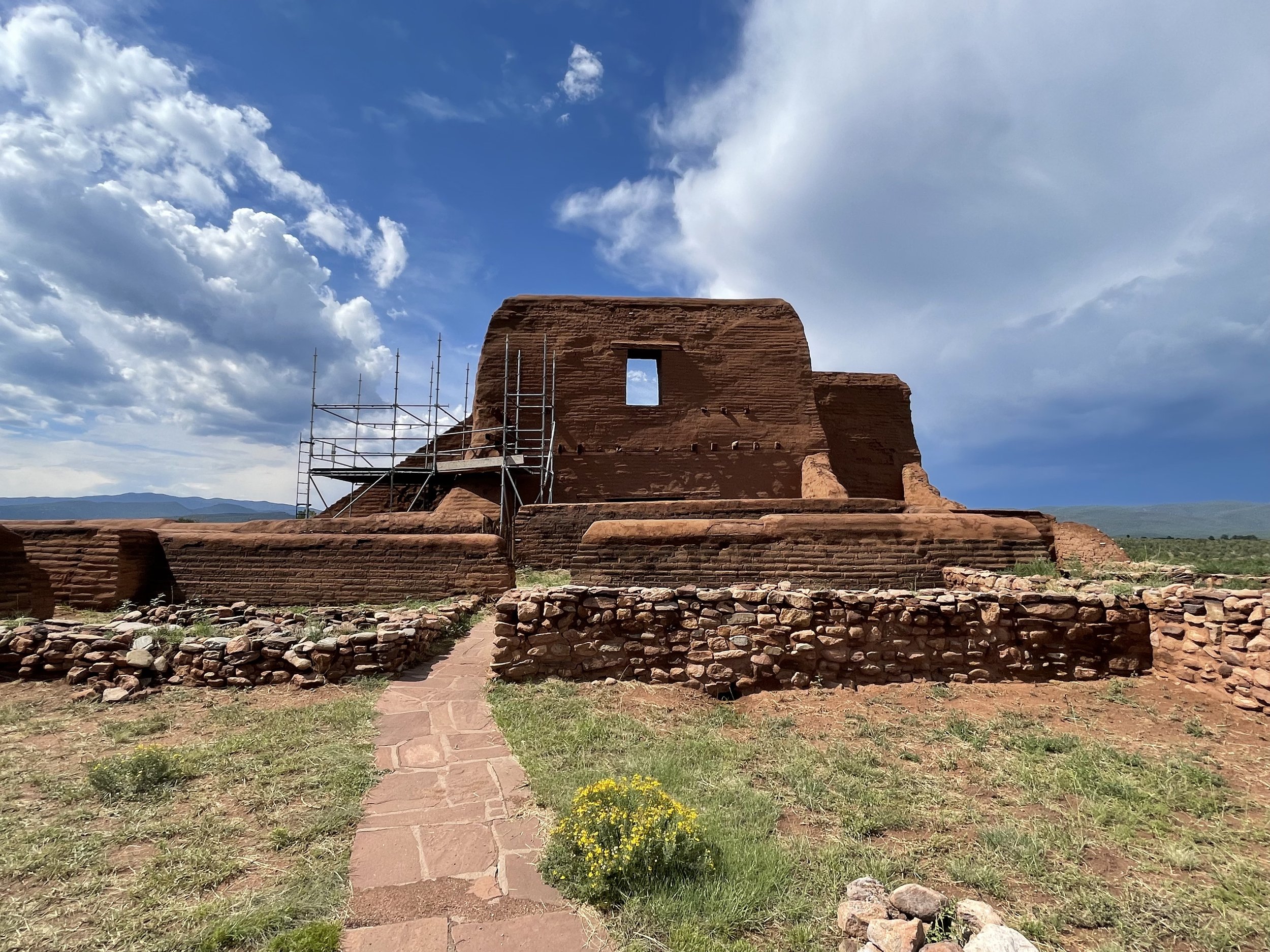
Pecos National Historical Park preserves artifacts ranging from ancient pueblo dwellings to 19th-century ranches. The National Park Service helps protect and interpret those artifacts for visitors.