Bryce Canyon and Zion National Parks
If ever a destination had too much to see, this might be the one. Bryce Canyon, Zion and Cedar Breaks are enough to keep you busy for more than a week. If you have additional time this is a region filled with geological wonders. Canyons, mountains, buttes, mesas, monoliths, rivers and natural arches is just a partial list of what you can expect to see. This list of highlights includes several other destinations that you can explore, if you have time… and you should try to make time.
Bryce Canyon National Park
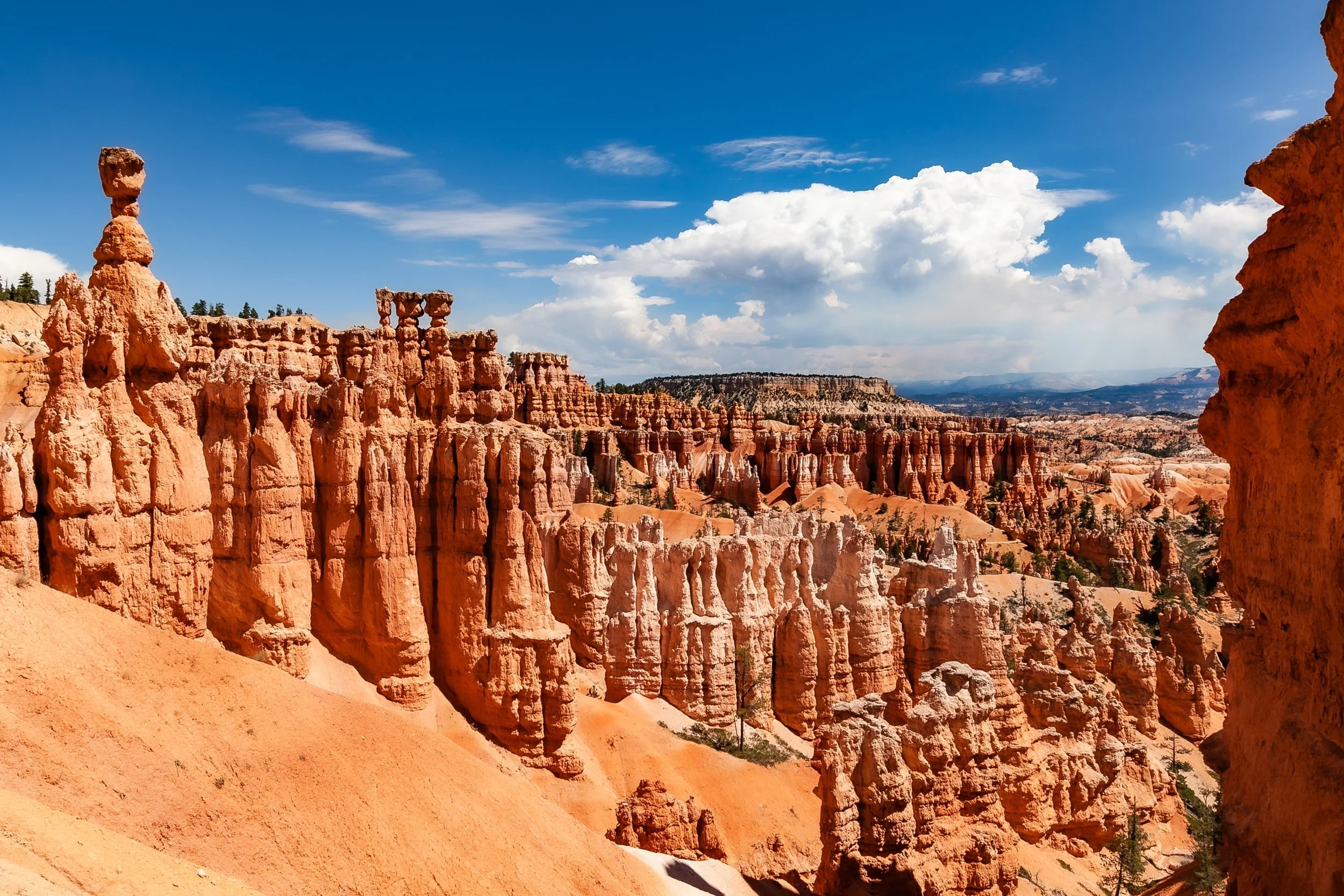
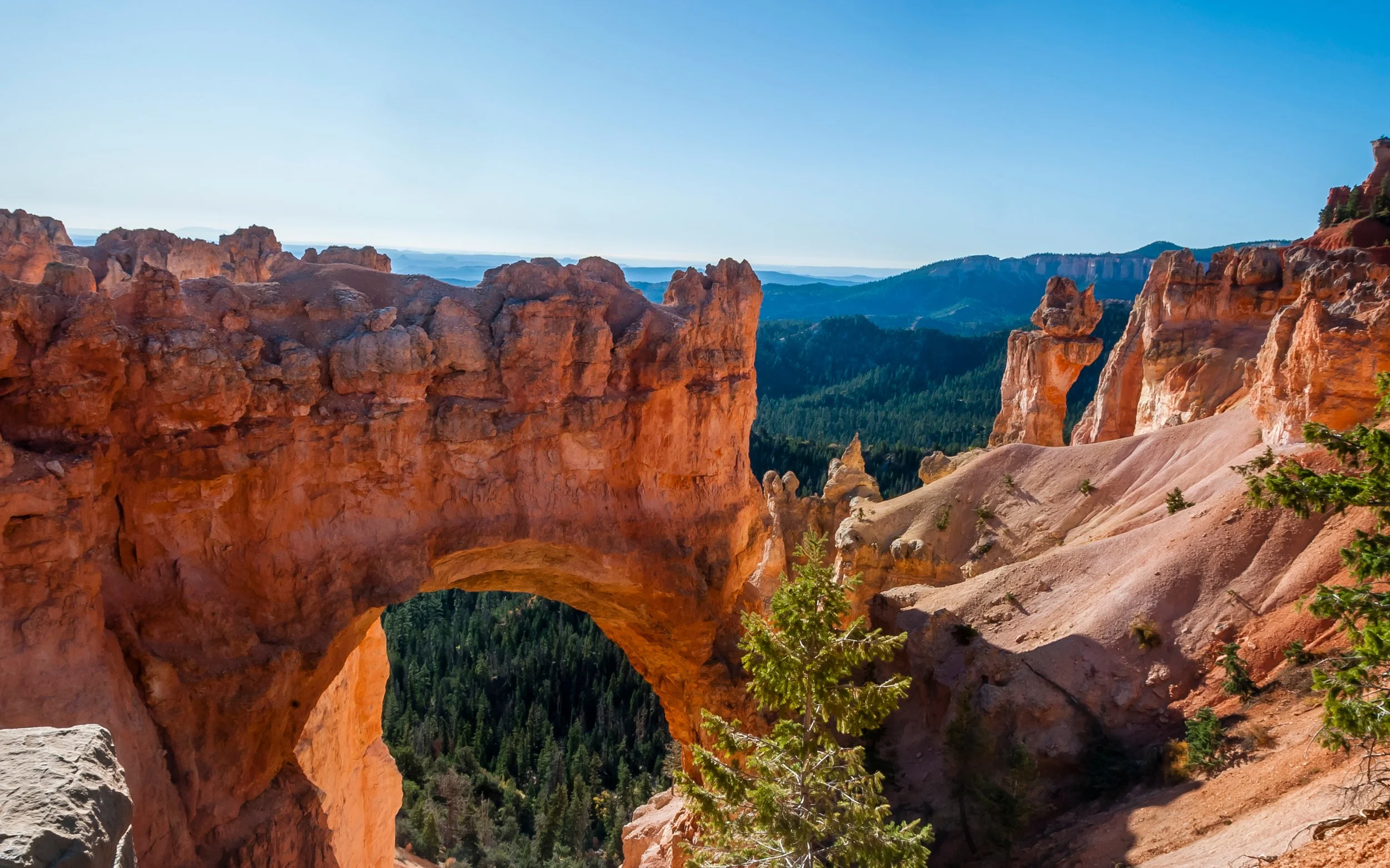
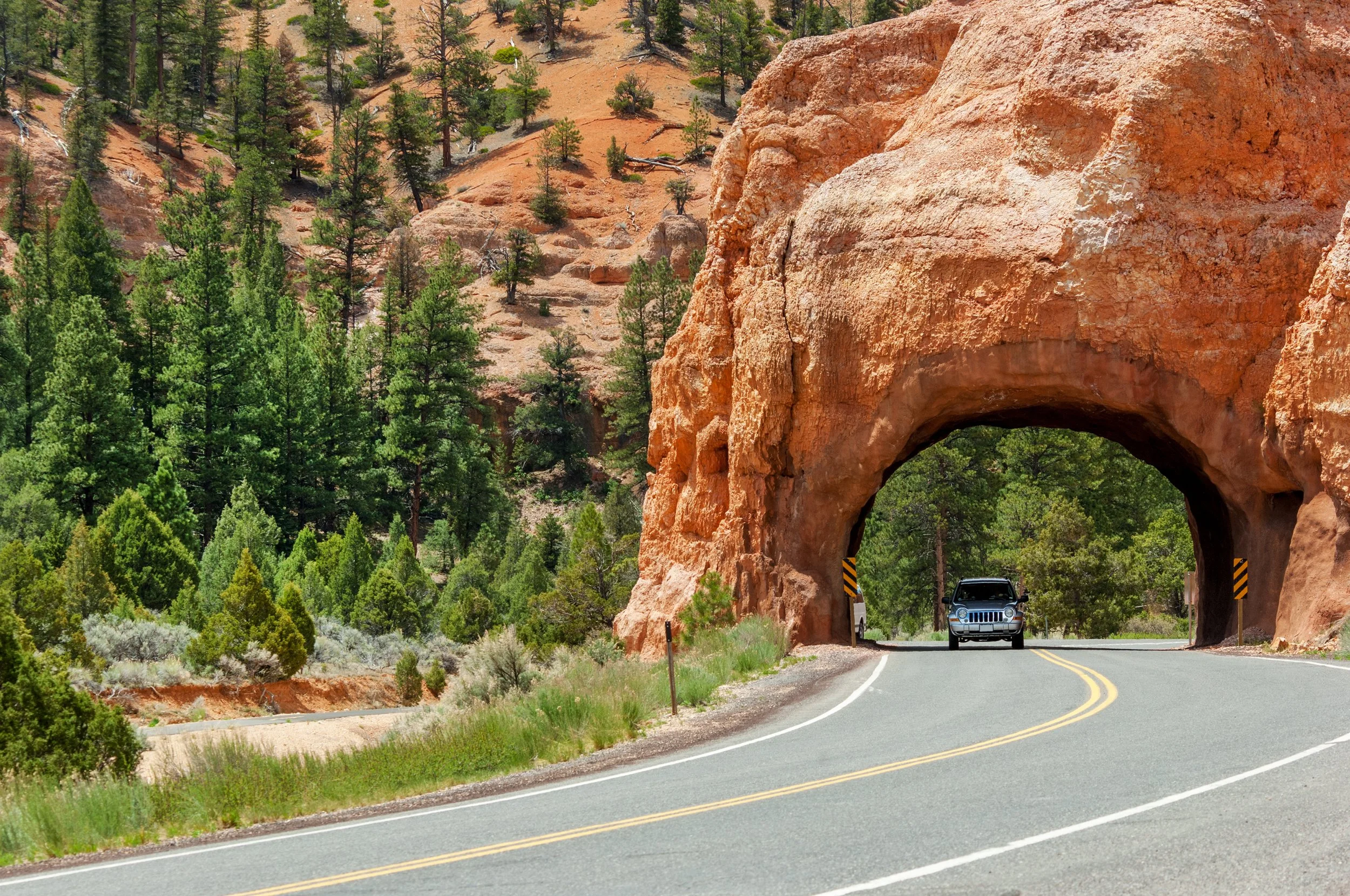
The collection of irregular rock formations (hoodoos) at Bryce is considered the largest on the planet. The park also offers hiking, dark skies and an array of high-altitude wildlife. Scenic Byway 12 runs through part of the park and offers one option for seeing some of the rock formations and parts of the Dixie National Forest.
Zion National Park
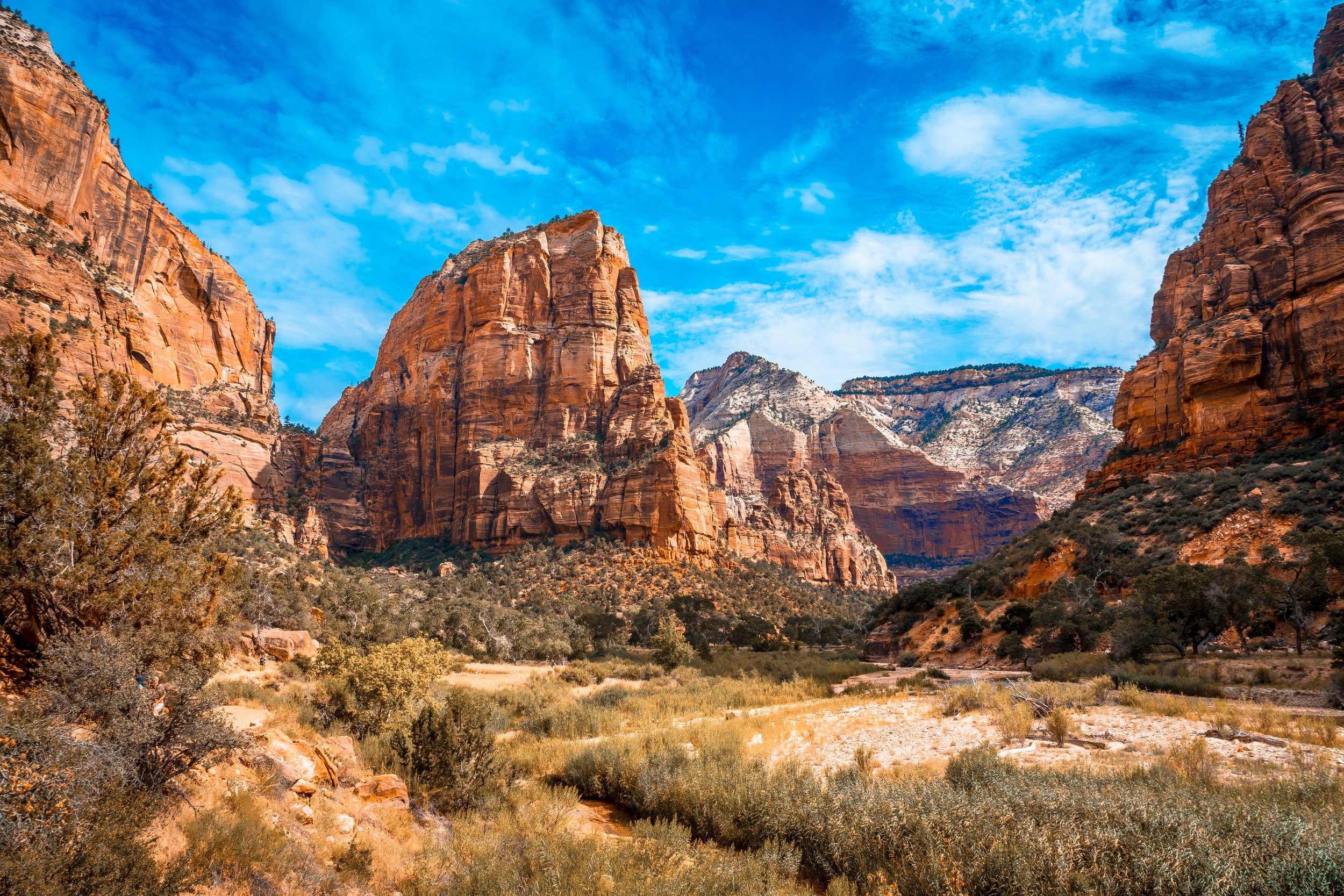
The prominent feature of Zion National Park is the Zion Canyon with its steep sandstone walls, but this accounts for only a fraction of the total area. The park supports a wide range of flora and fauna across its numerous life zones. Zion contains an array of canyons, mountains, buttes, mesas, monoliths, rivers and natural arches.
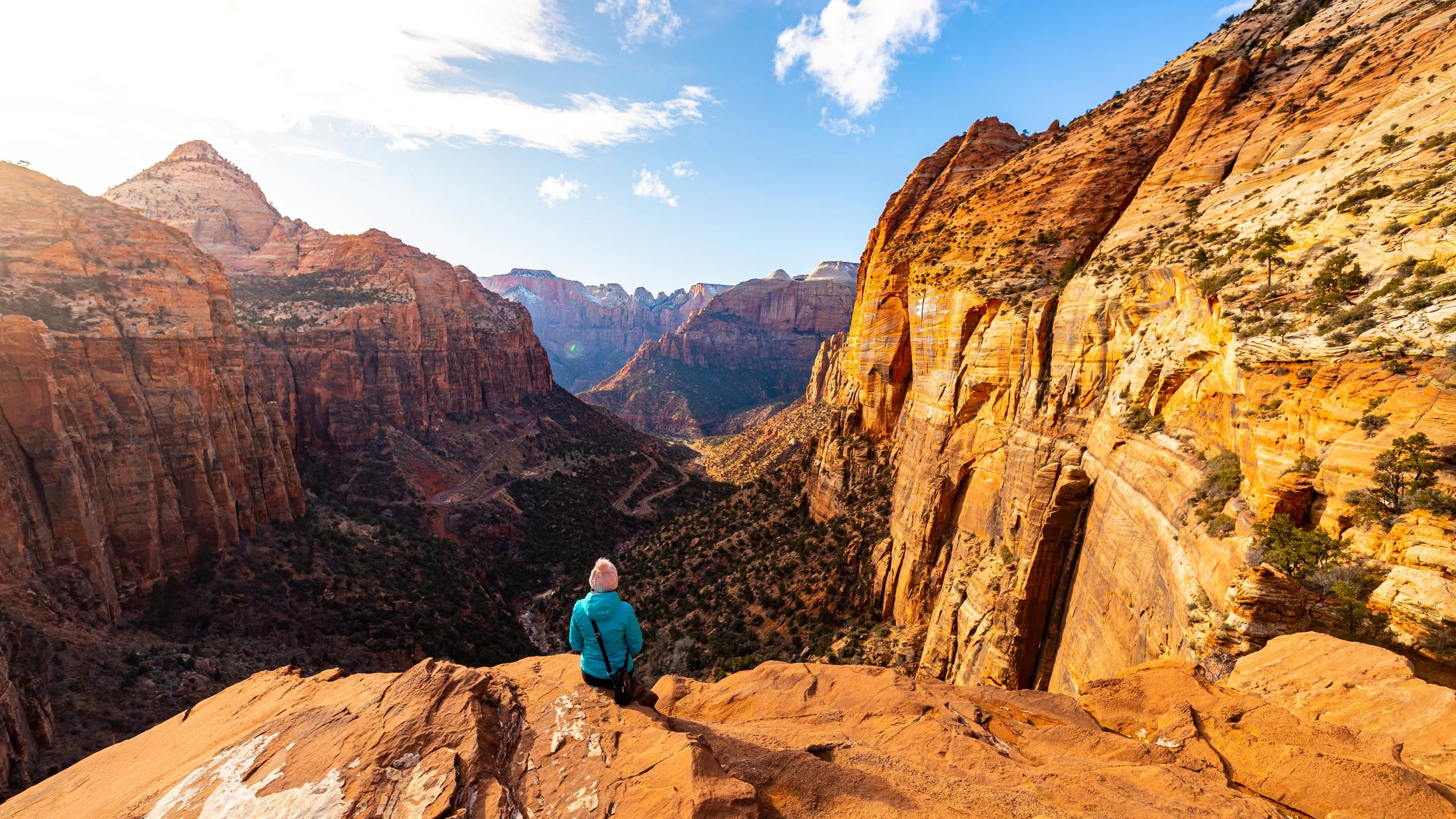
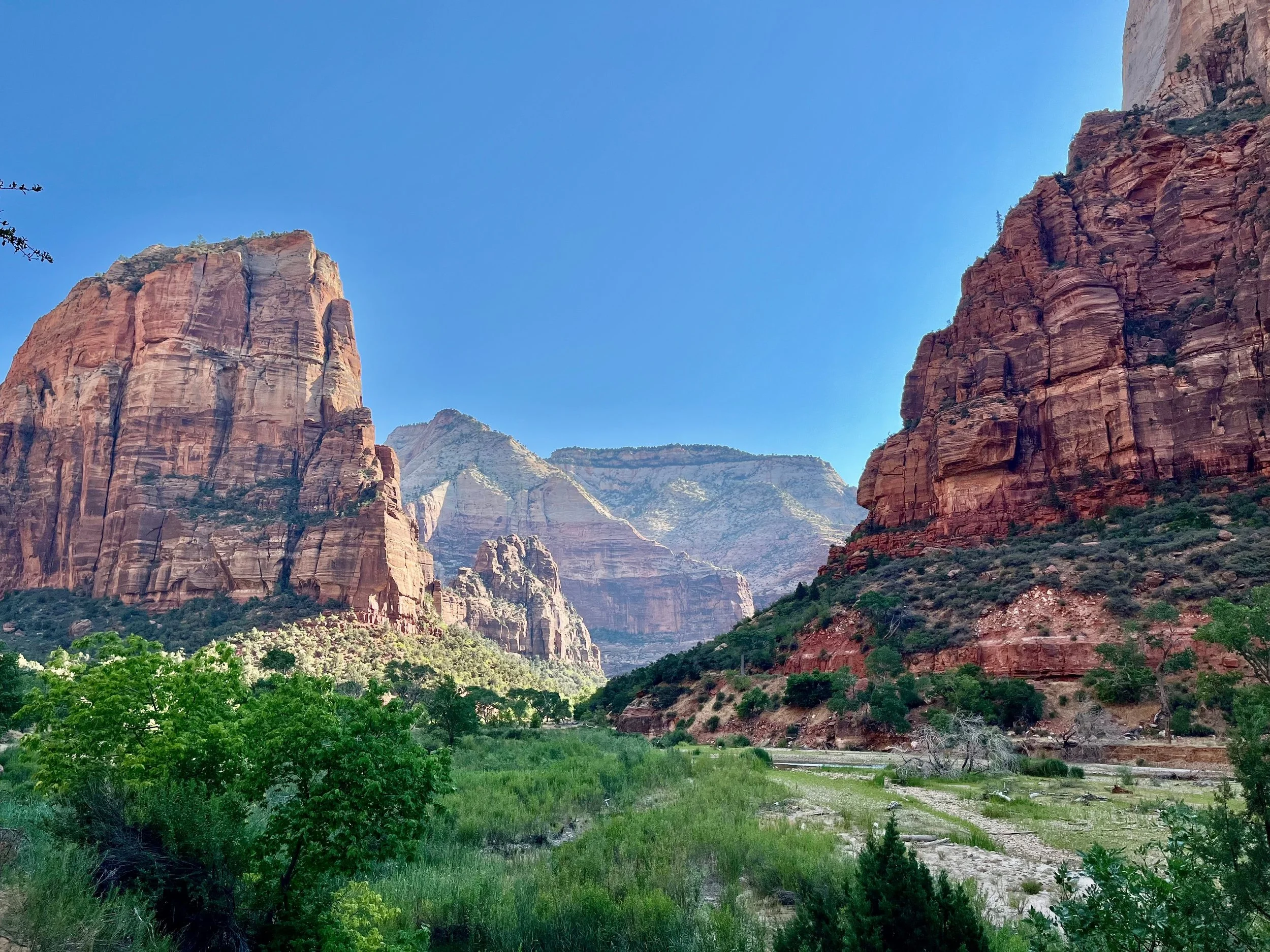
The National Park Service helps maintain a balance between preservation and recreation. Opportunities for camping, hiking, backpacking, river trips, cycling and rock climbing. The best time to visit is during the spring or fall. Summers can bring temperatures in excess of 100 degrees and winter snowfall closes off large sections of the park.
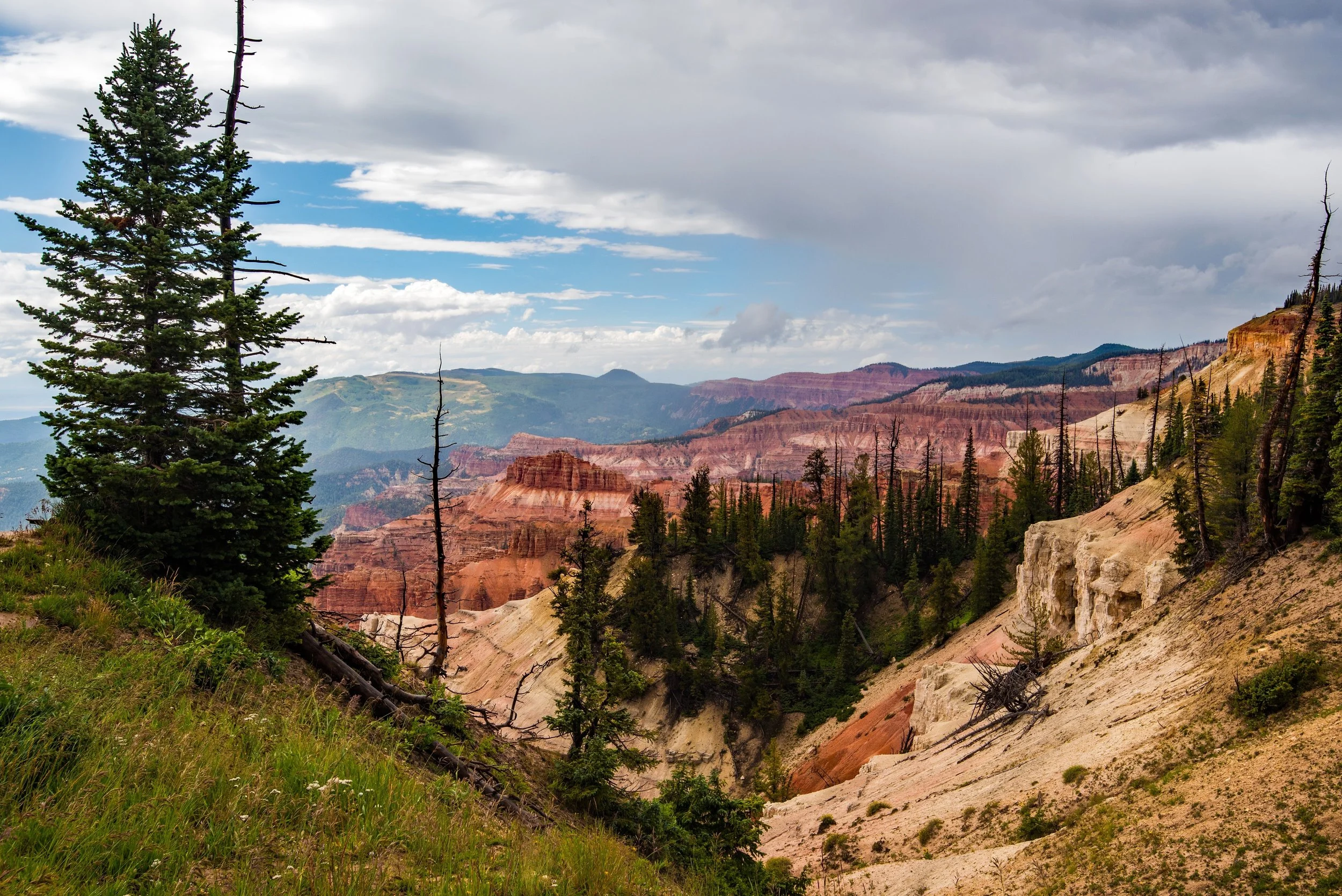
Cedar Breaks National Monument
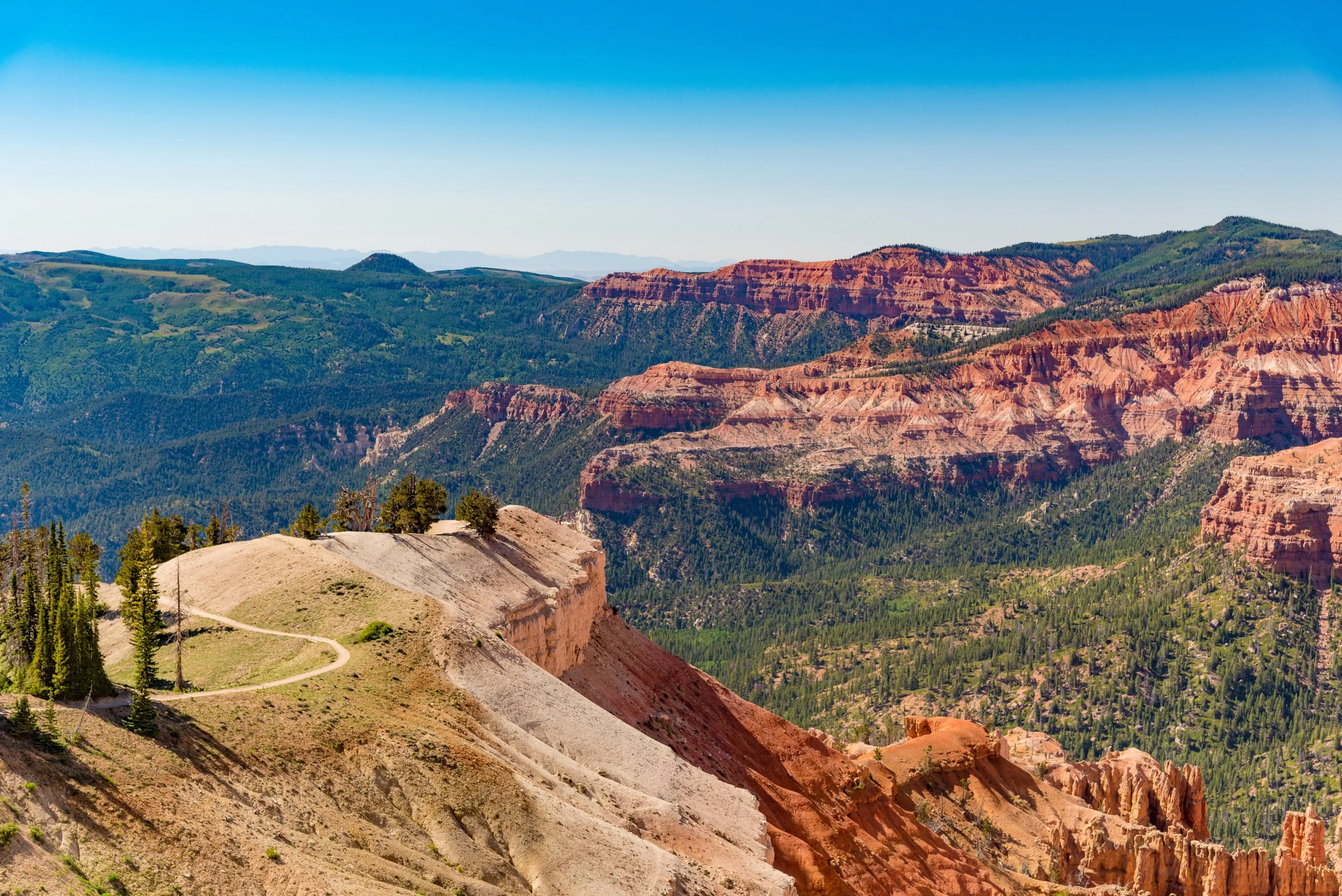
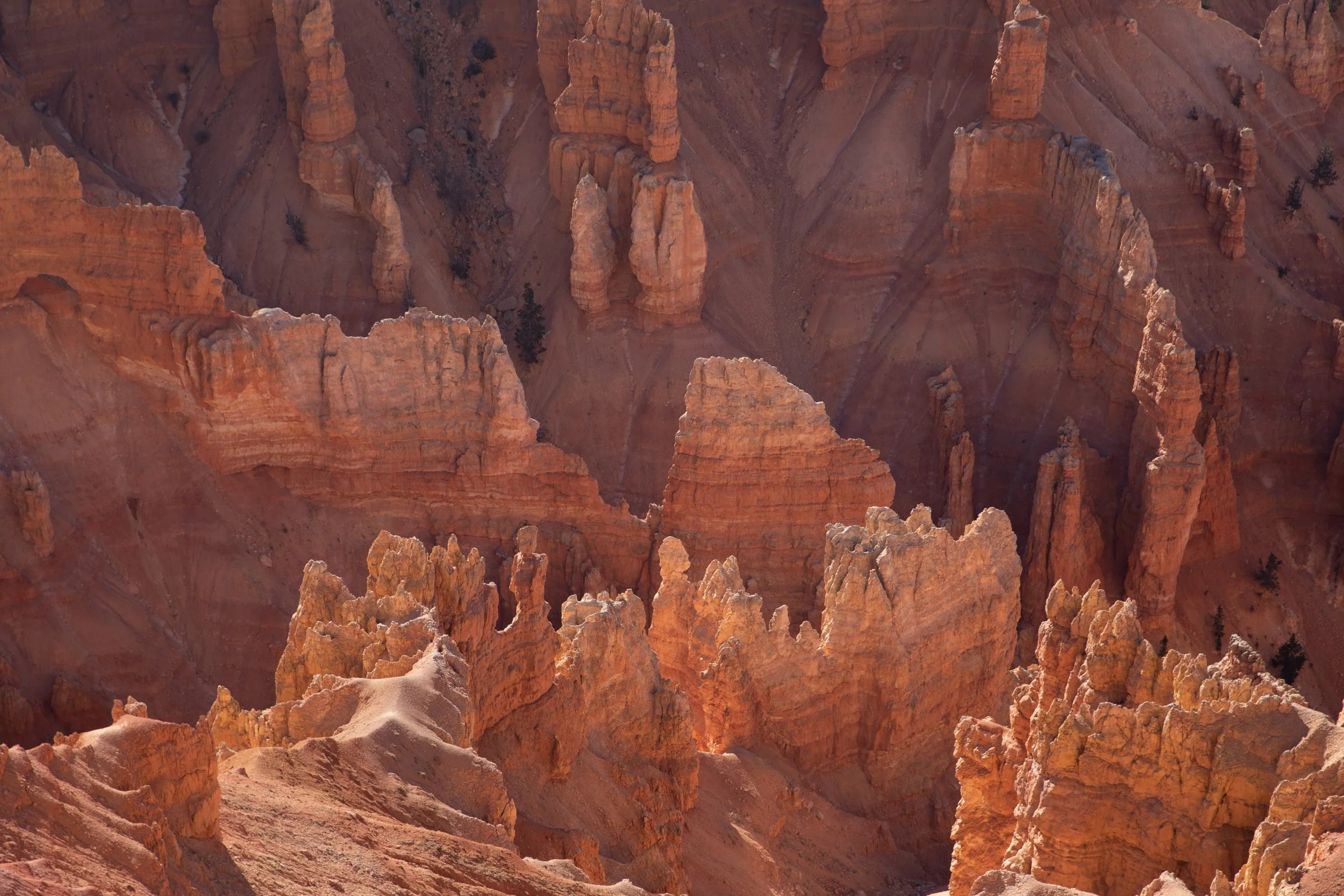
The canyons of Cedar Breaks National Monument have been described as a “geologic amphitheater.” The canyon rim rests at 10,000 feet and the views attract large numbers of visitors annually. Winter snow makes the roads impassable, but during more moderate seasons the monument is open for scenic drives or more adventurous recreational activities. Camping, hiking and star gazing are among the opportunities available to visitors.
If you have time…
Capitol Reef National Park
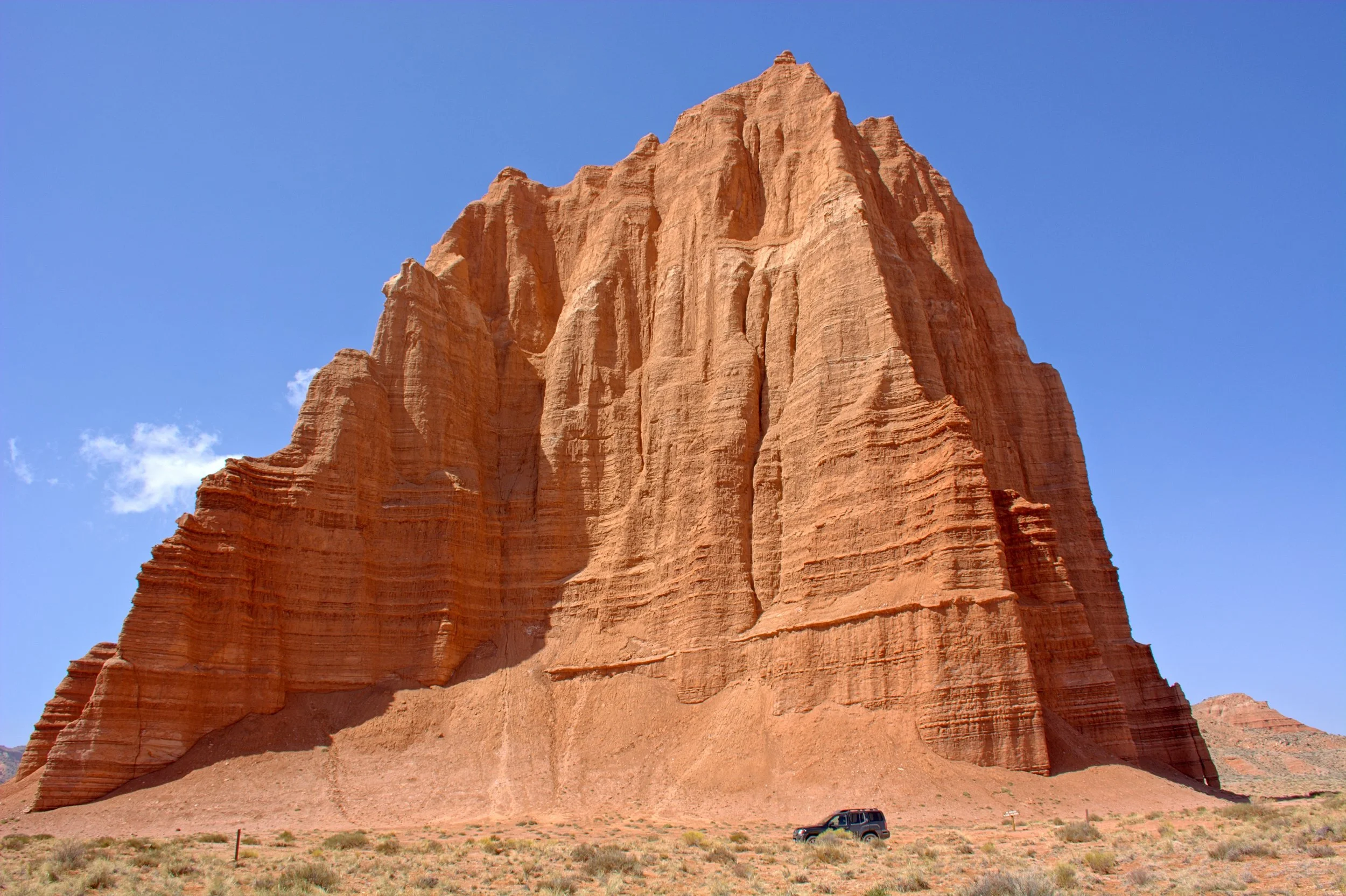
Capital Reef National Park preserves a geologic monocline or a “wrinkle on the earth.” The nearly 242,000-acre park is filled with cliffs, domes, arches and canyons. Since 1971 the National Park Service has been working to balance protection and recreation.
Like much of the area, spring and fall are the best seasons to visit. The park offers opportunities for hiking, biking, rock climbing, horseback riding and camping. For those less inclined to high adventure, much of the park can be seen from the road.
Pink Coral Sands State Park
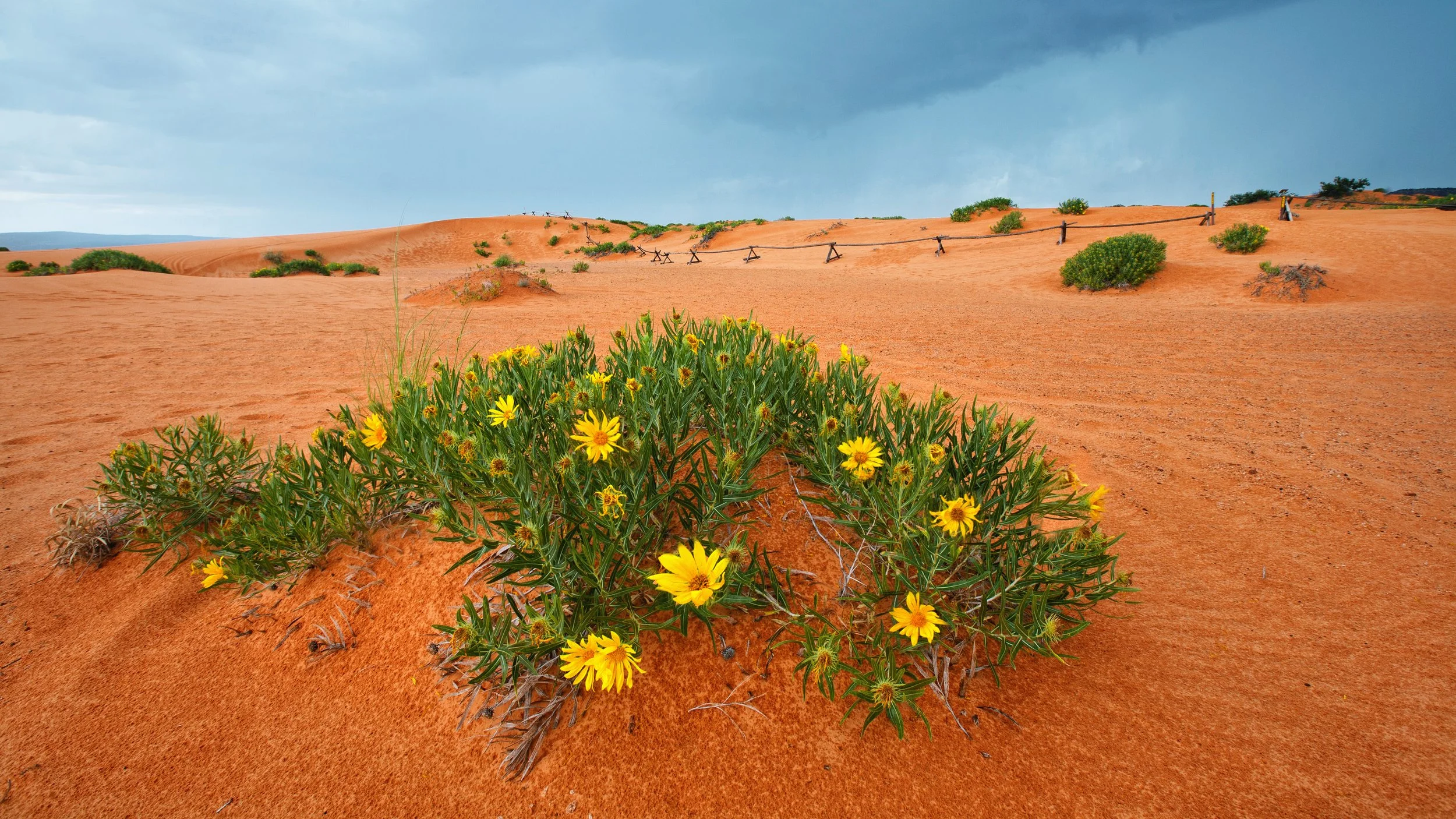
The unique geological formations at this state park include pink-hued sand dunes lin the shadow of red sandstone cliffs.
Red Cliffs National Conservation Area
The Red Cliffs area protects habit for high densities of the threatened Mojave Desert tortoise and other desert species. The small waterways inside the conservation area provide habitat for the threatened and endangered native fish. In addition to wildlife, the area preserves dinosaur tracks and trackways, bone beds, plant fossils and petrified wood. More than 130 miles of designated hiking, mountain biking and equestrian trails are available to visitors.
Vermillion Cliffs National Monument
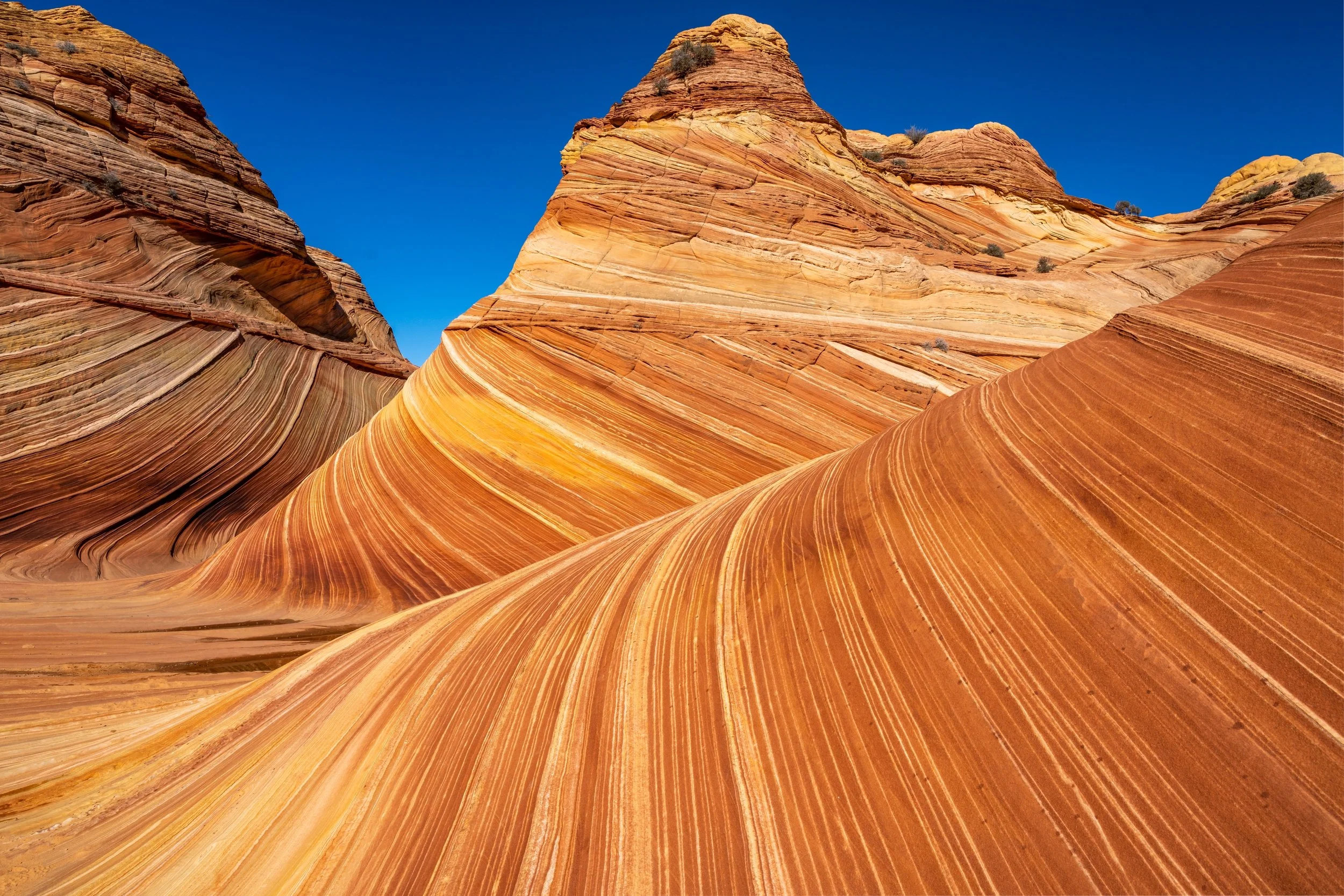
In 2000 this area was established as a national monument to protect one of the world’s most remote geological treasures. The monument’s landscape is comprised of steep cliffs, plateaus, buttes and canyons. It is populated by large mammals that include mountain lions, pronghorns and big horn sheep. Bald eagles, golden eagles, peregrine falcons and more than a dozen other raptors can be seen. Human habitation dates back more than 12,000 years and the remains of those civilizations can be found throughout the region.
The monument is administered by the Bureau of Land Management. Visitors will find two developed campgrounds and dispersed camping in authorized areas. There are also opportunities for hiking and backpacking.
Pipe Springs National Monument
The waters at what is now known as Pipe Spring National Monument made 1000 years of human habitation possible in this otherwise arid region of the American southwest. Native American cultures, early European settlers and later American pioneers raised crops and livestock in the area. In 1923 the Pipe Spring ranch was purchased and set aside as a national monument.
Pace yourself…
There is a lot to see and it is always easy to breeze through, check the box and move on. This part of Utah and Northern Arizona can easily support a long stay or multiple visits.