Cumberland Gap
This passage through the Appalachian Mountains was long used by Native Americans as the easiest route between present day Virginia, Kentucky and Tennessee. After the passage came to the attention of European Americans, it became a primary portal for westward expansion.
In 1715, Daniel Boone was hired to raise a company of men to widen the route to accommodate wagon traffic. Following the success of this effort, the passage became part of the Wilderness Road. Migrants flooded through the Virginia colony, crossing the gap and into the frontier that later became Tennessee and Kentucky.
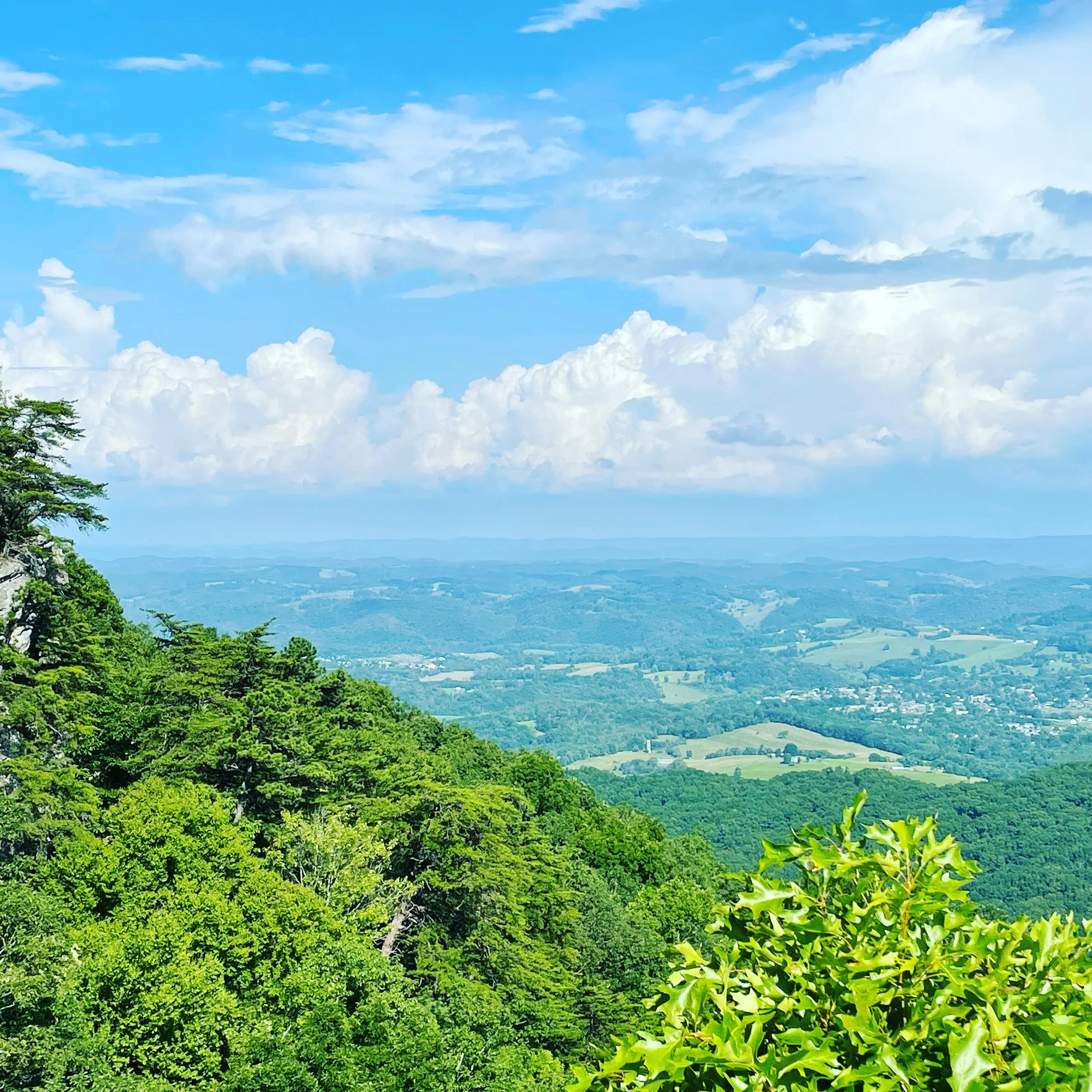
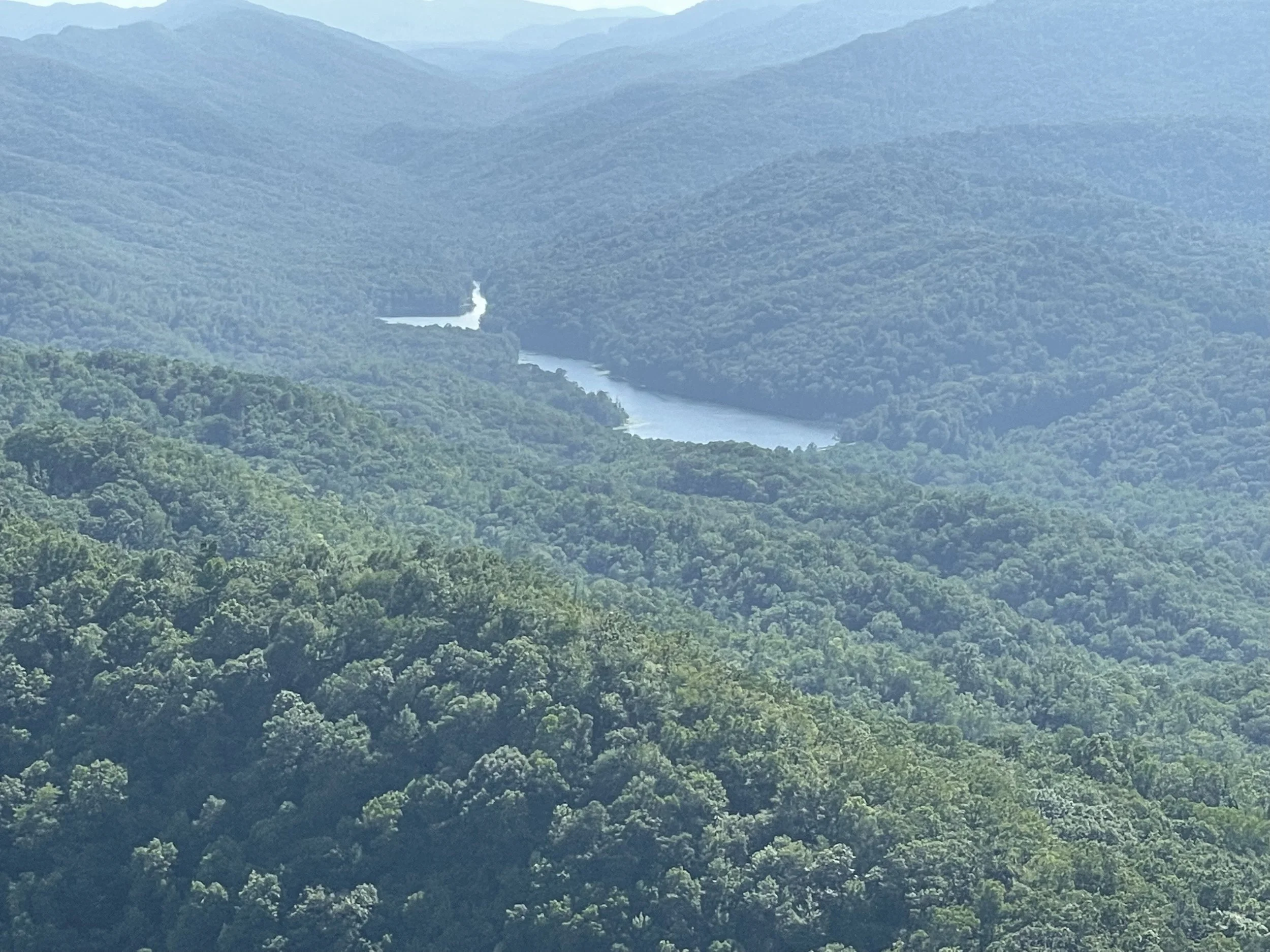
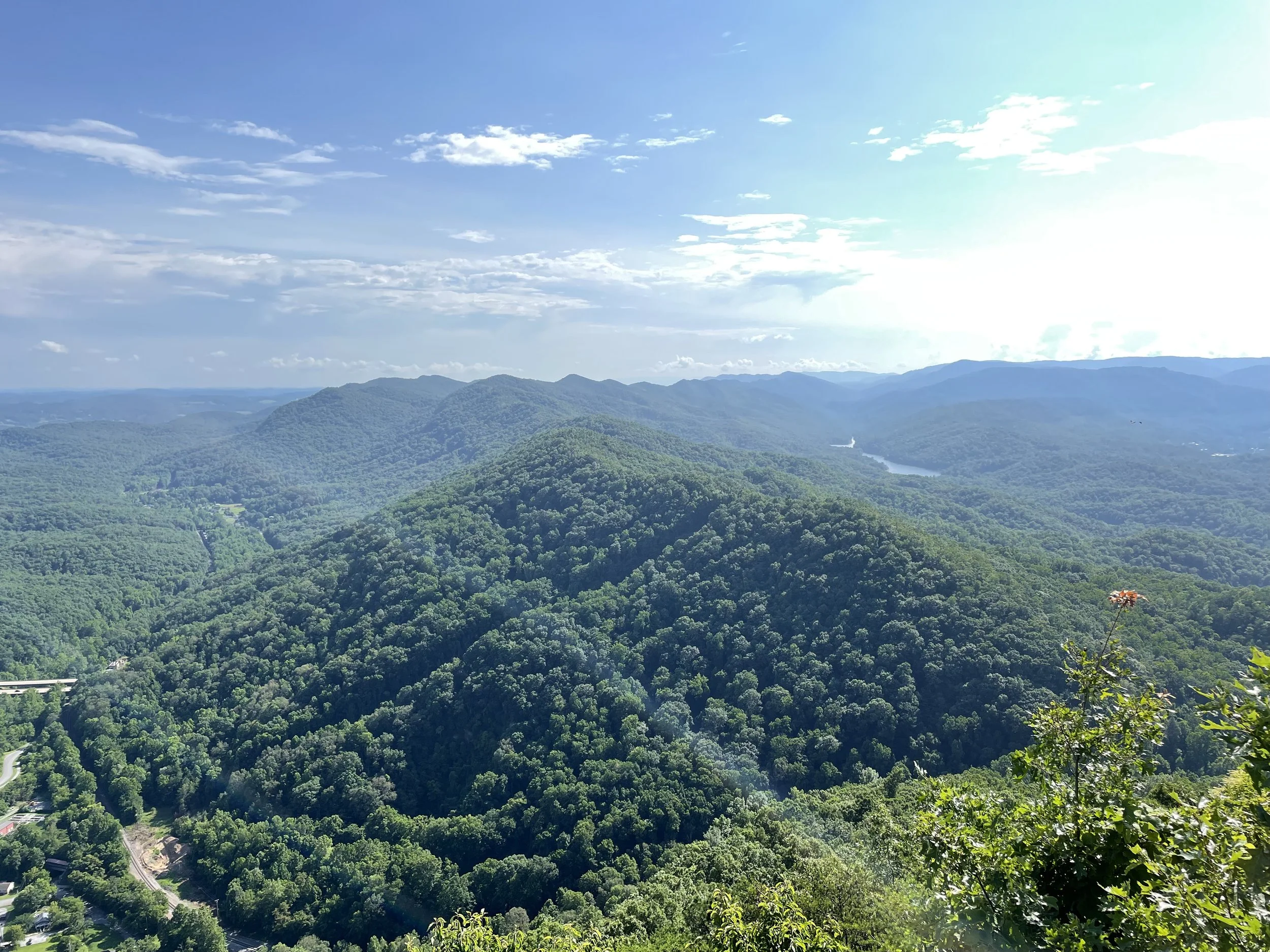
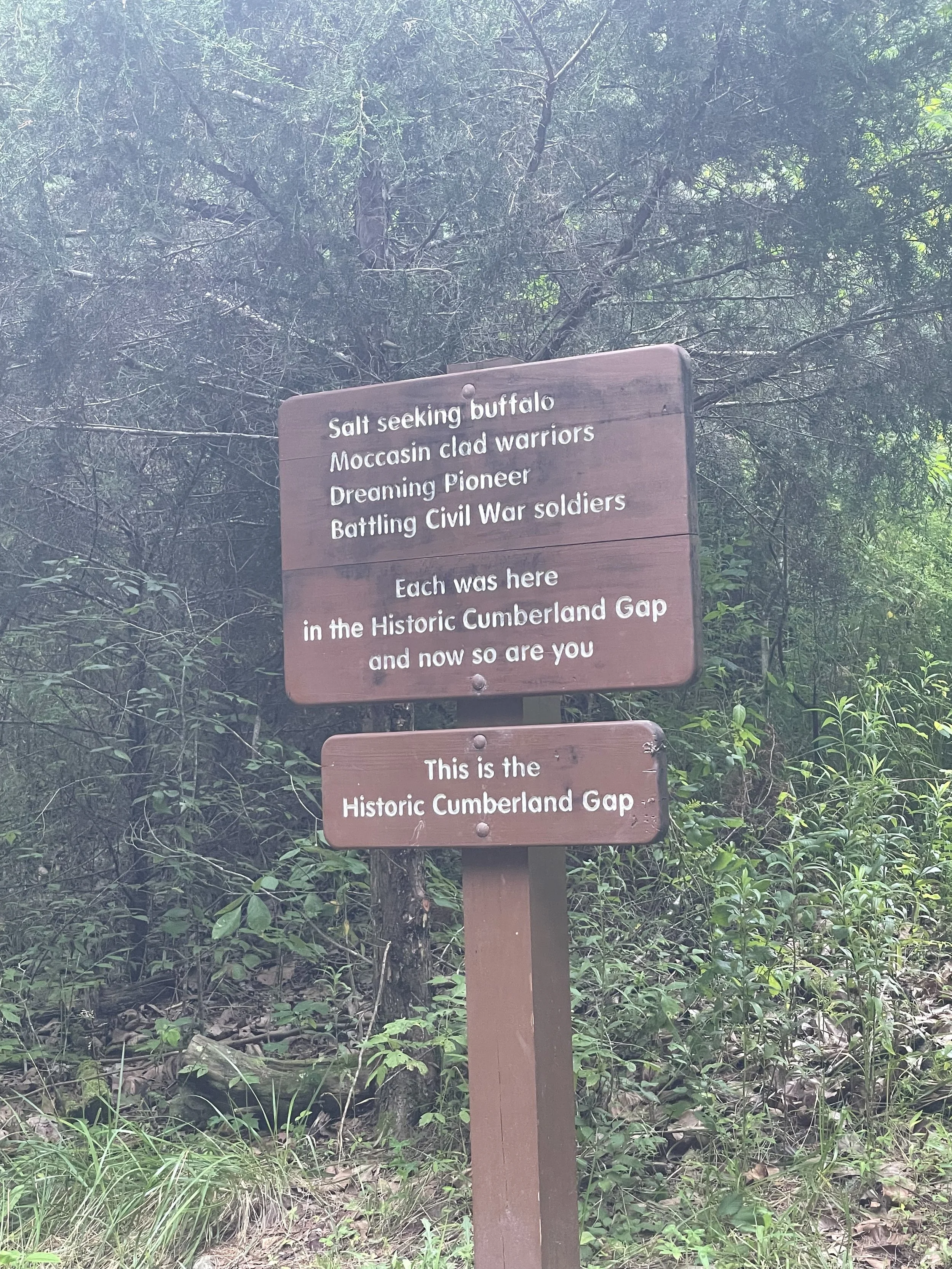
Cumberland Gap remains an important transportation corridor. It was an obvious objective during the American Civil War. Later, the gap became part of US Route 25. Then, in 1996, the Cumberland Gap Tunnel was completed expediting traffic through the pass.
Established in 1940, the Cumberland Gap National Historical Park preserves and interprets the history of a natural break in the Appalachian Mountains. Trail systems allow easy exploration of the old Wilderness Road and a variety of historic site, which include the exact geographic border of Kentucky, Tennessee and Virginia.