Rocks, Fossils and Craters
This section of Southern Idaho is a particularly rugged and geologically diverser region with a large number of high-payoff sites. Vast lava fields, mountain ranges with 10,000-plus foot peaks, fossil beds and historic sites are just a few of the things you can explore. Below you will find a partial list areas to be explored.
City of Rocks National Reserve
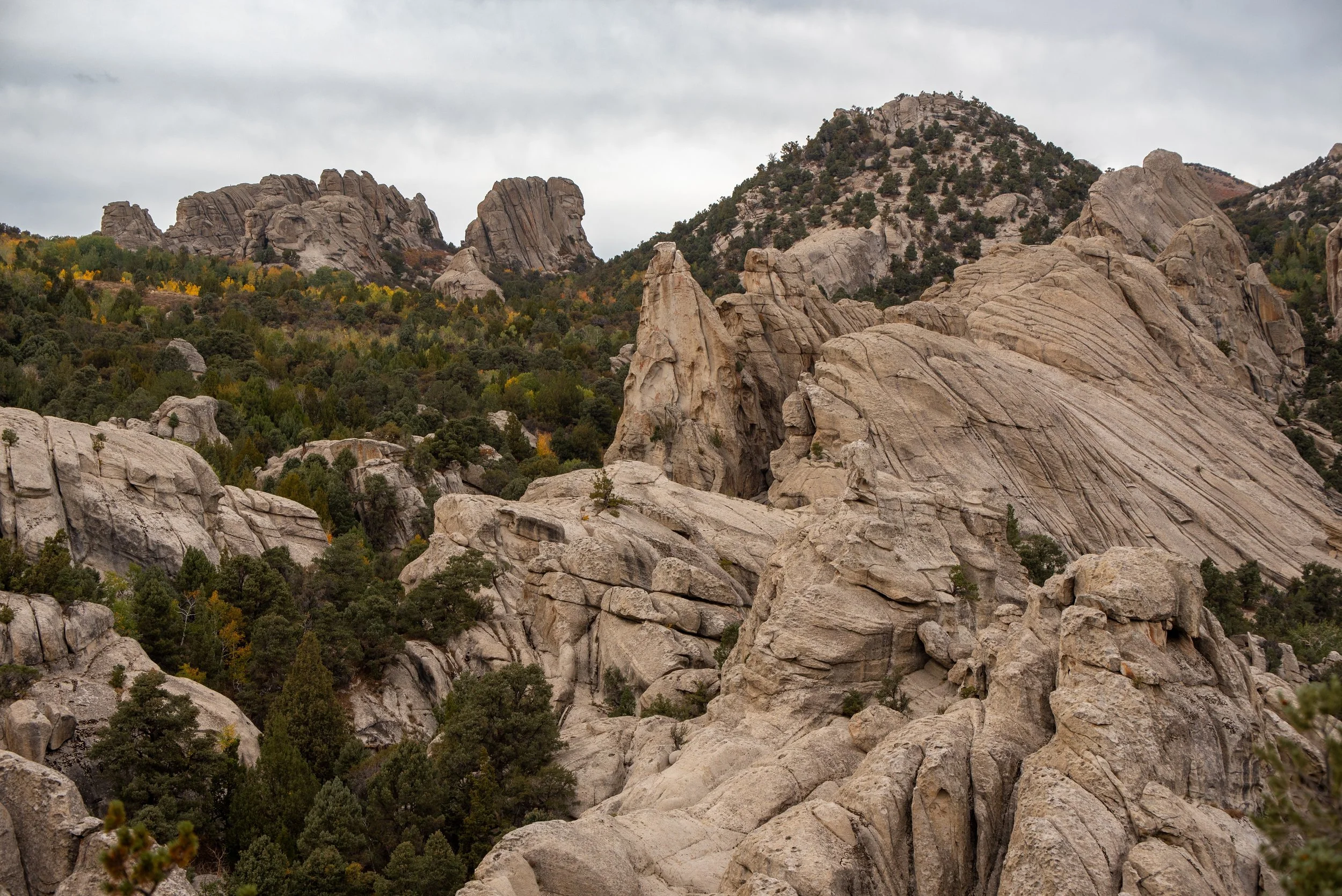
Historically City of Rocks sits astride the California trail, but this national reserve is better known for its large granite rock formations. This tract of became a unit of the National Park Service in 1988 and offers opportunities for hiking, rock climbing and camping.
Craters of the Moon National Monument and Preserve
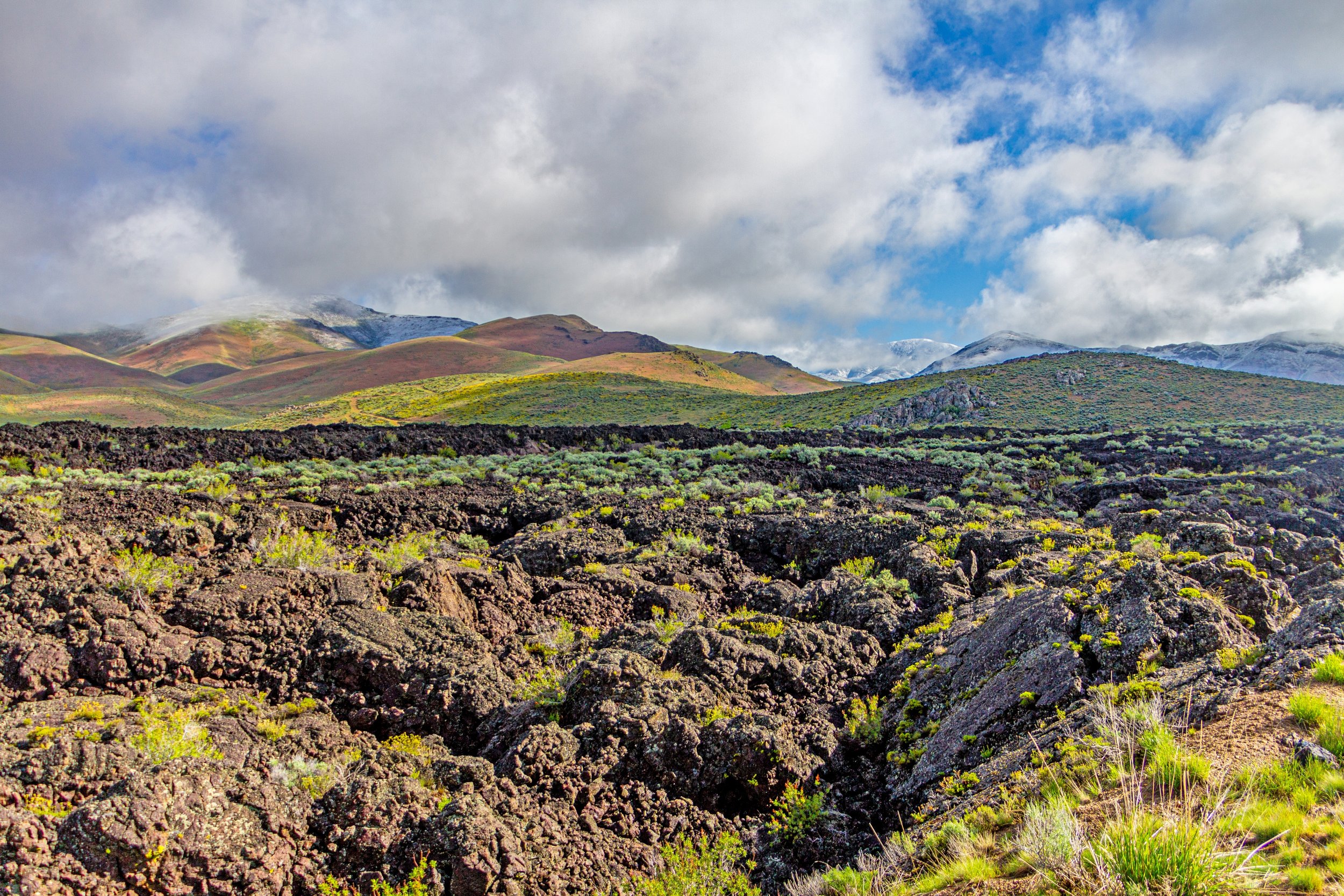
A vast region of lava flows and associated geological formations create an other-worldly experience at Craters of the Moon National Monument and Preserve. Established in 1924, the monument is administered by the National Park Service. The monument offers some recreational opportunities. Rugged hikes and caving are possible.
Sawtooth National Recreation Area
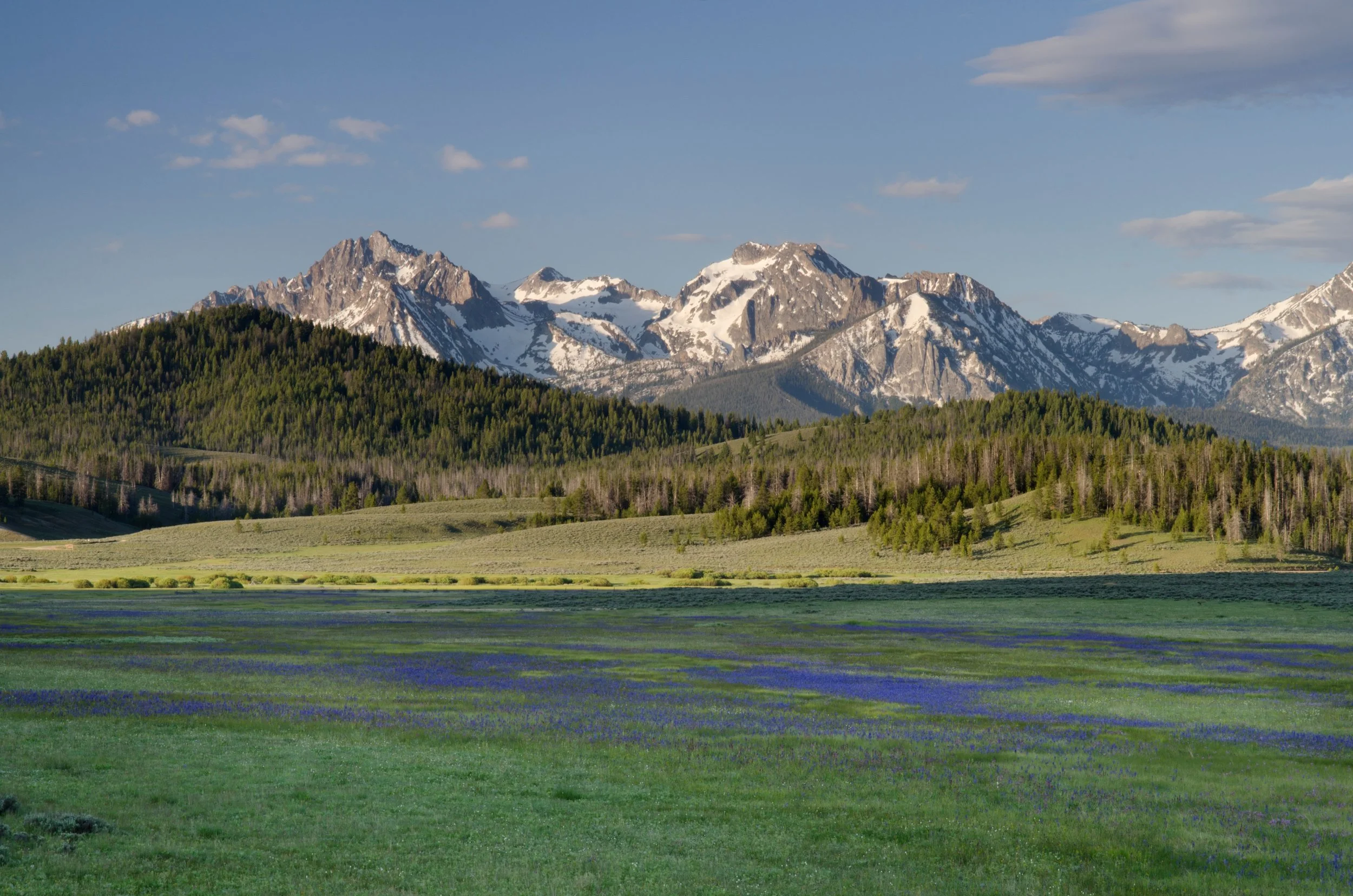
Sawtooth National Recreation Area is located in the Sawtooth National Forest and is administered by the U.S. Forest Department. It is in a mountainous setting with 40 peaks measuring 10,000 plus feet and over 700 miles of hiking trails. Camping, fishing backpacking and various forms of paddling are possible within the recreation area.
Hagerman Fossil Beds National Monument
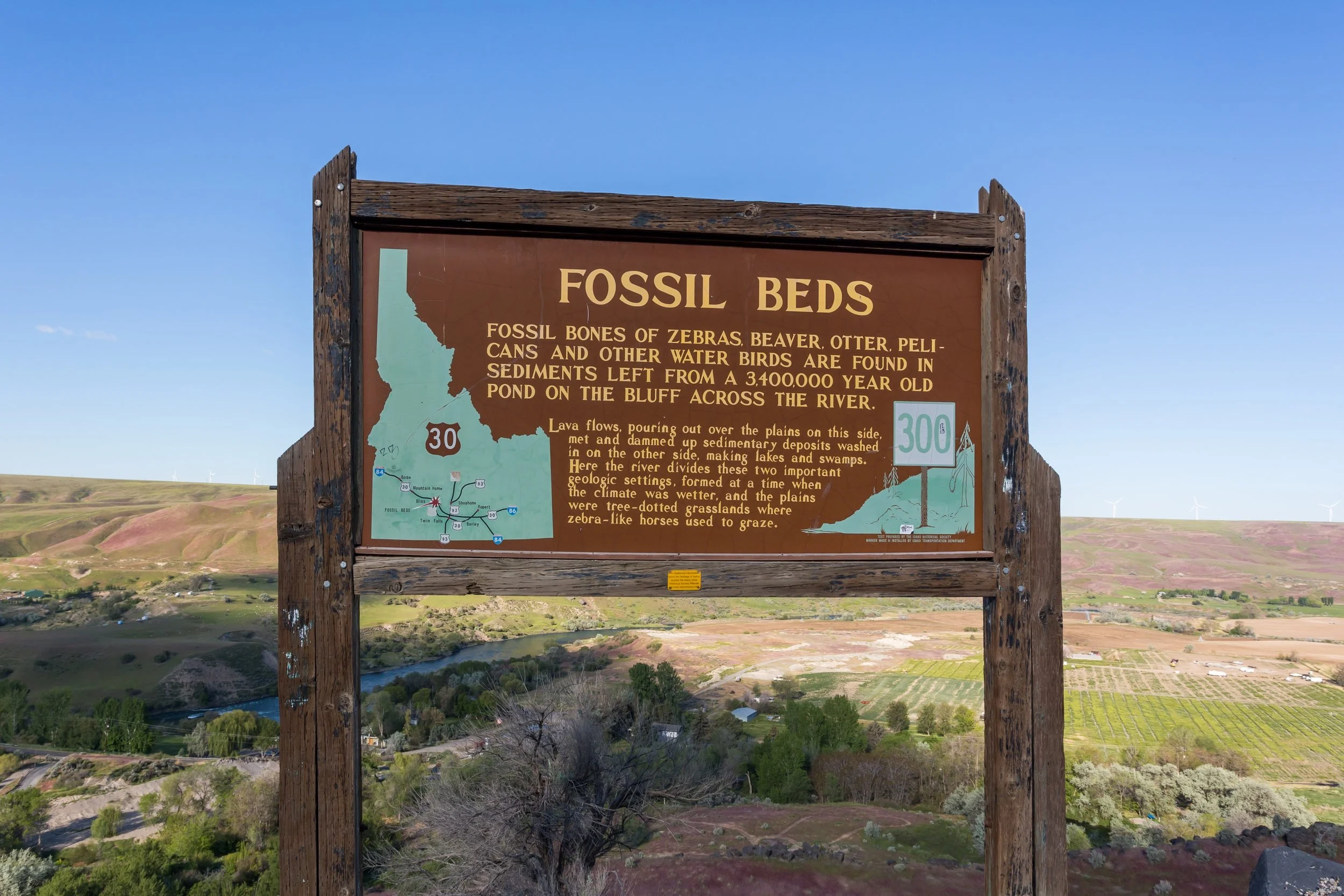
Hagerman Fossil Beds National Monument takes its name from the largest concentration of Hagerman horse fossils in North America. Numerous other large-mammal fossils are also found at the monument. These include an extinct genus of camel, mastodons, saber-toothed cats and large bone-crushing dogs.
The monument was authorized in 1988 and is managed by the National Park Service. Hagerman is open to the public daily from 9 to 5.
Minidoka National Historic Site
Authorized in 2001 and managed by the National Park Service, Minidoka National Historic Site preserves the remnants of a World War II Japanese internment camp. The camp operated between 1942 and 1945. The site is managed and interpreted by the National Park Service.