Mojave Desert
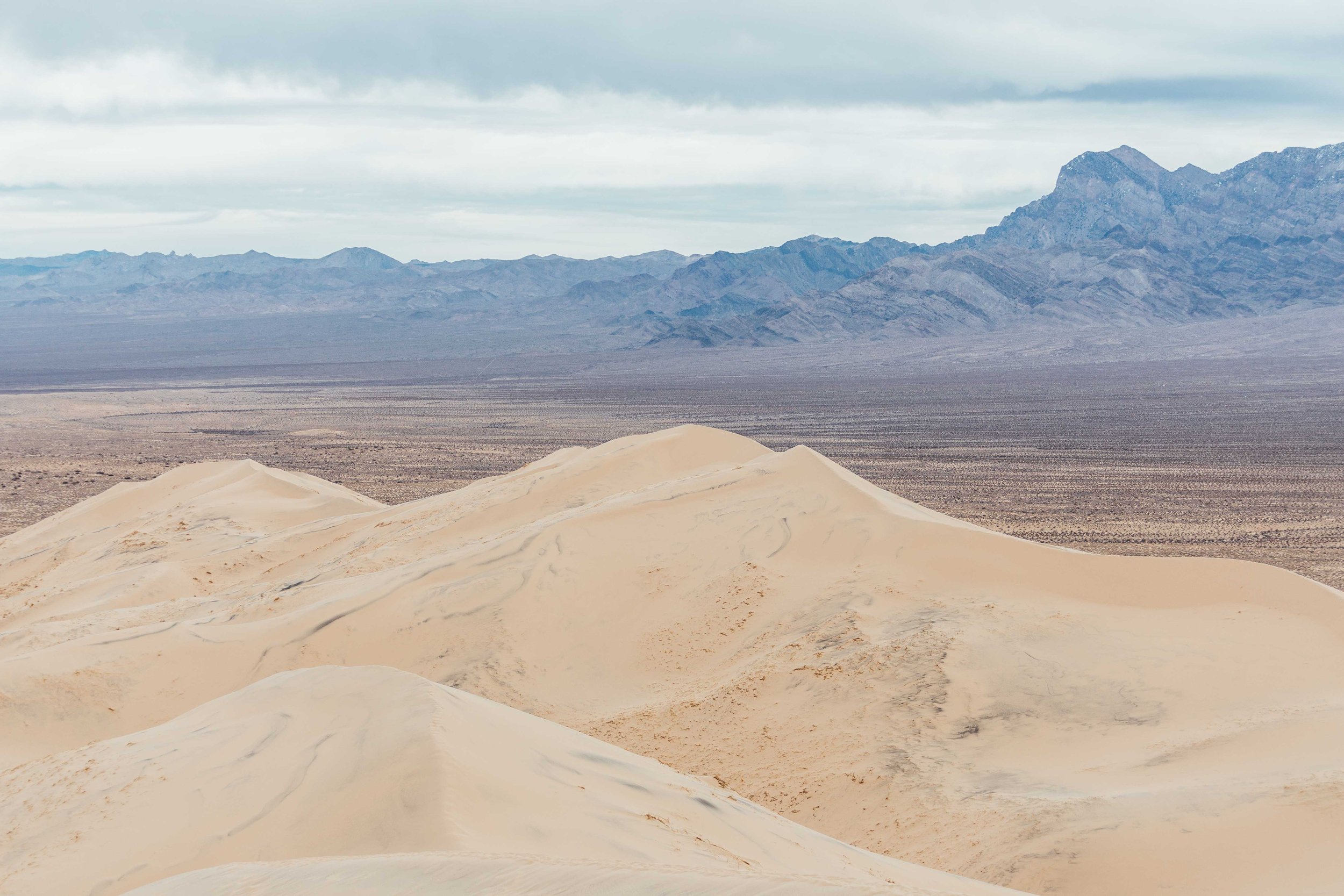
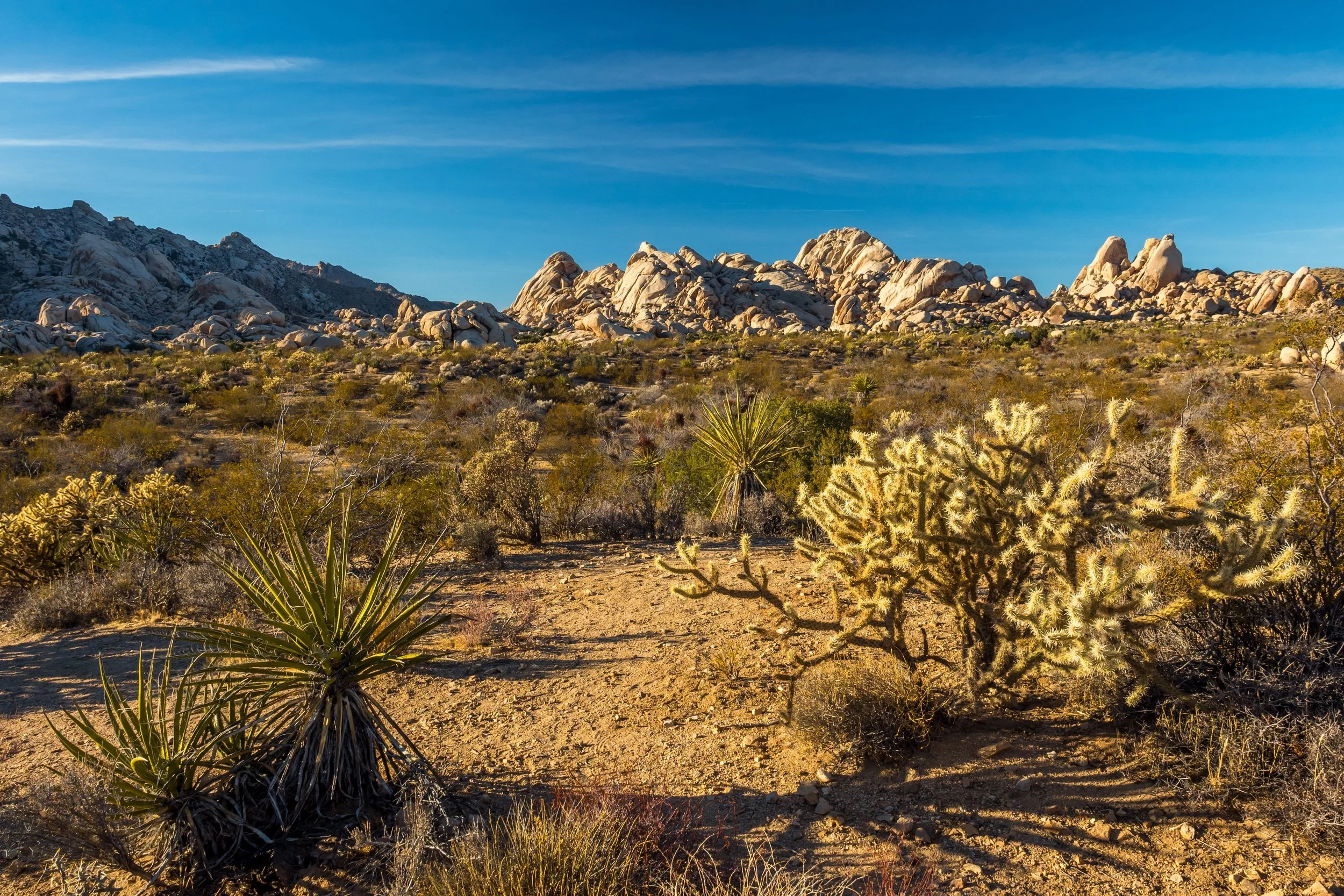
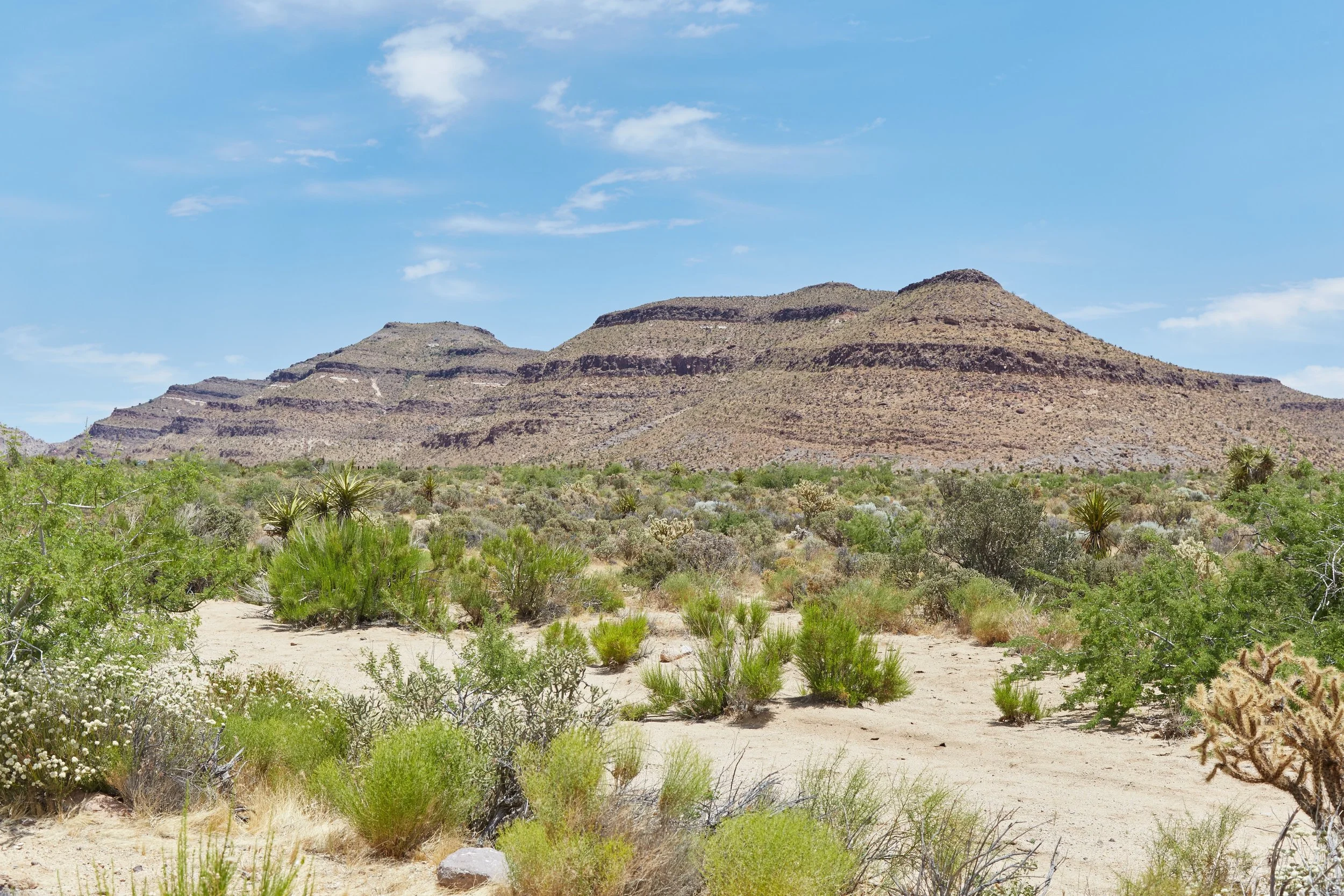
Just mentioning the Mojave Desert probably conjures images of vast arid spaces, possibly sand dunes, perhaps a desolate or even lifeless and rock strewn region. These tropes may be partly true or completely inaccurate. In any case, it is necessary to set aside such imbedded notions and take a closer look. The Mojave Desert is a place of incredible beauty.
Mojave National Preserve
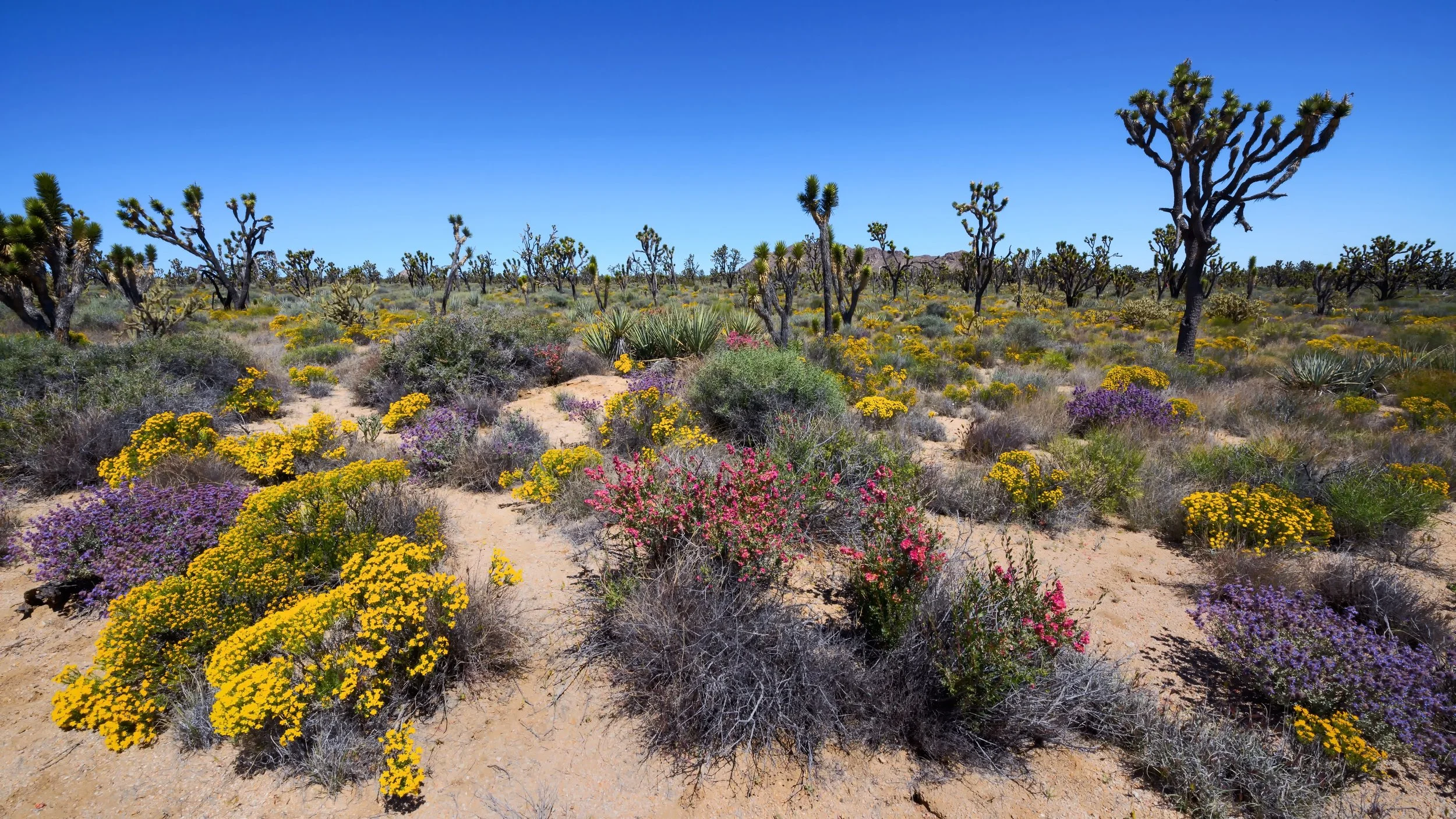
Located midway between LA and Las Vegas, the Mojave National Preserve is known for its cinder cone volcanoes, sand dunes and wild flowers. The area is also filled with historical remnants of various settlers. The preserve's more than 1.5 million acres are managed by the National Park Service and offers opportunities for hiking, camping, backpacking and 4 wheeling.
Castle Mountains National Monument
The Castle Mountains rest between the Nevada Border and the Mojave National Preserve. It is an area rich in desert grassland, stands of Joshua trees and cultural artifacts. In an effort to preserve these resources, Castle Mountain National Monument was created in 2016 and is managed by the National Park Service.
Sloan Canyon National Conservation Area
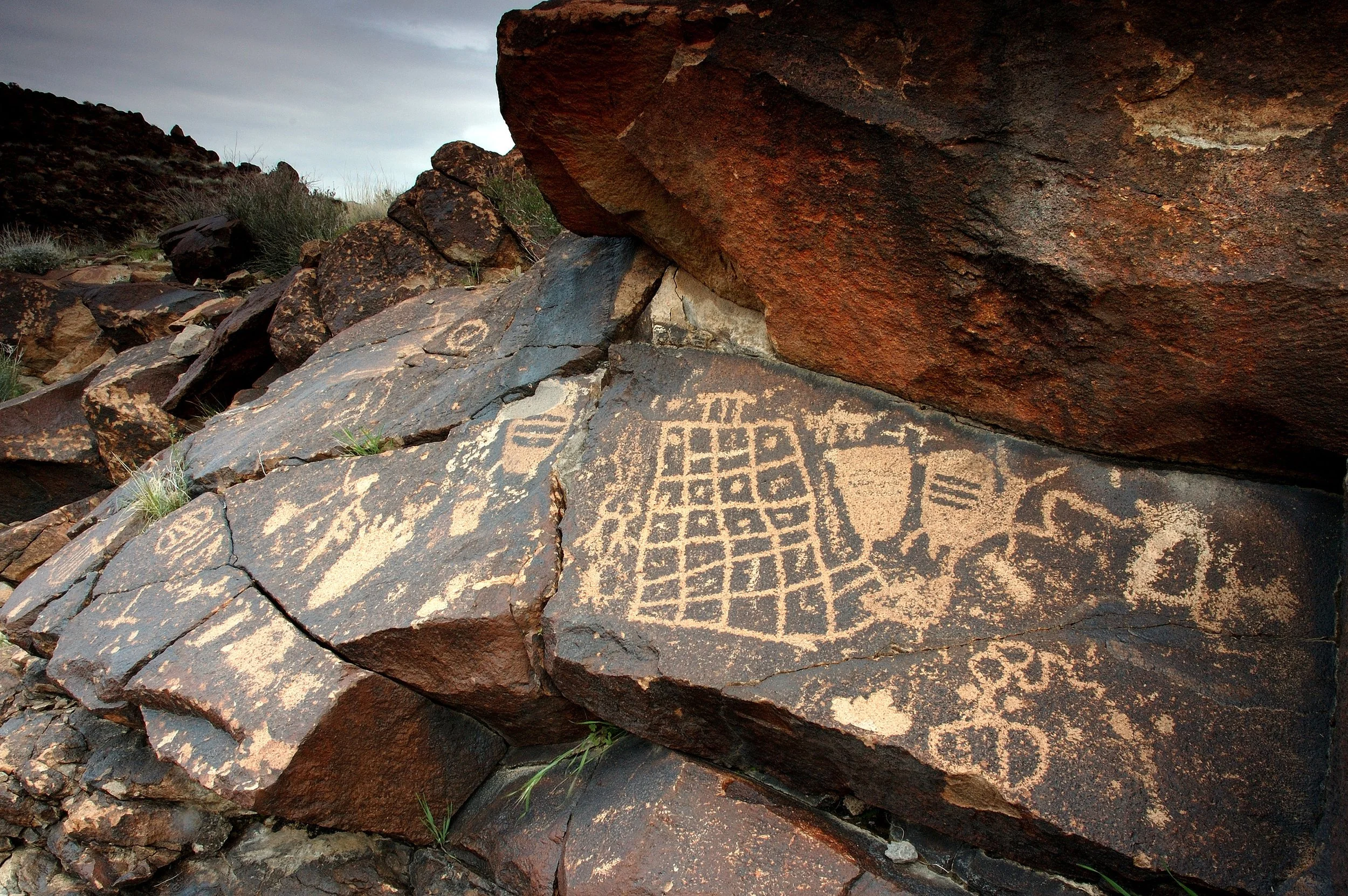
This conservation area preserves a portion of the Mojave Desert. Some its unique features are the Sloan Canyon Petroglyphs as well as lava flows, ash falls, and glassy zones in the North McCullough Wilderness.
Spring Mountains National Recreation Area
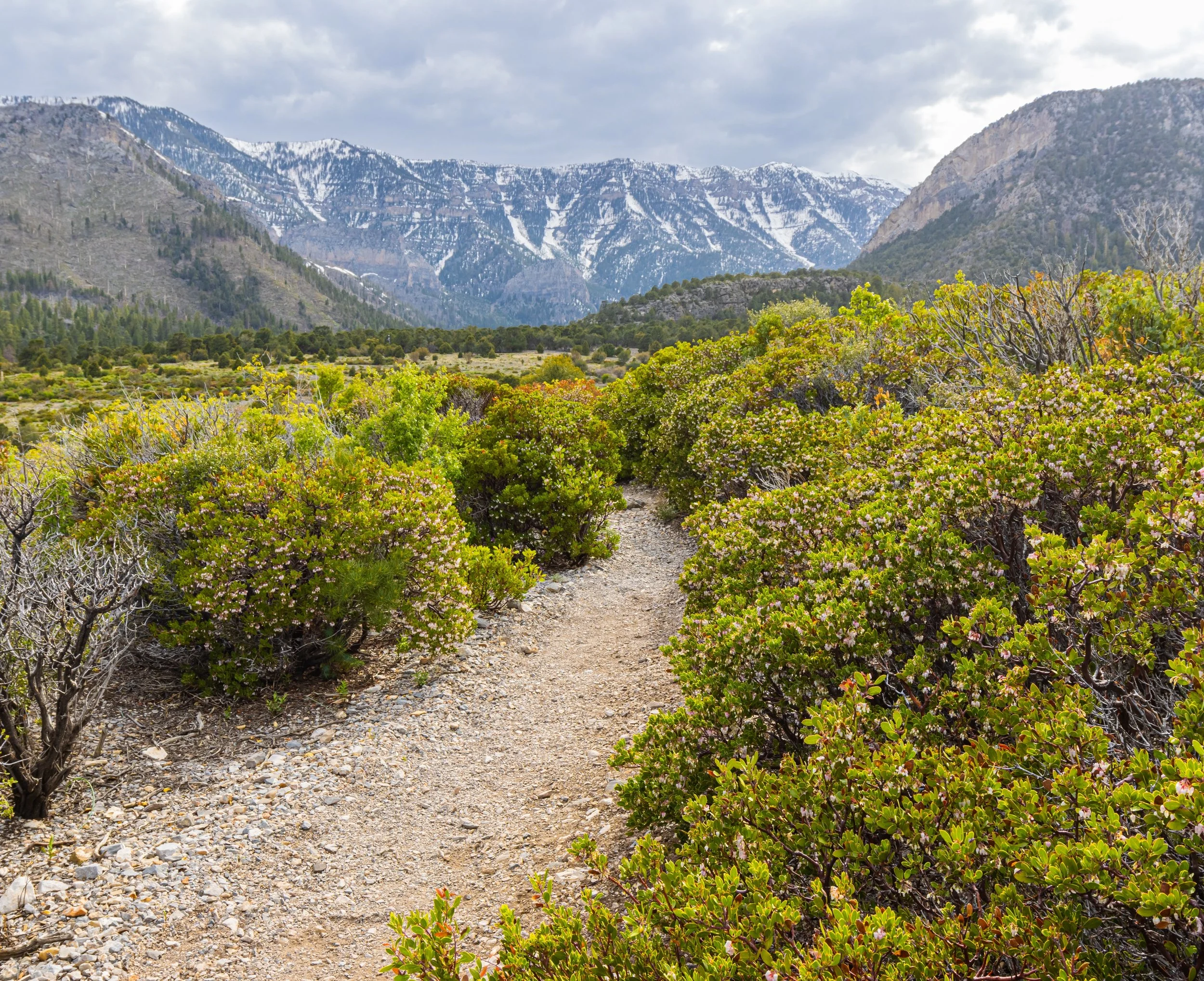
Spring Mountains National Recreation Area is made up of portions of the Humboldt-Toiyabe National Forest and is administered by the U.S. Forest Service. It is an area of snowcapped mountains and desert with a large variety of plant and animal life found nowhere else in the world. Camping is available throughout the recreation area. Other popular activities include hiking, backpacking, mountain biking and winter sports.
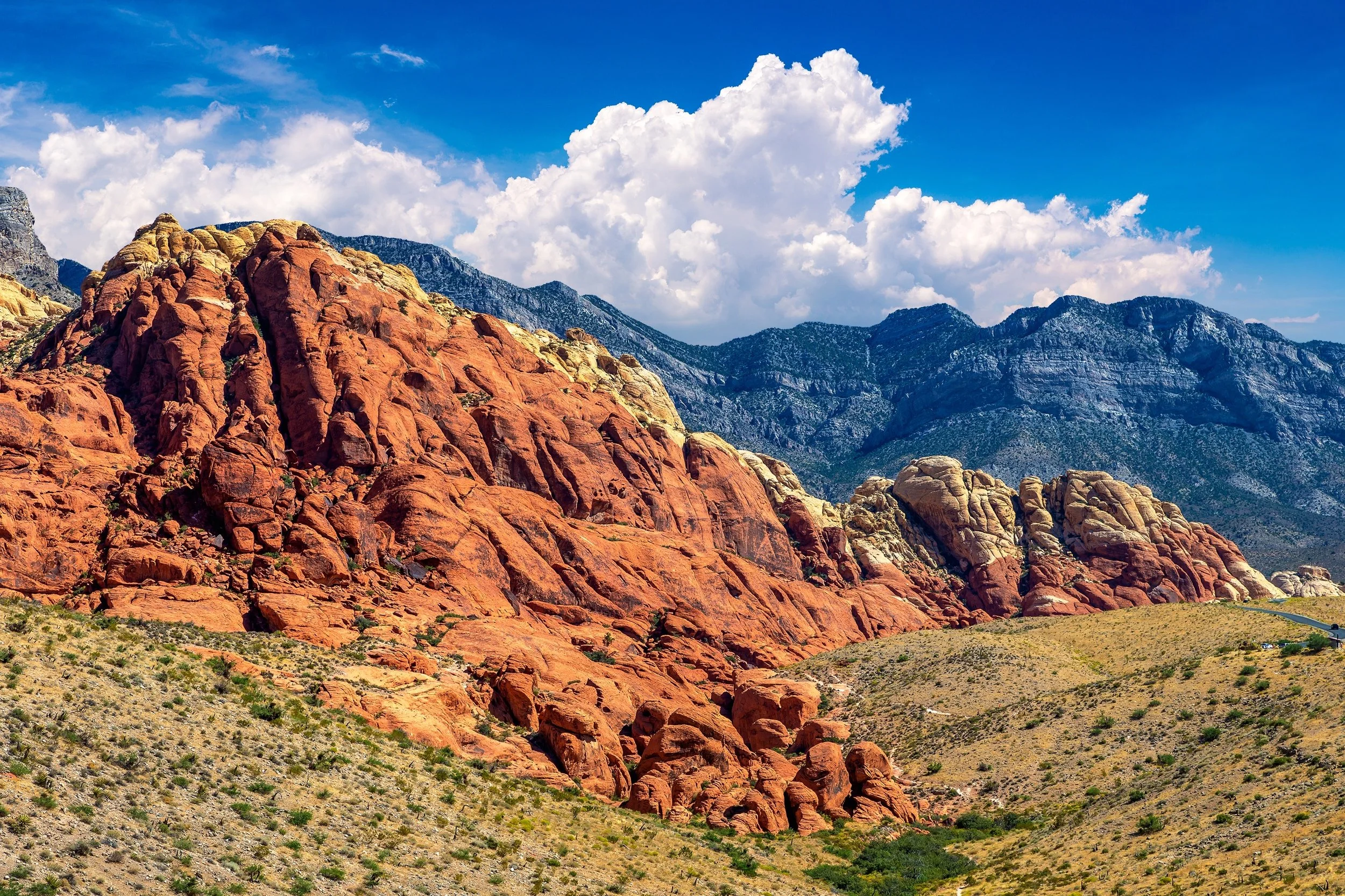
Red Rock Canyon National Conservation Area
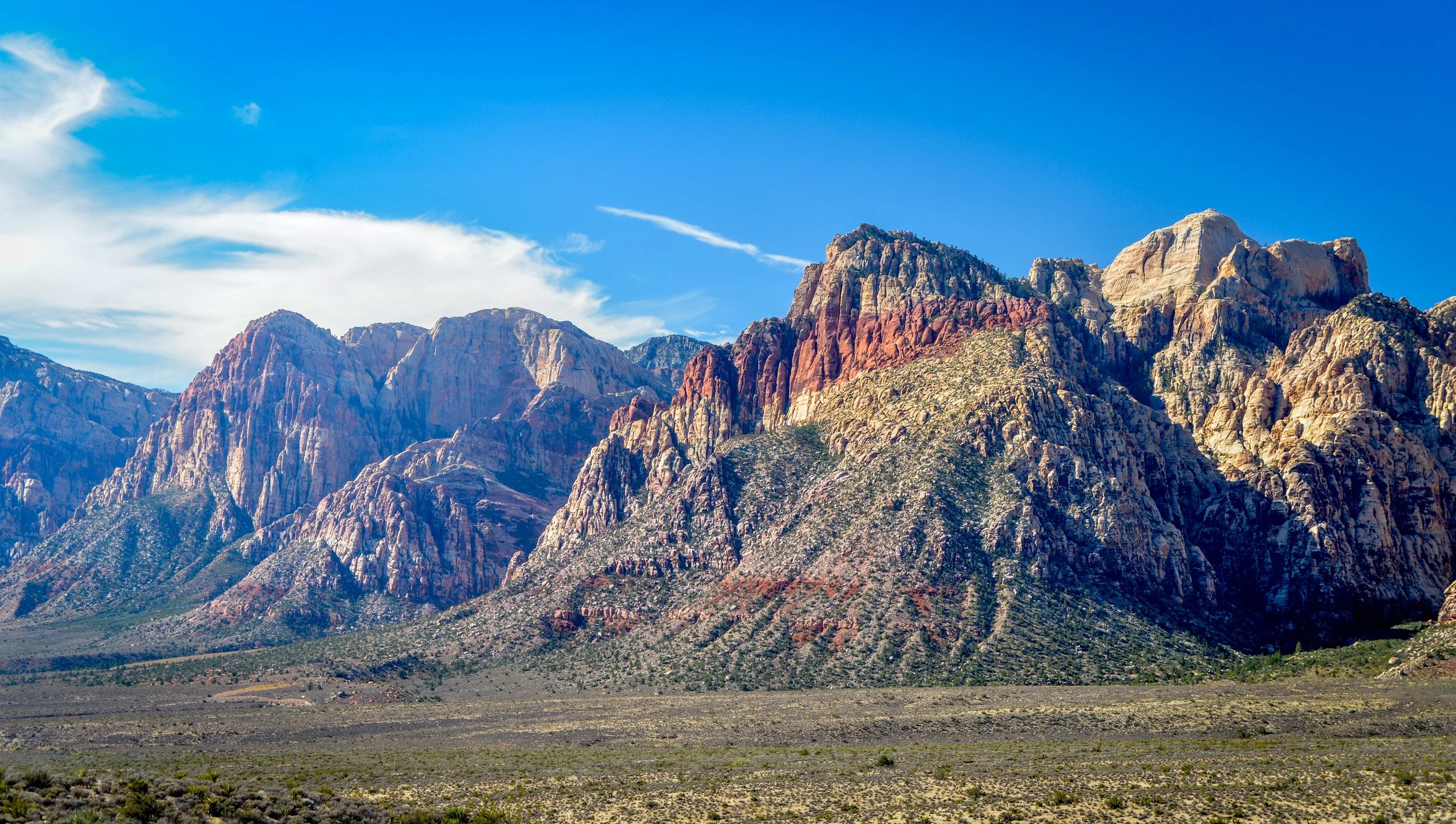
The conservation area preserves an area noted for its sandstone peaks and red-rock formations with walls that rise 3000 feet. Numerous recreational opportunities include scenic drives, hiking, mountain biking, road biking and horseback riding.

Tule Springs Fossil Beds National Monument
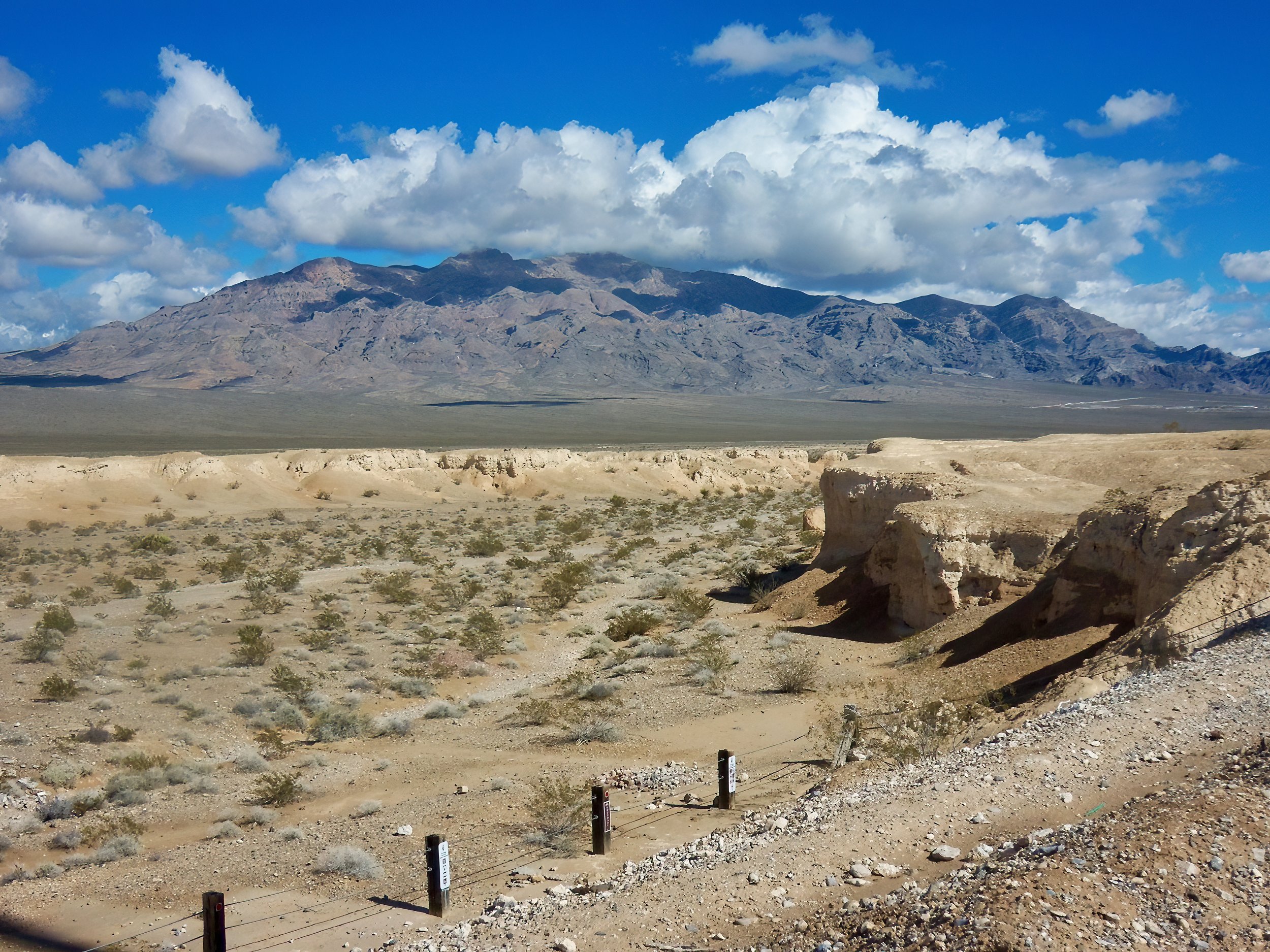
During the Ice Age, a variety of now-extinct creatures roamed the area now known as Nevada. Remnants of those animals are preserved at Tule Springs Fossil Beds National Monument. Managed by the National Park Service, visitors can see fossils of mammoths, camels and lions among other large land mammals.
Las Vegas Strip

If you are in the area, this 4.2 mile drive passes through the heart of Las Vegas and takes visitors past some of the world's most famous casinos. It is perhaps the most iconic byway in the United States.