Central Baja
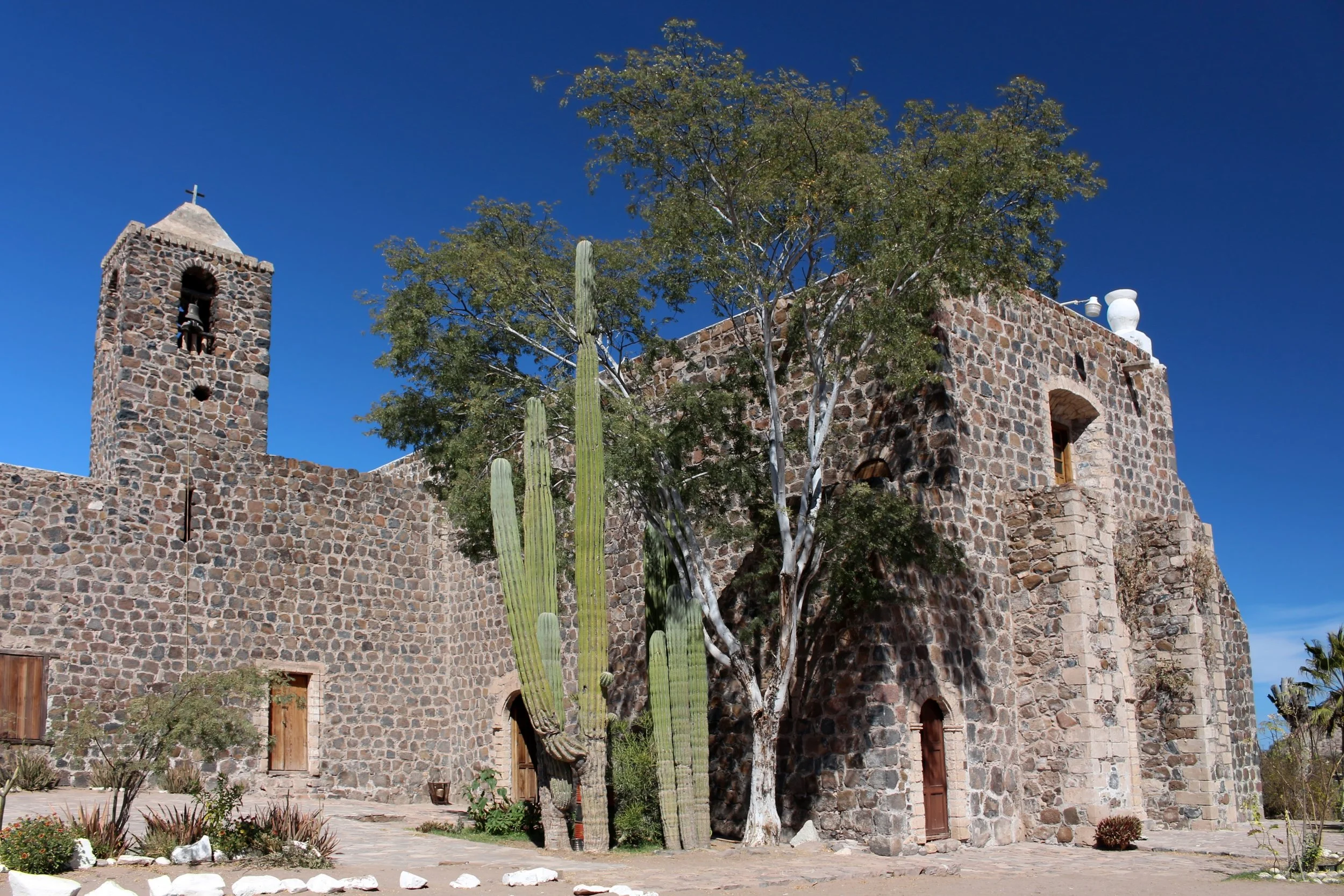
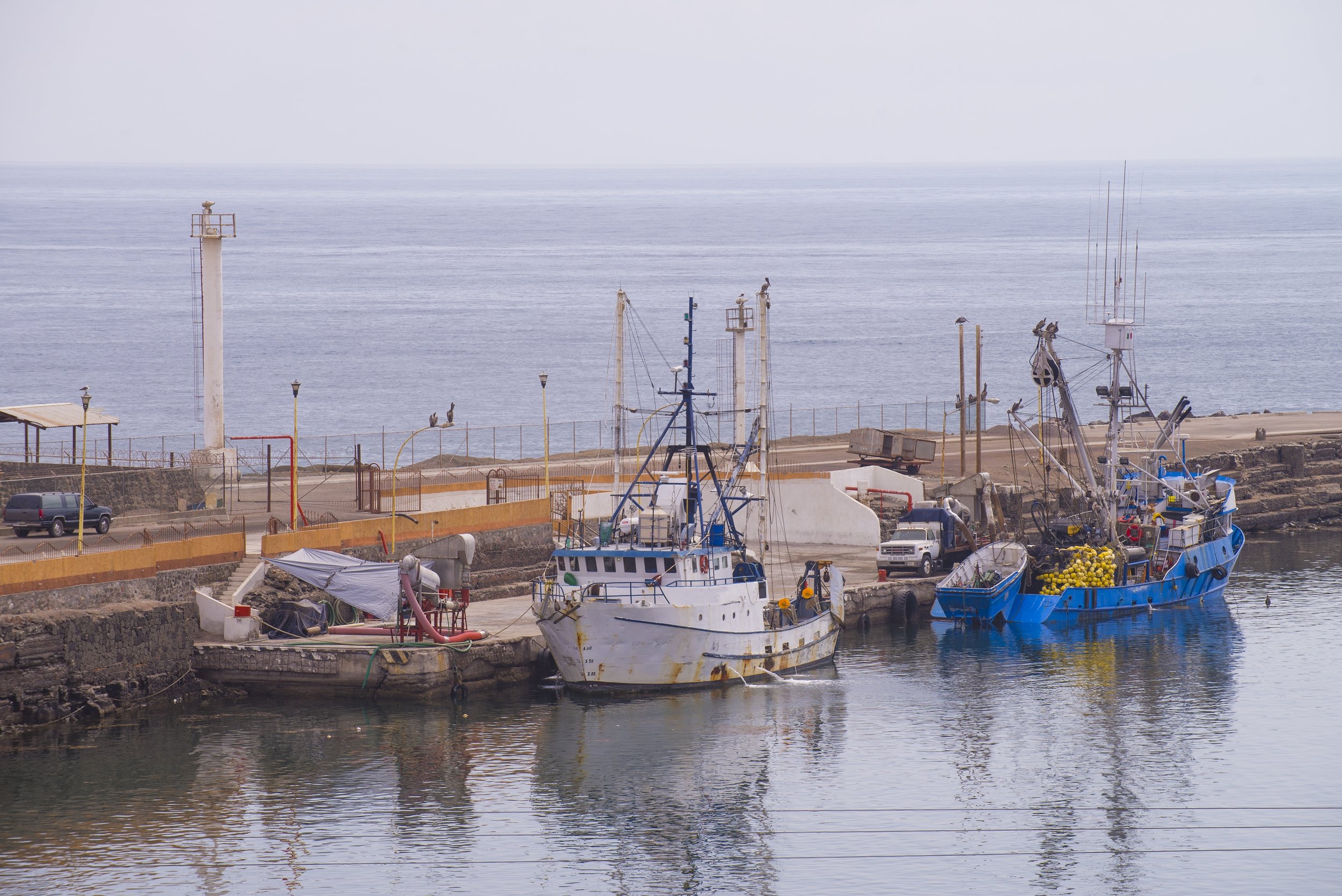
This central section of the Baja Peninsula is far less populated than the northern or southern thirds, but it has much to offer. Unspoiled coastline, mountainous interior, national parks, UNESCO designated rock paintings, beaches and small towns are just part of the appeal. Here are some of the major points of interest:
San Lorenzo Marine Archipelago National Park
This series of islands in the Gulf of California was set aside in 2005 to protect its rich and endangered biodiversity. It is considered one of the most important ecosystems in the gulf.
Rock Paintings of the Sierra de San Francisco (UNESCO)
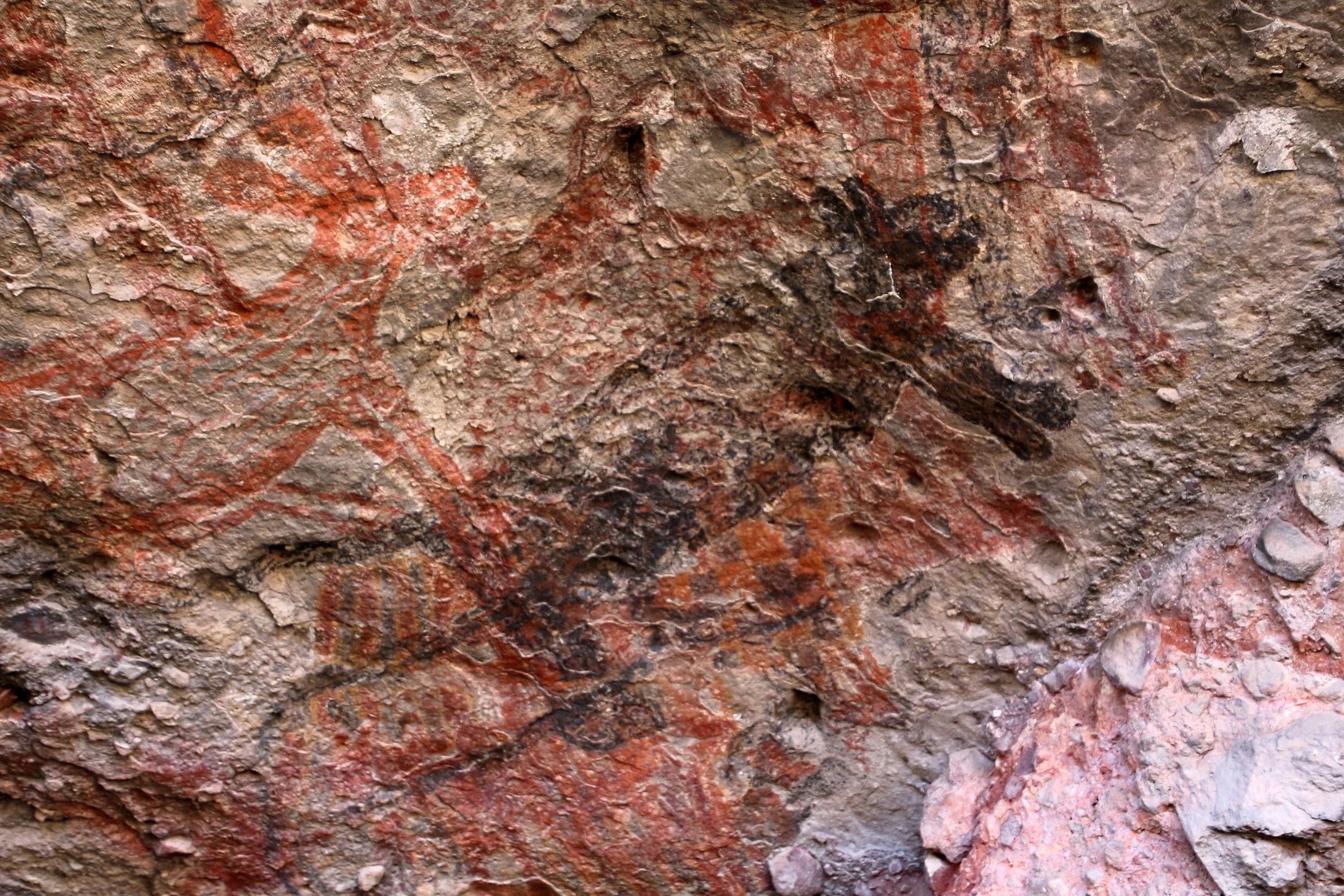
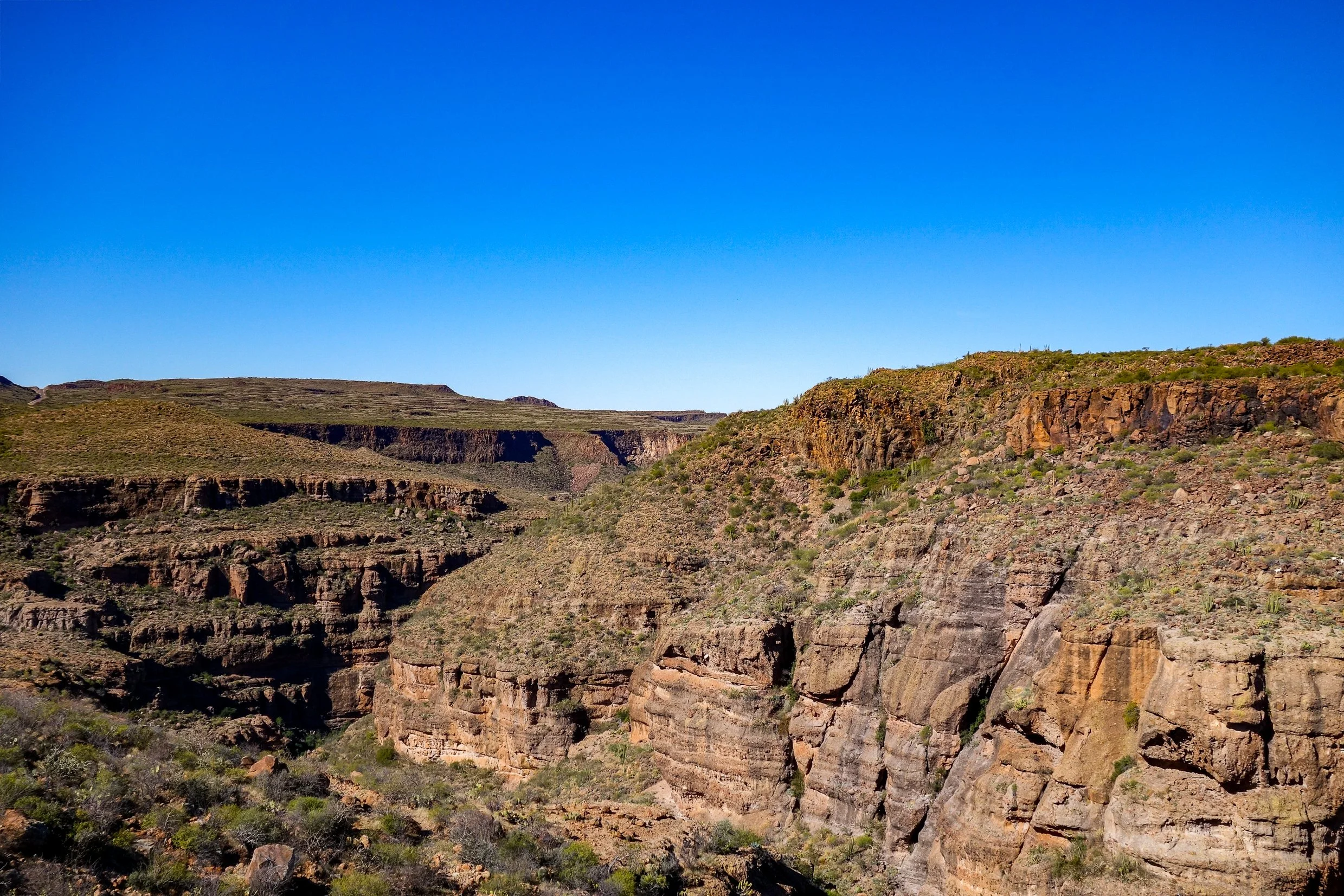
Located in a area of steep canyons, this site was set aside to preserve a rich collection of pictographs attributed to the Cochimi people. The Cochimi became culturally extinct in the 19th century, but they are well documented by Jesuit missionaries. This preserve was recognized as a UNESCO World Heritage Site in 1993.
El Vizcaíno Biosphere Reserve
El Vizcaíno is Mexico's largest wildlife refuge comprised of more than 96,000 square miles of protected coastline and inland plains. This fragile ecosystem was set aside to protect flora and fauna that have adapted to the region's harsh conditions. The reserve was designated a UNESCO World Heritage Site in 1993.
Bahía de Loreto National Park
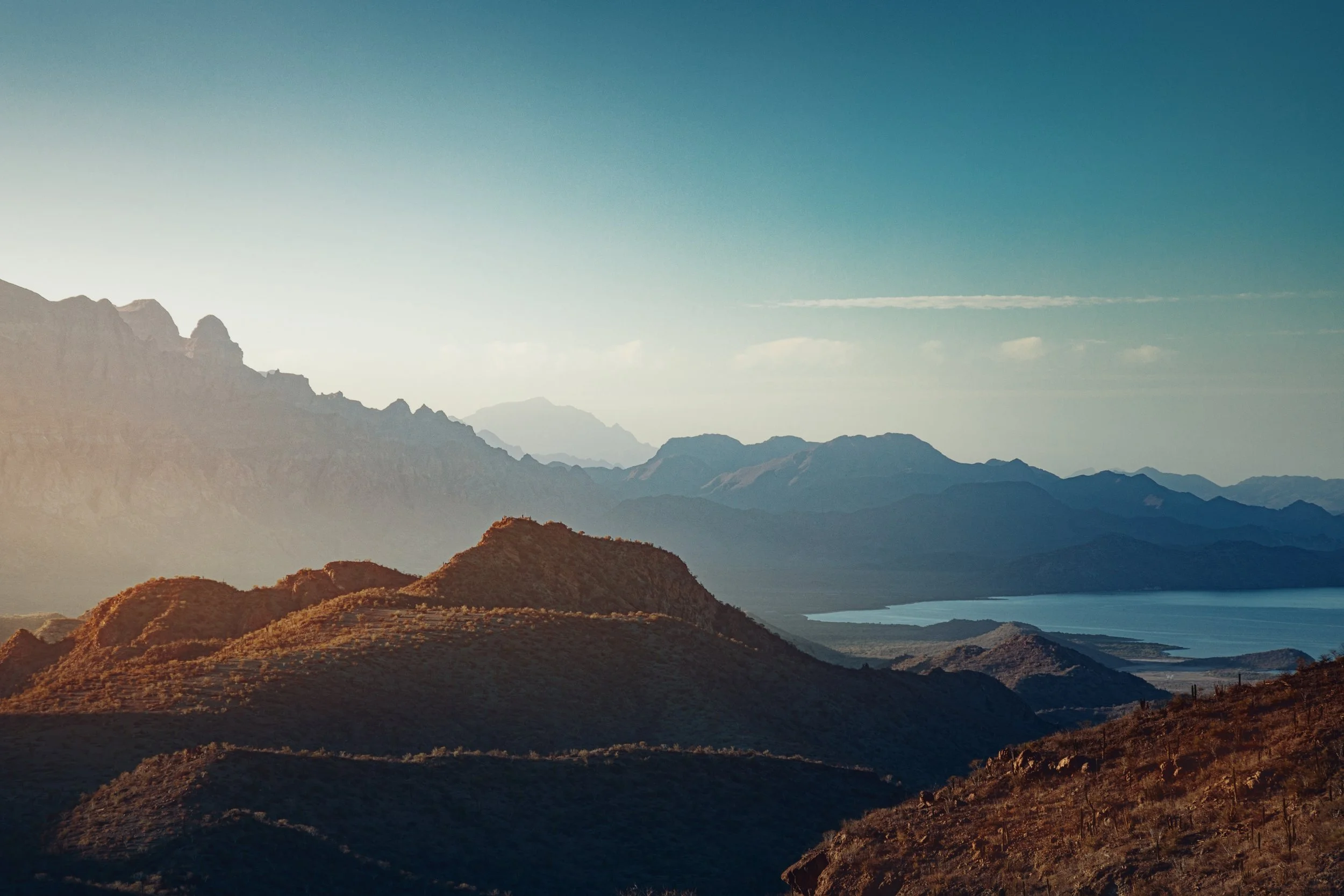
This national park was established to protect over 2000 square kilometers of marine ecosystem in the Sea of Cortez. Nearly 90 percent of the park is ocean and the islands are primarily uninhabited. The site received its national park status in 1996 and is administered by the Natural Commission of Protected Natural Areas.
Santa Rosalia
The old mining town of Santa Rosalia is one of the major urban centers in the center of this section of Baja. It is rich in cultural artifacts that include museums and remnants of the old mines. The coast and much of the local architecture will also be of interest.