Redwoods and Coastline
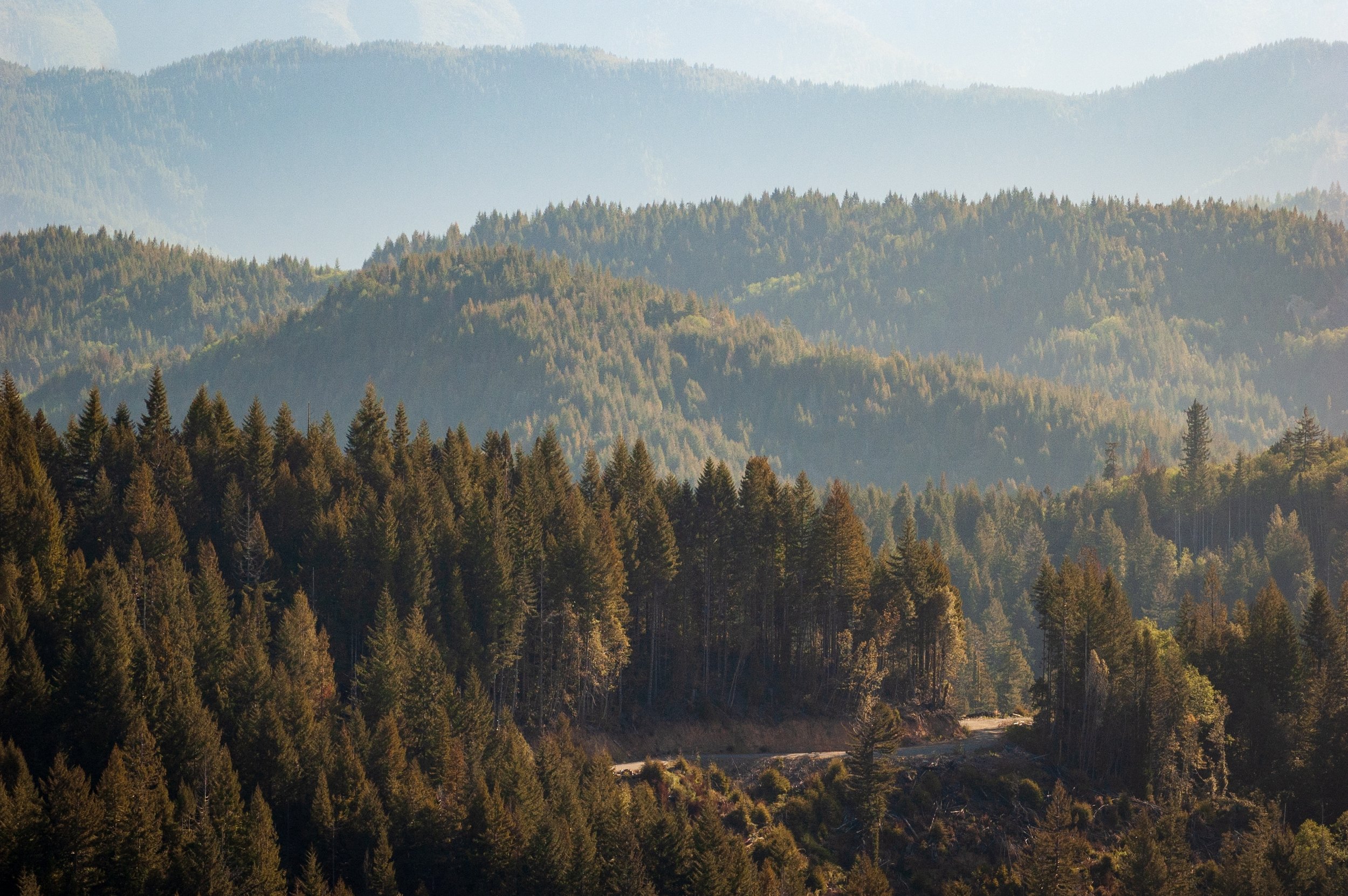
This section of coastline in Northern California is a balanced combination of developed and protected lands. The remaining stands of redwoods are preserved by the state and federal governments. Beaches, wild rivers, steeply forested coastline and vast wilderness share the coast with cities and towns like Kalamath, Crescent City and Eureka. Visitors can expect to discover local history, spectacular views and unspoiled backcountry.
Here are just a few of the highlights…
Redwood National and State Parks
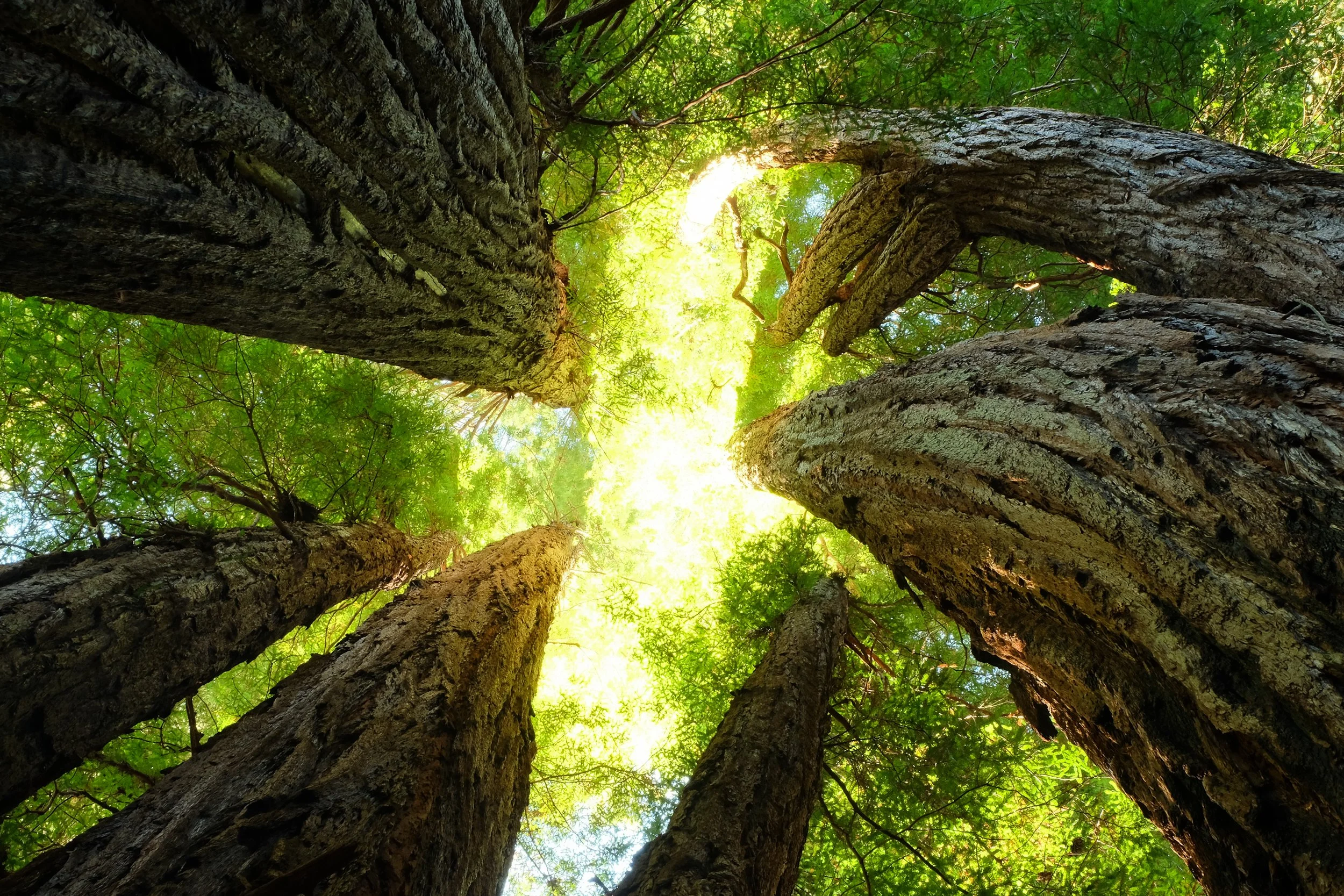
A collection of state and national parks is cobbled together totaling the almost 40,000 acres that form the collective Redwood National and State Parks. They are coordinated and organized to protect the remaining old-growth redwood forests along California’s northern coast. More than just forest, there are ecosystems that depend on the redwoods. By the time the parks were established in 1968, ninety percent of the old redwood had already been harvested despite decades of effort to save them.
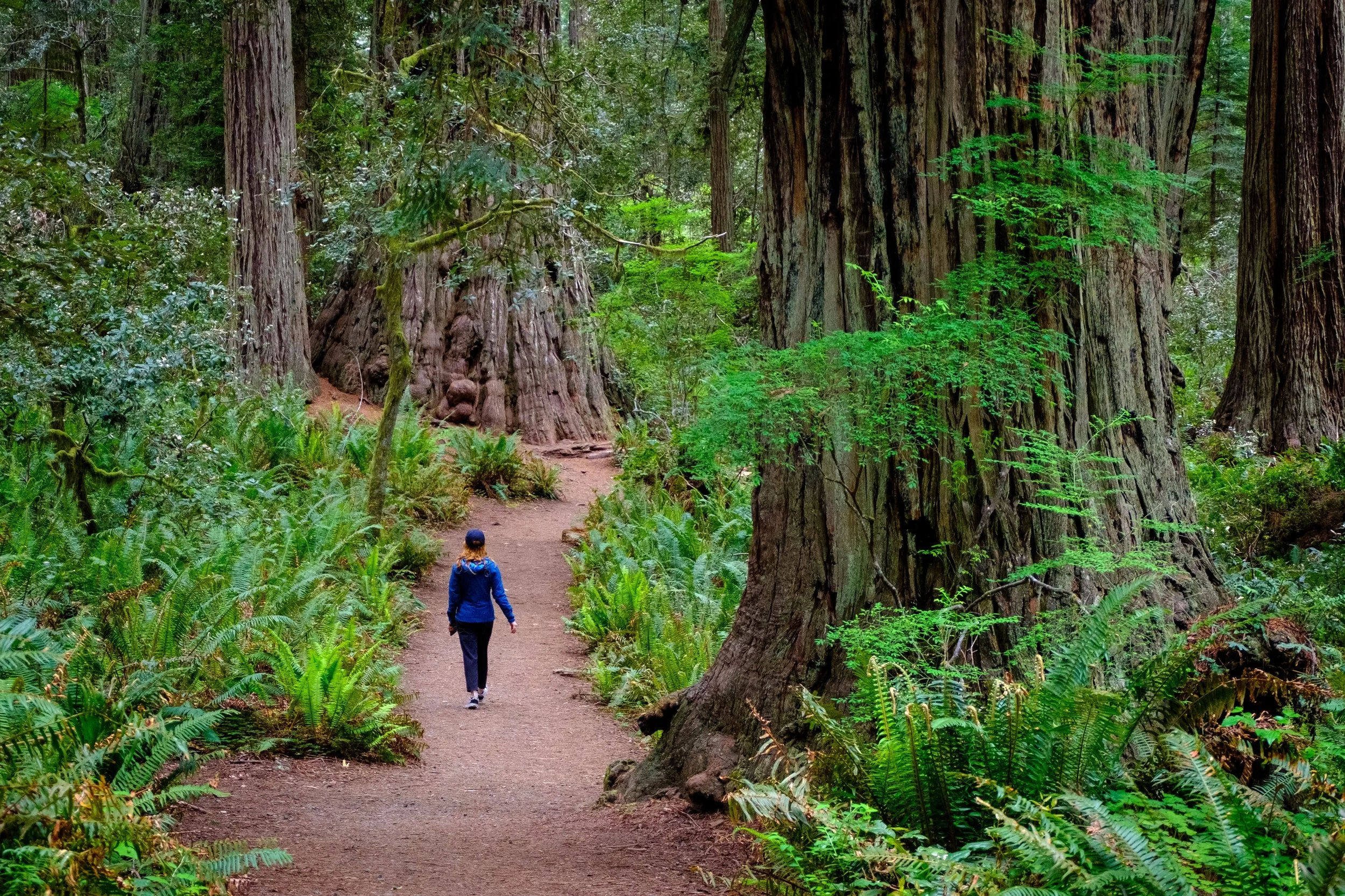
Native American tribes have lived in the area prescribed as park for over 3000 years. Some groups live in the park to this day. Alongside these tribal inhabitants are some of the state’s most endangered species. Among them are the northern spotted owl, Chinook salmon and Steller’s sea lion.
Developed campgrounds are all inside the state parks. On the land managed by the National Park Service, recreational activities are limited to day use pursuits like hiking, biking and horseback riding.
Coastline
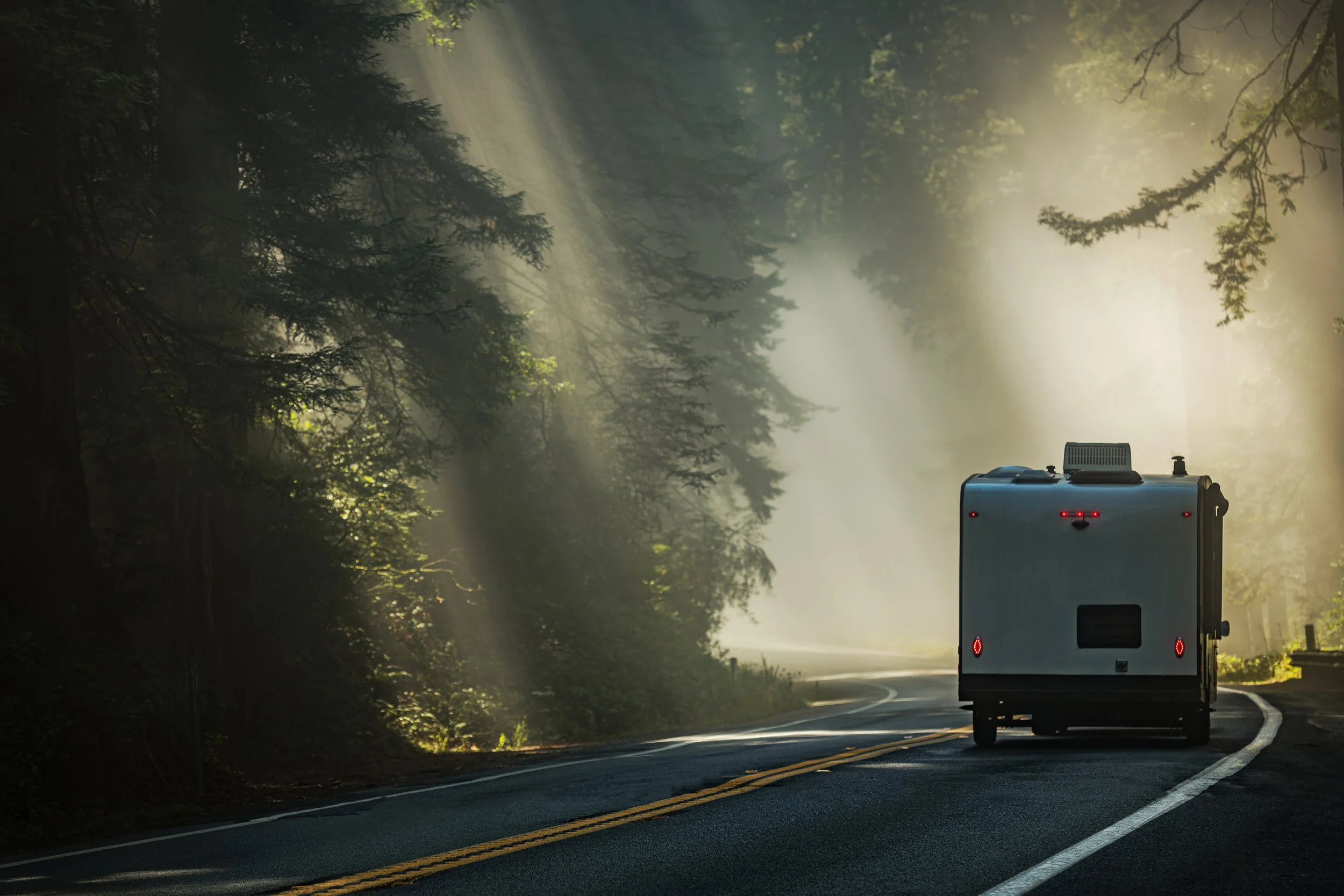
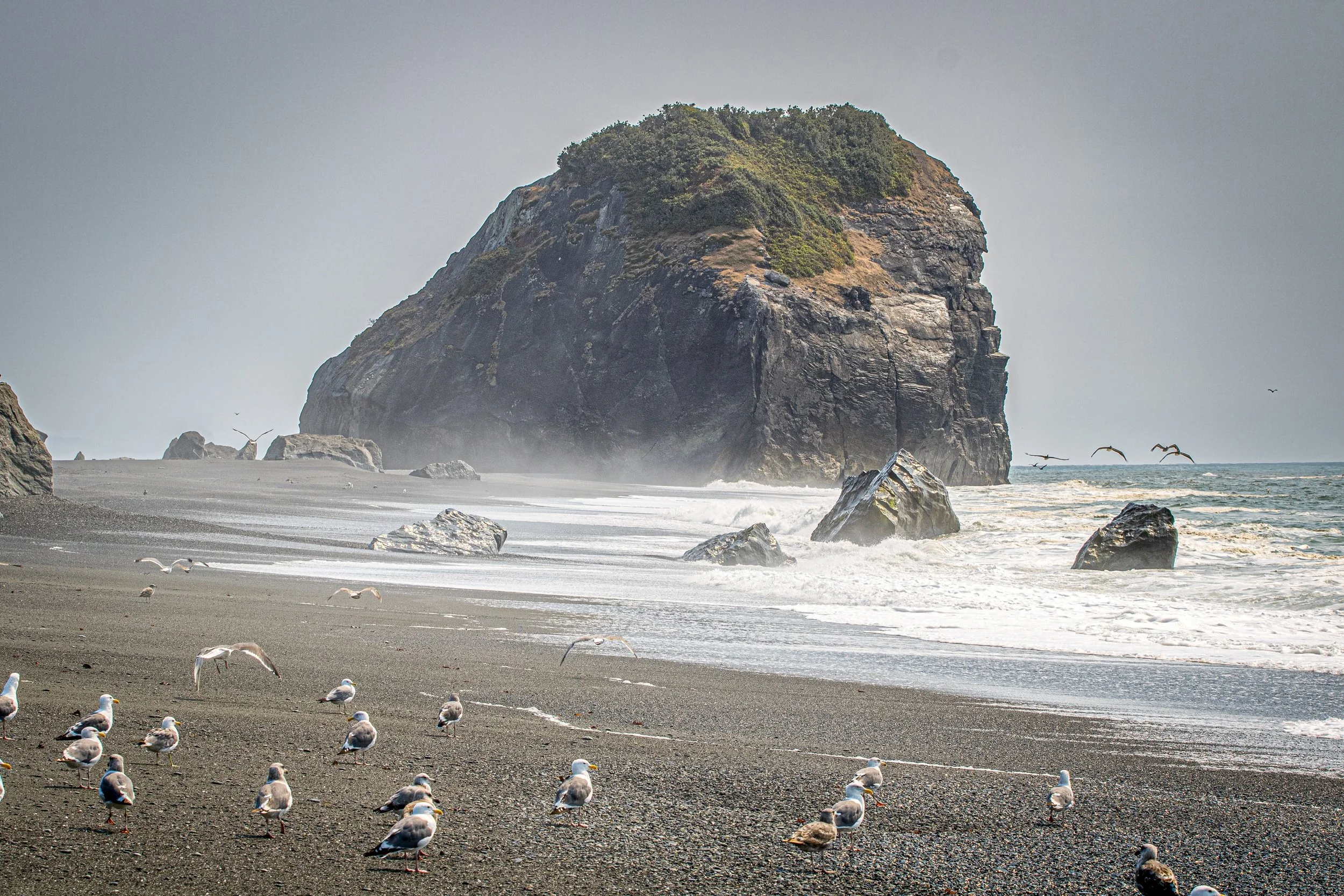
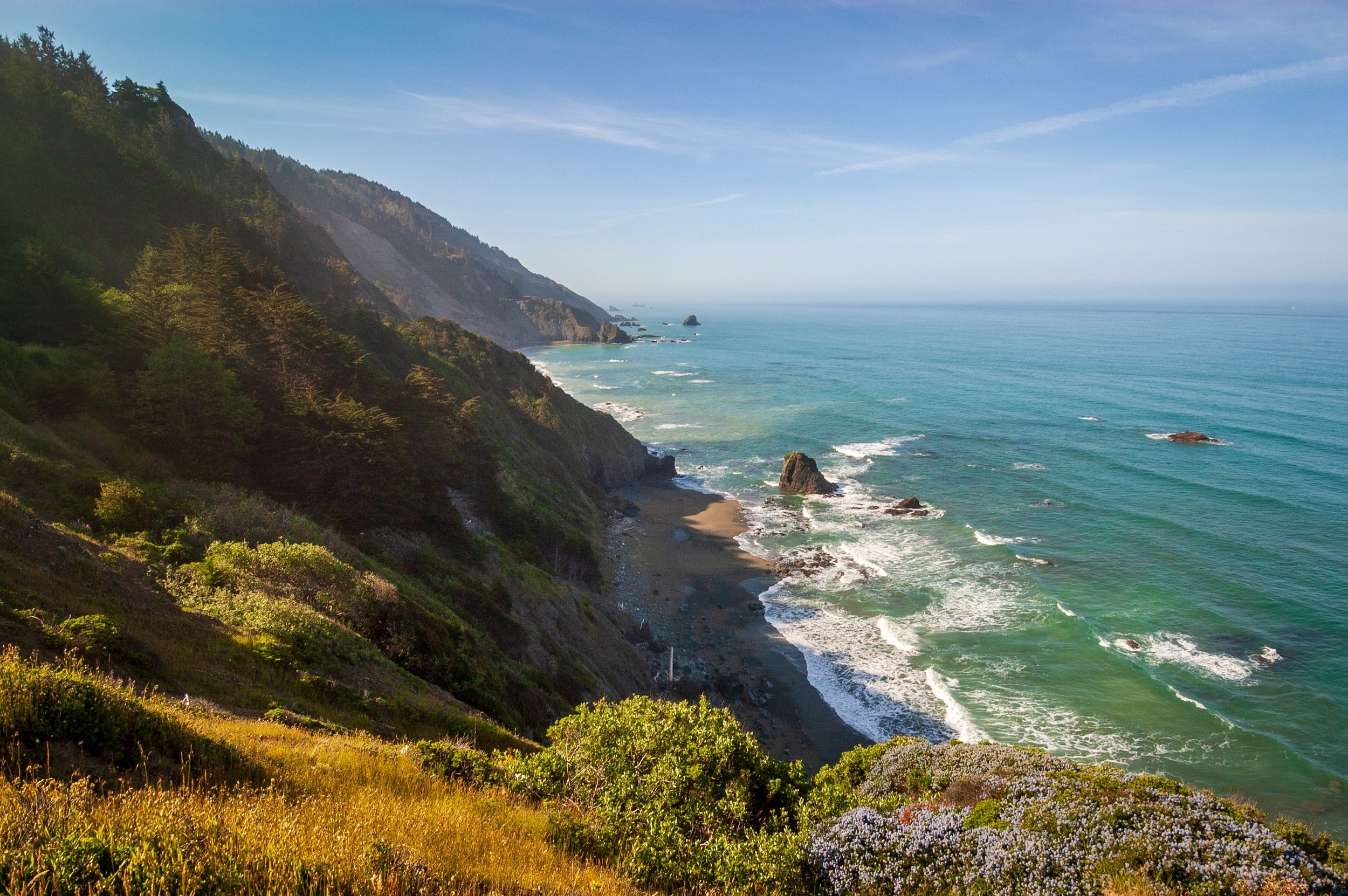
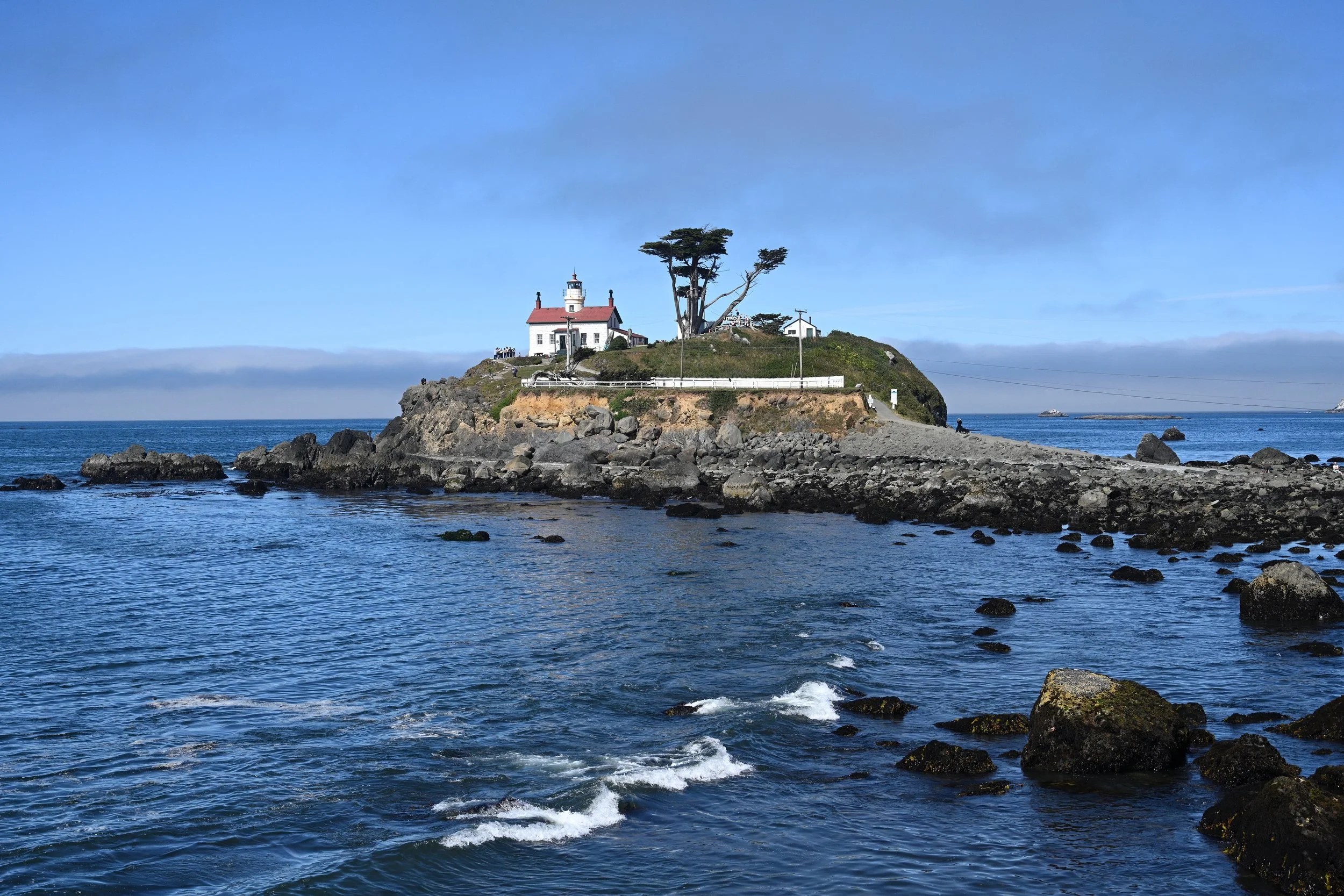
The coastline in Northern California is both developed and wild. Coastal towns like Kalamath and Crescent City support rather than detract from the regional beauty. Beaches along this section of coast tend to be slightly less developed and a little bit feral. They complement a forested coastline. A drive along US Highway 101 will offer amazing views, but even a short hike will open vistas that are more than worth the effort.
Smith River National Recreation Area
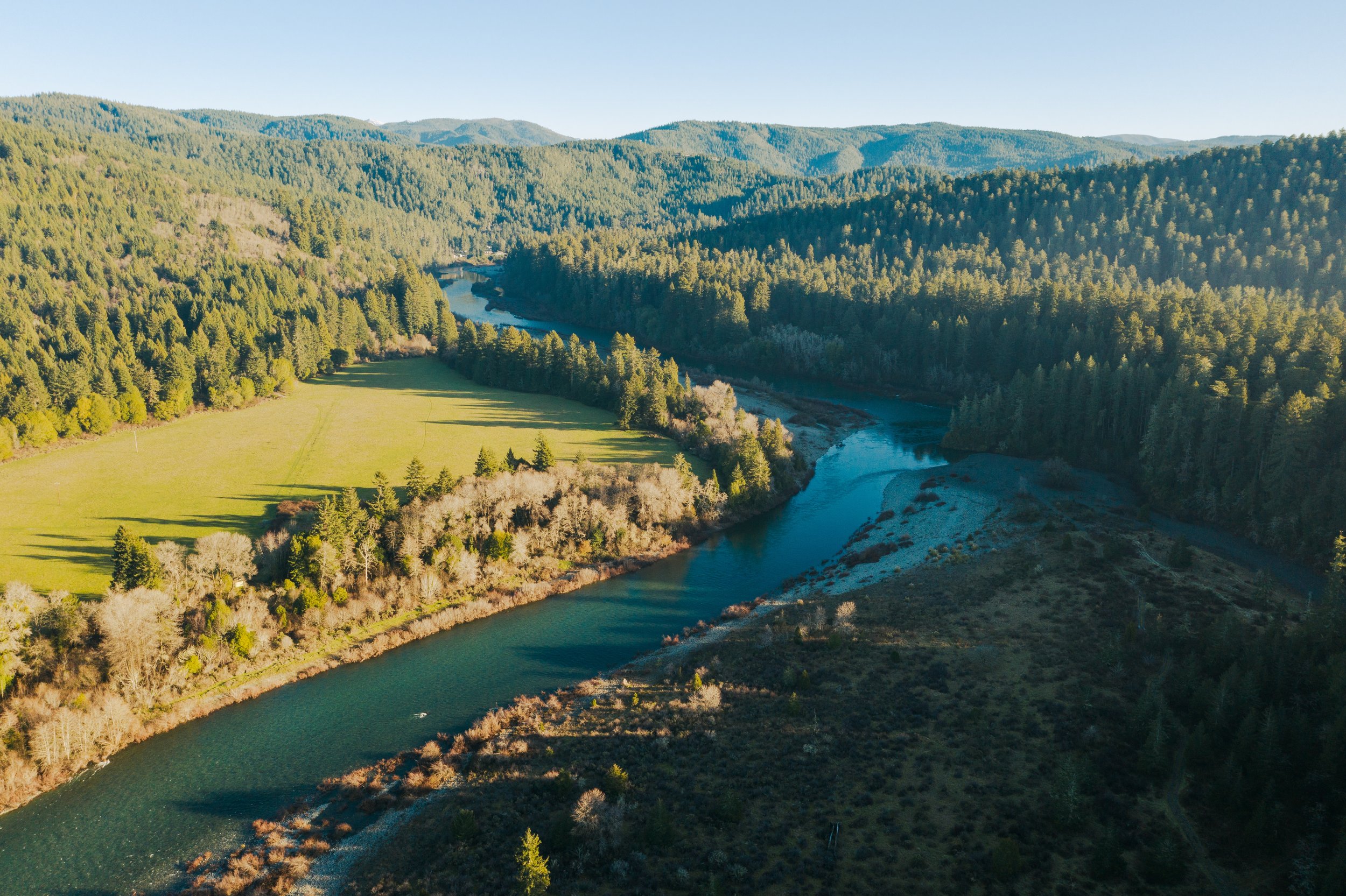
Set inside the Six Rivers National Forest, Smith River National Recreation Area is managed by the U.S. Forest Service. The Smith River is a National Wild and Scenic River and has held that designation longer than any other river in the United States. It is highly regarded as a fishing region. Rafting trips are available. Other recreational opportunities include camping, hiking, fishing, horseback riding and bicycling can also be enjoyed.