Joshua Tree National Park
Joshua trees are not unique to Joshua Tree National Park. They can be seen throughout the area, but they are a feature of this section of the Mojave Desert. Very near the park are a pair of national monuments that encompass ecosystems completely incongruous with the arid, rocky Mojave. It is hard to believe these diverse wilderness regions exist in such close proximity to Los Angeles, but they do.
Here is a brief summary of each:
Joshua Tree National Park
The Mojave Desert is area of fragile ecosystems that straddling the borders of California, Arizona and Nevada. One of the sections set aside for preservation is the Joshua Tree National Park. Established first as a national monument in 1936 and then as a national park in 1994, it is named for the Joshua Tree that grows throughout the park.
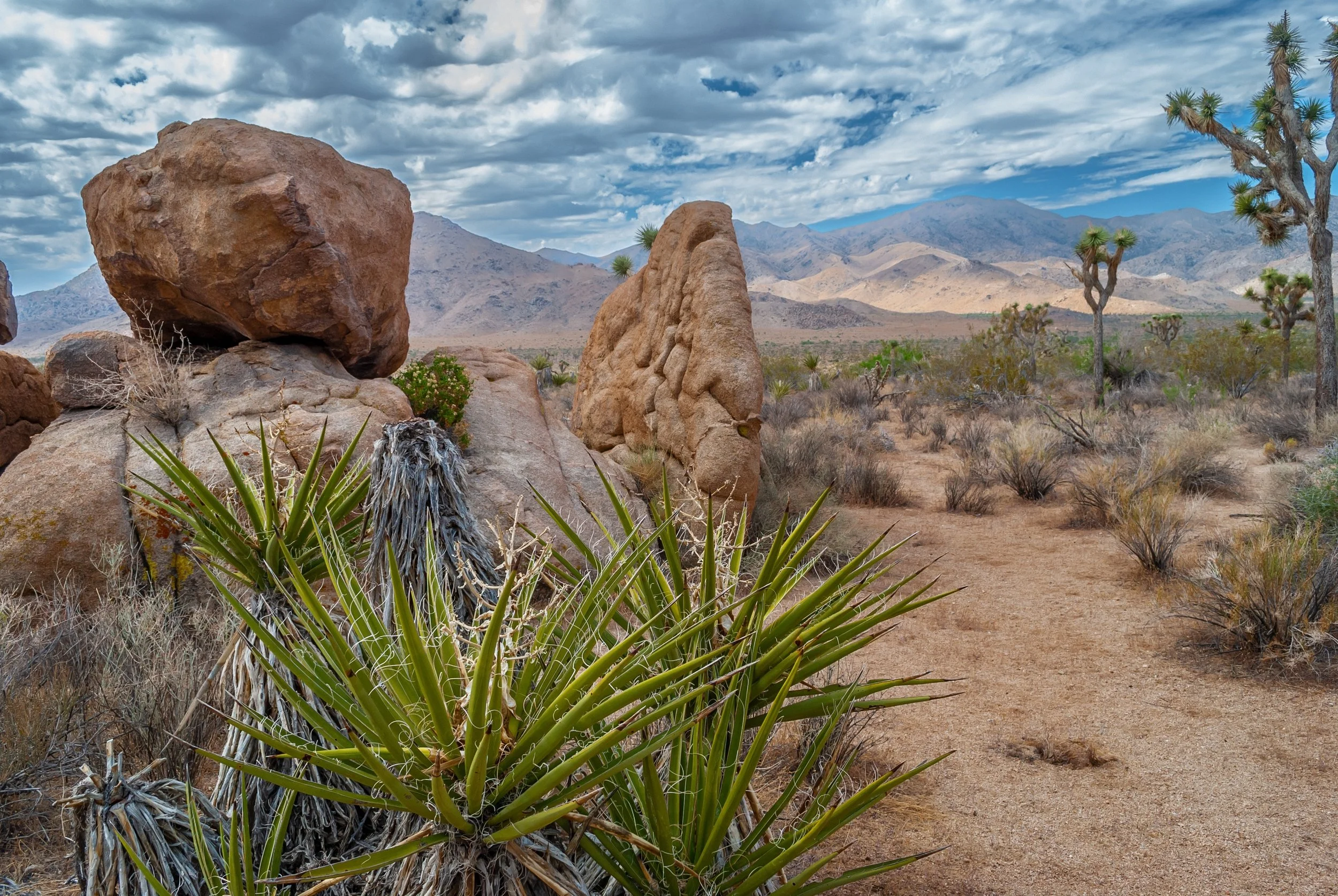
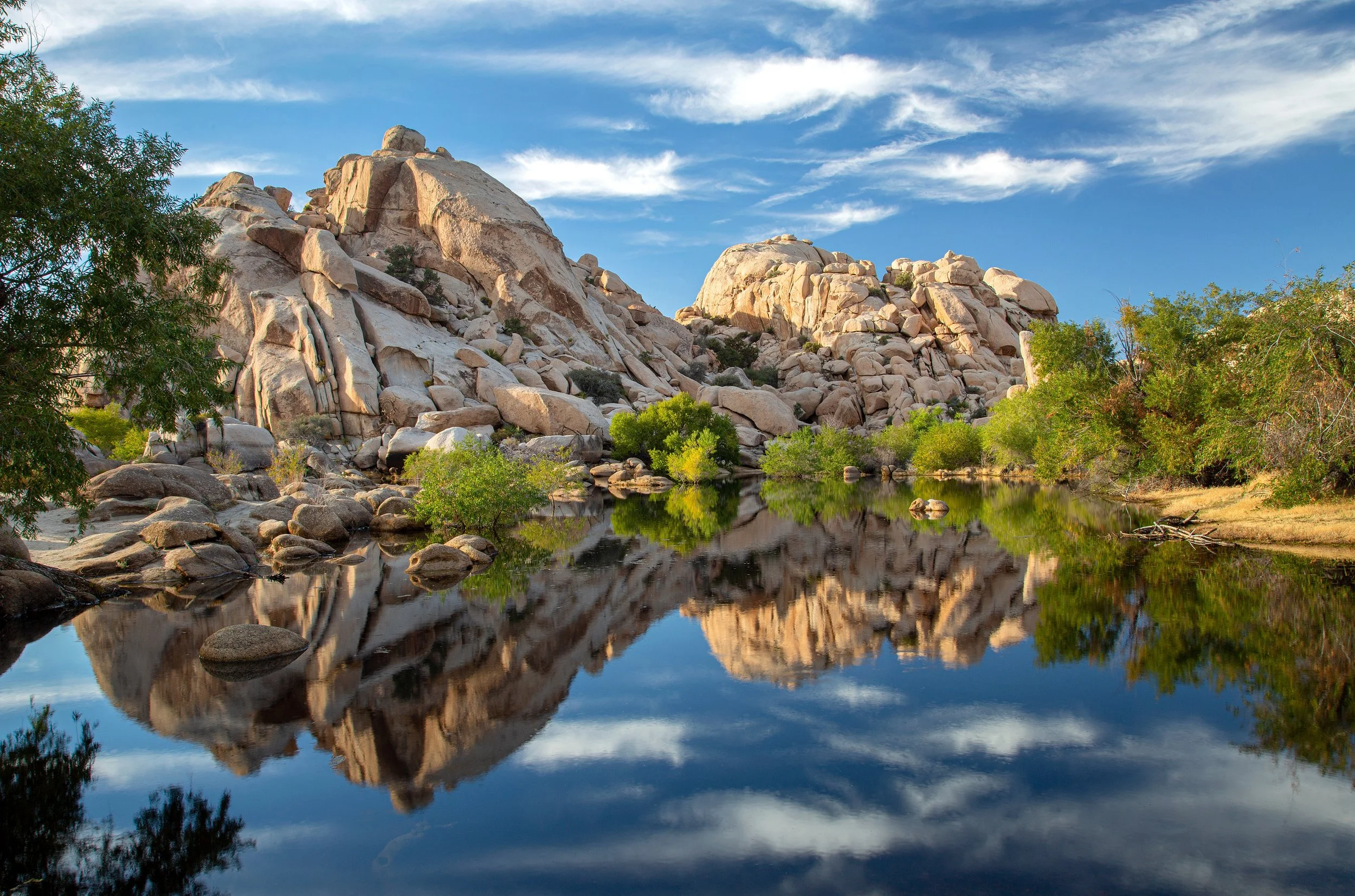
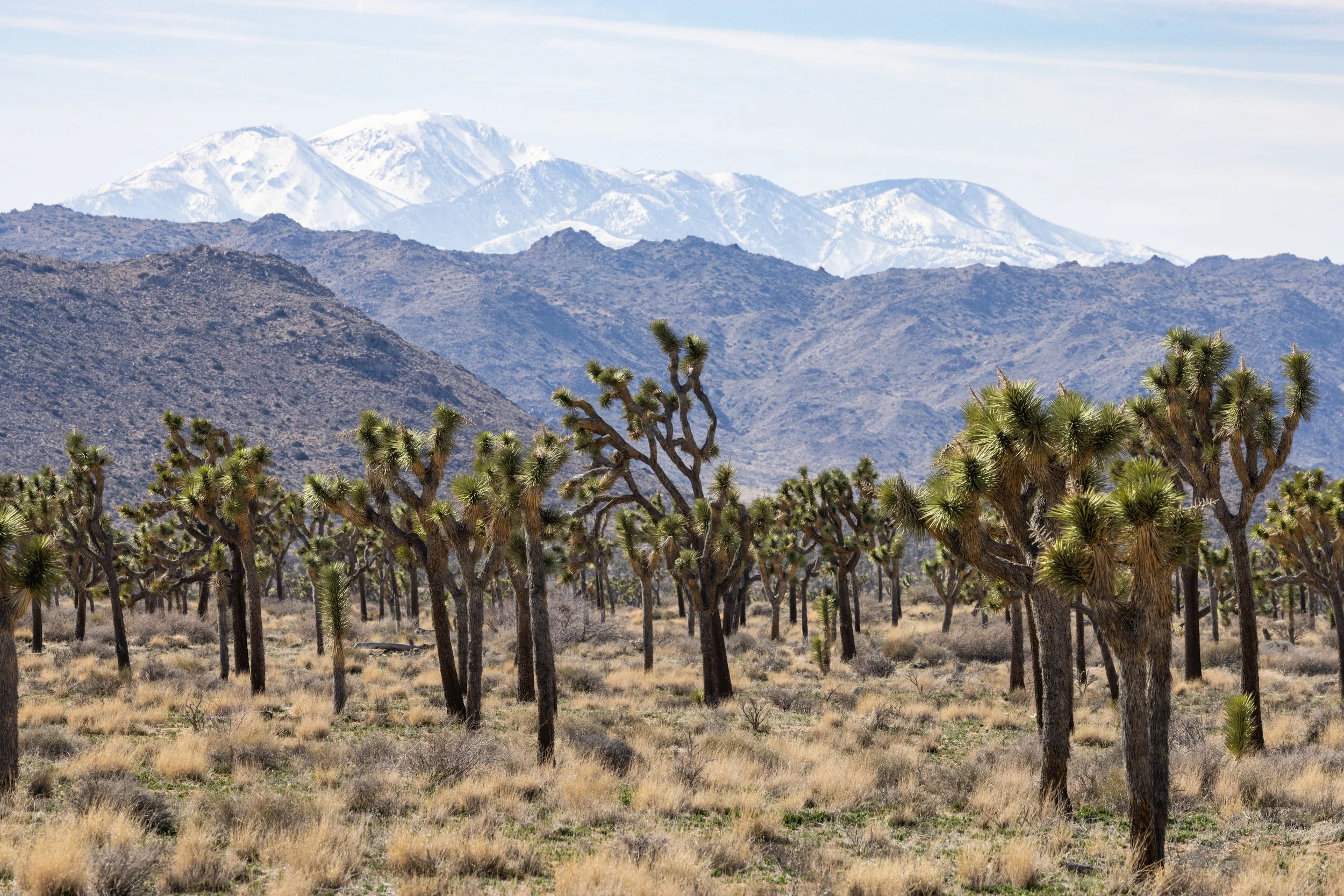
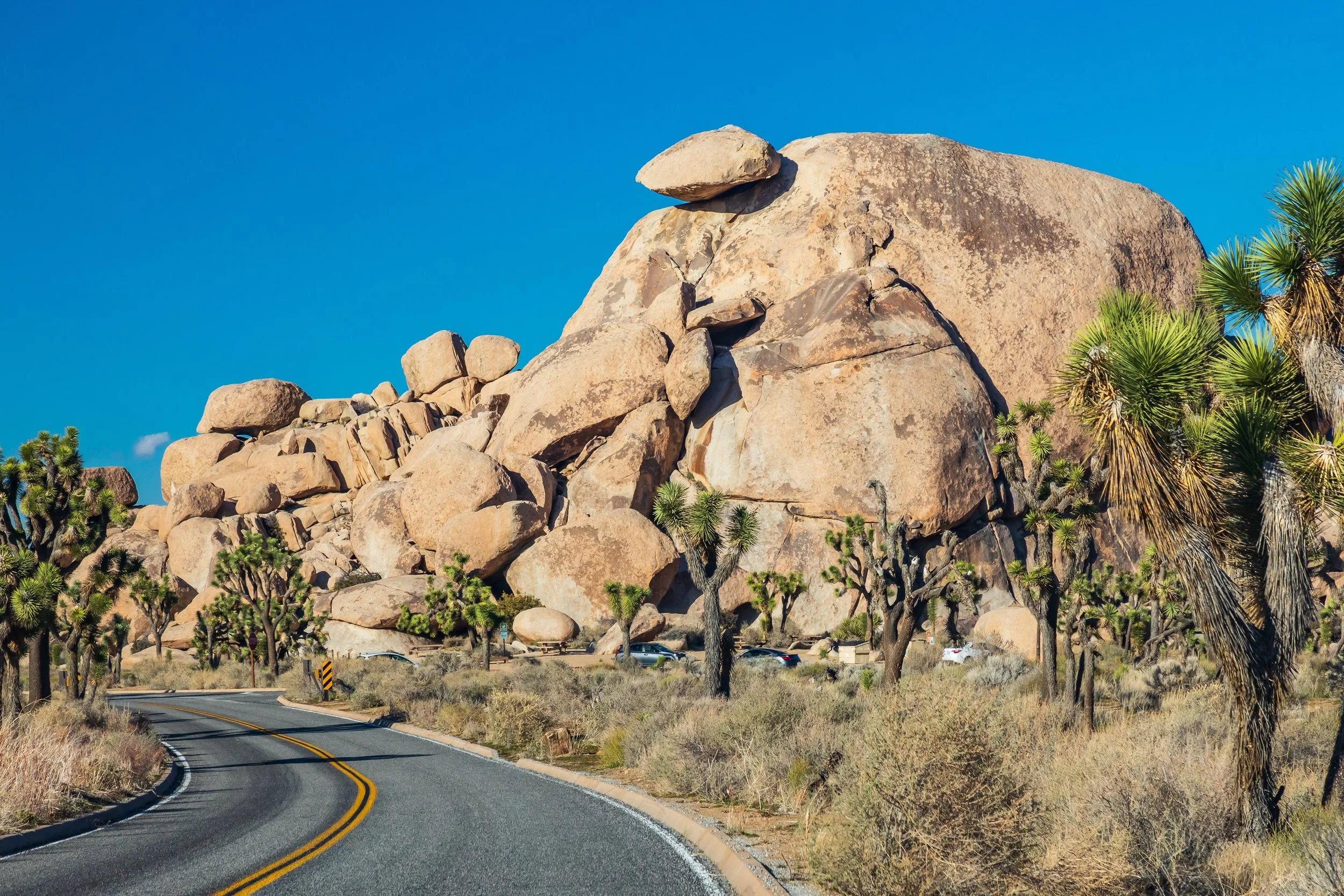
Paved roads through the park allow easy visitation. Once inside, the park offers many opportunities for camping, hiking and climbing. Absent of ambient light, Joshua Tree is a dark sky area that allows excellent views of the night sky. Bird watching is another popular activity.
Sand to Snow National Monument
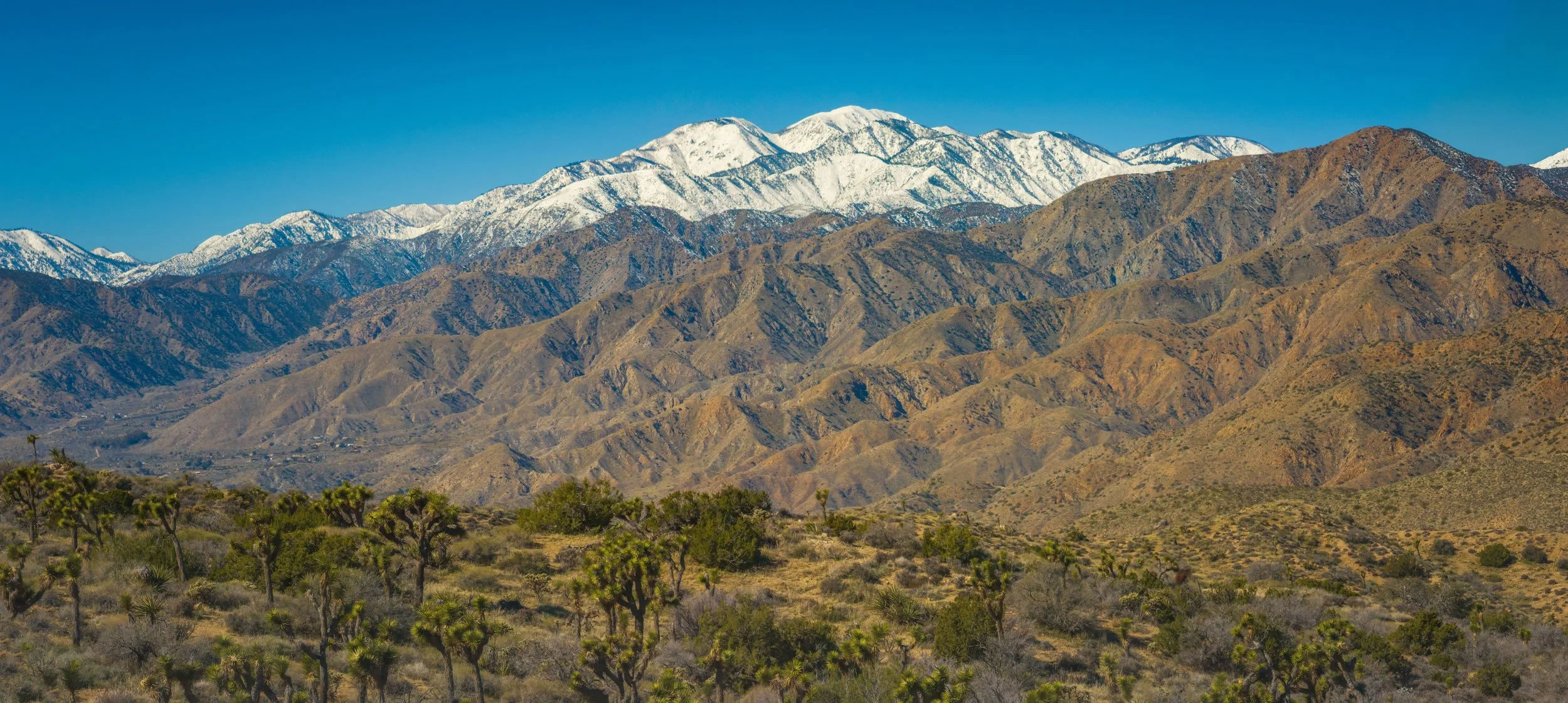
The Sand to Snow National Monument was established in 2016 to protect a range of desert and mountain habitats in the Mojave and Colorado Deserts. The monument is jointly managed by the National Forest Service and the Bureau of Land Management. The Pacific Crest Trail makes up part of the trail system in the monument. Sand to Snow also offers opportunities for camping, horseback riding and hunting or wildlife viewing.
Santa Rosa and San Jacinto Mountains National Monument
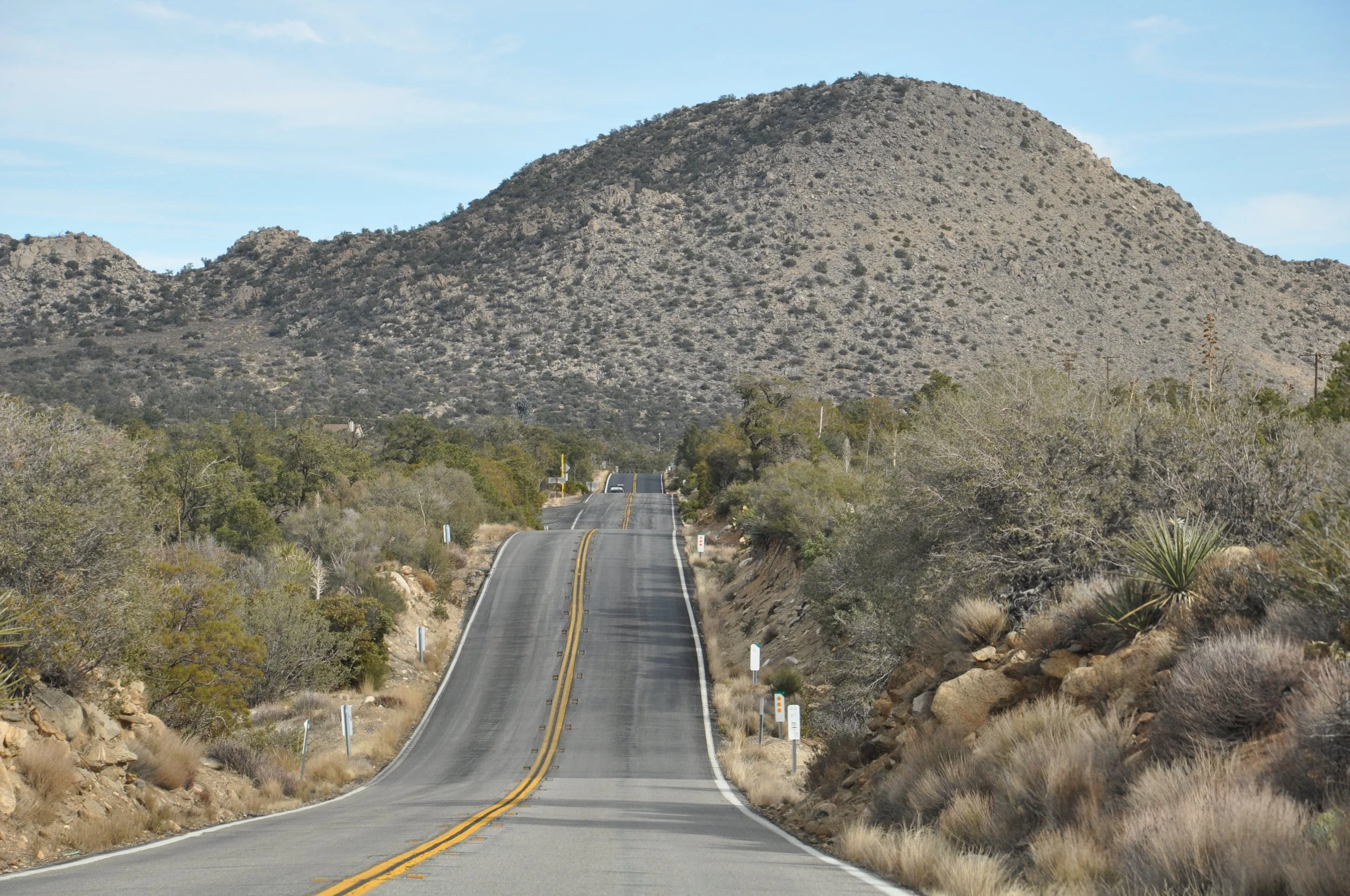
One hundred miles southeast of Los Angeles, the Santa Rosa and San Jacinto Mountains National Monument was established to protect numerous threatened flora and fauna. In 1984 protected portions of the Santa Rosa and San Jacinto Mountain Ranges were combined to form the existing monument, which is managed jointly by the Bureau of Land Management and United States Forest Service. Hiking, mountain biking, horseback riding and camping are allowed except in a few sensitive areas.
The 67-mile Palms to Pines Scenic Byway traverses the monument taking visitors through its changing ecosystems. The route rises in elevation from the desert floor to pine forest and snow-capped mountains.