Harpers Ferry
In 1963, Harpers Ferry was designated a National Historic Park. This was bestowed due to the large and diverse number of historical events and architectural artifacts in the town’s proximity. Largely because of its site at the confluence of the Shenandoah and Potomac Rivers, Harper’s Ferry was at the center of early American history.
Transportation Hub
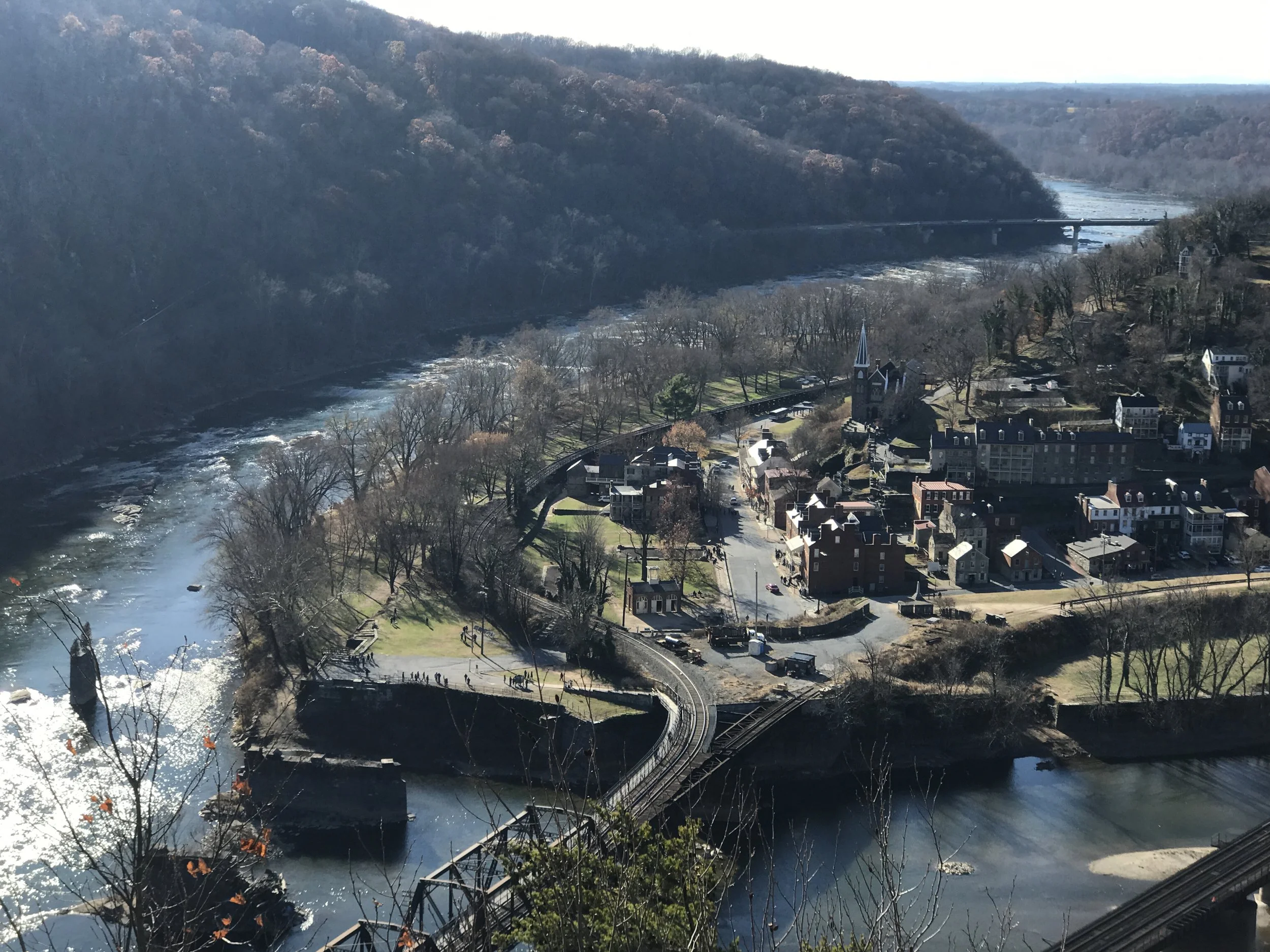
From the time that Harper created his ferry for Potomac crossings, this site has been an important transportation hub. In later years the course of the Chesapeake and Ohio Canal flowed past Harpers Ferry, which was later replaced by a rail line. Today, the Appalachian Trail passes directly through the town, which is also home to its headquarters.
Federal Armory
The town’s location at the confluence of these two navigable waterways positioned Harper’s Ferry to become an important industrial and trading center in the early republic. A federal armory was among the town’s manufacturing enterprises. It was at Harper’s Ferry that Meriwether Lewis obtained the majority of the weaponry and other hardware used for the Lewis and Clark expedition.
John Brown
Harper’s Ferry was also the site of John Brown’s failed abolitionist uprising in 1859. By seizing the armory, he hoped to arm a slave rebellion. Many important landmarks relative to the uprising have been preserved.
Civil War
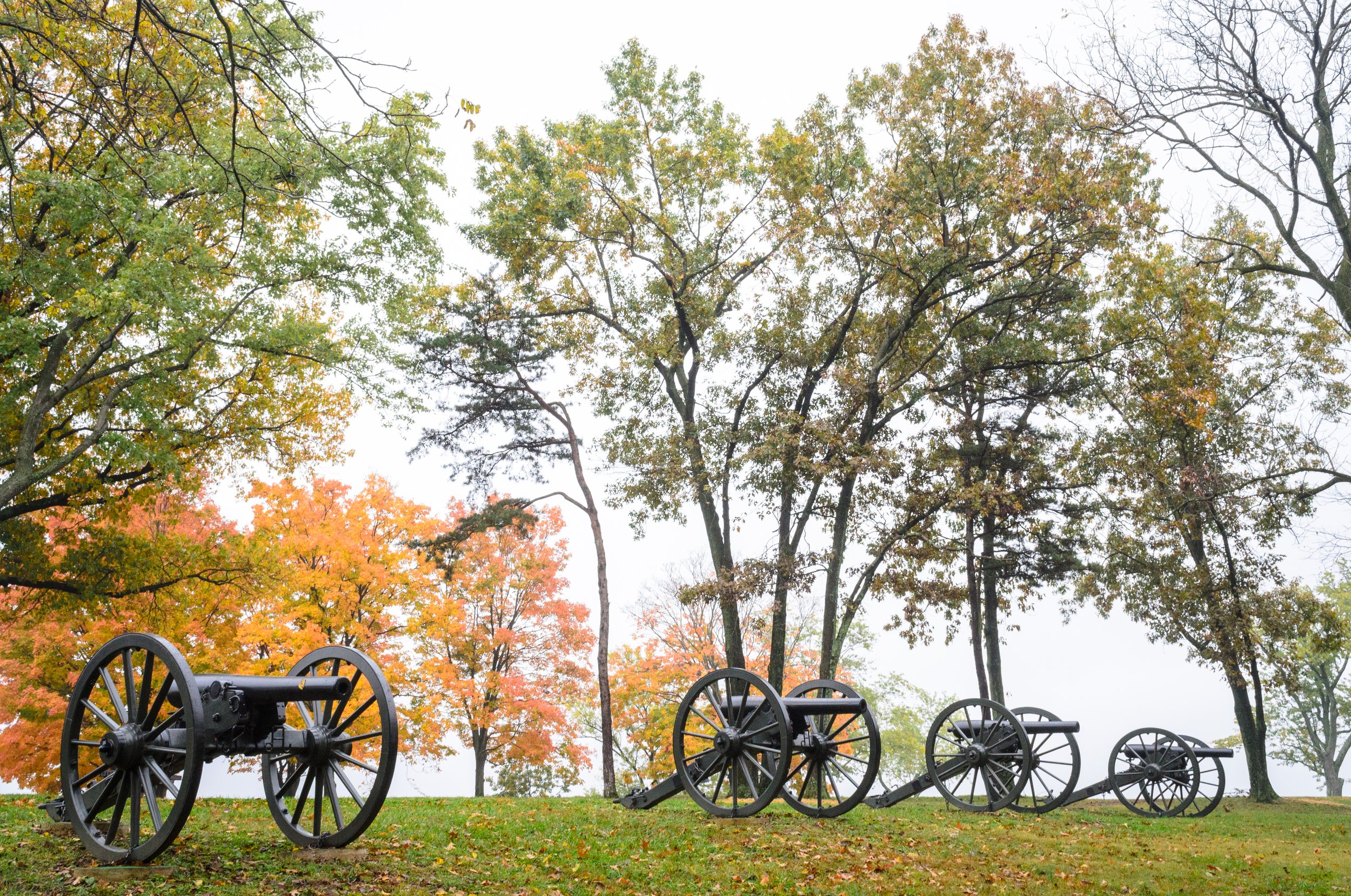
The geographic location of Harpers Ferry and its importance as a transportation hub made it a natural target during the Civil War. The site of the Battle of Harpers Ferry can be visited on the heights just above the town. There are numerous other military sites on the bluffs across the river.
Storer College
In 1865, Frederick Douglas and W.E.B. Du Bois in 1865 established the nation’s first integrated institution of higher learning in Harpers Ferry. Storer College was intended as a step toward normalizing racial integration into higher learning.
Today
Today, much of Harper’s Ferry is a living museum. The historic section of town is a collection of buildings with a story to tell. The town is also a stop or starting point for hikers on the Appalachian Trail, bikers on the C&O bike trail and paddlers destined for the Potomac fall line. The town also offers many lodging and dining options.