Winnipeg and the Red River
The Red River has been an important transportation corridor for six millennia and its confluence with the Assiniboine River has been a major gathering and trading place. This spot was settled by European fur trappers and grew to become modern Winnipeg. Beyond the city, however, the banks of the Red River still bear the remnants of human history and settlement.
Winnipeg
The capital city of Manitoba is a major cultural center on the western plains. It has a highly regarded food scene and world-class museums. The French Quarter is home to the largest French-Canadian population in Western Canada and that influence adds to Winnipeg's charm.
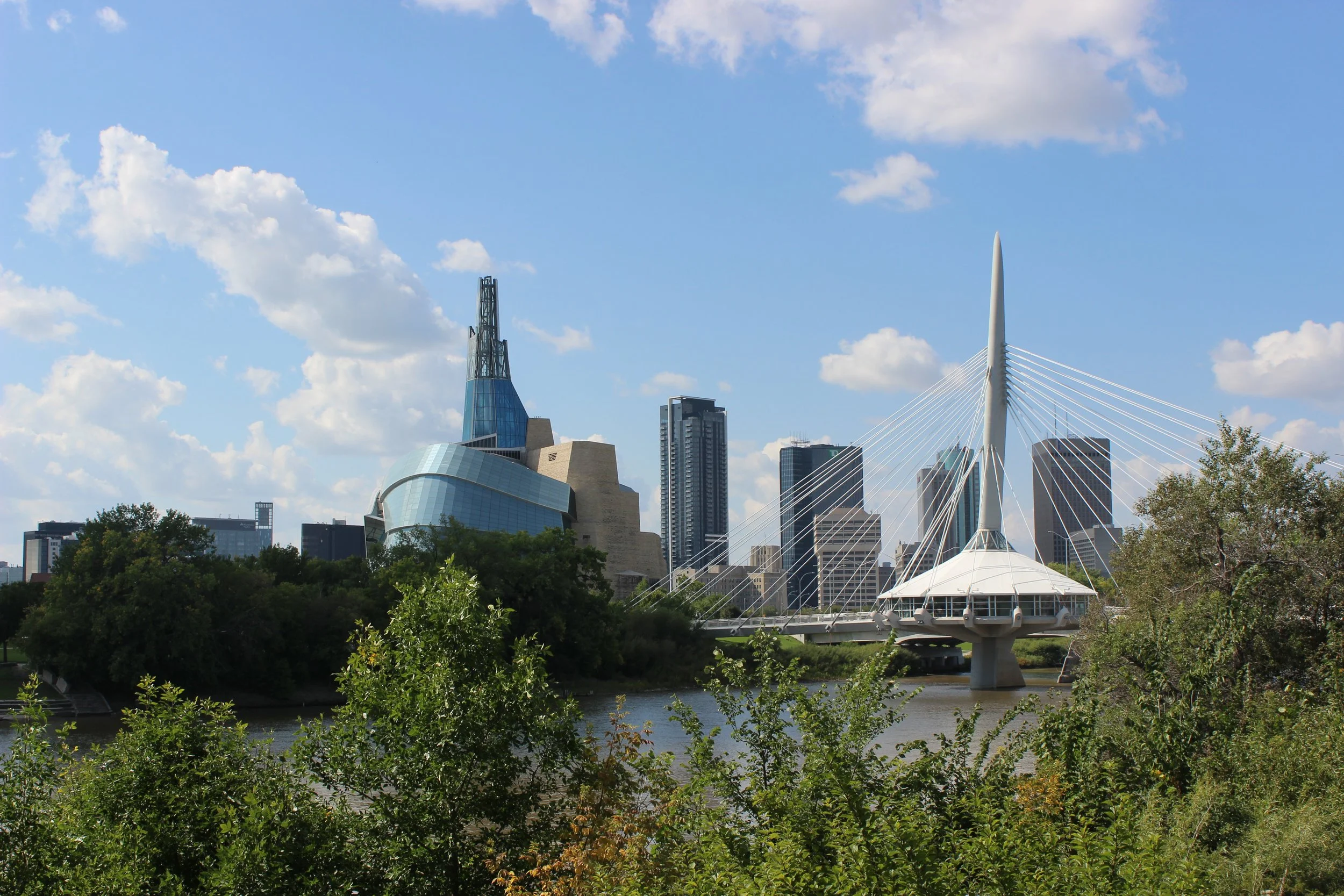
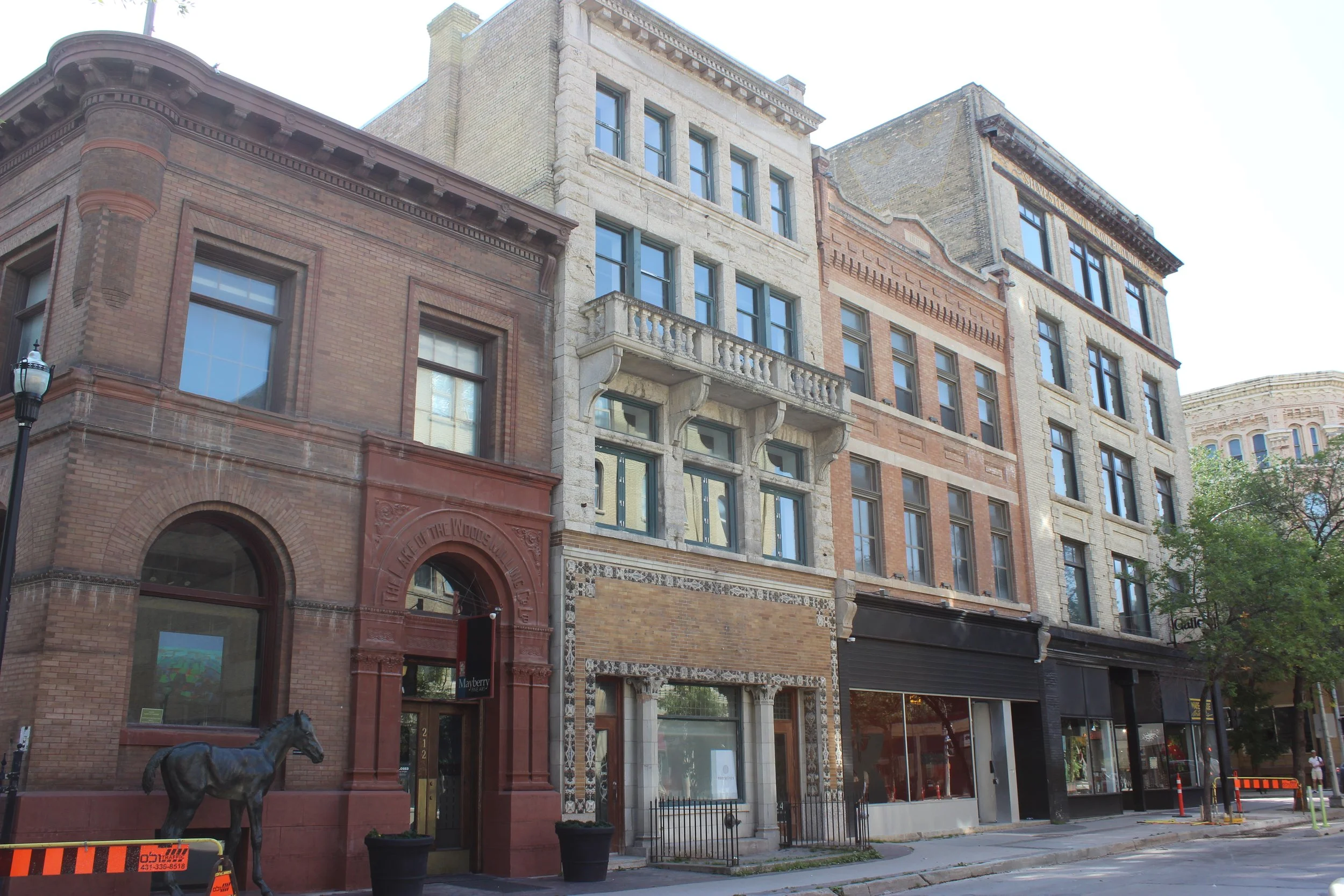
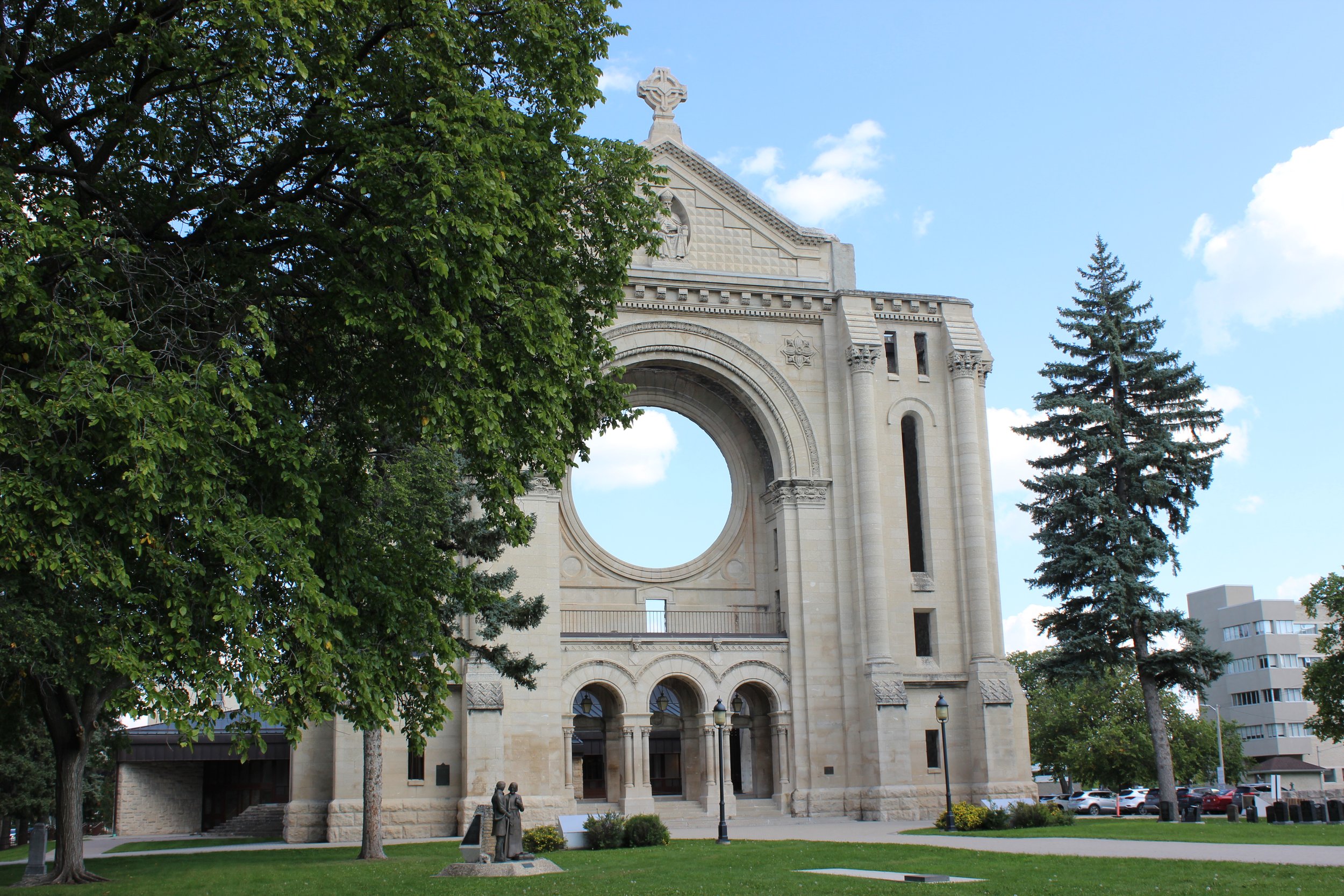
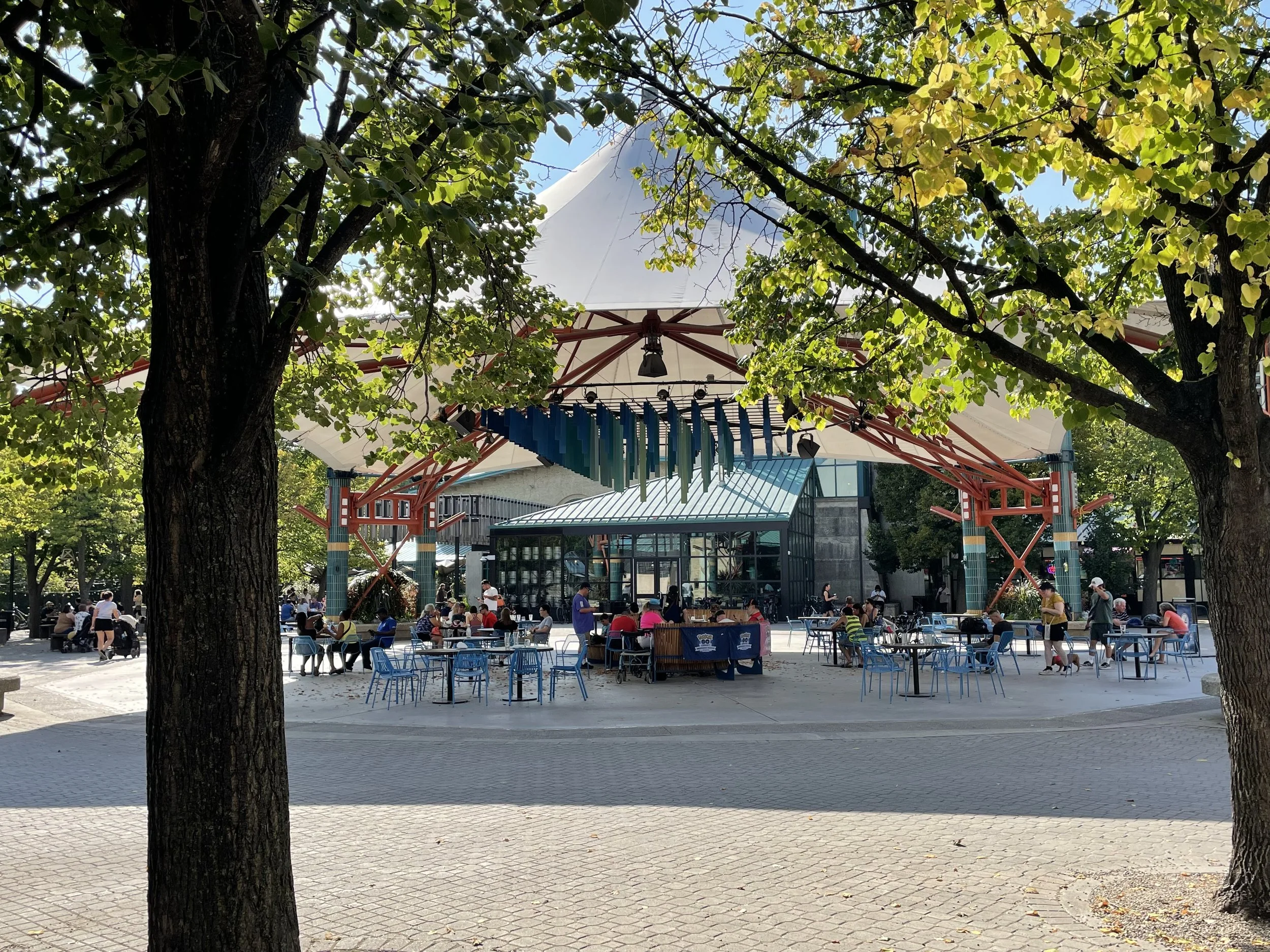
Be sure to visit The Forks shopping district, wonder through and admire the Exchange district’s terracotta facings, stroll along the banks of the Red River and explore the famous French quarter. Must-see museums include the Manitoba Museum and Canadian Human Rights Museum.
Lower Fort Garry
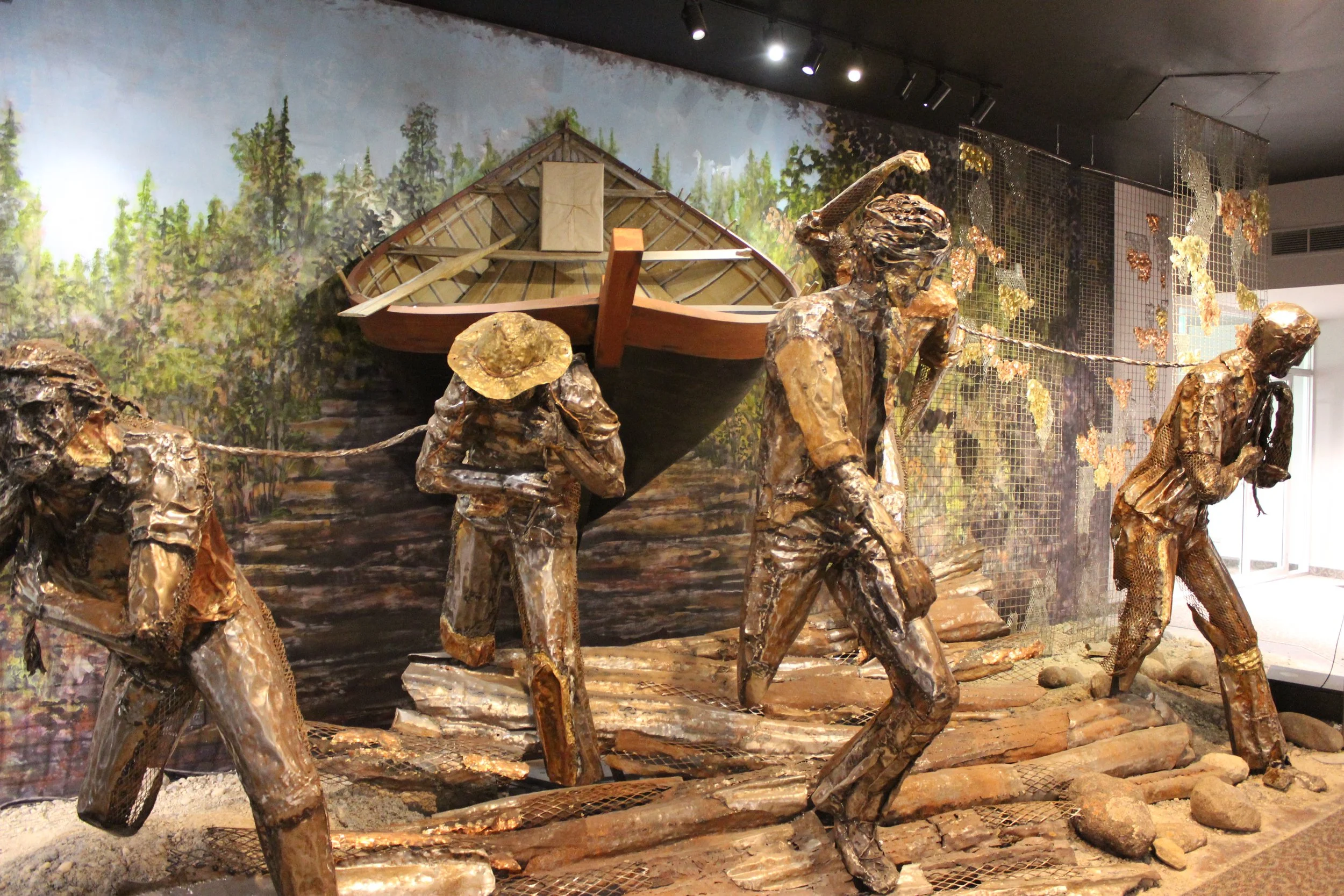
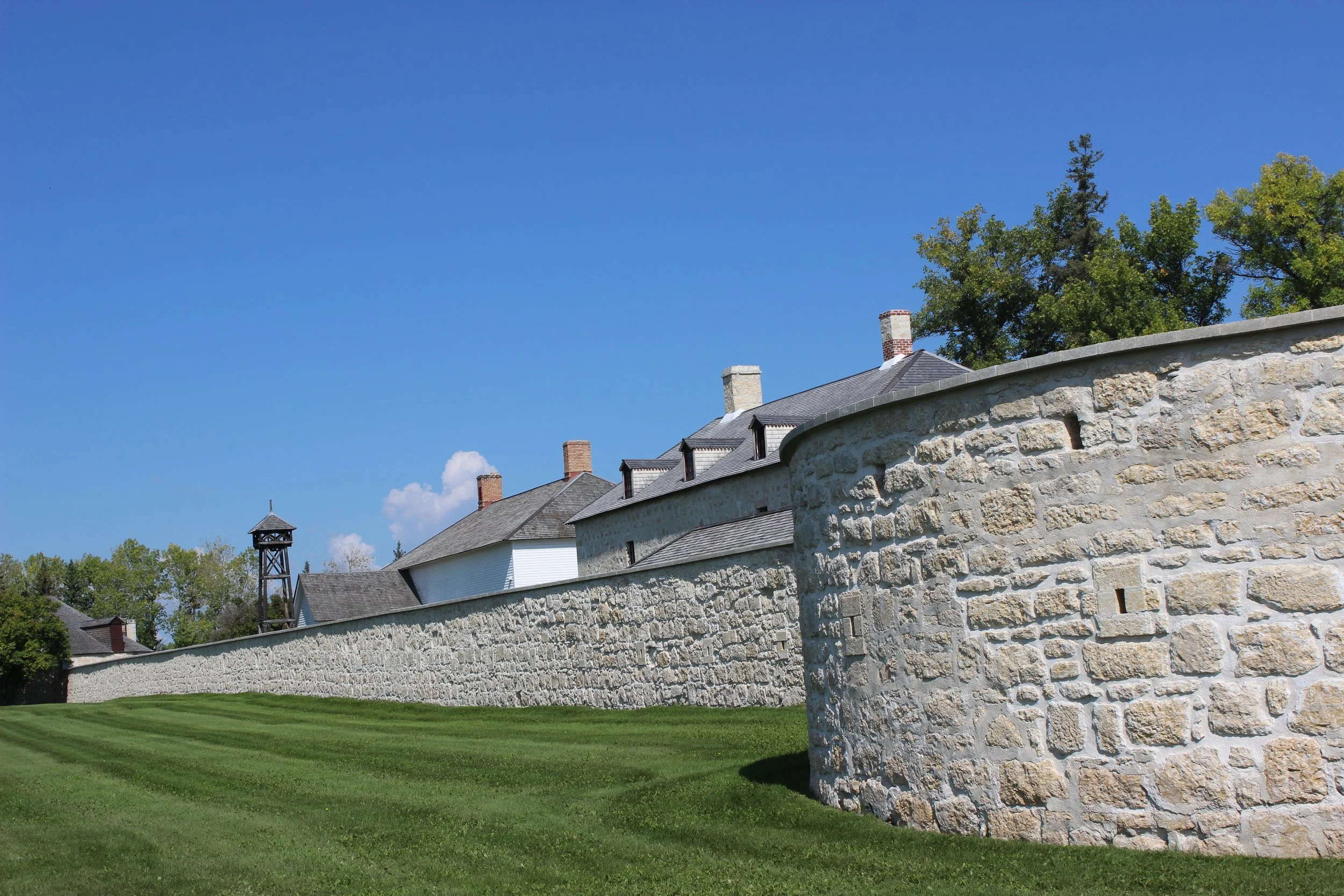
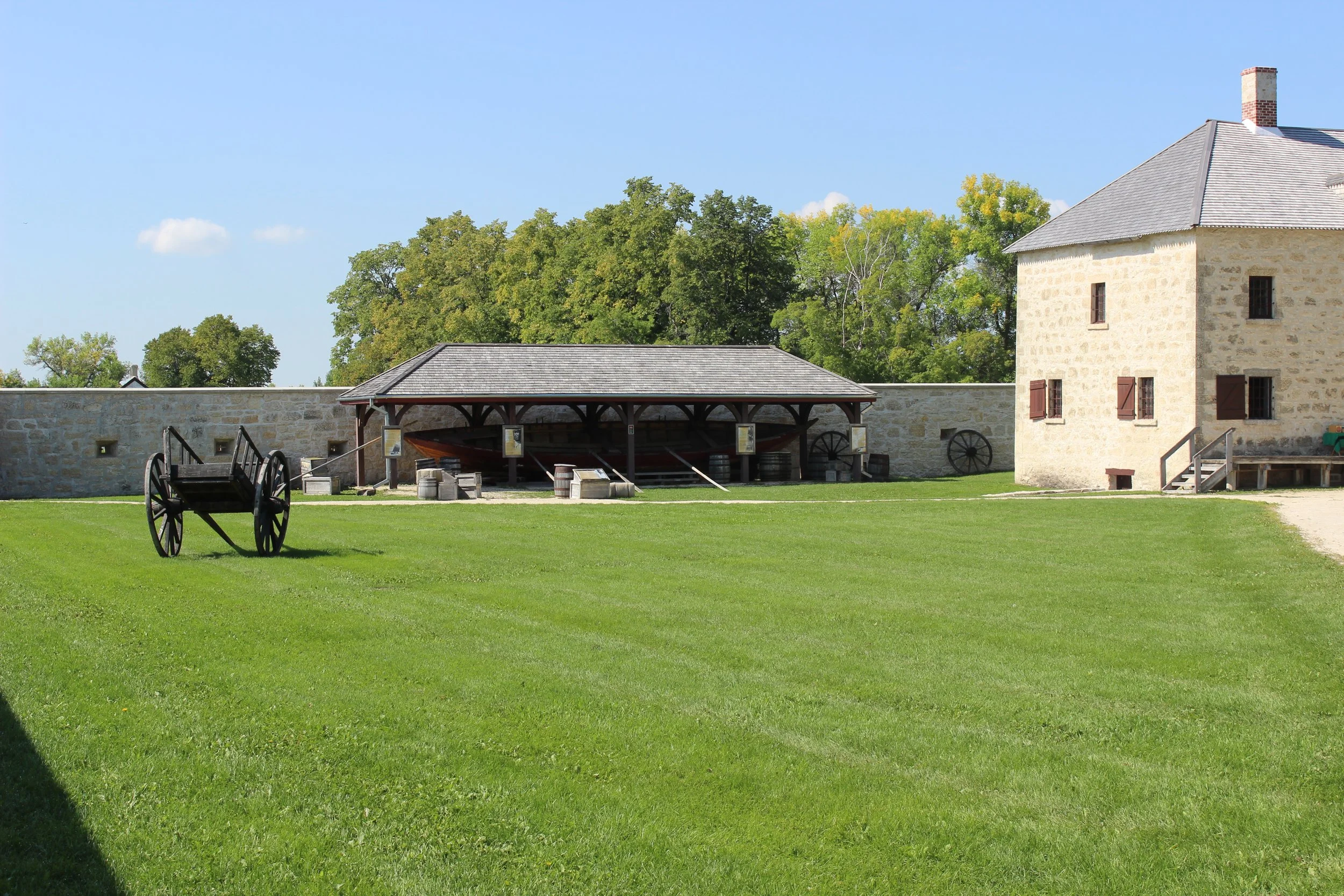
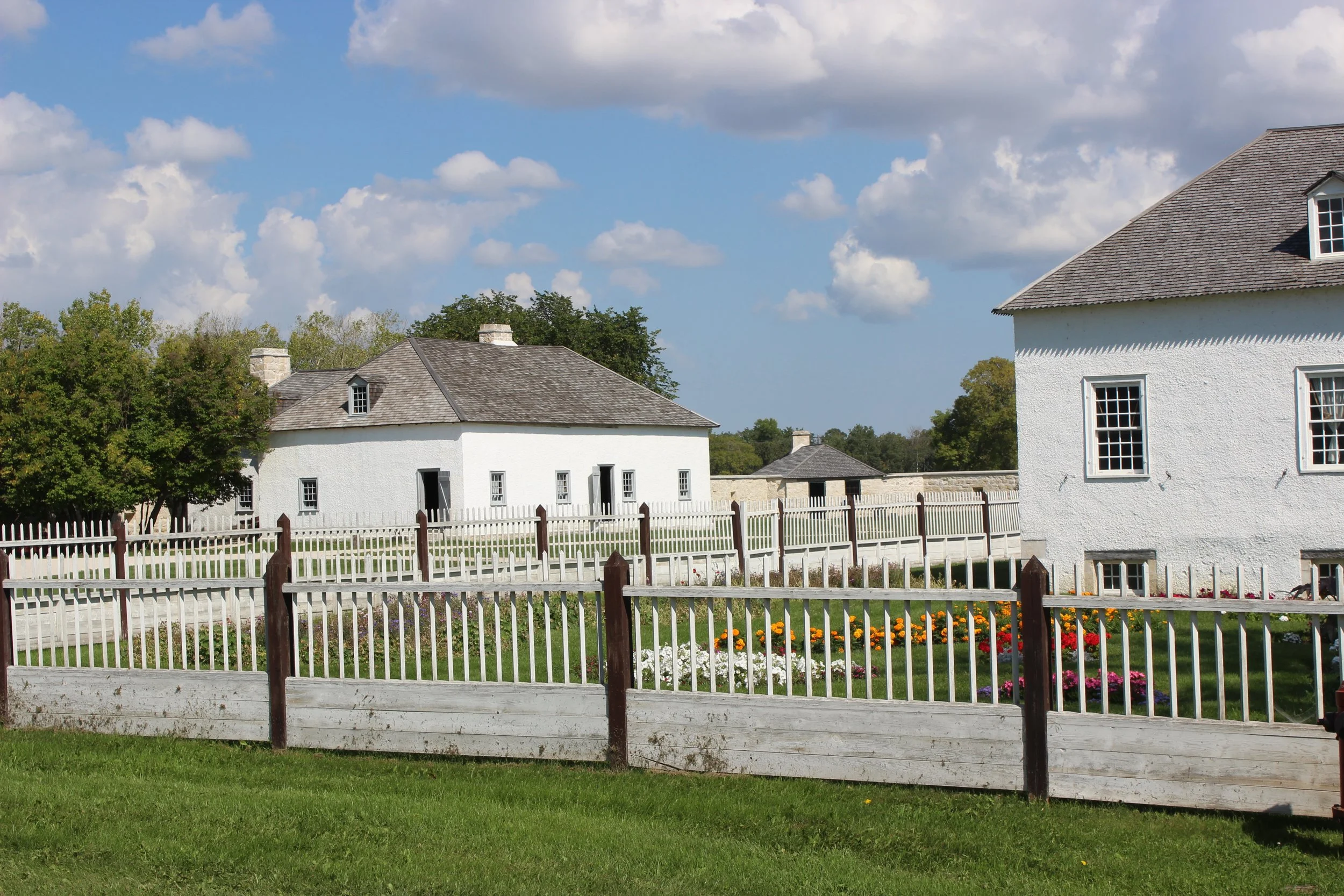
Lower Fort Garry was a major Hudson Bay Company stronghold just north of present-day Winnipeg, on the banks of the Red River. The fort has been largely restored and employs reenactors to explain the site’s history and significance.
Riel House
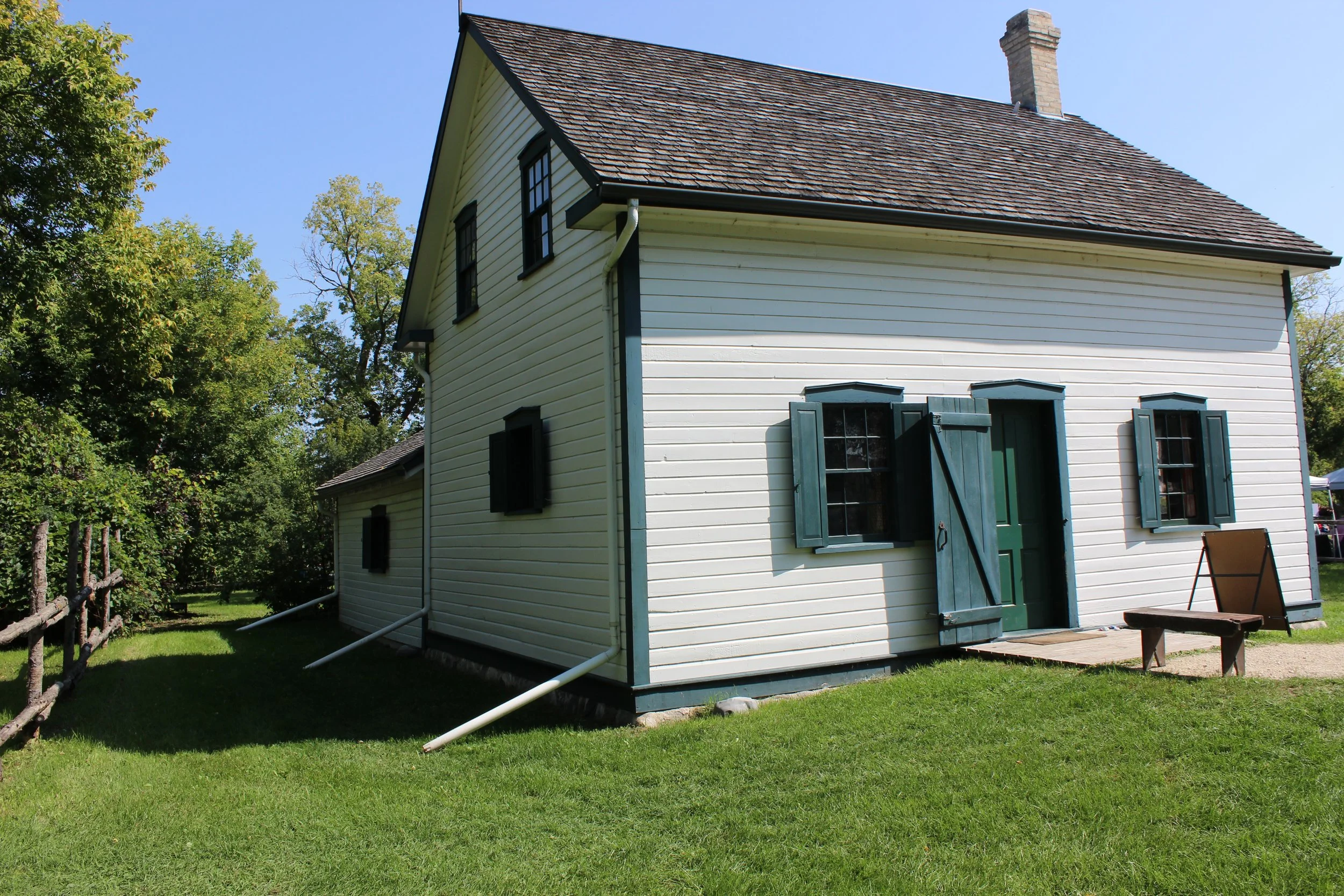
Preserved as a national historic site in 1966, this house is used way to honor and interpret the life of Métis politician and activist Louis Riel as well as other inhabitants of this Red River community.
St. Andrew's Rectory
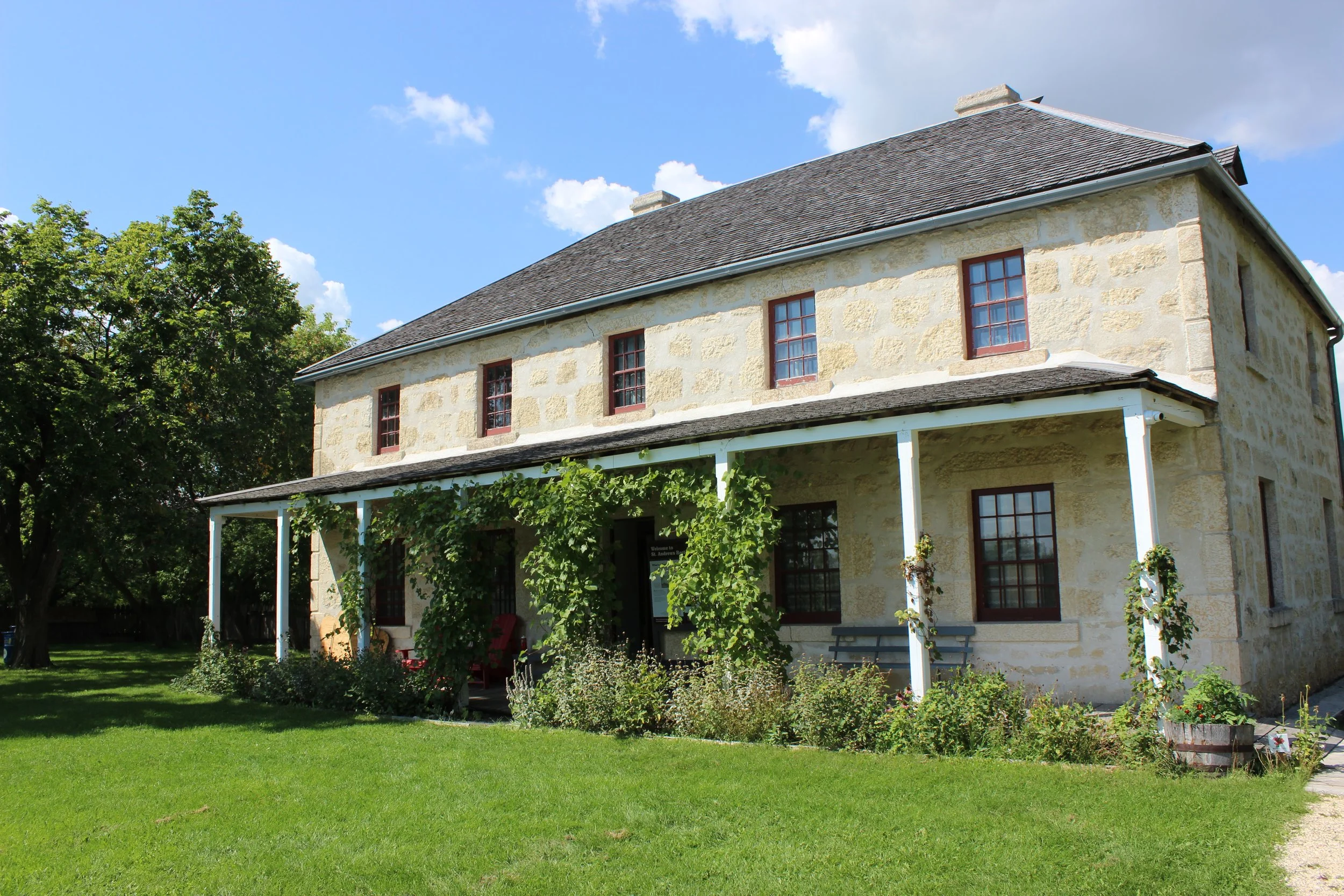
This rectory sits across the road from the Gothic Revival-style St. Andrew’s church. It is part of the history of the Church of England in Canada and the settlement of this part of Manitoba. It also helps interpret elements of Métis culture that were central to this part of Western Canada.