Utah’s Arches and Canyons
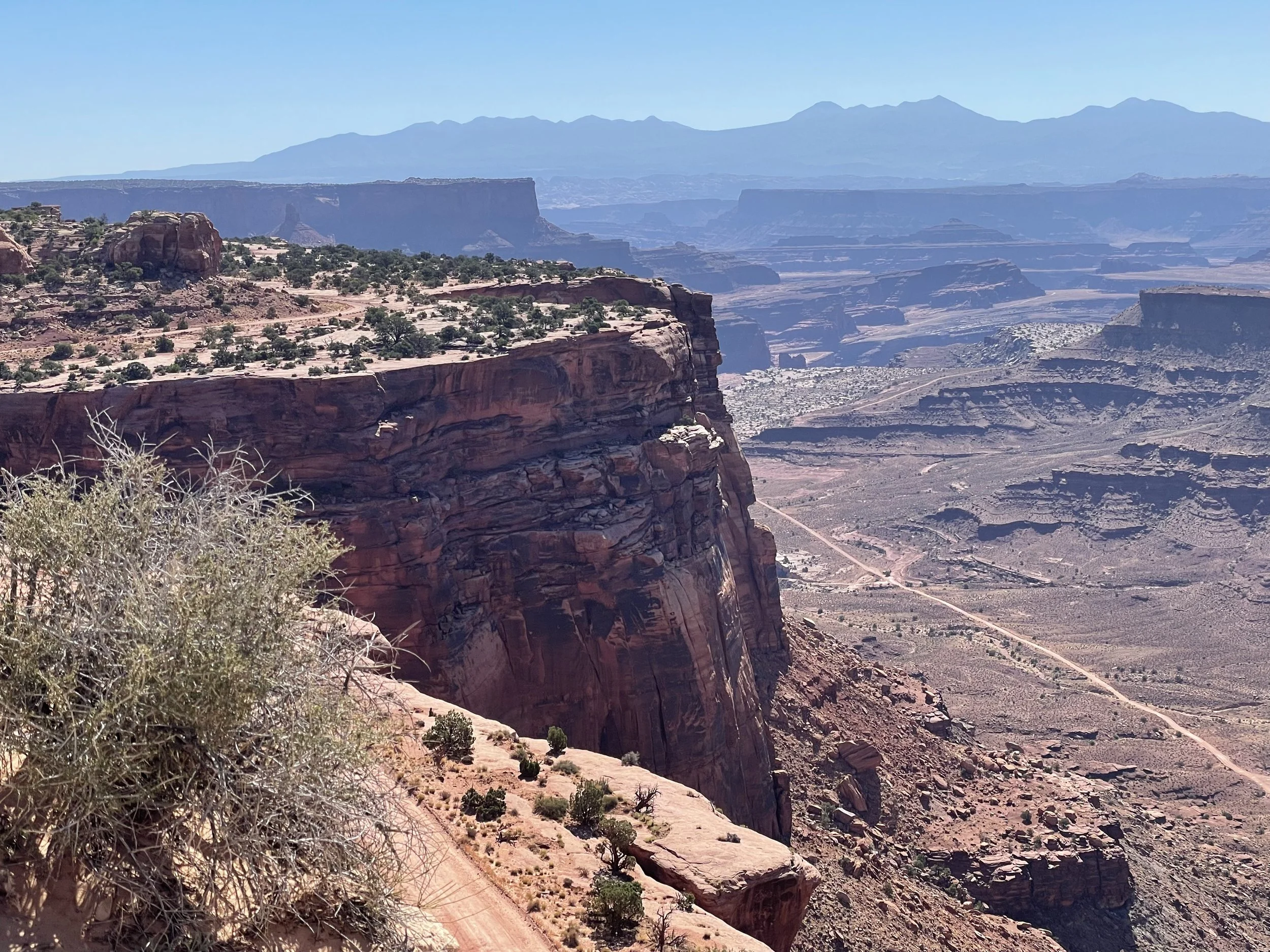
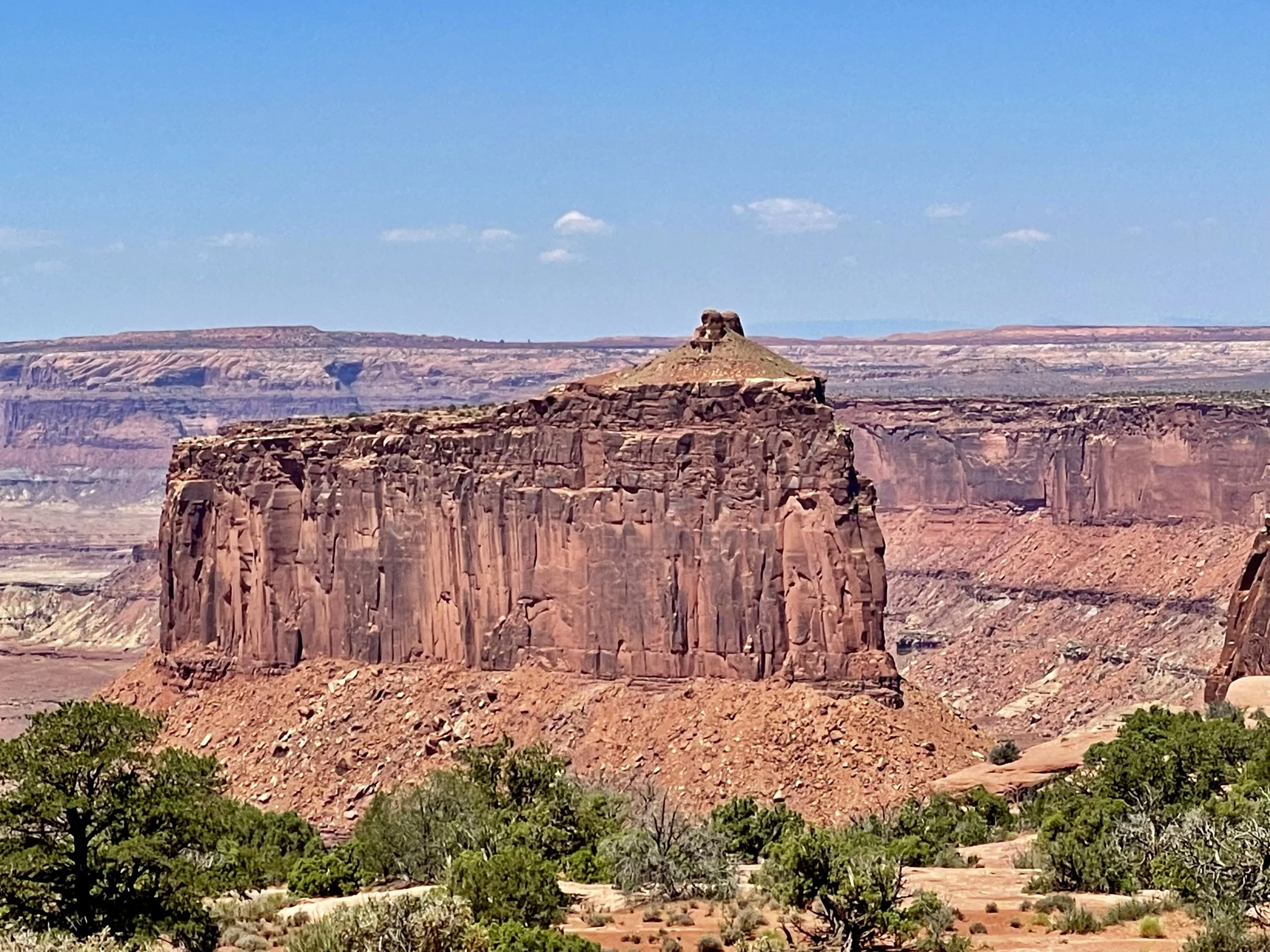
Eastern Utah is a land of canyons, mesas, buttes and natural arches. These formations are not limited to Utah, but extend eastward, well into Colorado. Two large sections of Utah, however, have been set aside as national parks in an effort to preserve these features.
Arches National Park
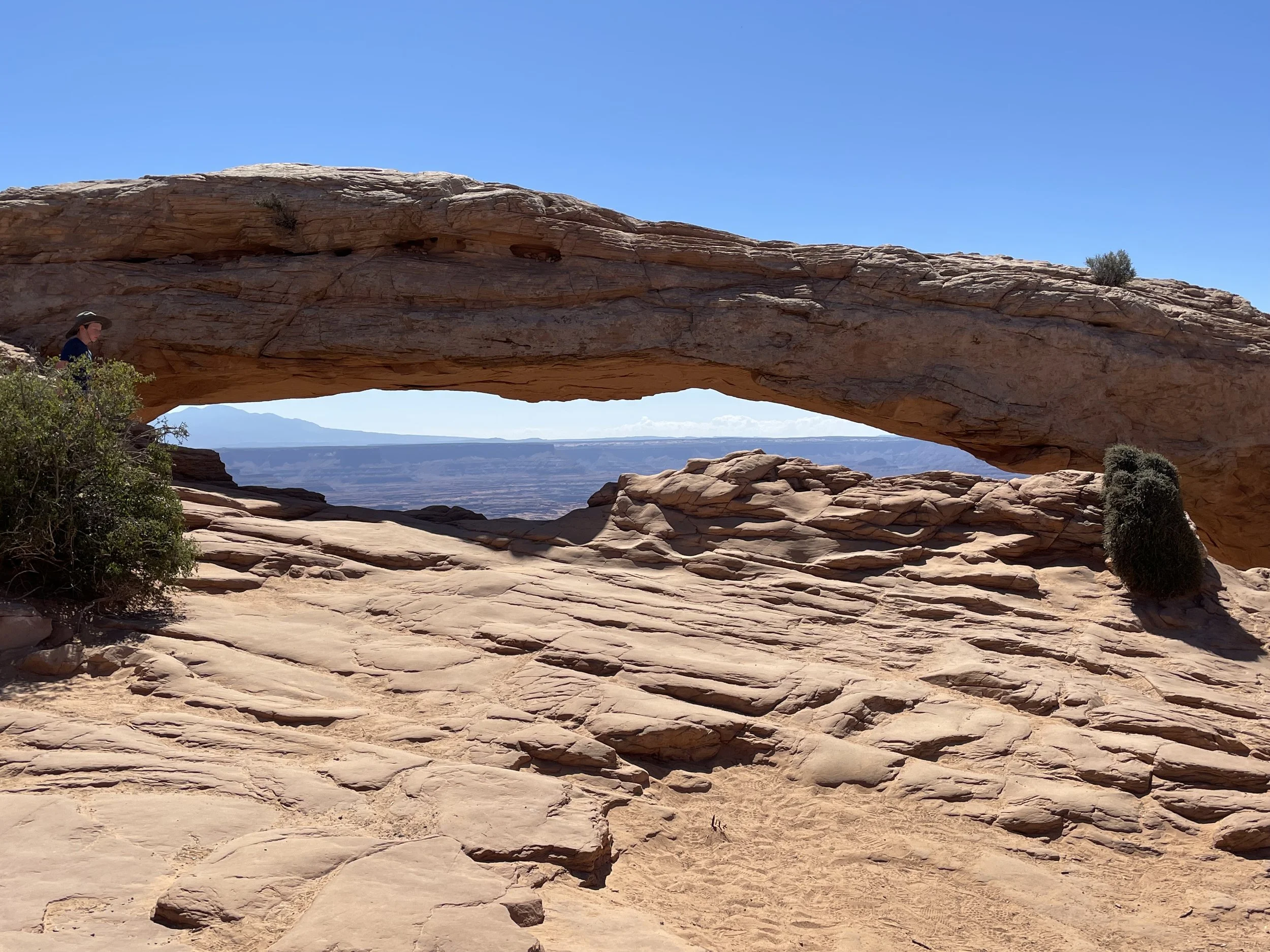
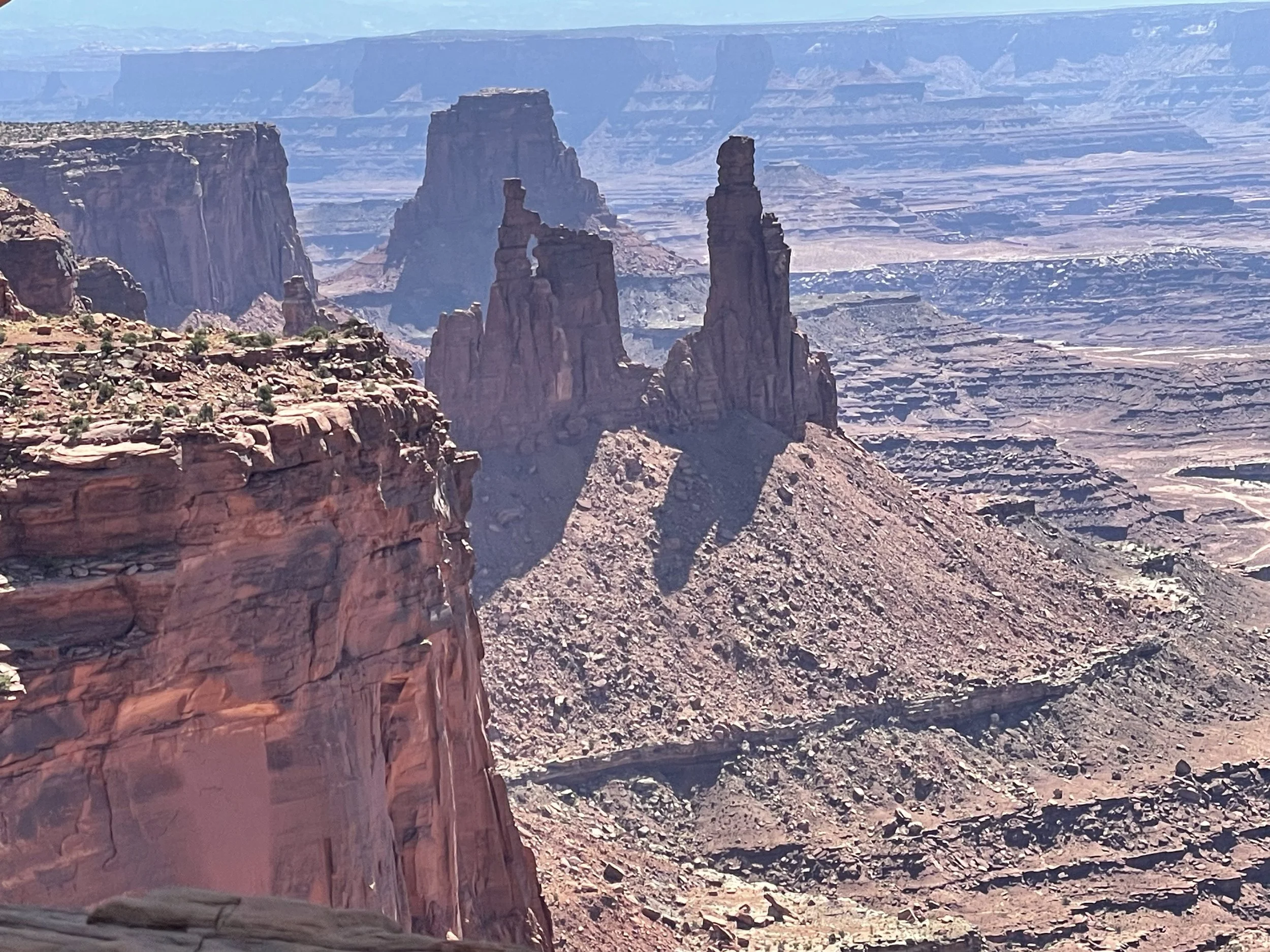
Established in 1971, Arches National Park is part of the Colorado River's extensive system of canyonlands. The unique feature, for which it is named, is the 2000 natural arches formed by millennia of erosive forces. It must be said that the grandeur of the park is not defined solely by its arches. The other-worldly, red sandstone landscape also contains a patchwork of balanced rocks, spires, hoodoos, fins (vertical rock slaps), and slick domes.
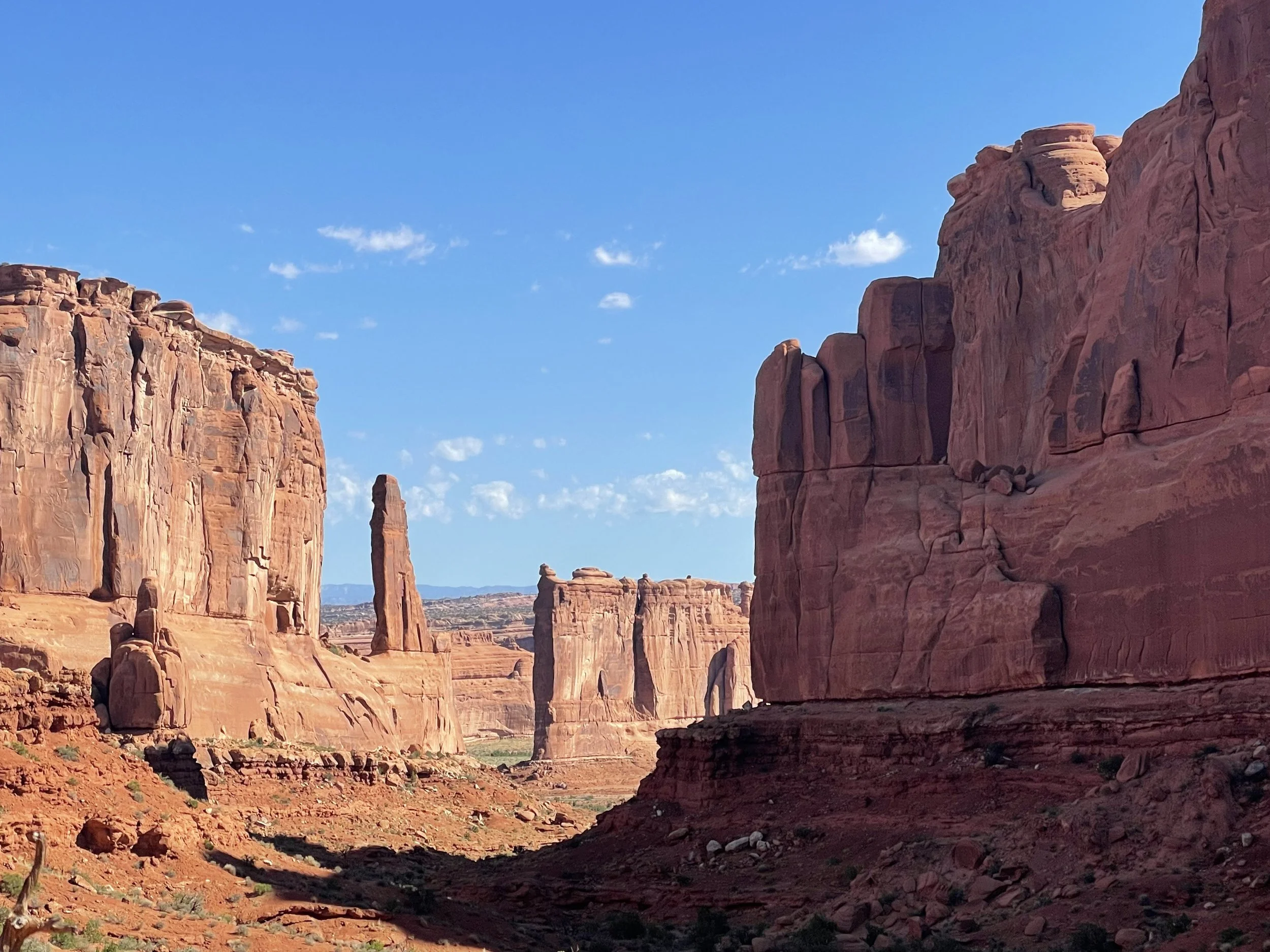
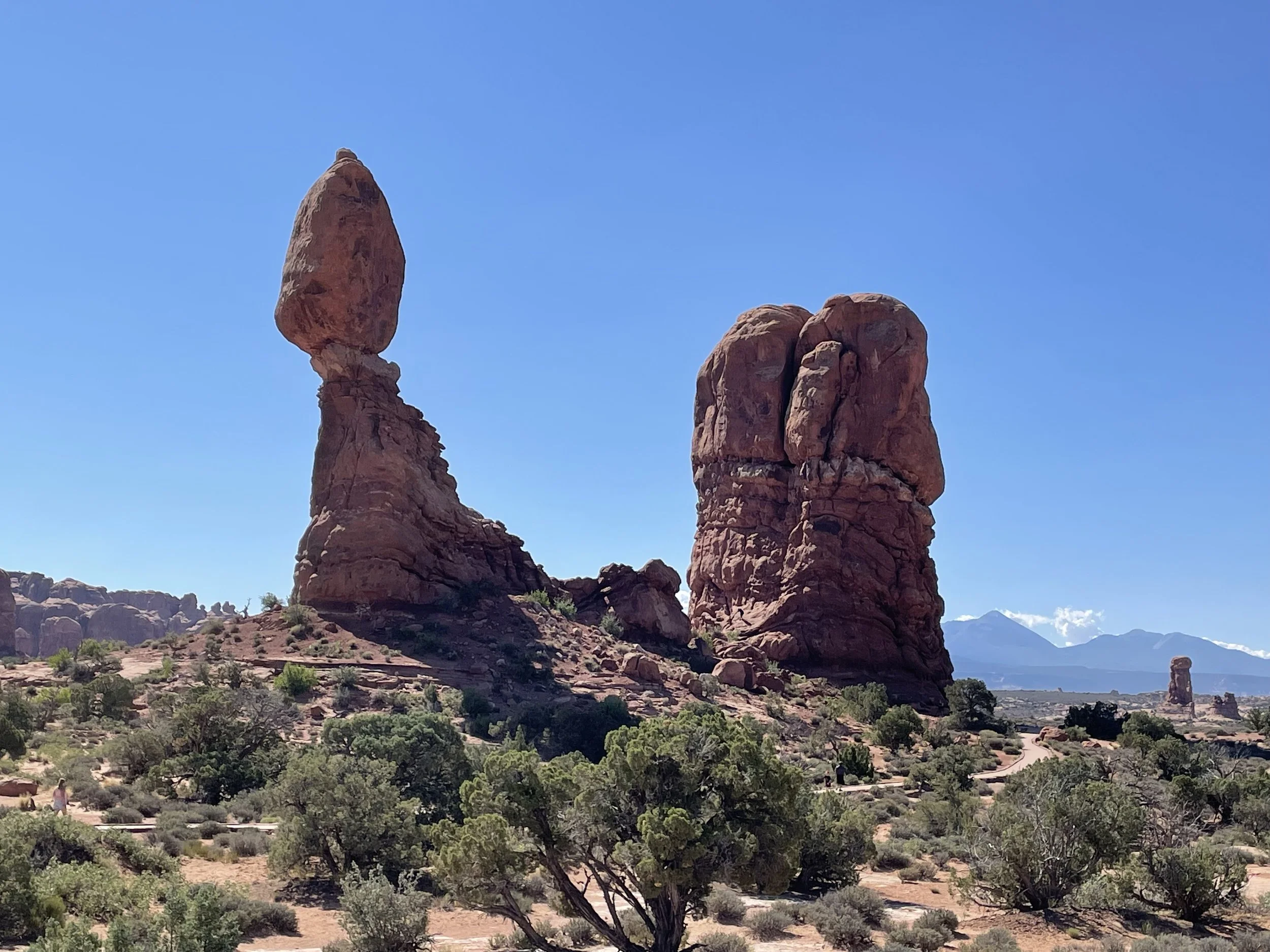
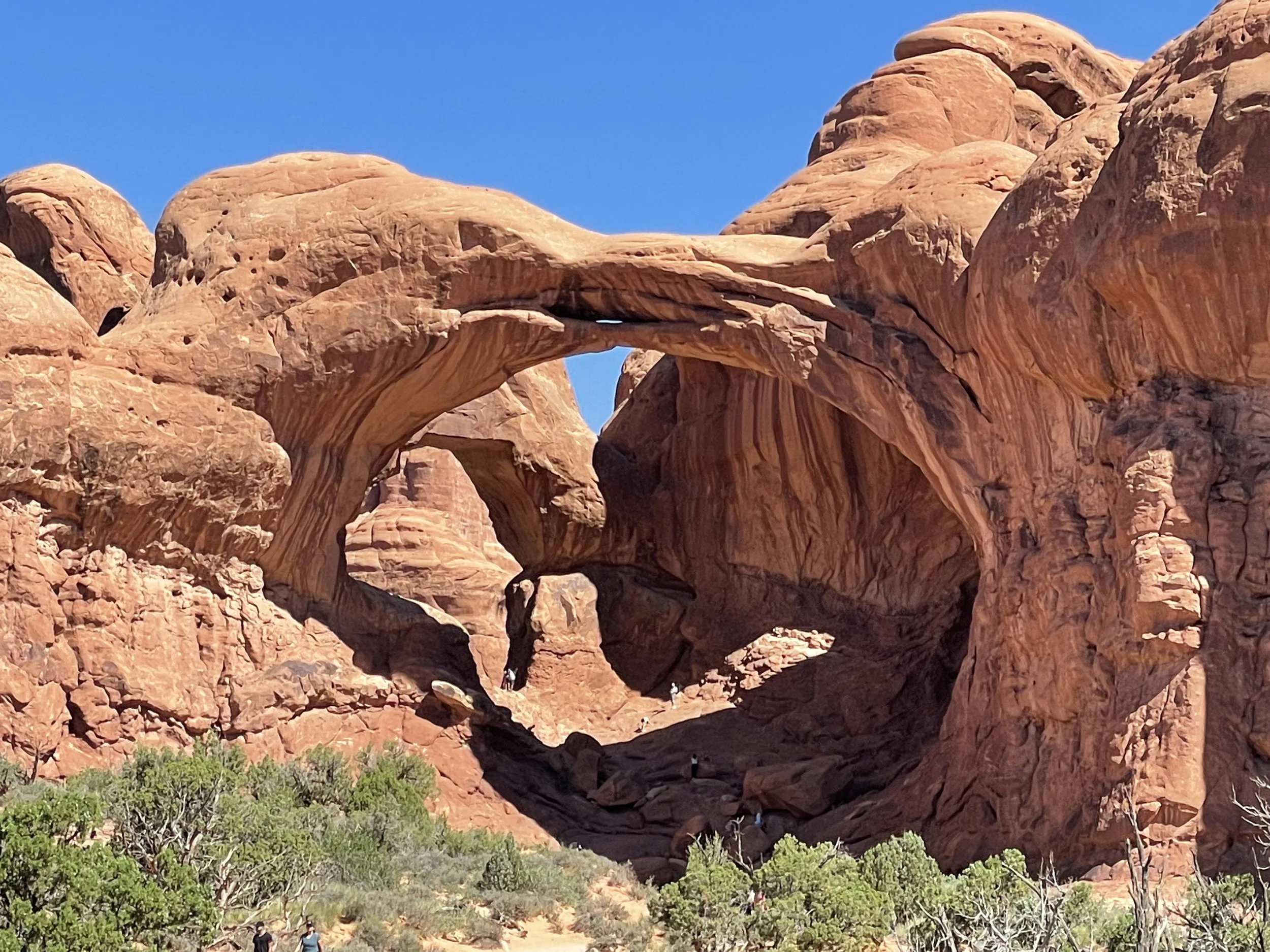
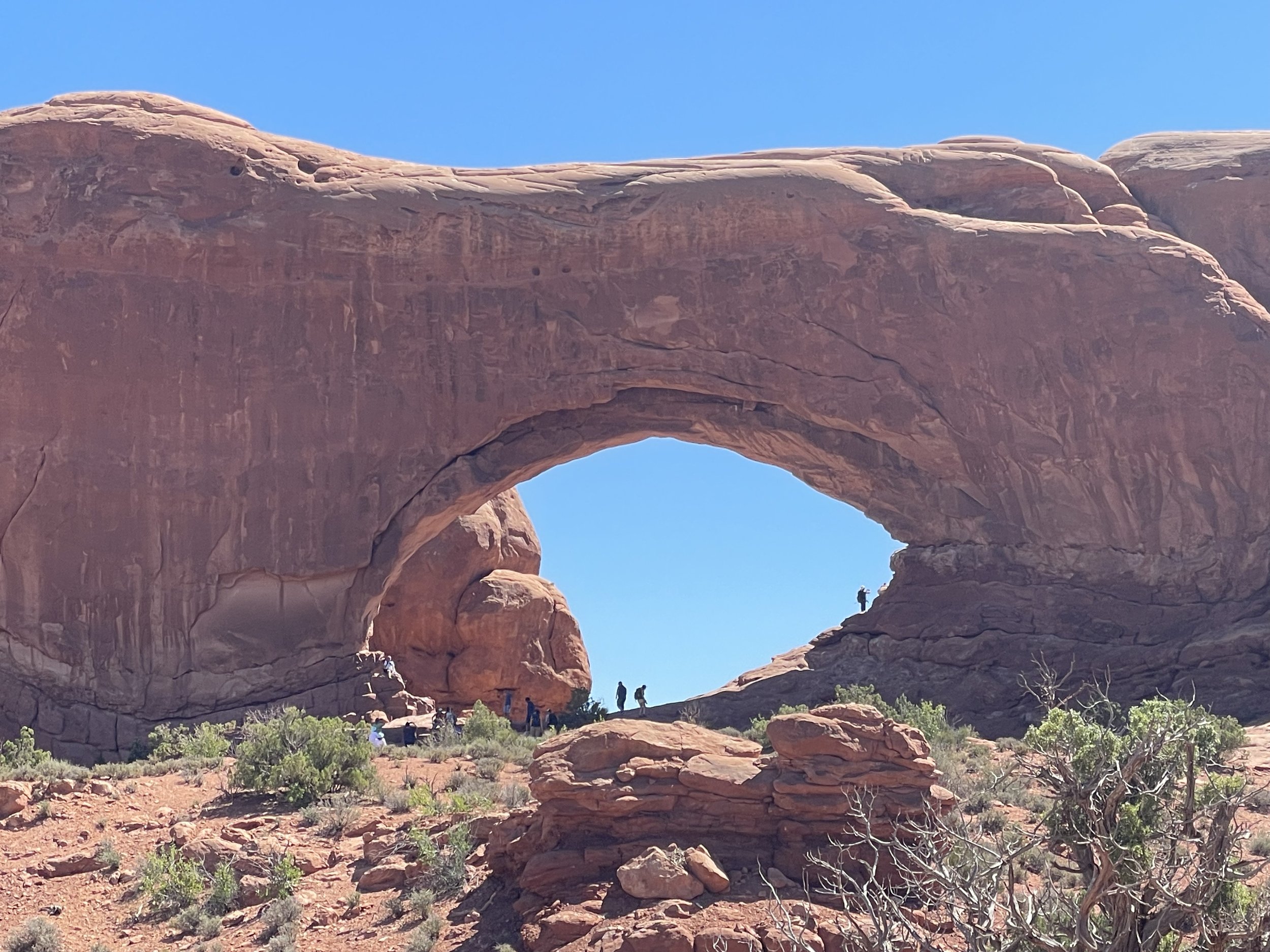
In addition to the park’s natural features, the arid climate can preserve signs of human activity for centuries. Petroglyphs near the Pioneer Cabin are evidence of a native American presence. Sadly, this means that signs of modern visitors will also endure. It is necessary for sightseers to be respectful and understand that the landscape is more fragile than it appears.
Throughout the year, a variety of scenic drives permit exploration by automobile, but it is highly recommended that visitors also explore on foot. This can be done independently or with naturalist-led tours.
Canyonlands National Park
Canyonlands National Park was established in 1964 to preserve a series of colorful canyons, mesas, arches, spires and buttes along the Colorado River in southeastern Utah. The park is a popular destination for a variety of activities, which include rafting, hiking, horseback riding and camping.
Know Before You Go
The parks are open year-round, with spring and fall being the busiest seasons. Temperatures in the summer months can exceed 100° Fahrenheit. Winters can bring snow and temperatures well below freezing. So, it is important to apply caution when planning a visit.