Flagstaff—Arizona
The area around Flagstaff has a multitude of sites to visit. From the Grand Canyon to the Painted Desert and the San Francisco Mountains there is more than enough to choose from. The city is at the center of numerous major geologic, historic and cultural sites, making it a great base of operations while in this part of Arizona.
Here are a few of the major sites:
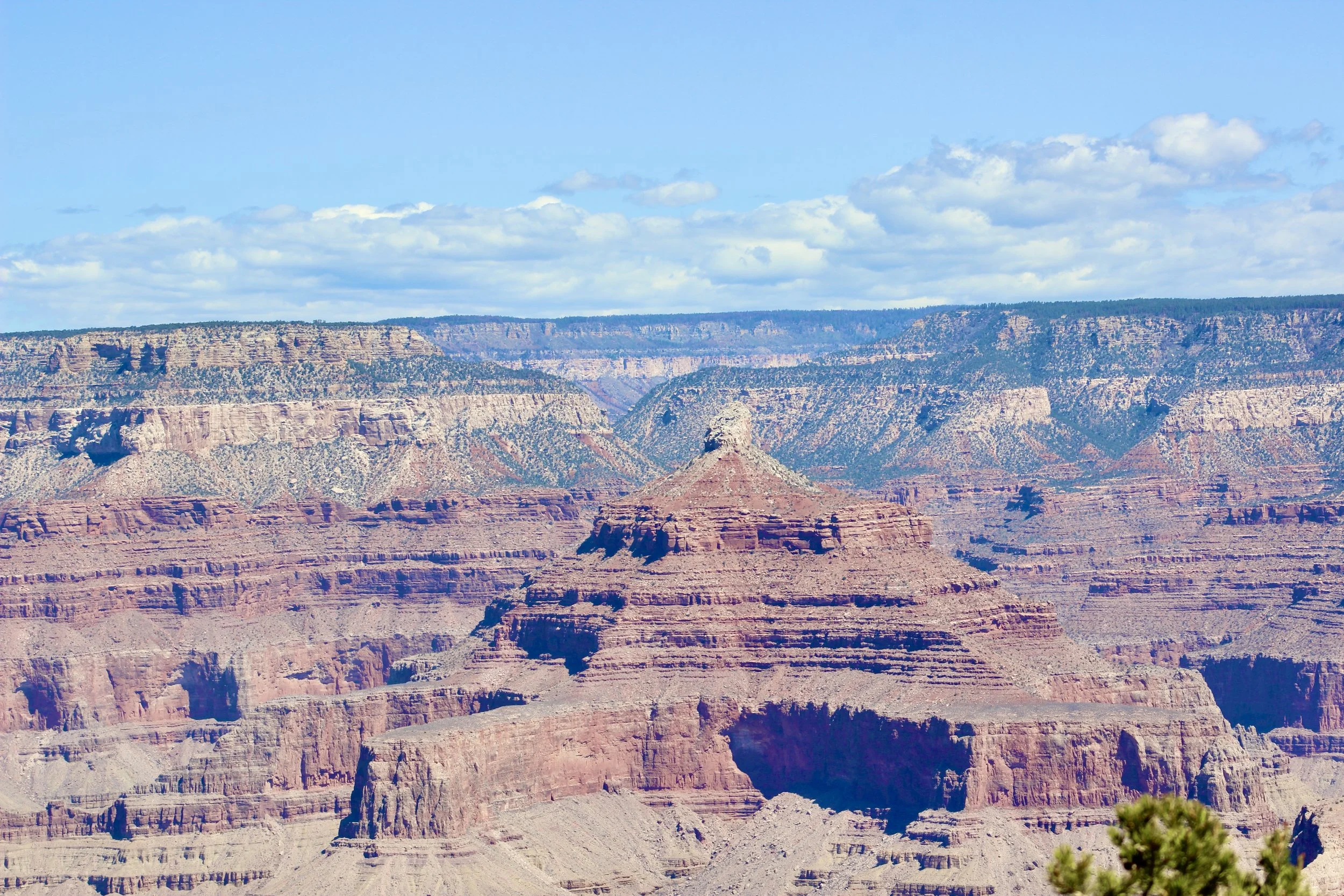
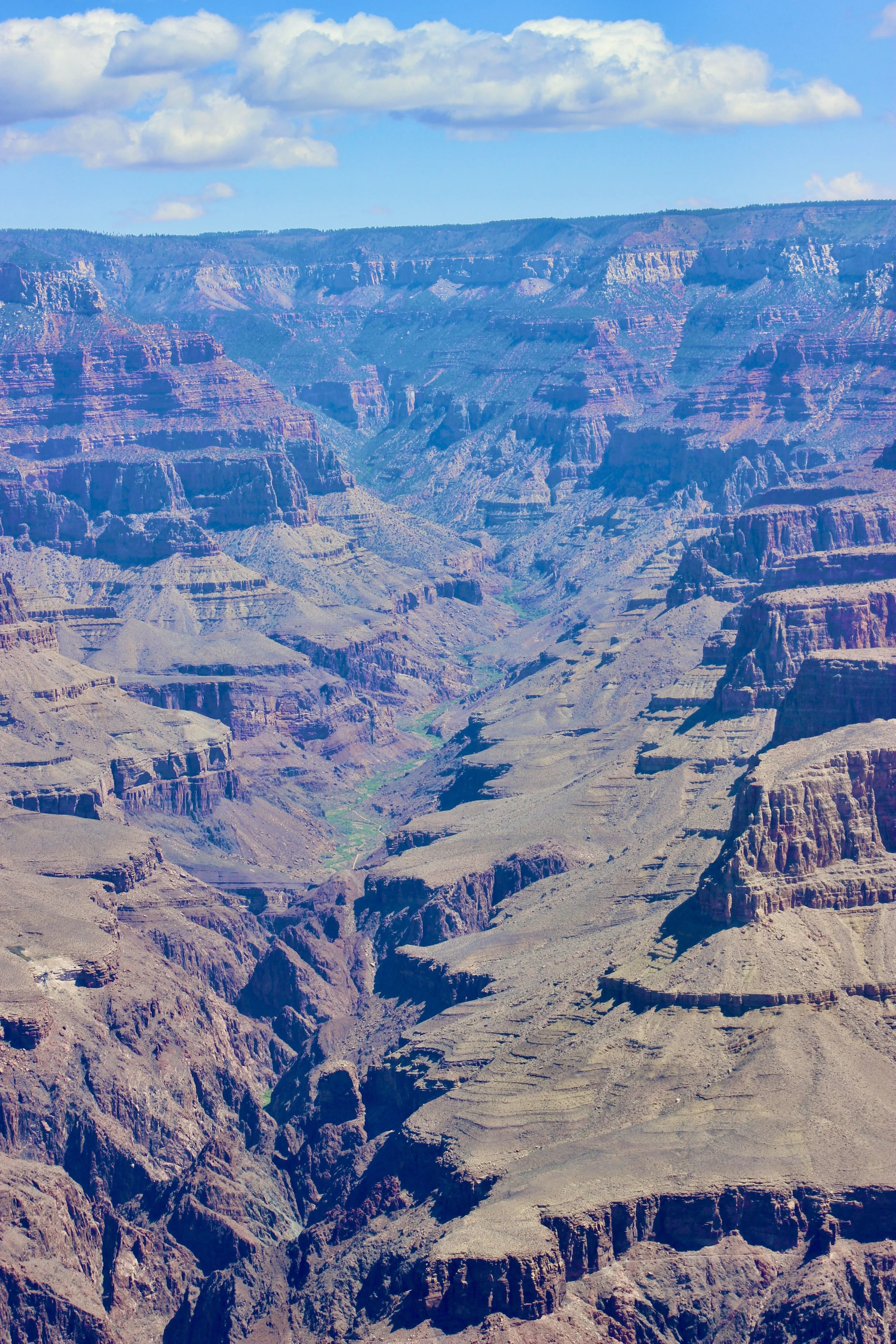
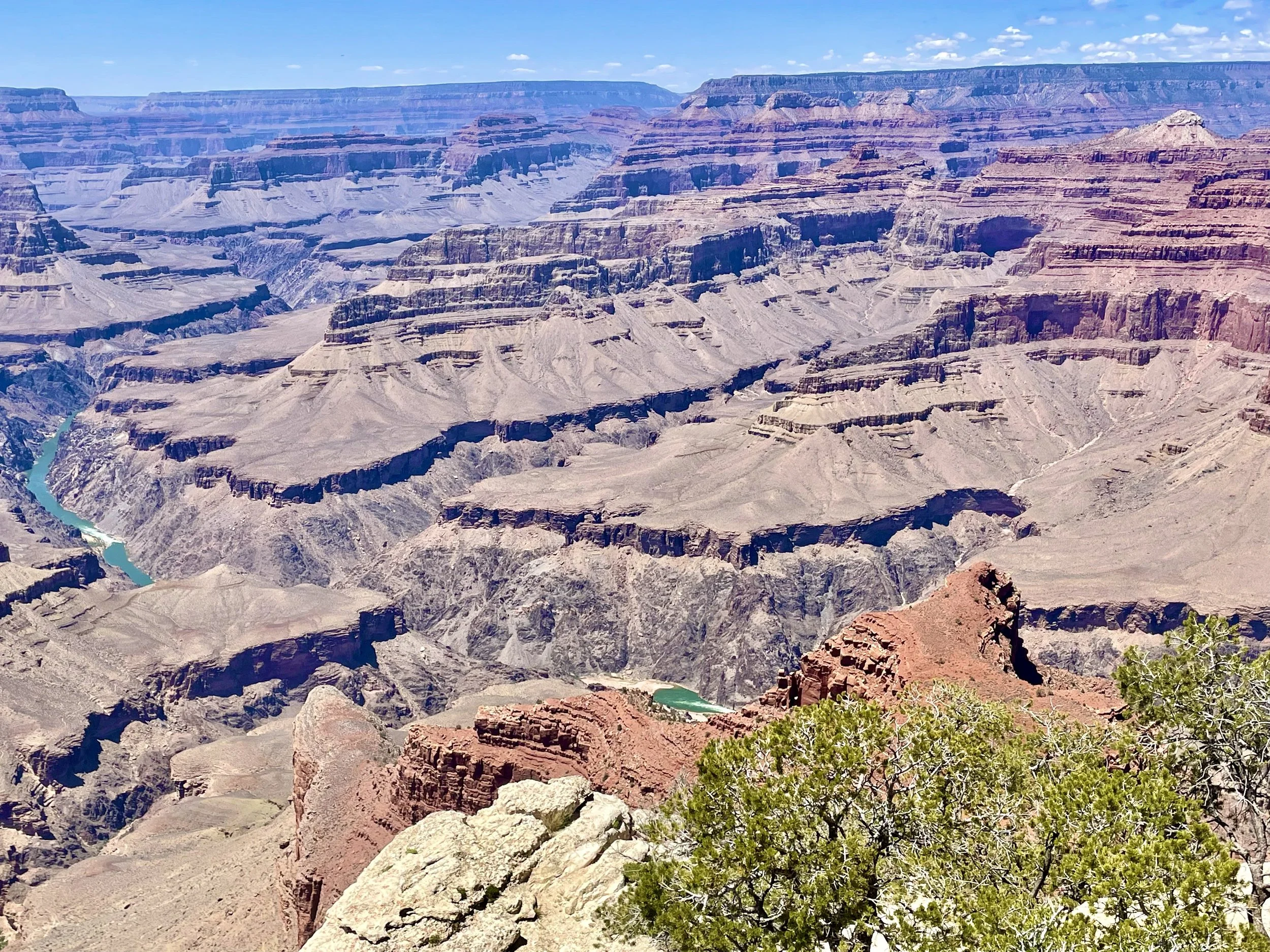
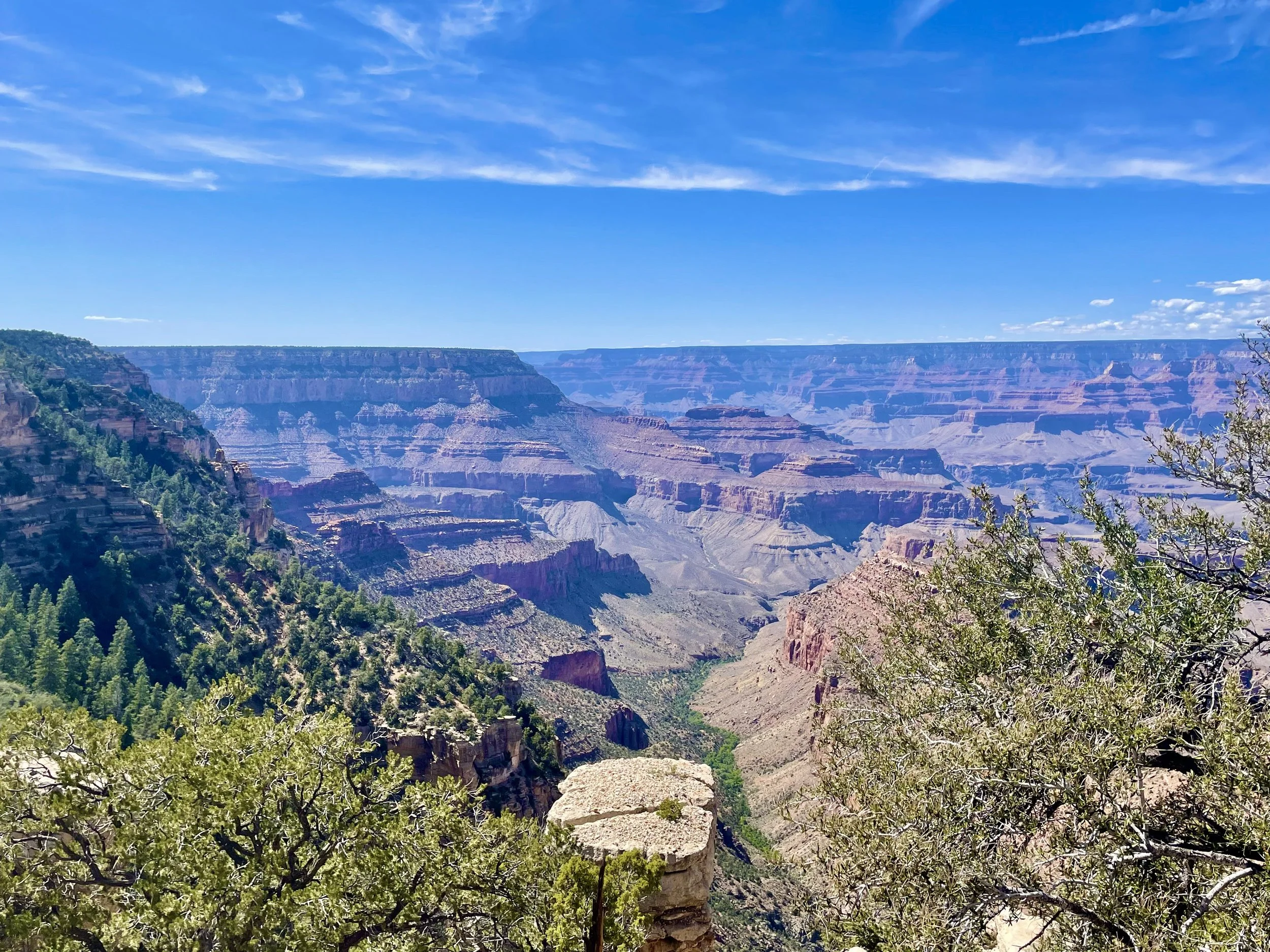
Grand Canyon National Park
The Grand Canyon was declared a national park in 1919 and designated a UNESCO World Heritage Site in 1979. The canyon was once considered one of the “wonders of the world” and is one of the most visited sites in the national park system. The park includes 277 miles of the Colorado River and adjacent land and offers some of the world’s most breathtaking vistas.
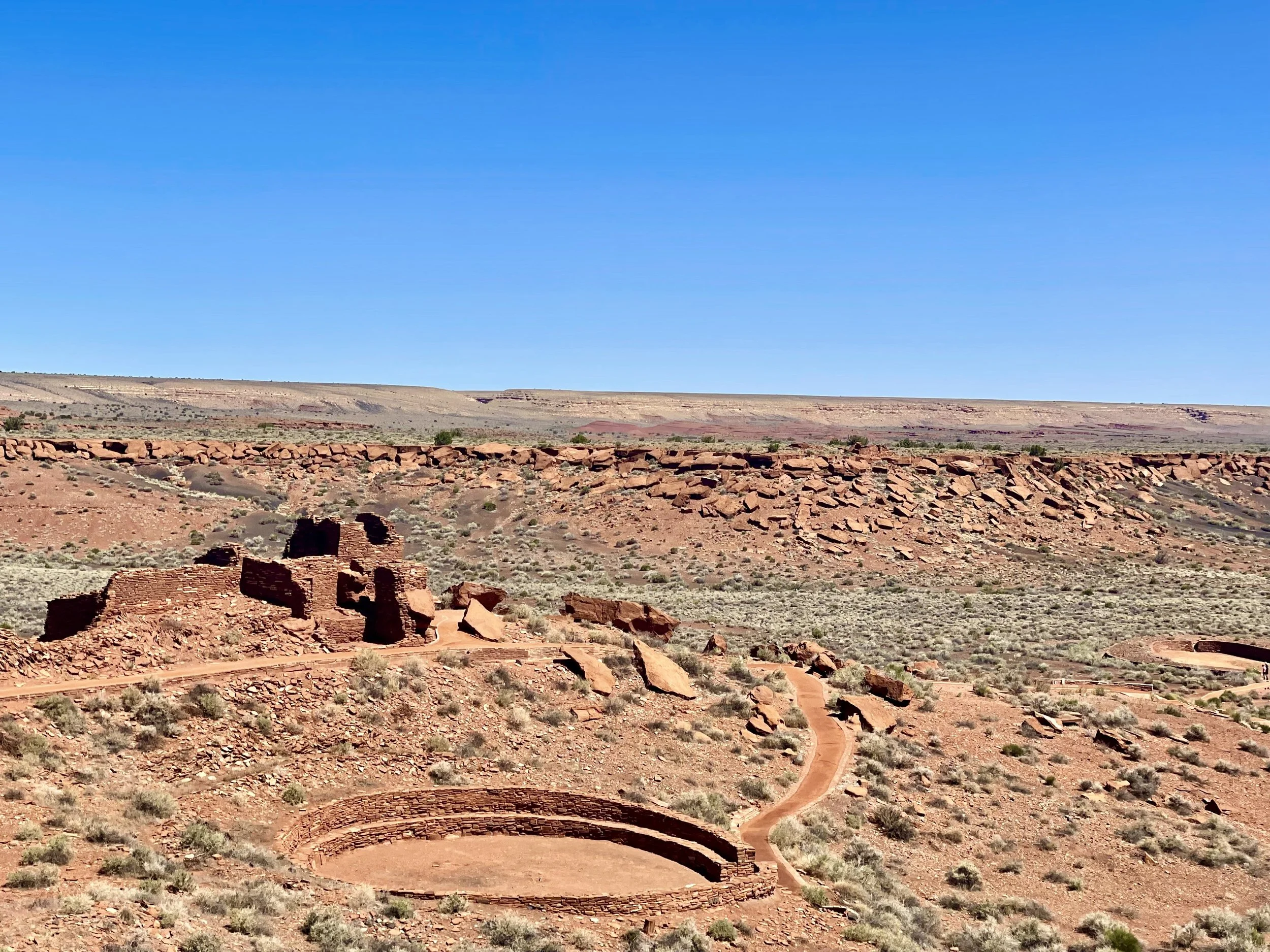
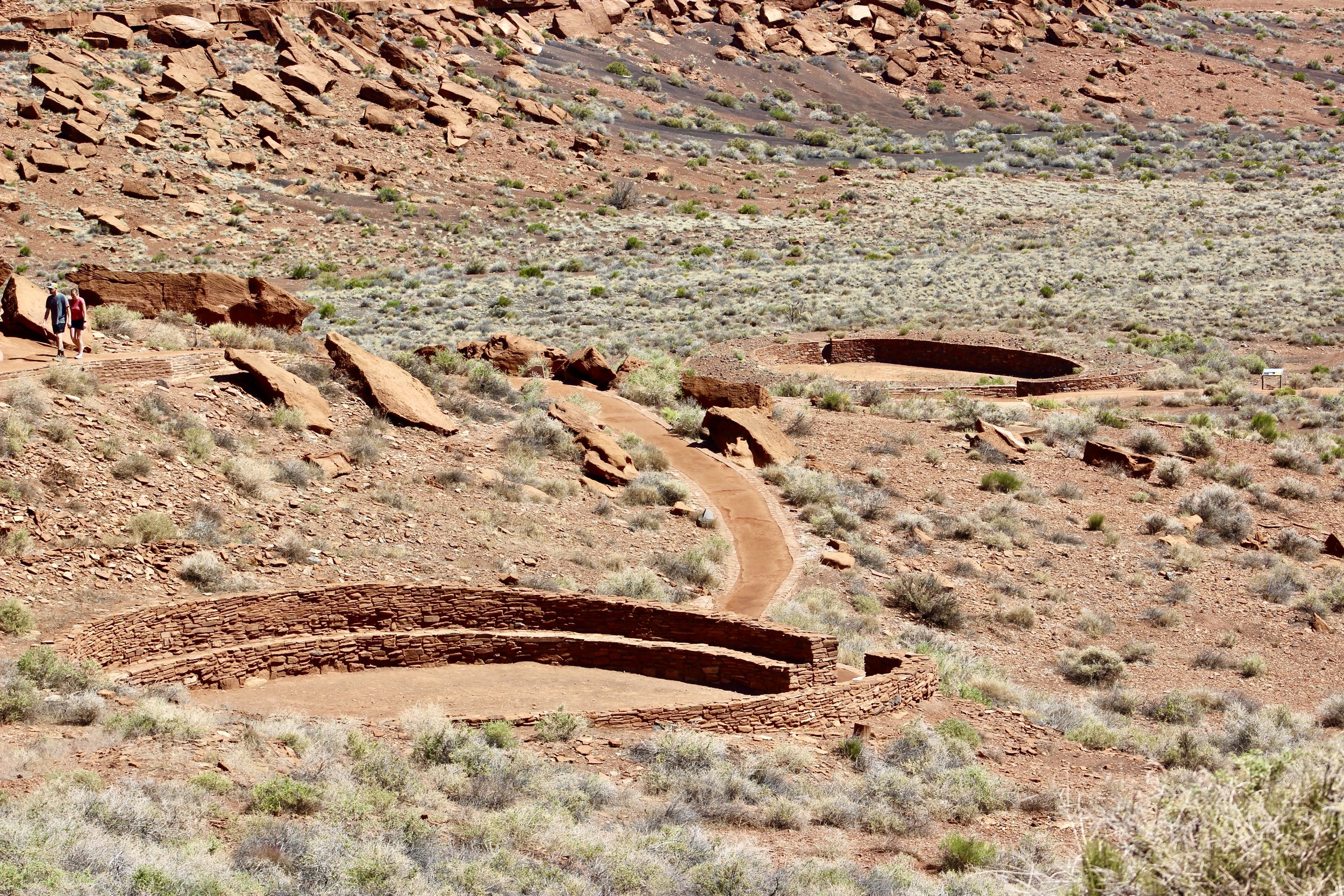
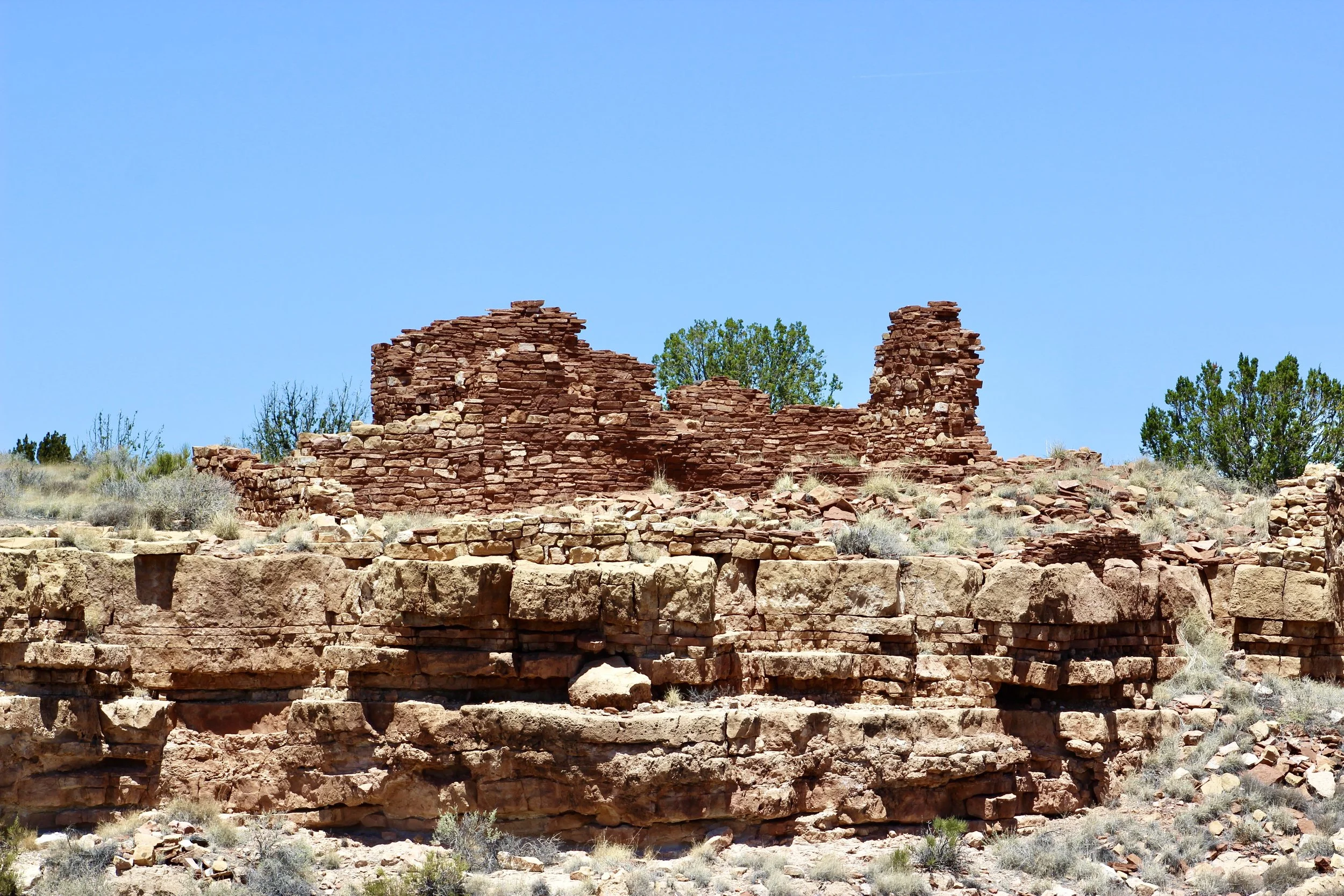
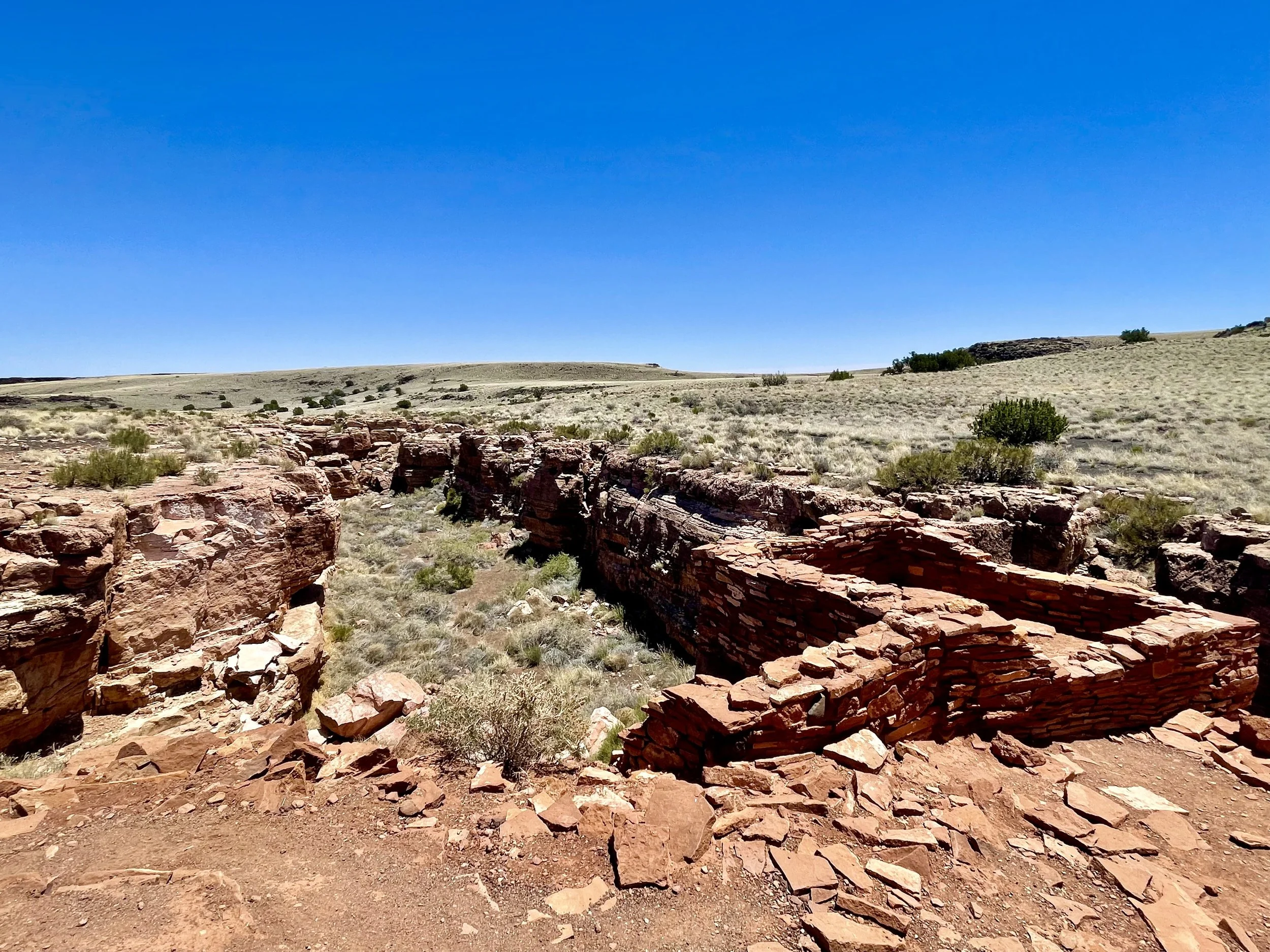
Wupatki National Monument
Wupatki National Monument was established to protect a series of ancient sites settled by the various pueblo peoples beginning around 500 CE. The area contains about 30 adobe structures scattered throughout the monument.
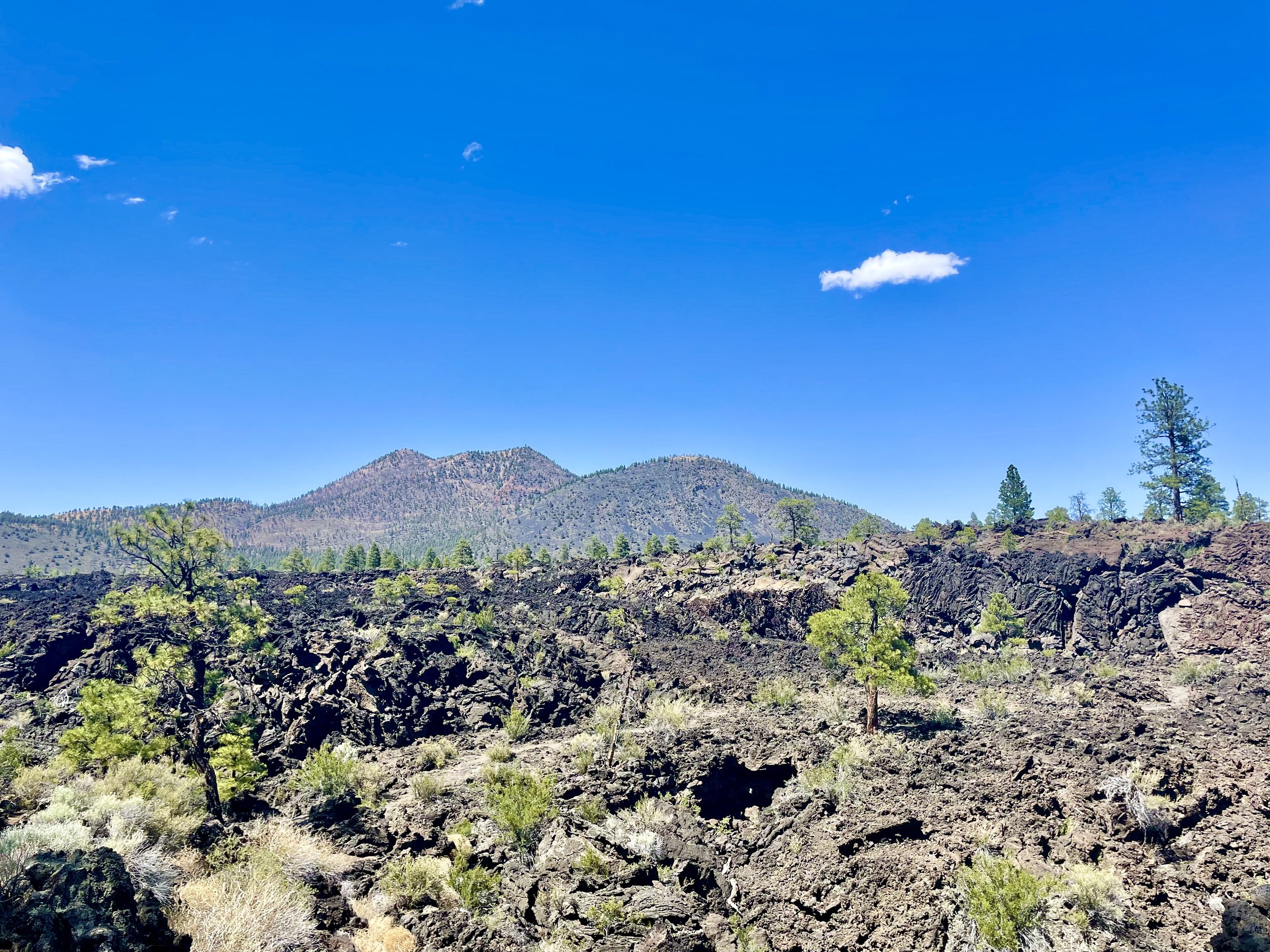
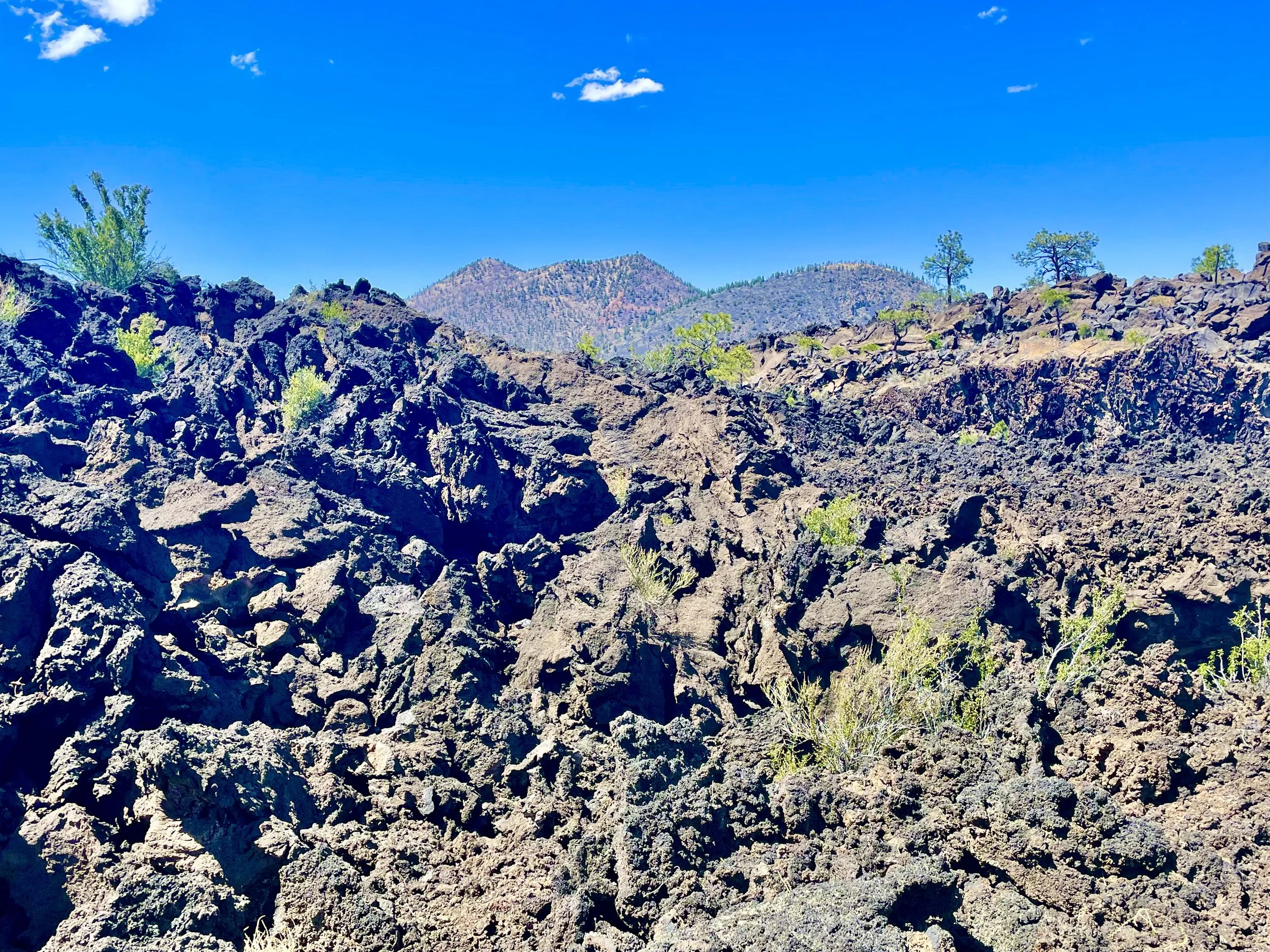
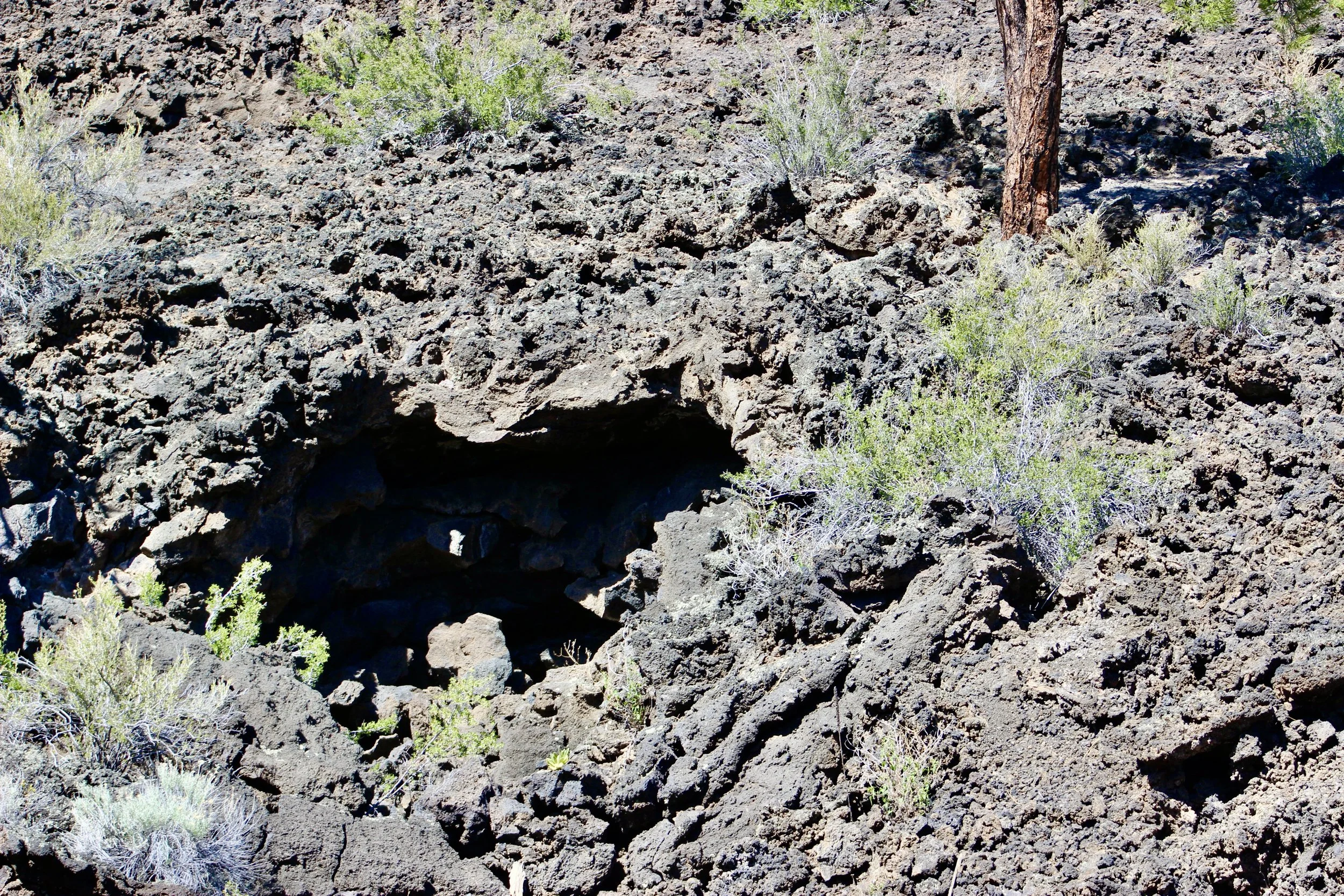
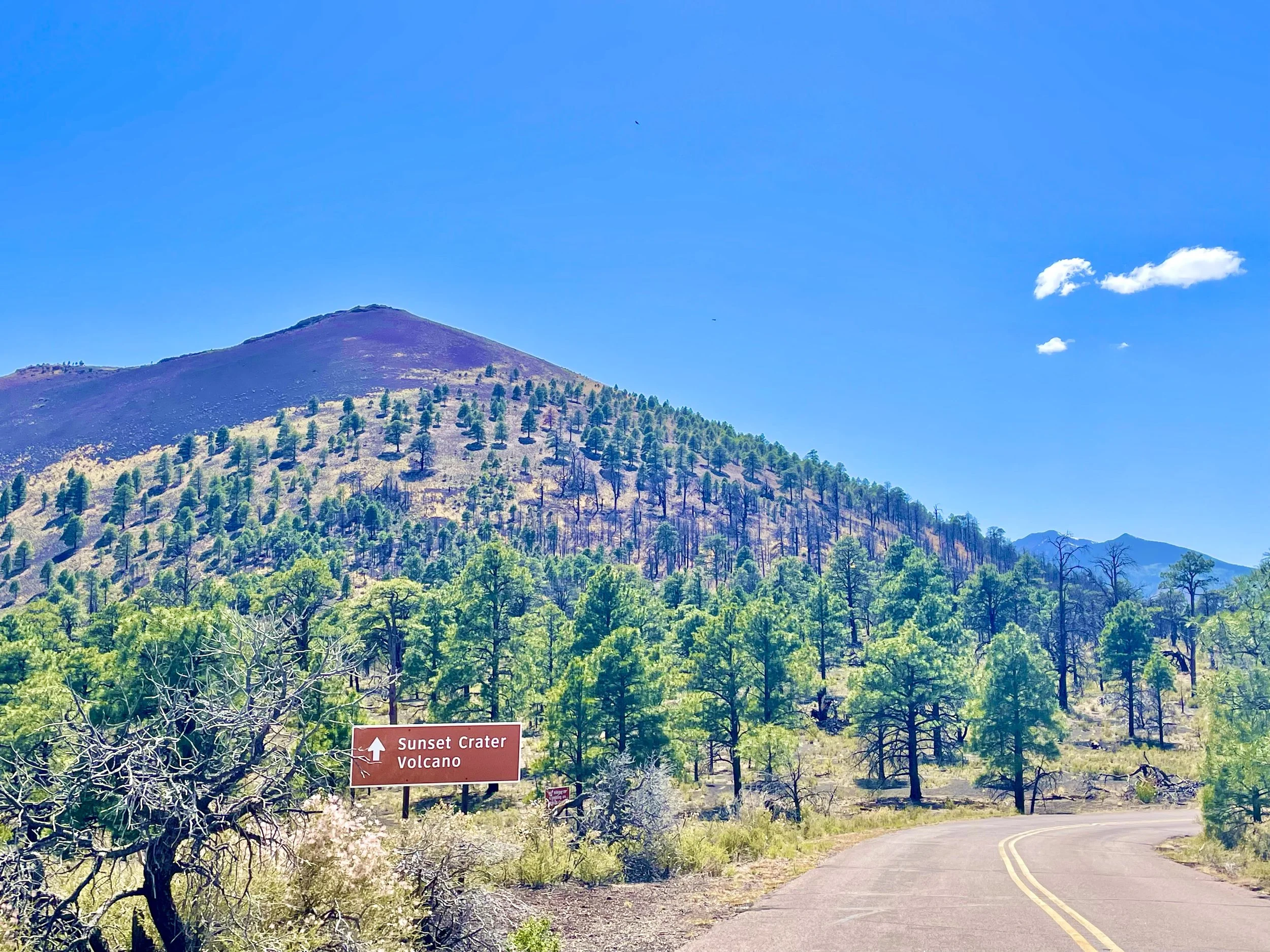
Sunset Crater Volcano National Monument
Sunset Crater, which erupted in 1085, is the youngest of the volcanos that created the San Francisco Mountains north of Flagstaff. Interest in preserving the site led to the creation of the Sunset Crater Volcano National Monument in 1930. The area offers hiking opportunities, but access to the summit is not permitted.
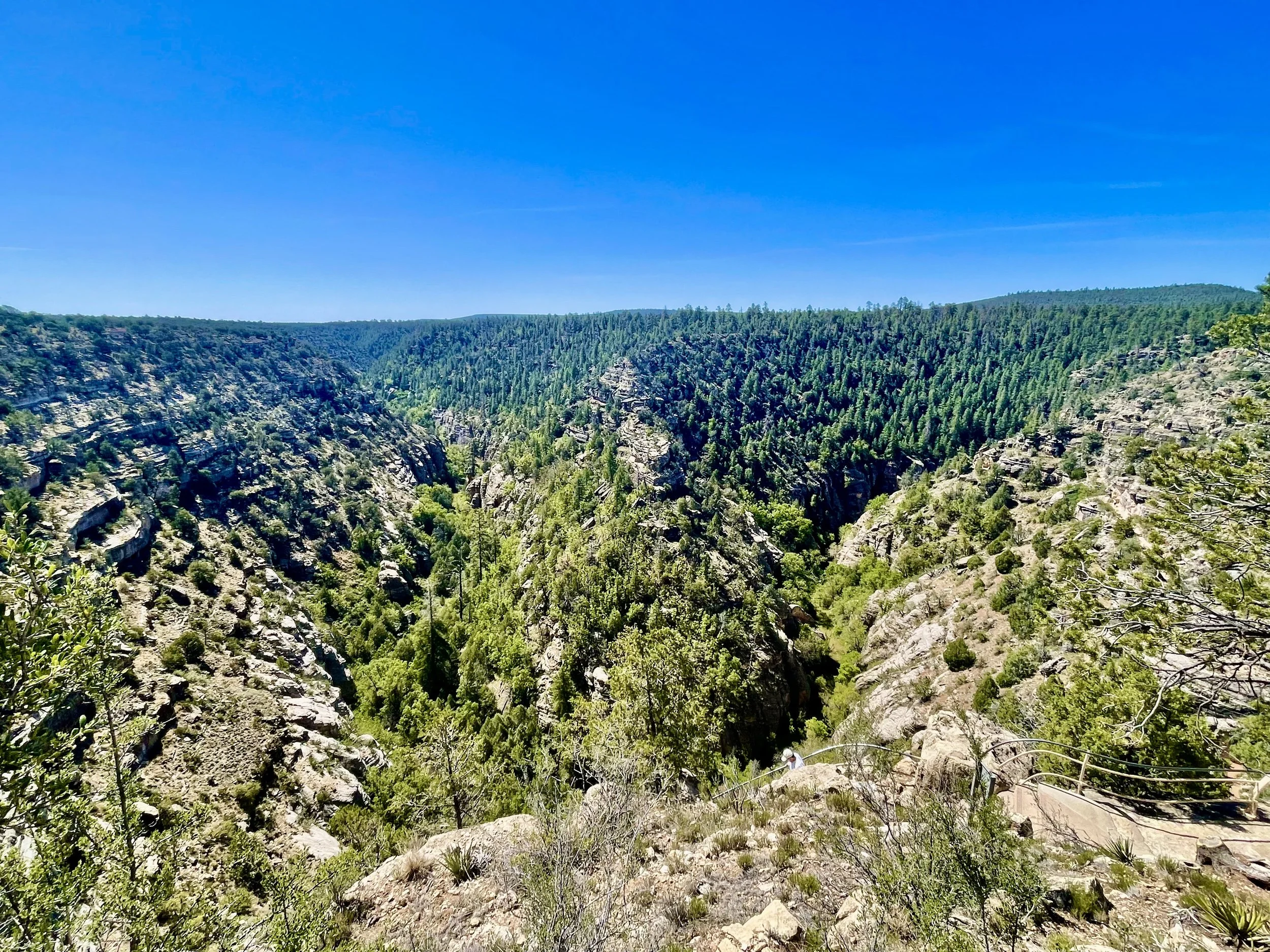
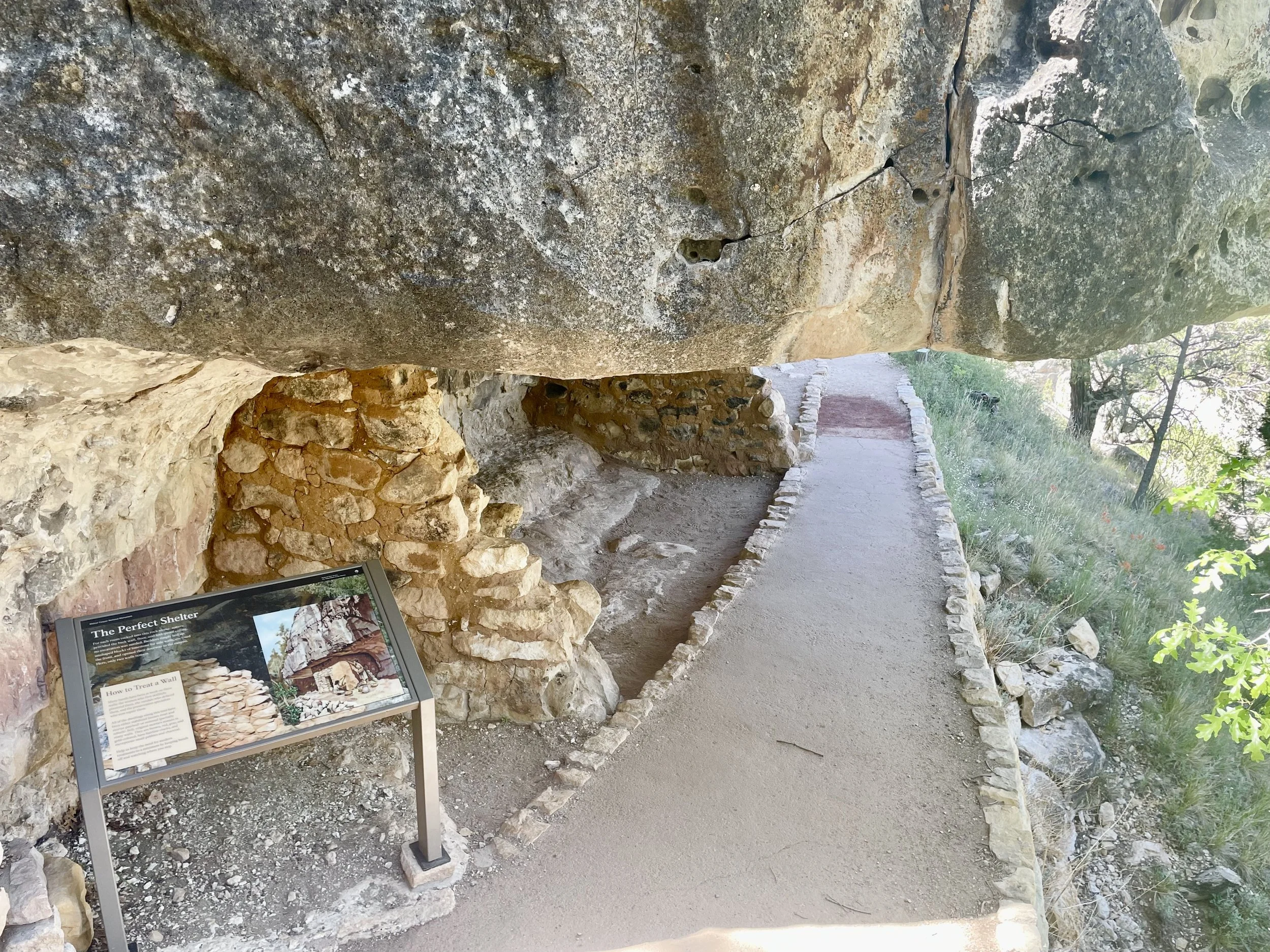
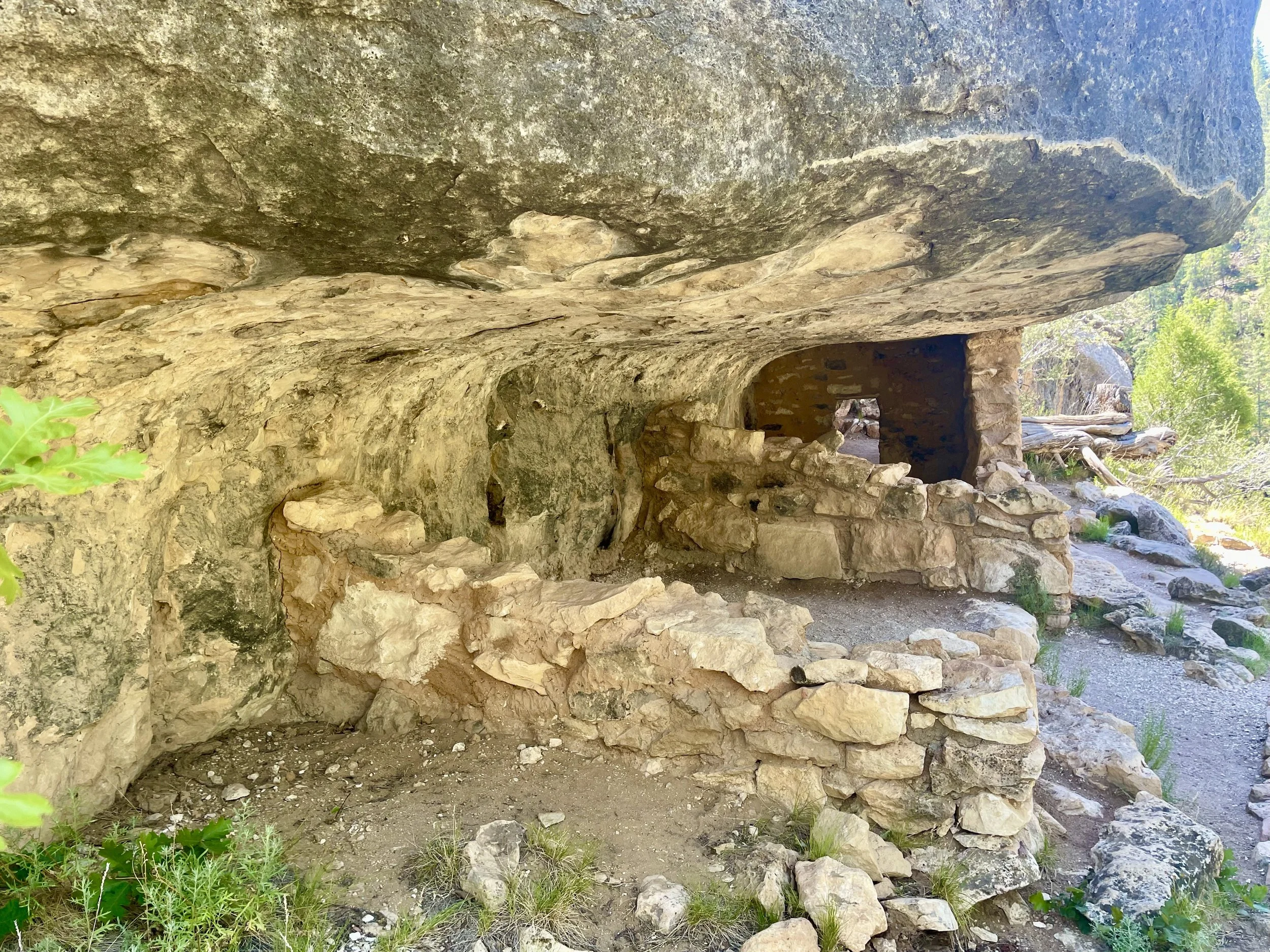
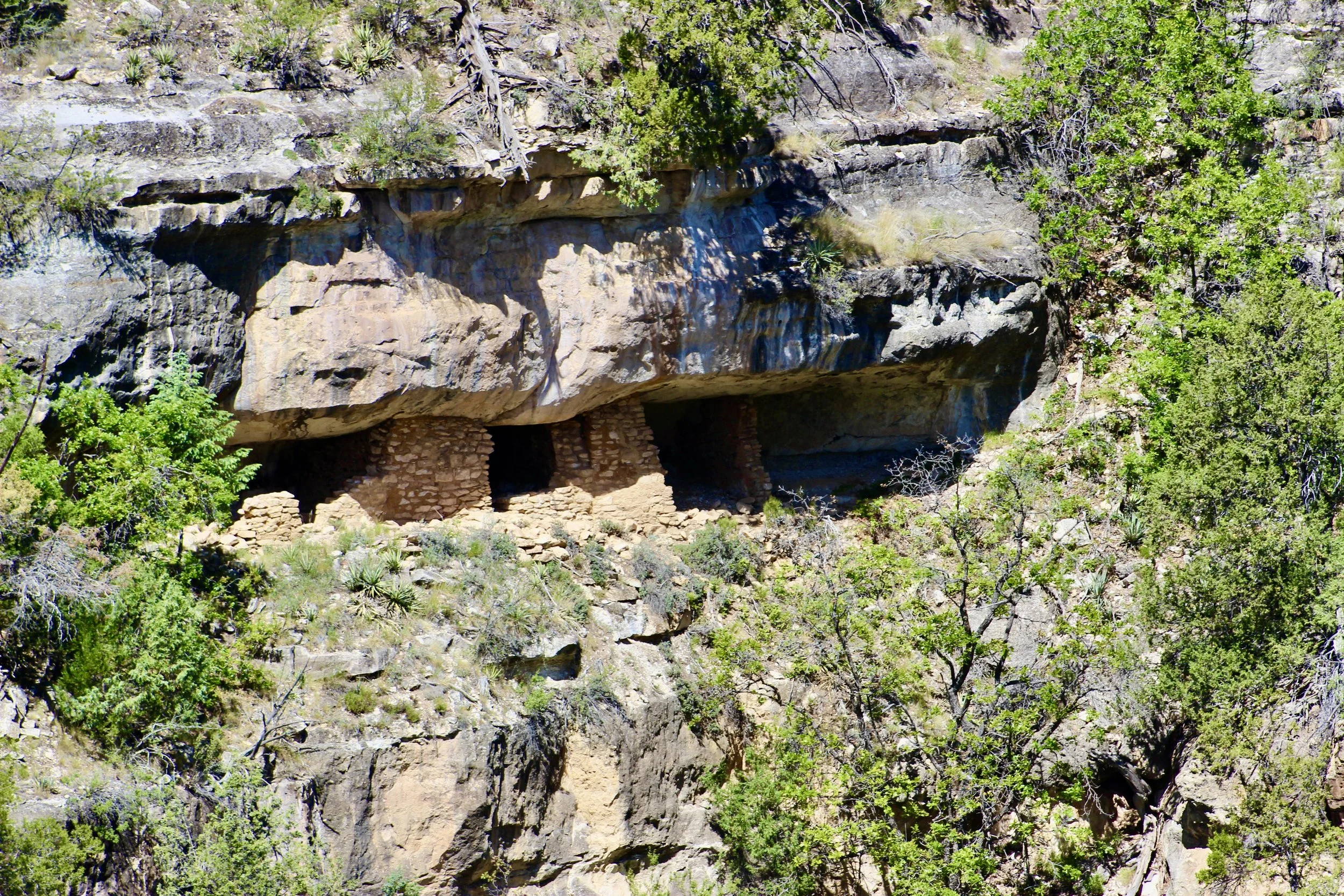
Walnut Canyon National Monument
Six-hundred-foot canyon walls and cliff dwellings built under limestone ledges are preserved by Walnut Canyon National Monument. The National Park Service has provided well-maintained trails that lead visitors to a close viewing of the dwellings.
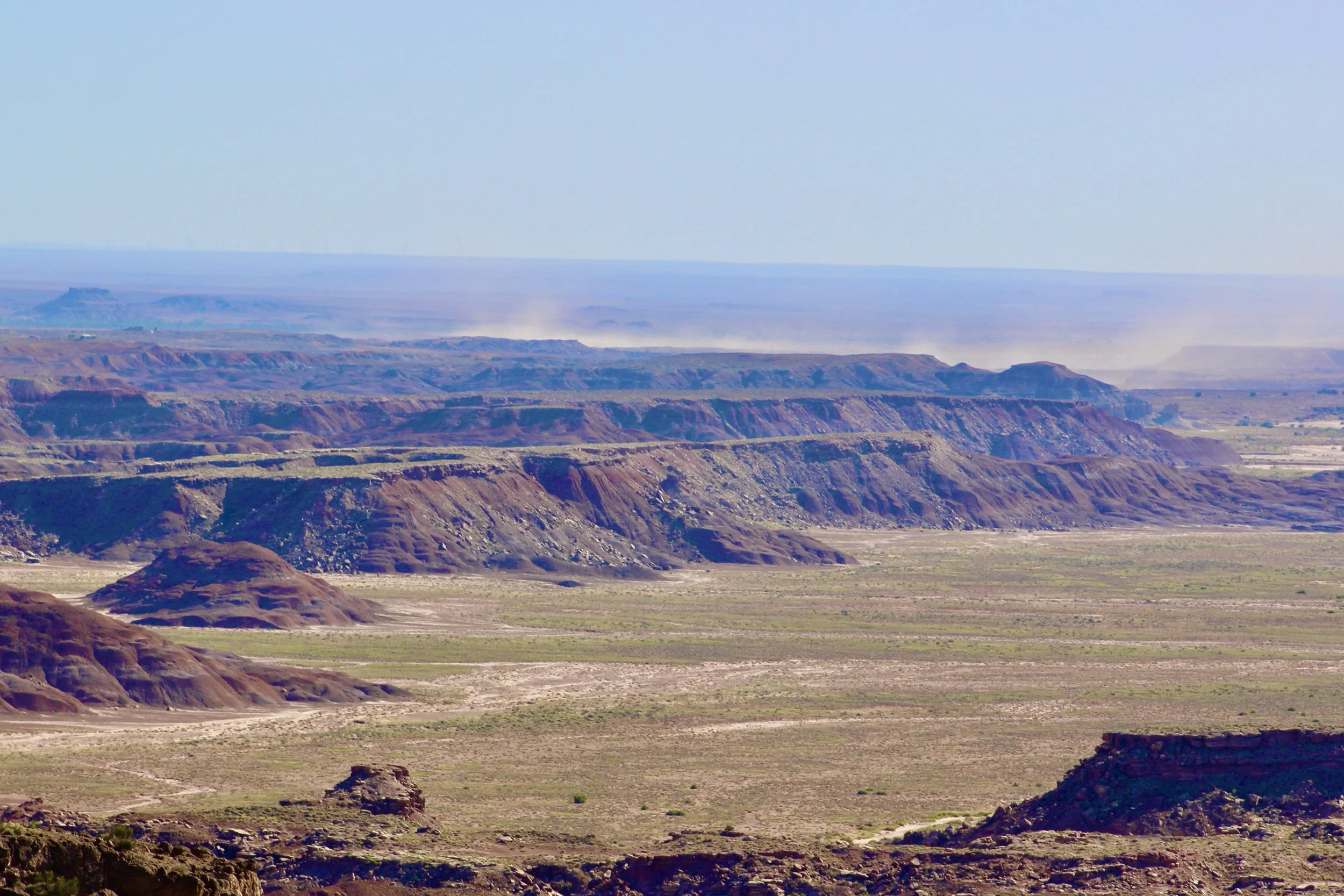
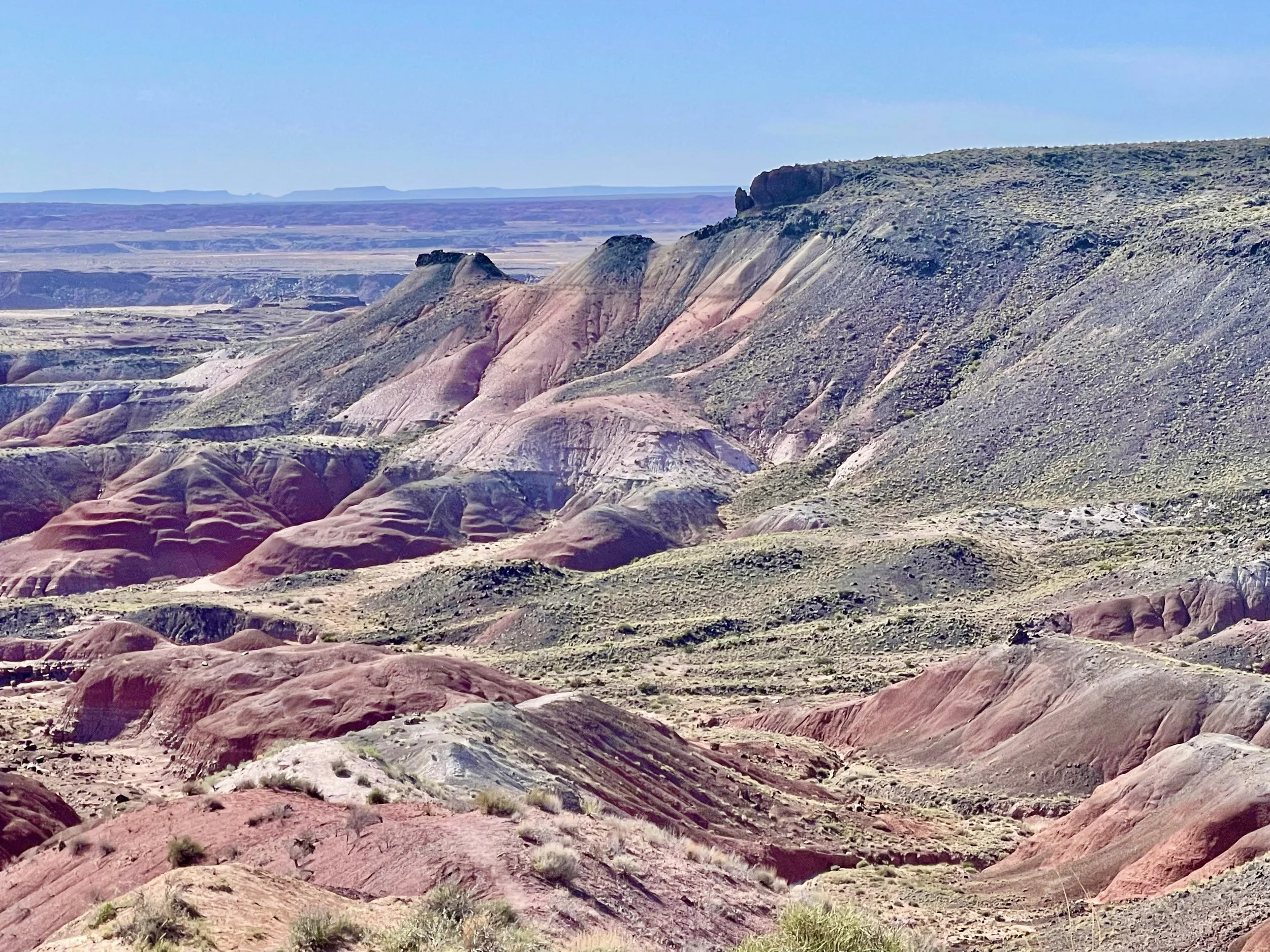
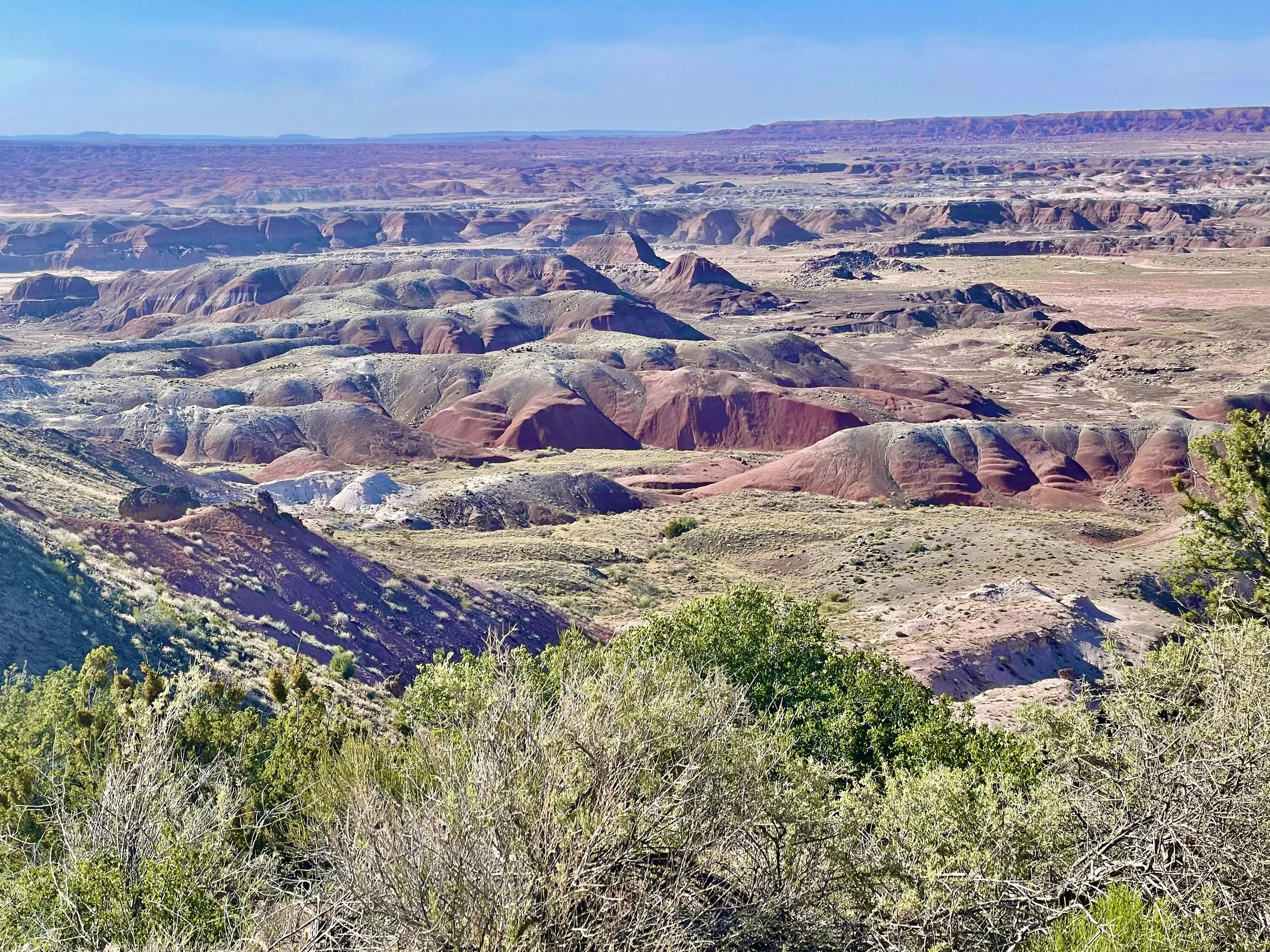
Painted Desert
This area of desert badland runs from the Four Corners area nearly to the Grand Canyon and south to Petrified Forest National Park. It is known for its richly colored rocks that include shades of red, white and lavender.
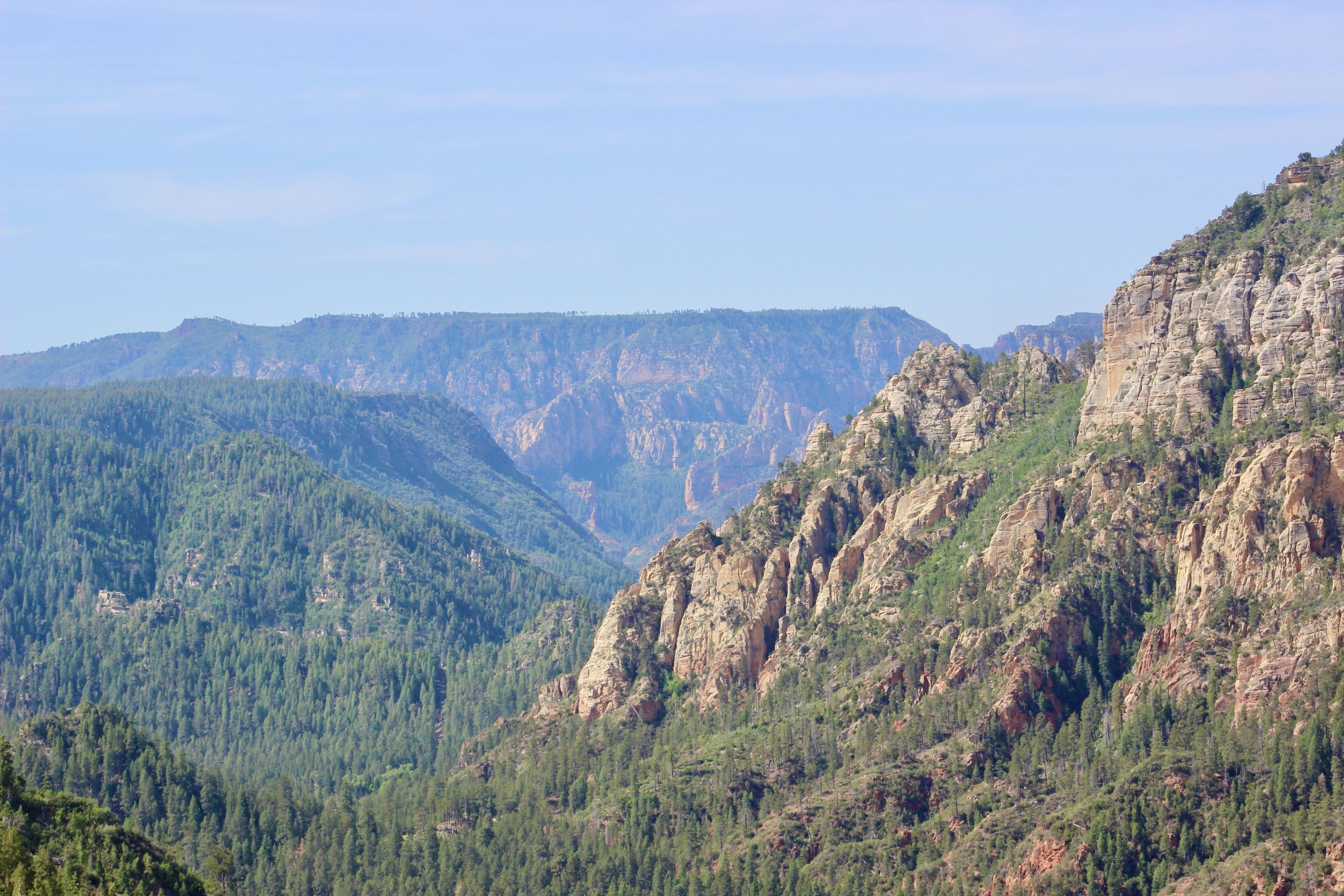
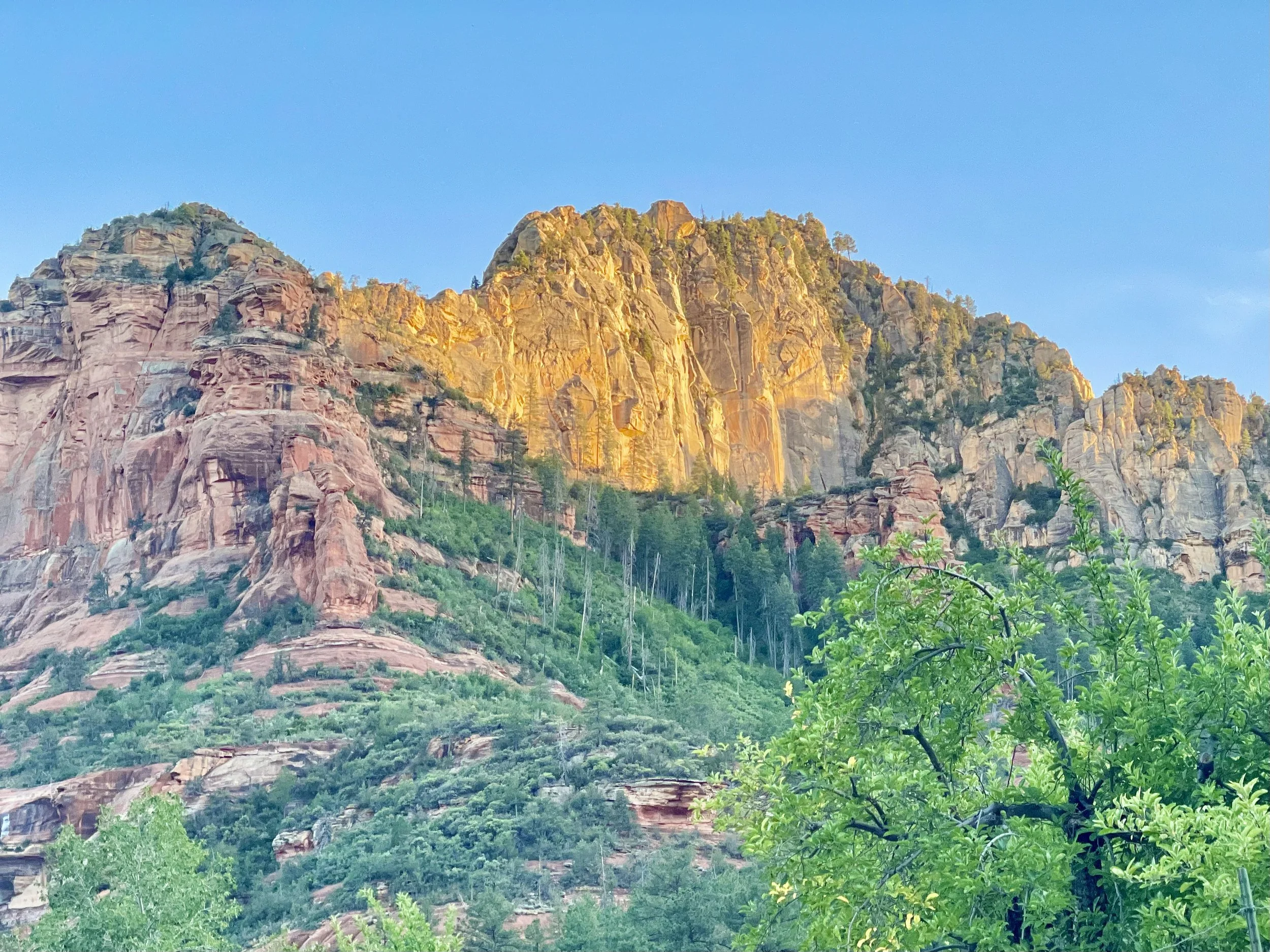
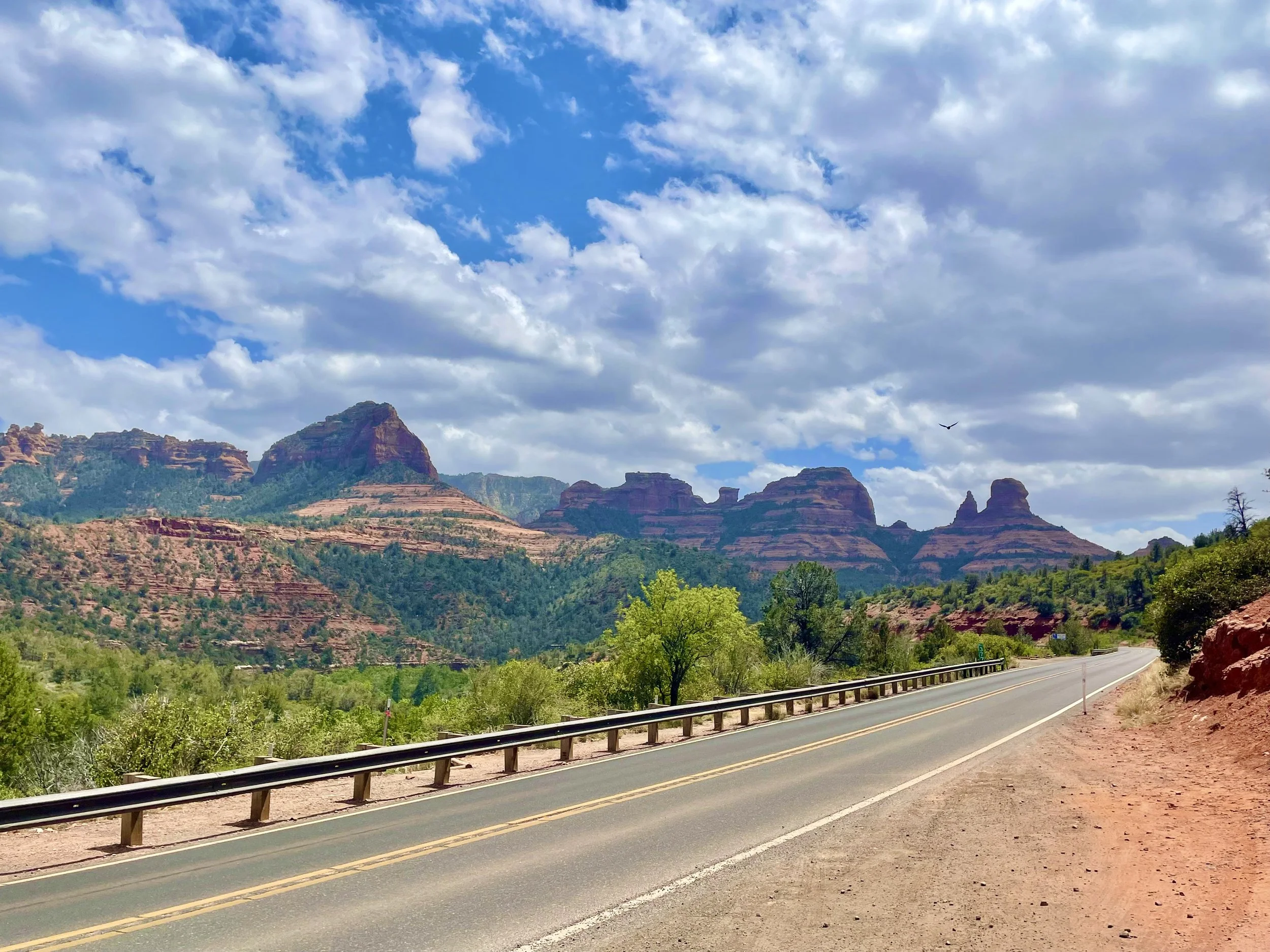
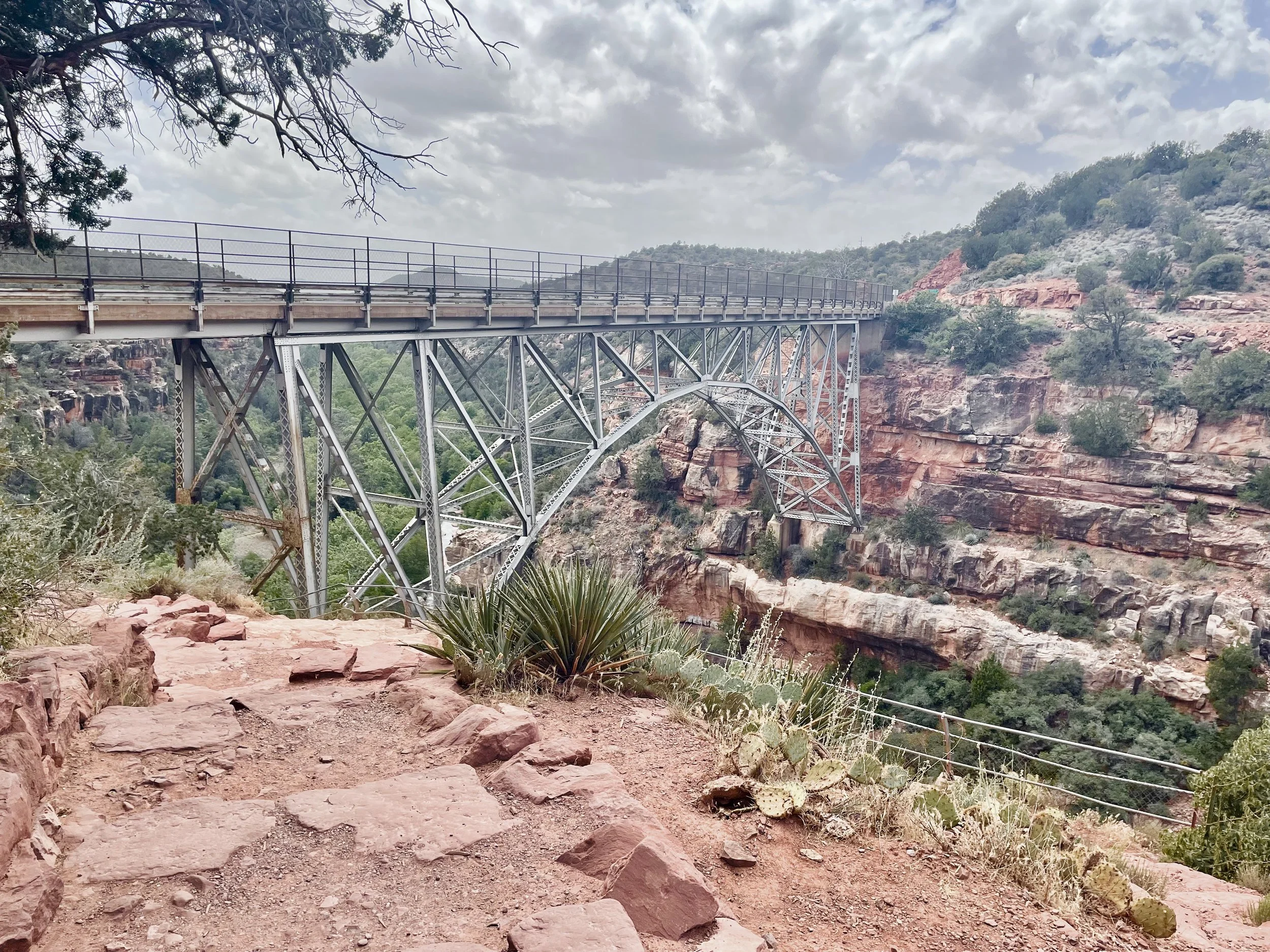
Oak Creek Canyon Scenic Byway
This section of State Route 89A winds through a northern section of the Coconino National Forest and a steep canyon forested with deciduous and coniferous trees that are very different from the southern sections of the Coconino.