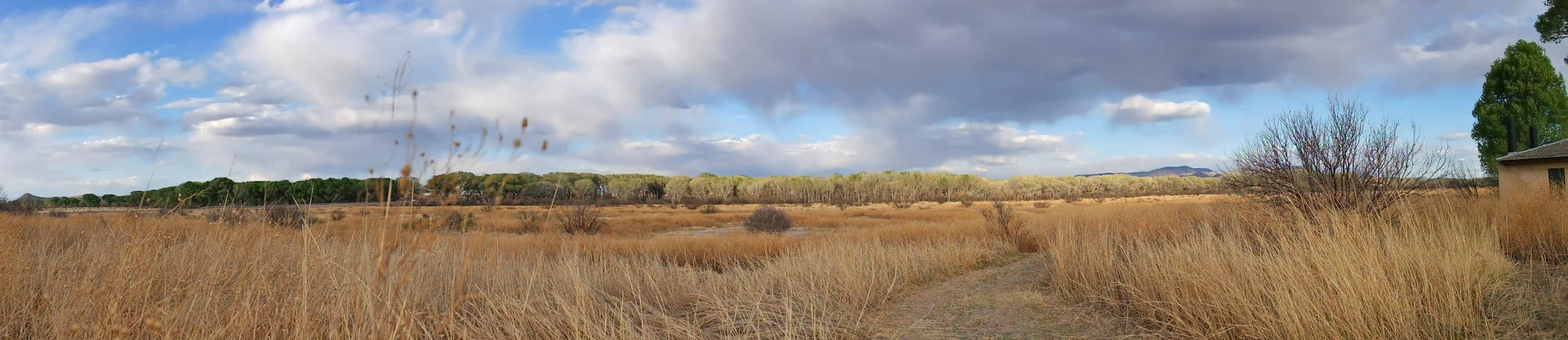
Tucson and Southeastern Arizona
The southeastern corner of Arizona is an area rich with incredible sites to visit. The map for this destination currently includes only the major points of interest, but that barely scratches the surface. A closer look during your visit will reveal more options than possibly visit in a season.
Here are a few of the major sights:
Saguaro National Park
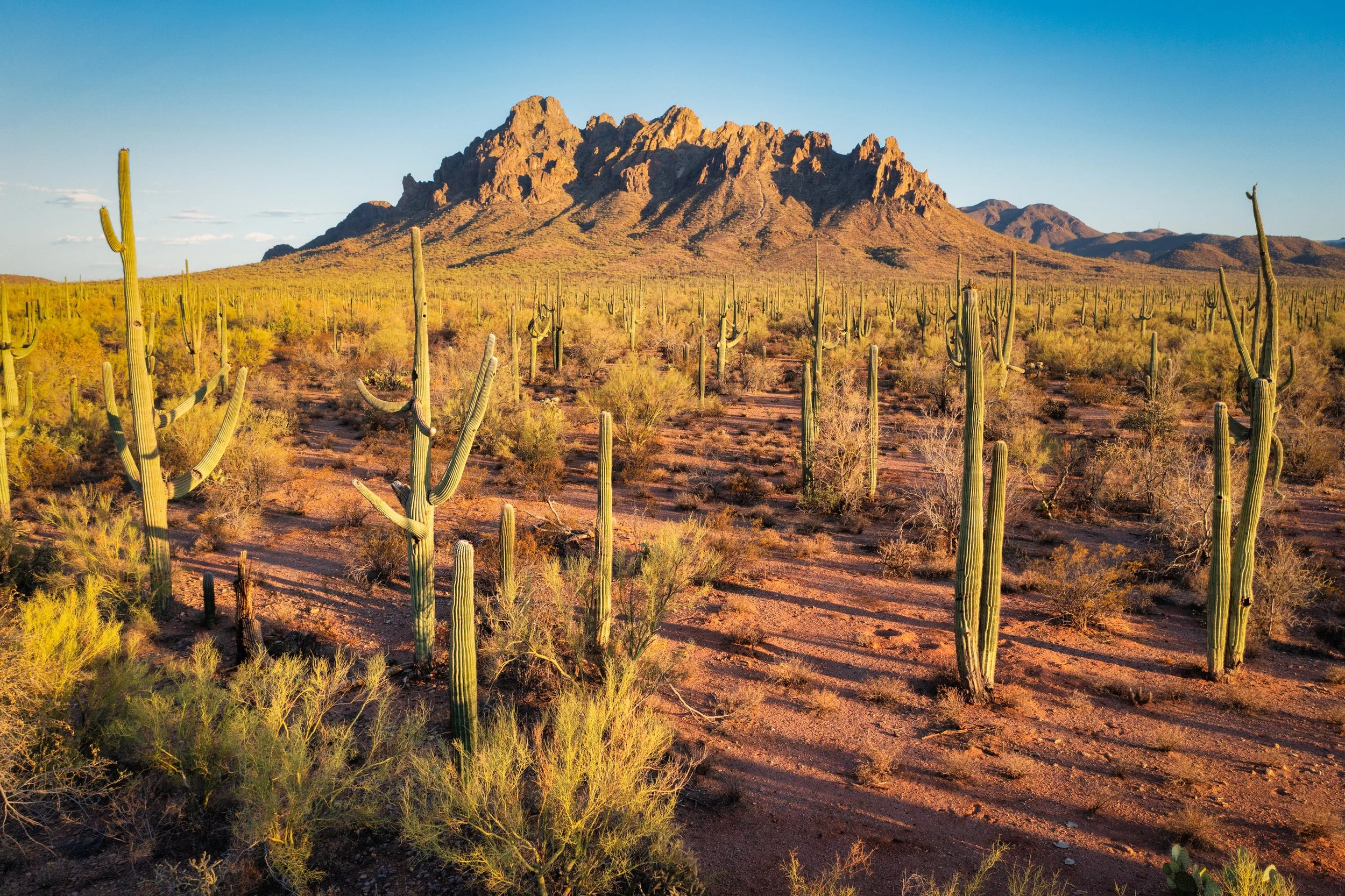
The Saguaro cactus is the largest American cactus and symbol of the western United States. The cacti only found in a very small area. Recognizing a need to protect the cacti, in 1933 President Hoover declared the area a national monument. In 1994 the monument was redesignated Saguaro National Park.
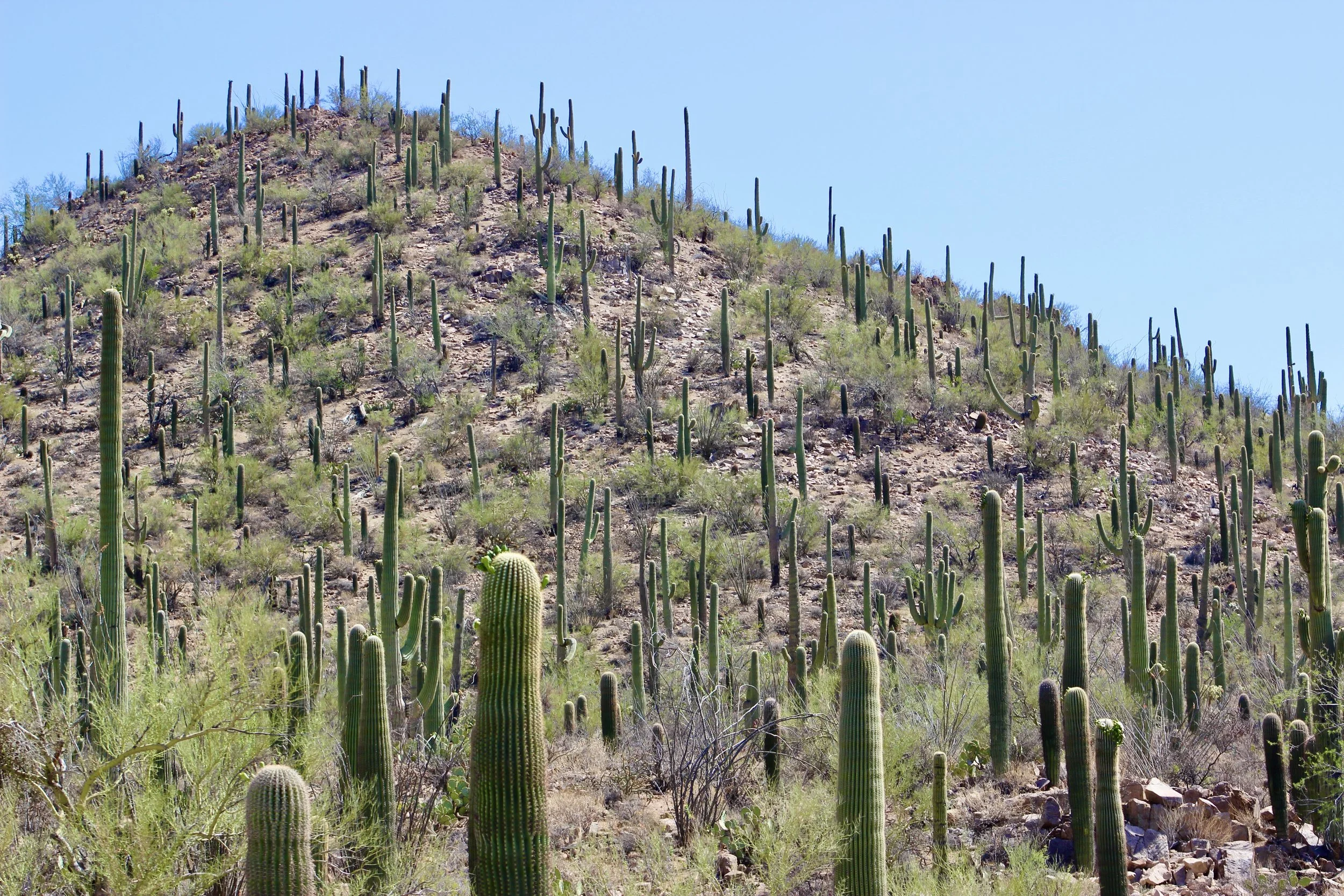
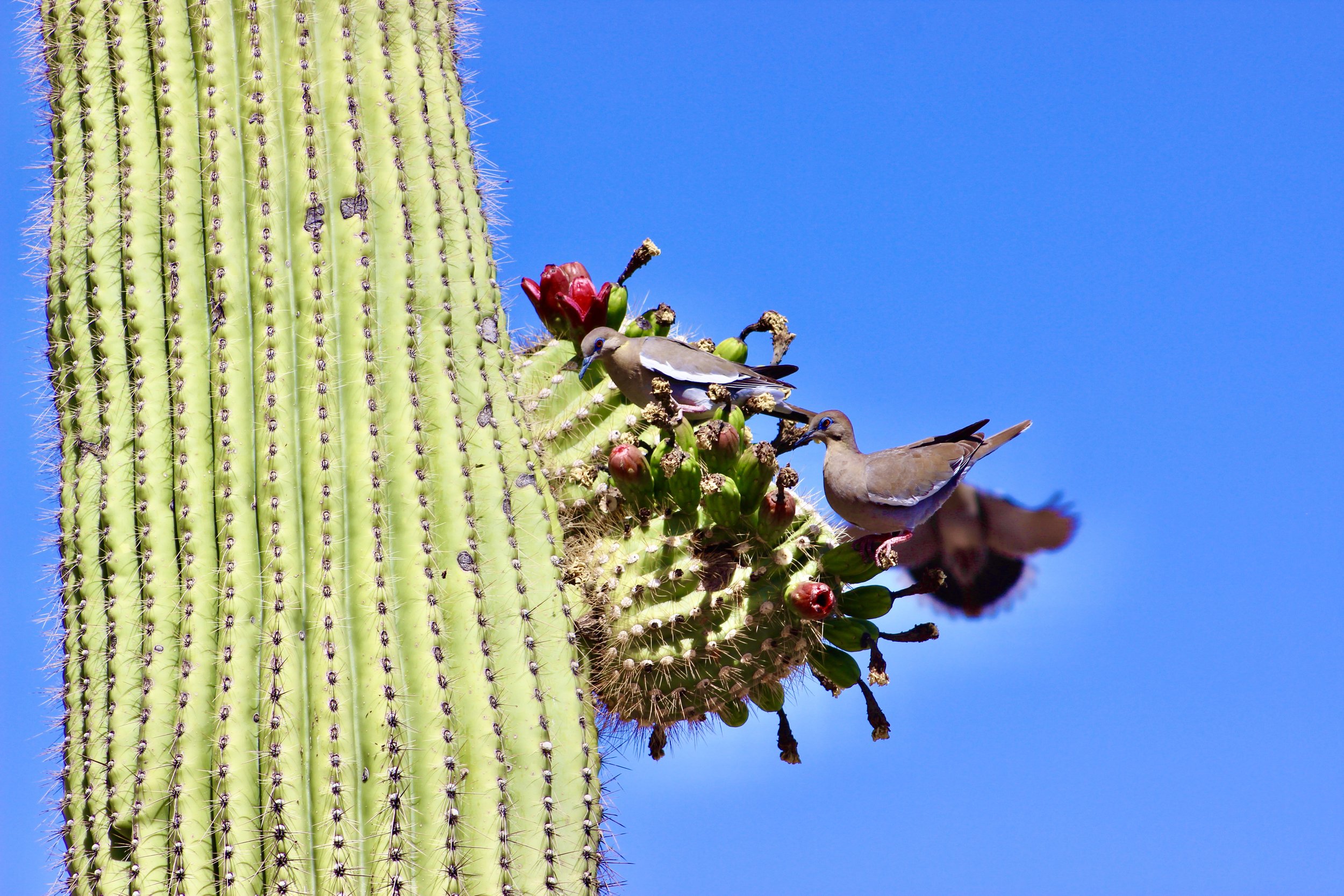
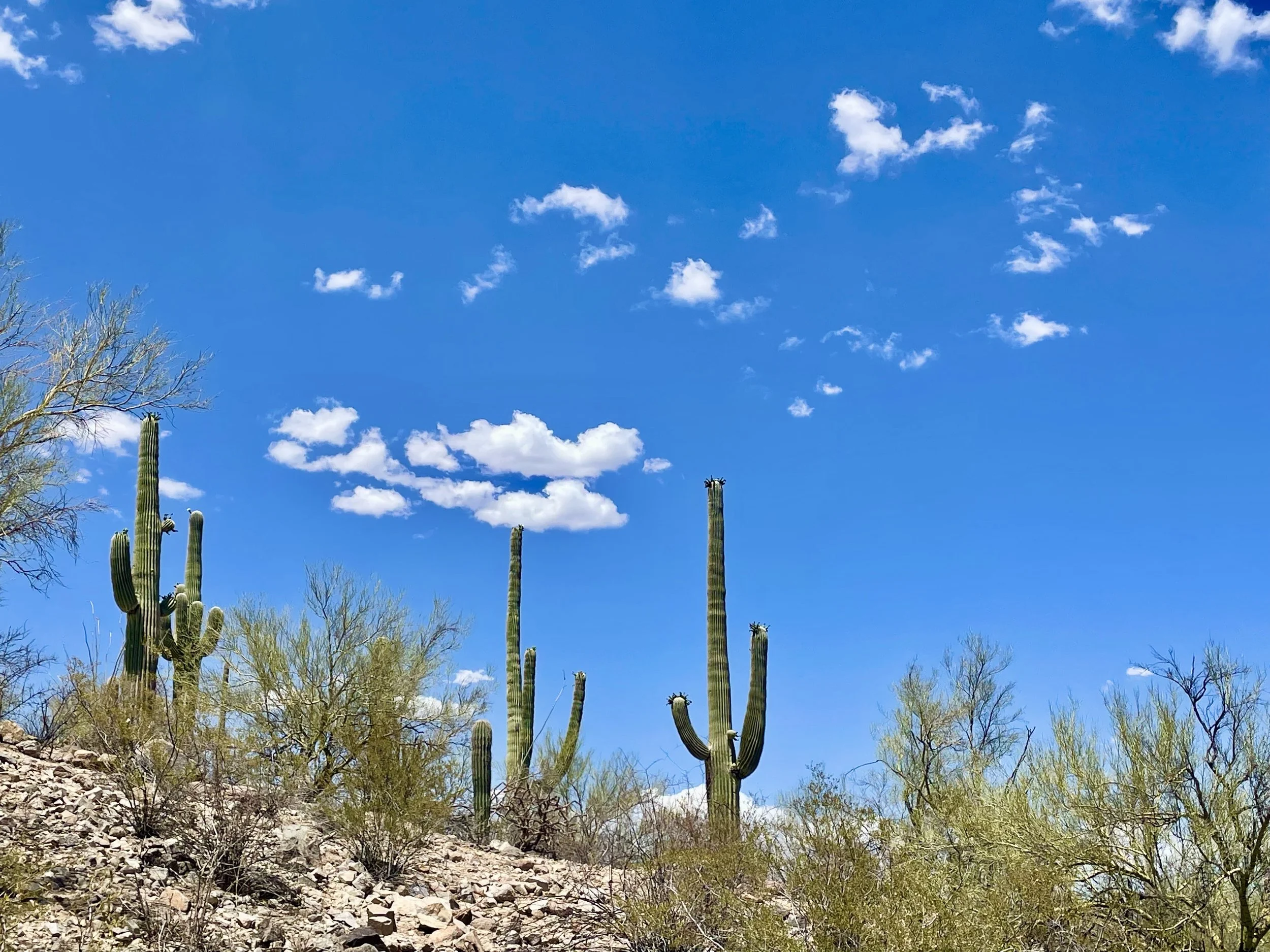
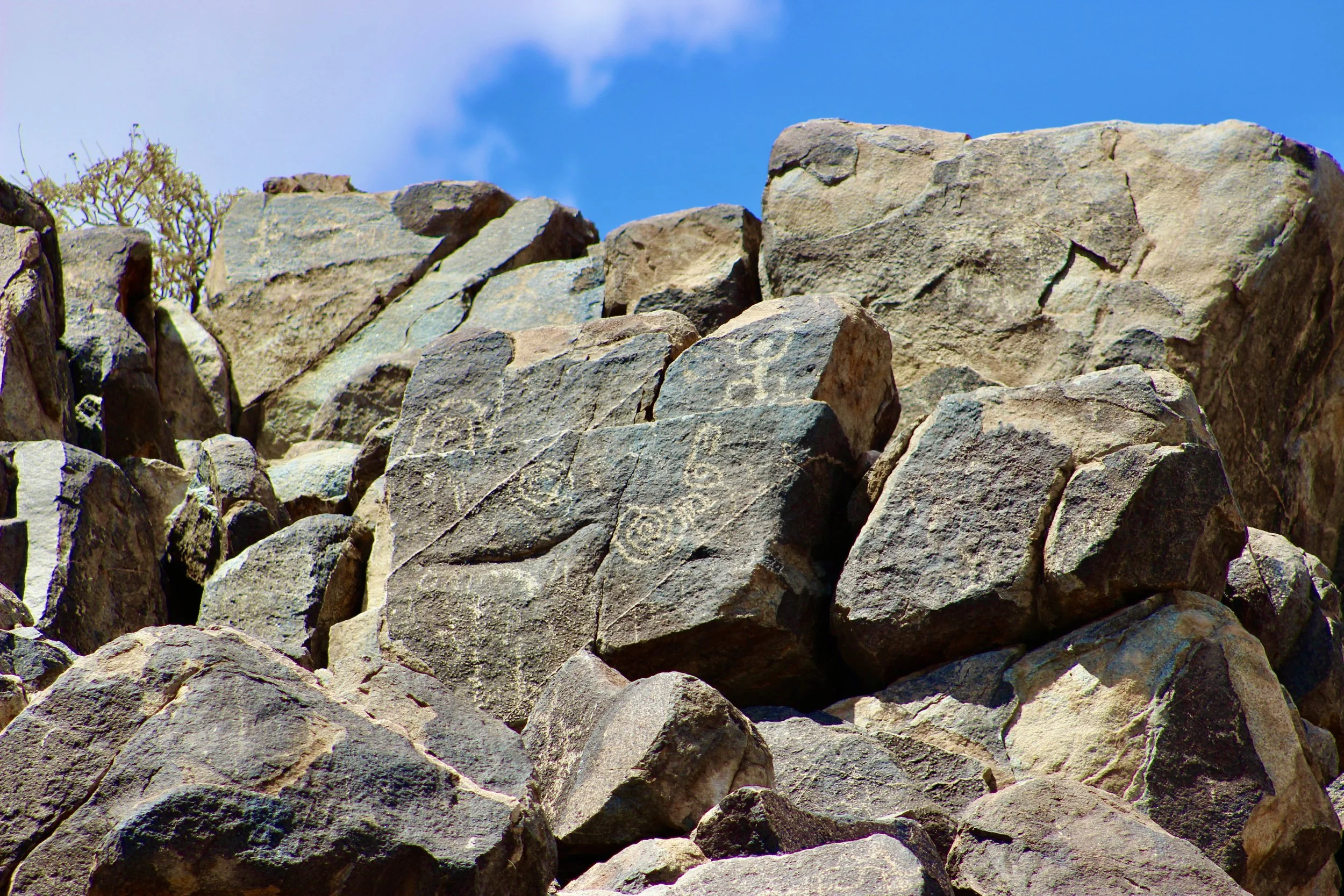
Recreational opportunities in the park include hiking and camping. Only primitive back country camping is permitted and then only in designated campgrounds.
Chiricahua National Monument
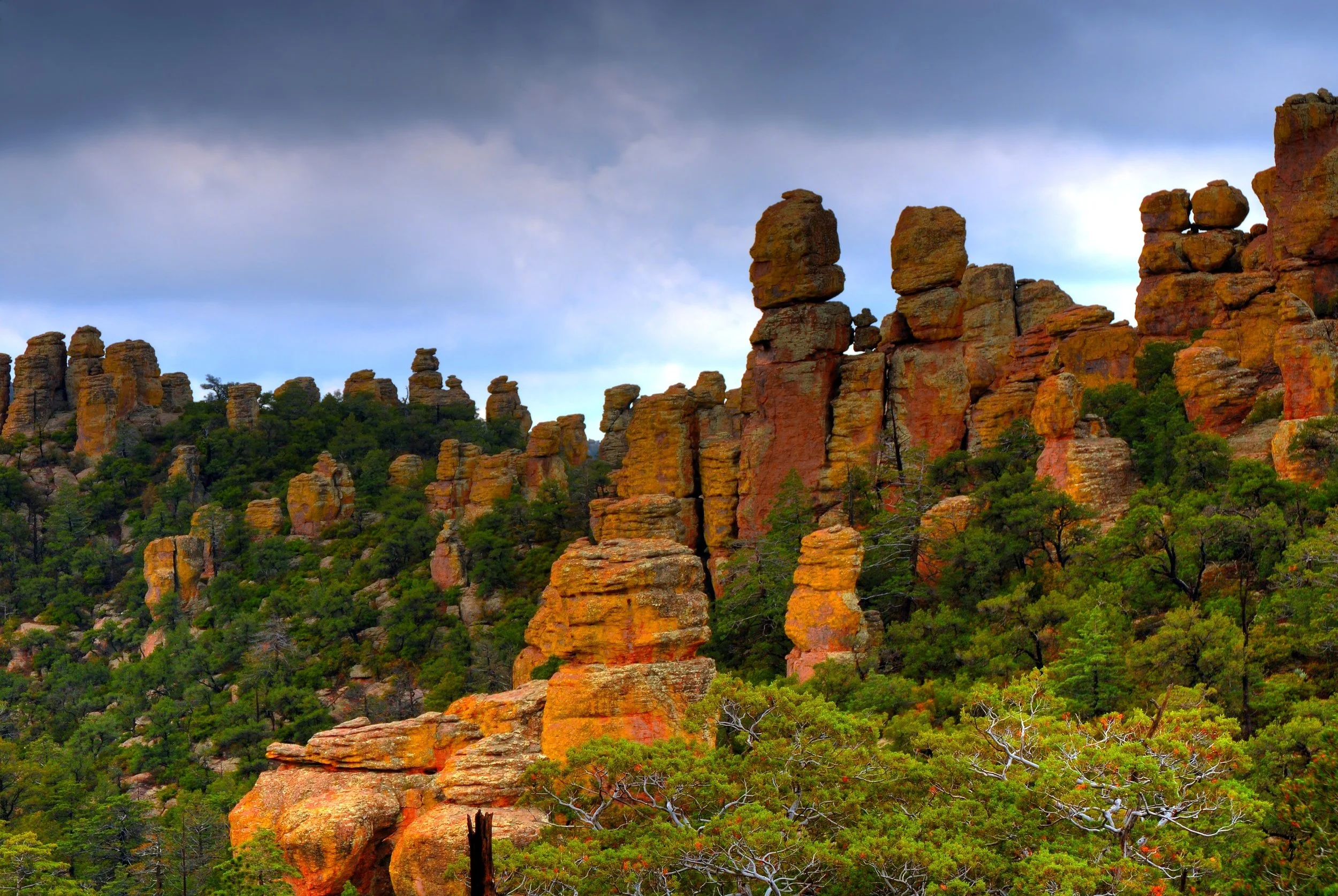
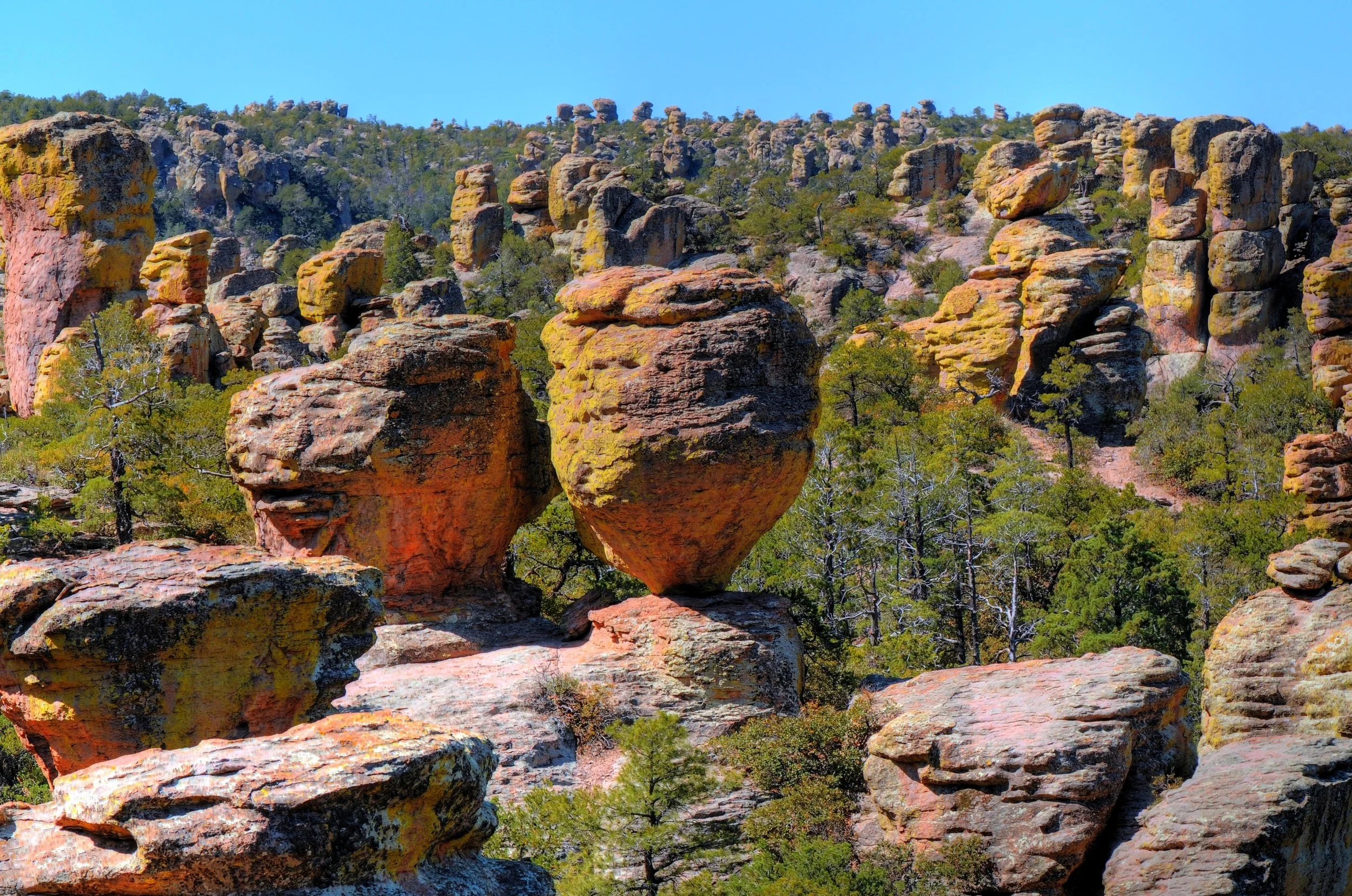
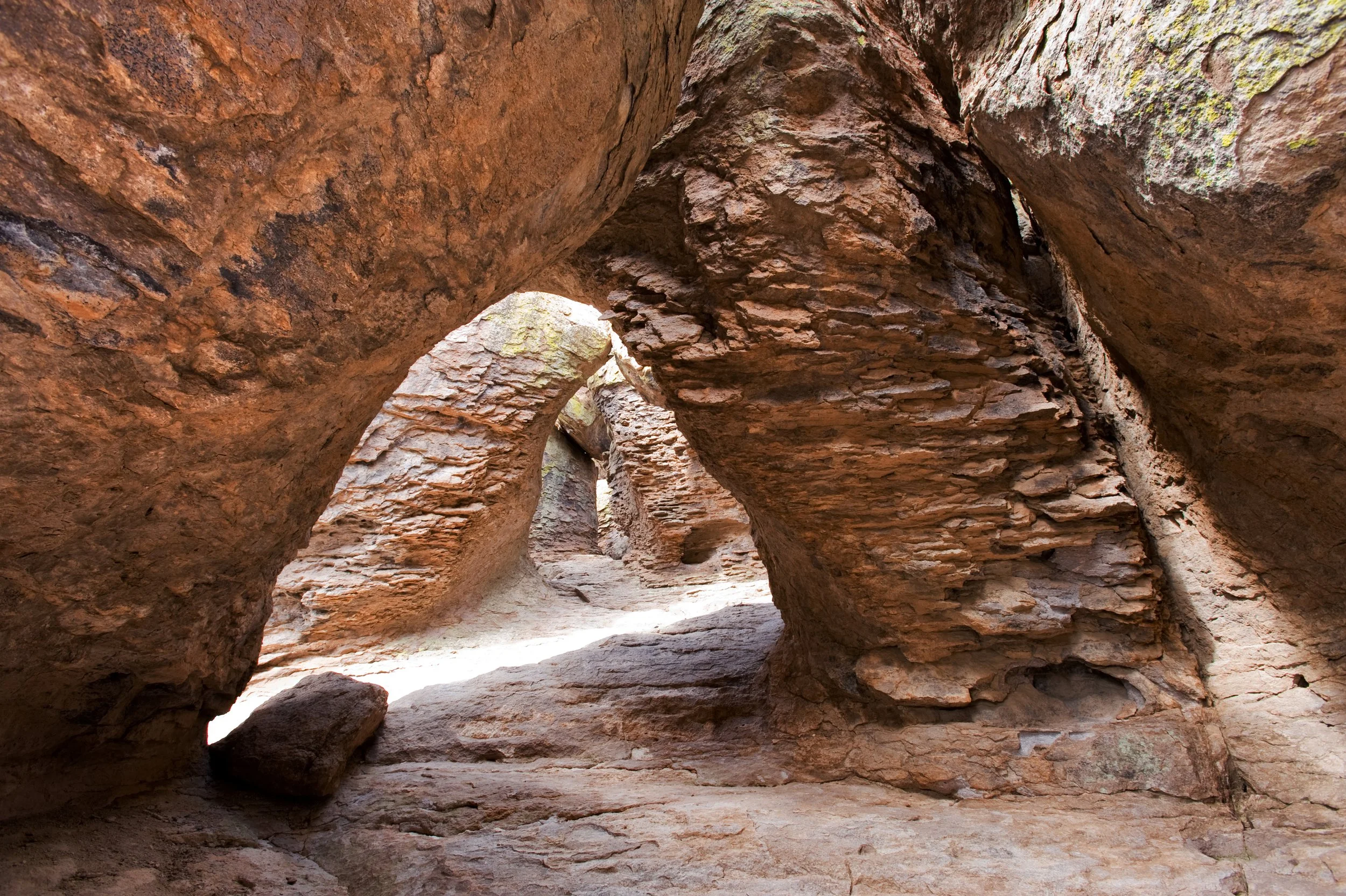
Established in 1924, Chiricahua National Monument preserves a section of the Chiricahua Mountains known for its tall spires and balancing rocks. About 85% of the monument is designated wilderness. Day use hiking trails and a single campground are available within the monument.
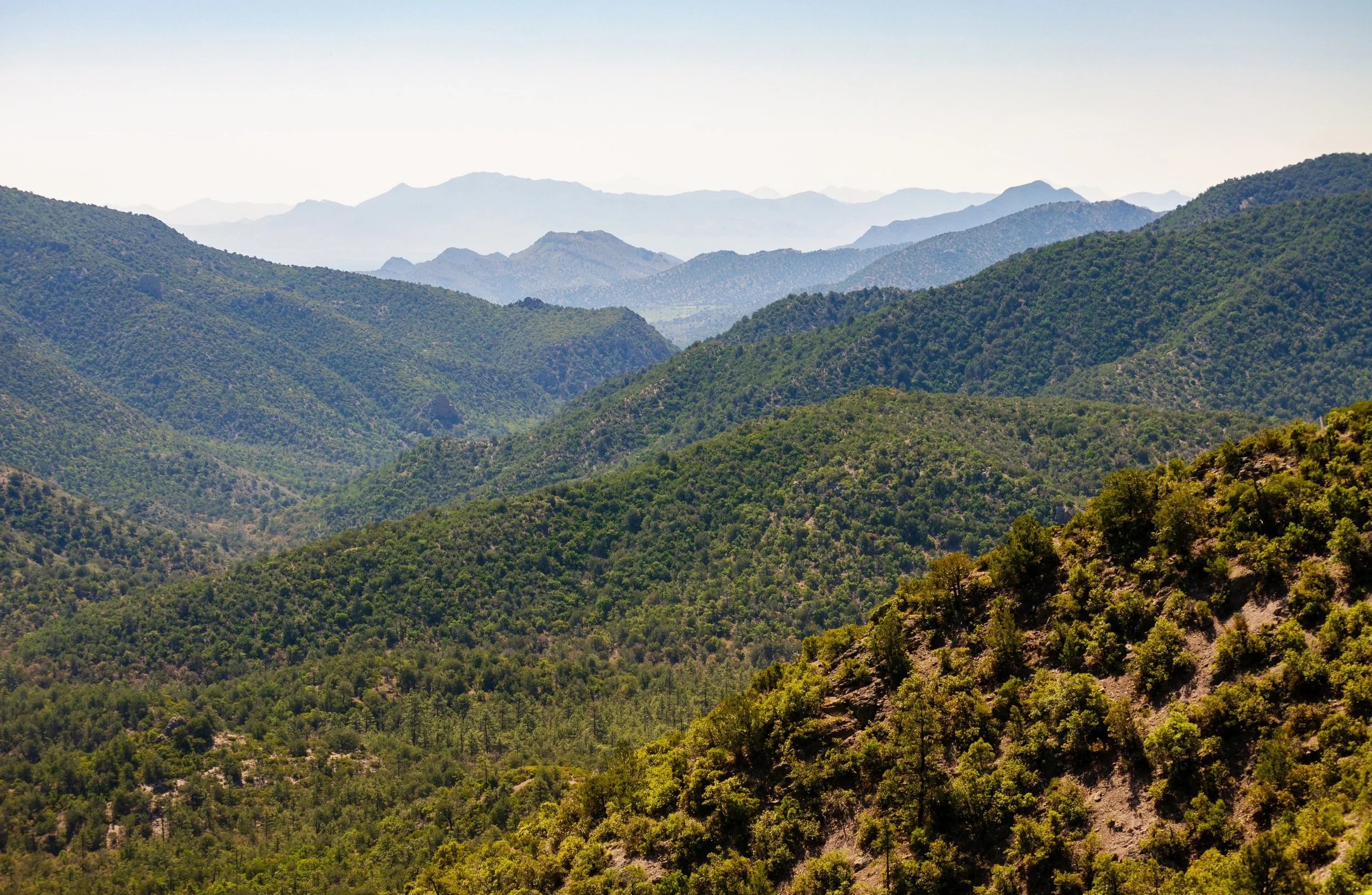
Coronado National Memorial
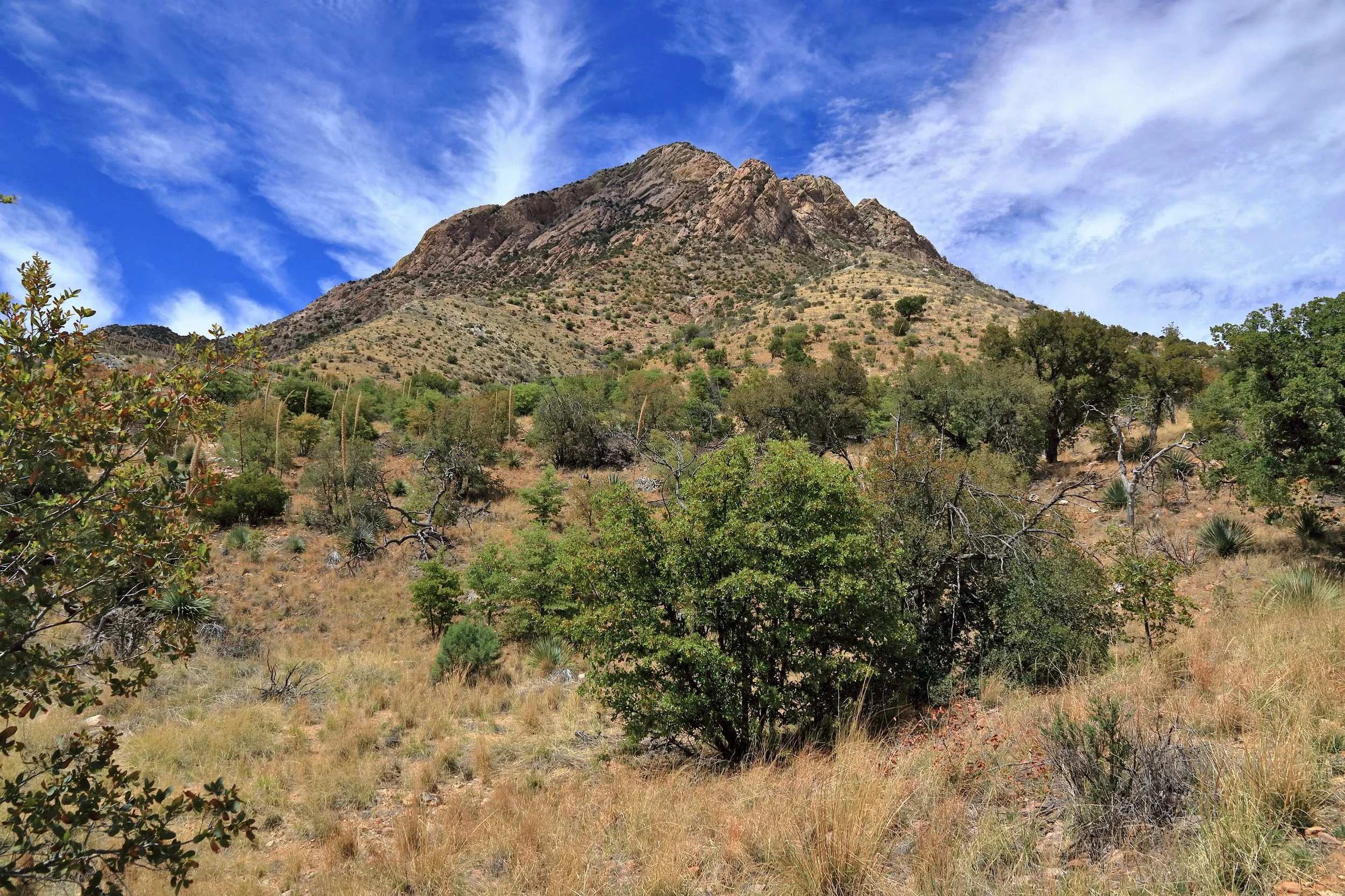
This memorial was established as an act of goodwill between the United States and Mexico. It commemorates the expedition of Coronado and his Aztec allies who were seeking rumored vast cities of gold. It is hailed by many as one of the greatest land expeditions ever undertaken. It was dedicated in 1952 and is managed by the National Park Service.
Ironwood Forest National Monument
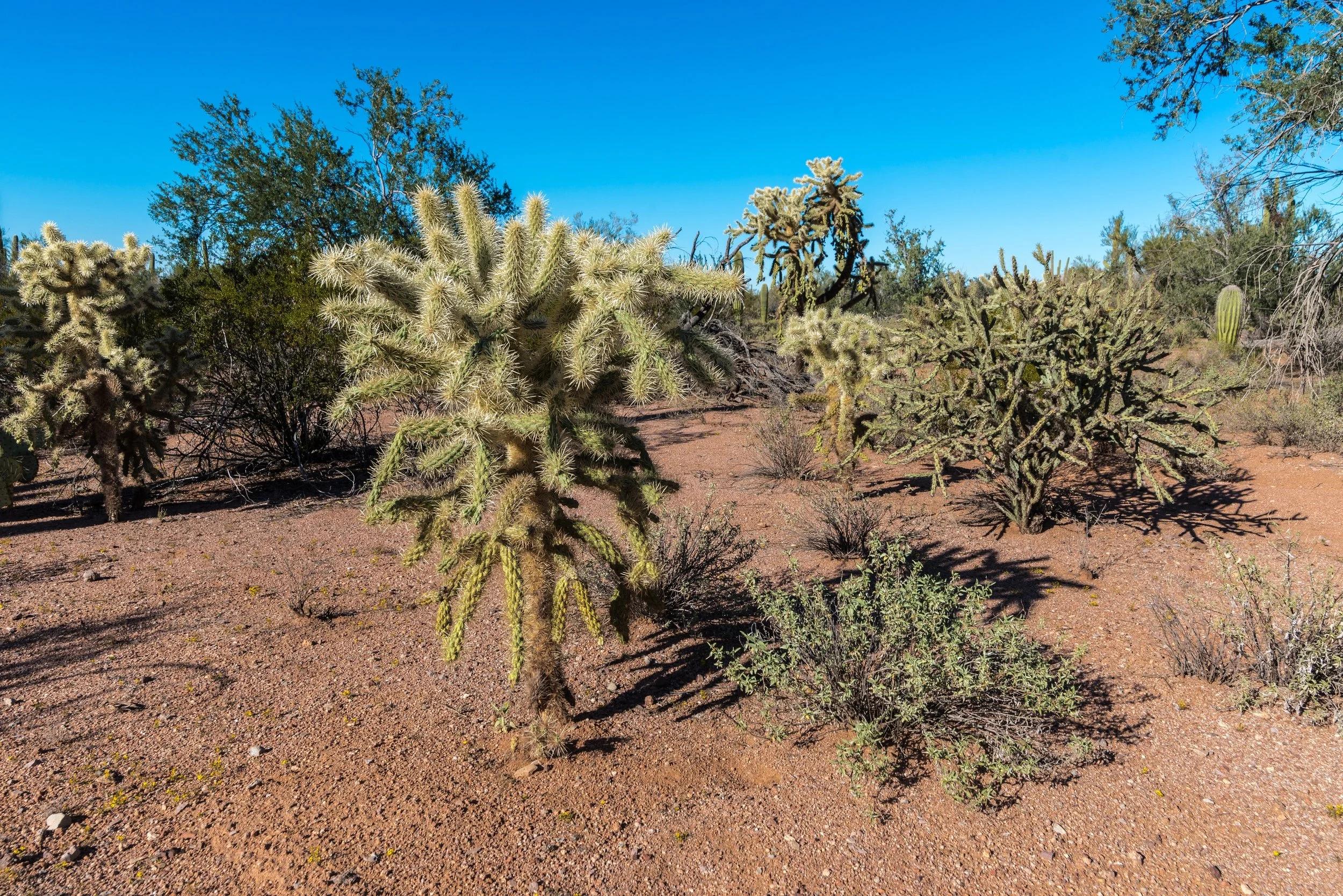
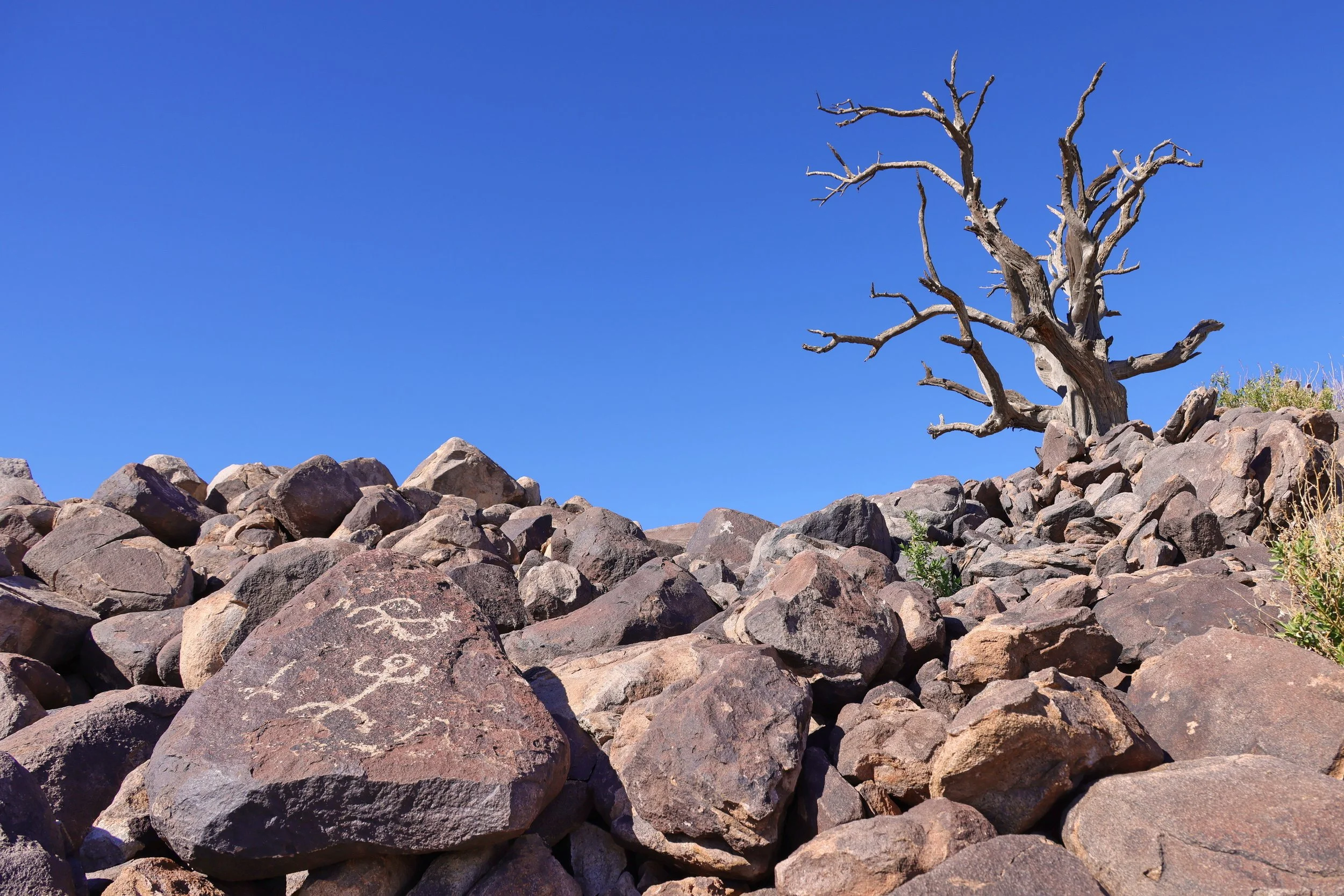
Created in 2000 and managed by the Bureau of Land Management, Ironwood Forest National Monument preserves more than 188 thousand acres. The monument draws its name from a large concentration of desert ironwood trees, but the land also contains hundreds of archeological sites. Use of the monument is cleared for recreation, livestock grazing and mining.
Fort Bowie National Historic Site
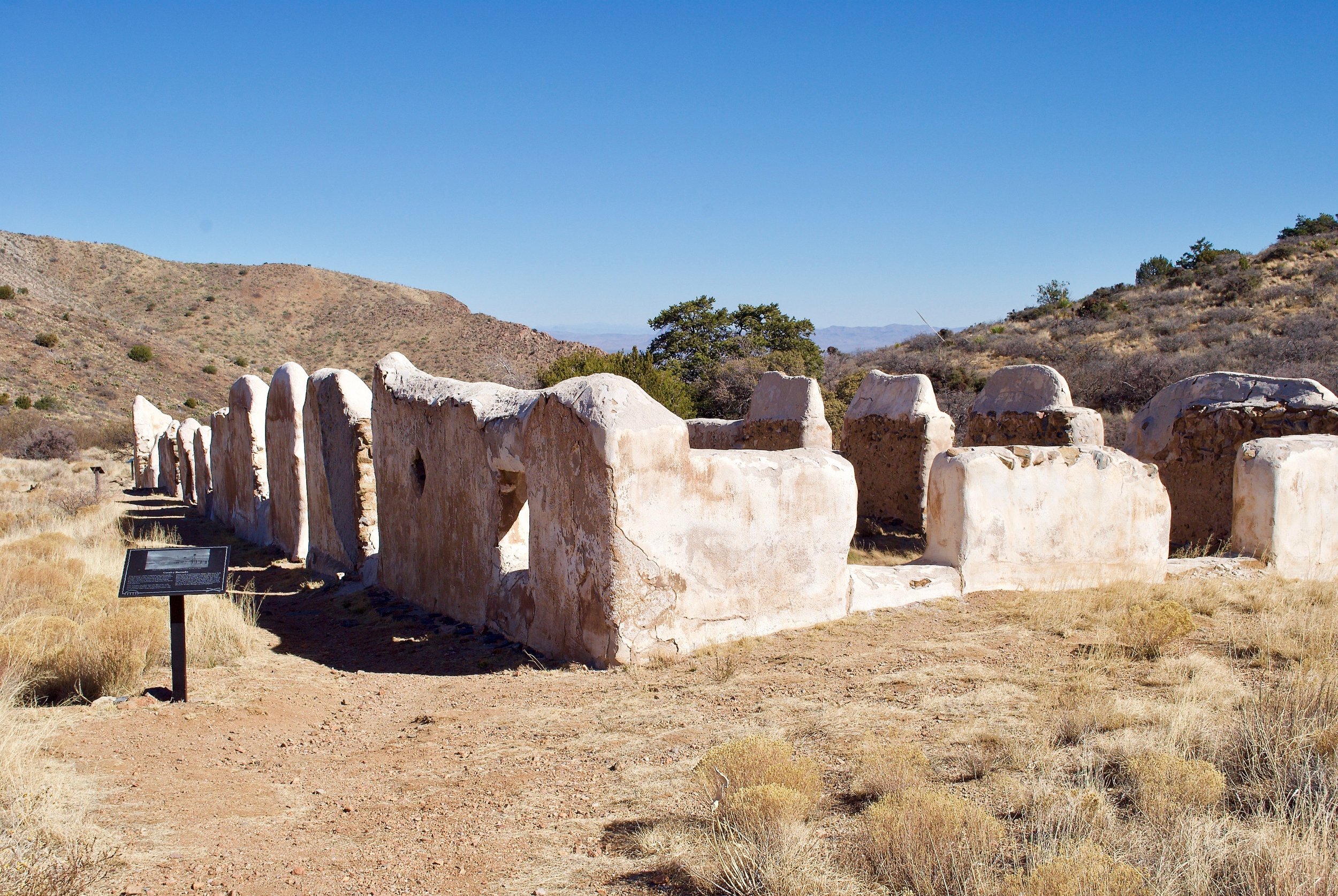
The United States Army fought the Apache from their base at Fort Bowie for nearly 25 years. The first Fort Bowie was established in 1862 and a more permanent fort was built in 1868. Hostilities ended in 1886, but the fort was garrisoned until 1894 when it was finally abandoned. Fort Bowie National Historic Site is managed by the National Park Service.
Tumacacori National Historical Park
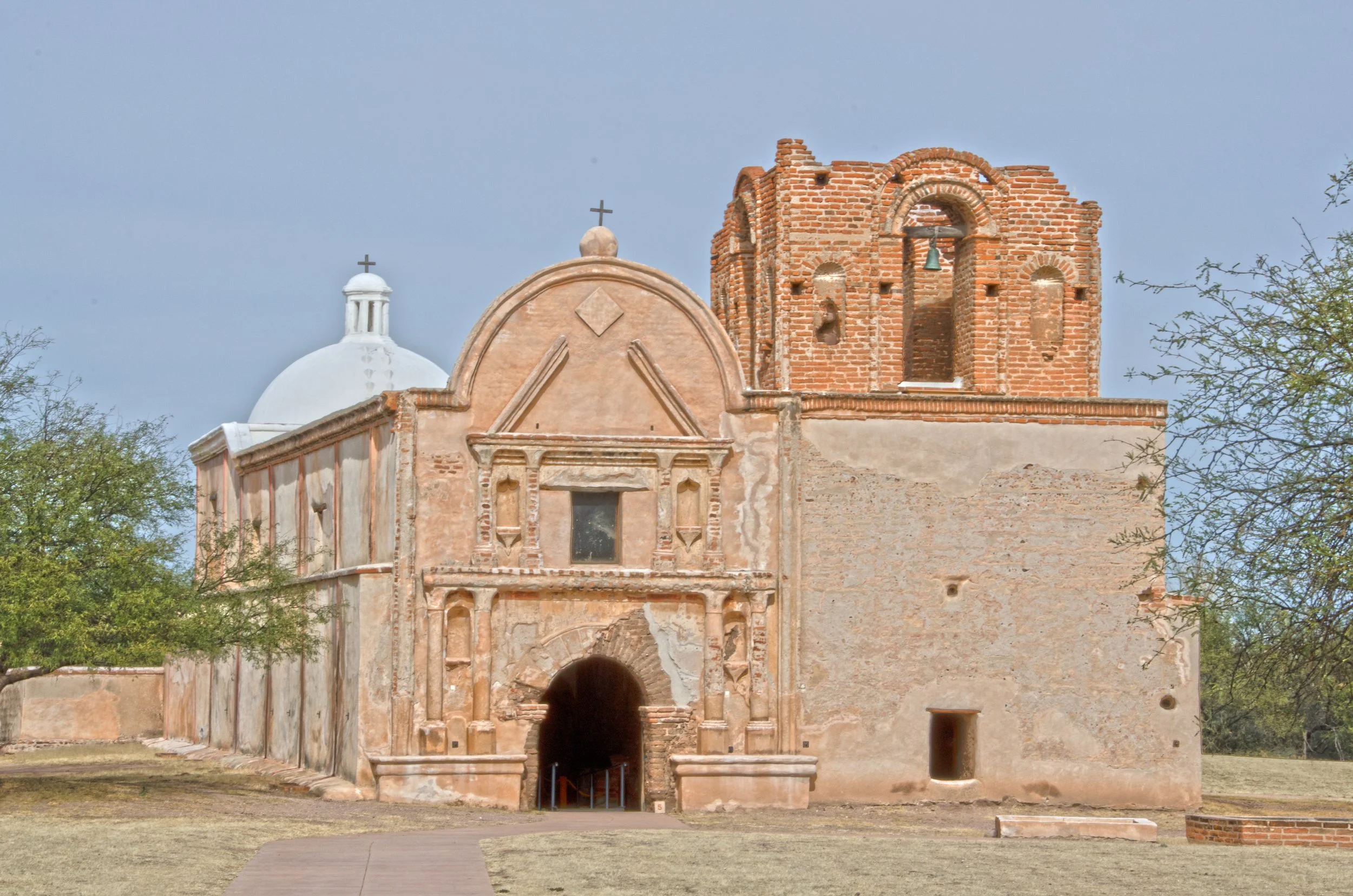
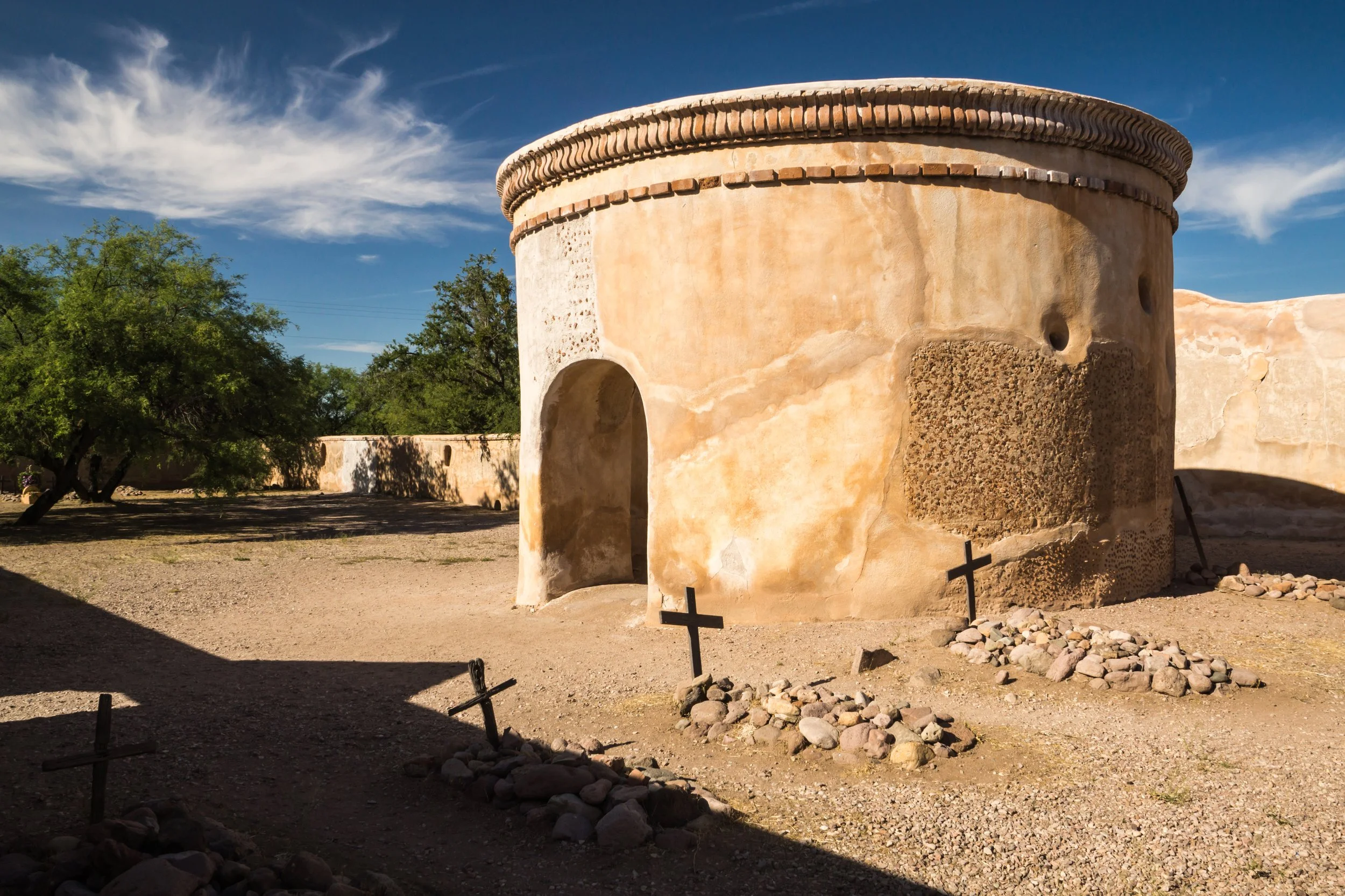
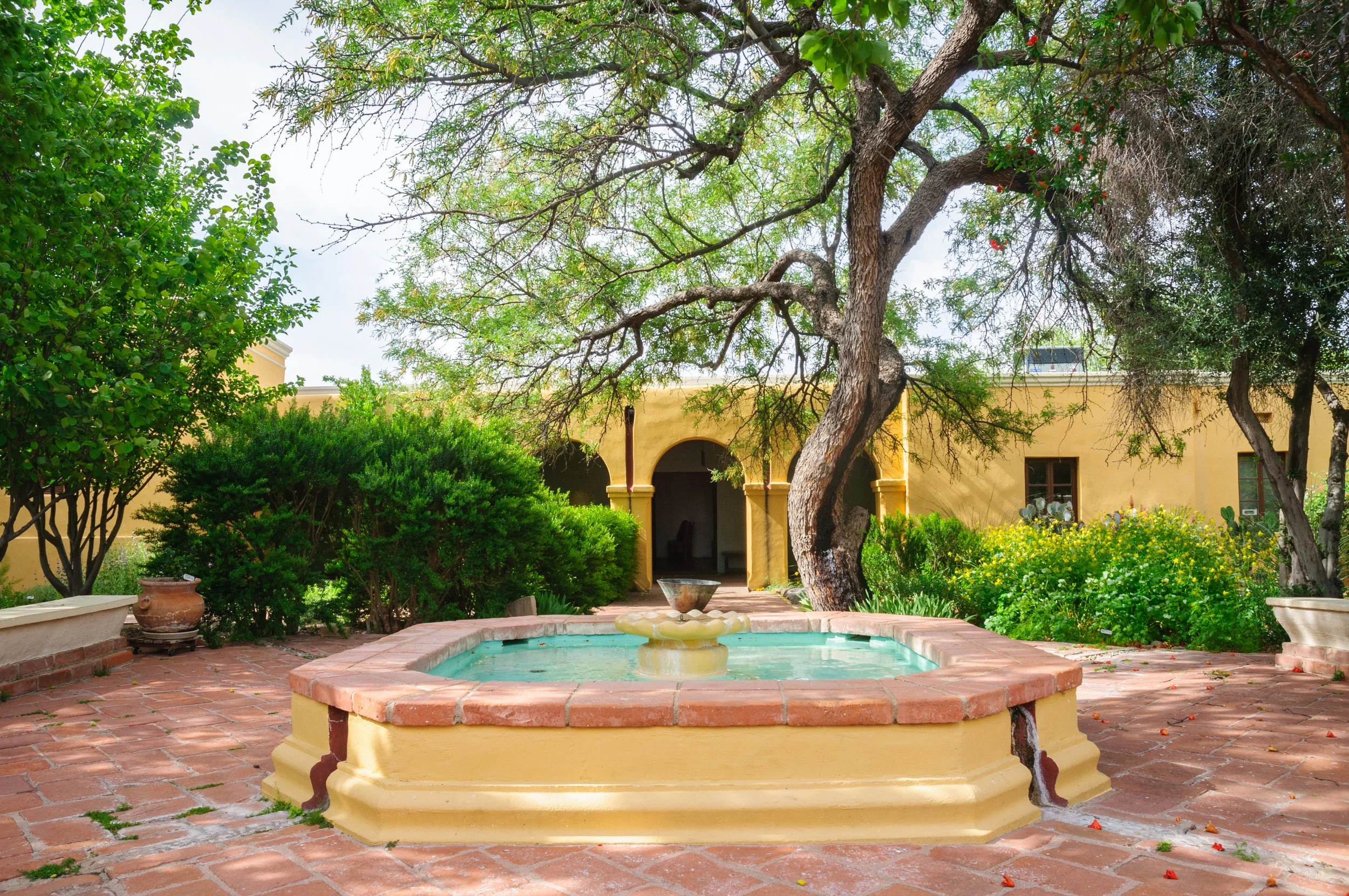
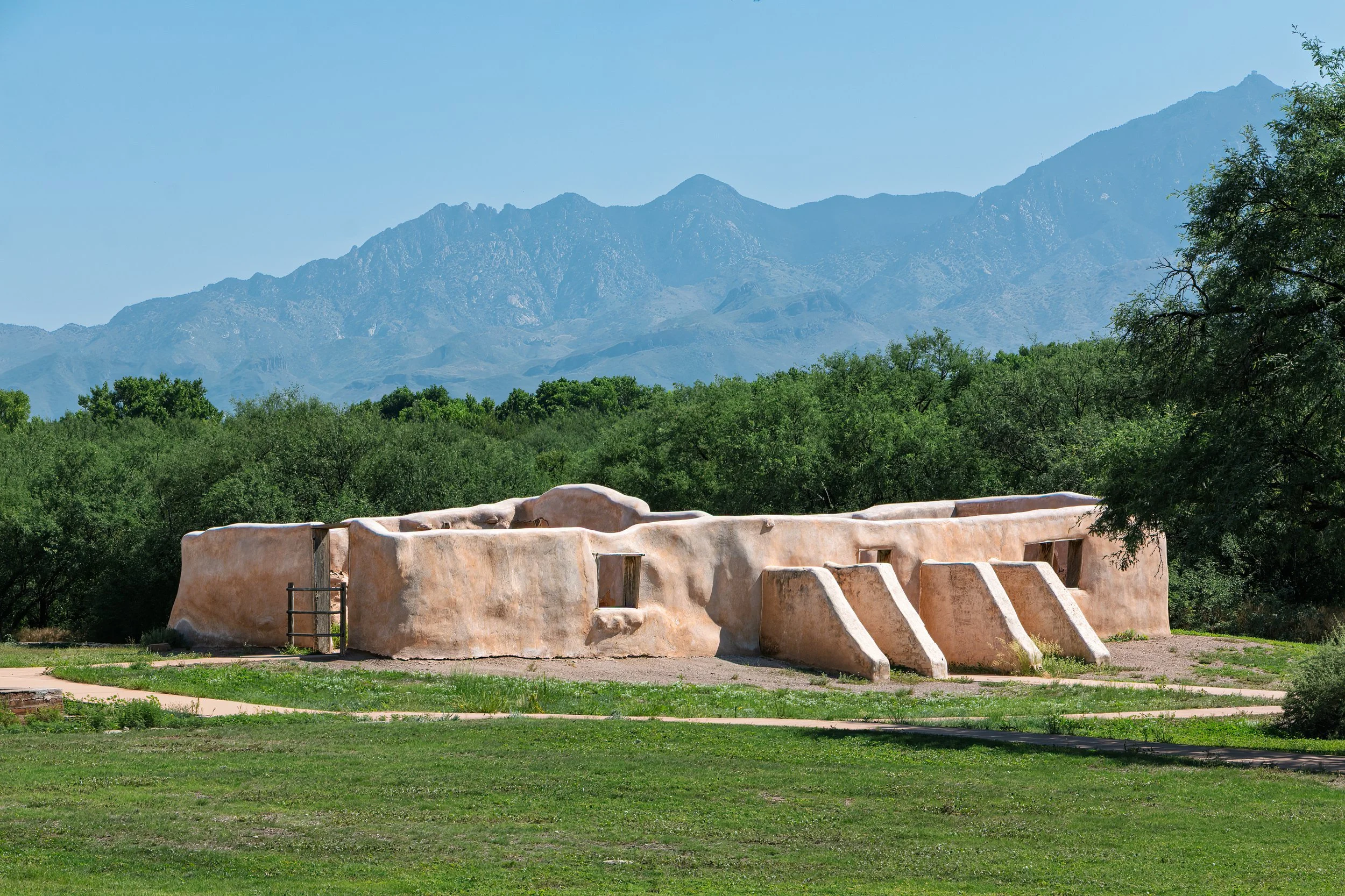
Tumacácori National Historical Park contains three separate Spanish communities built between 1691 and 1756. Two of these are the oldest missions in southern Arizona. The park was established in 1990 to preserve and interpret the ruins.
Las Cienegas National Conservation Area
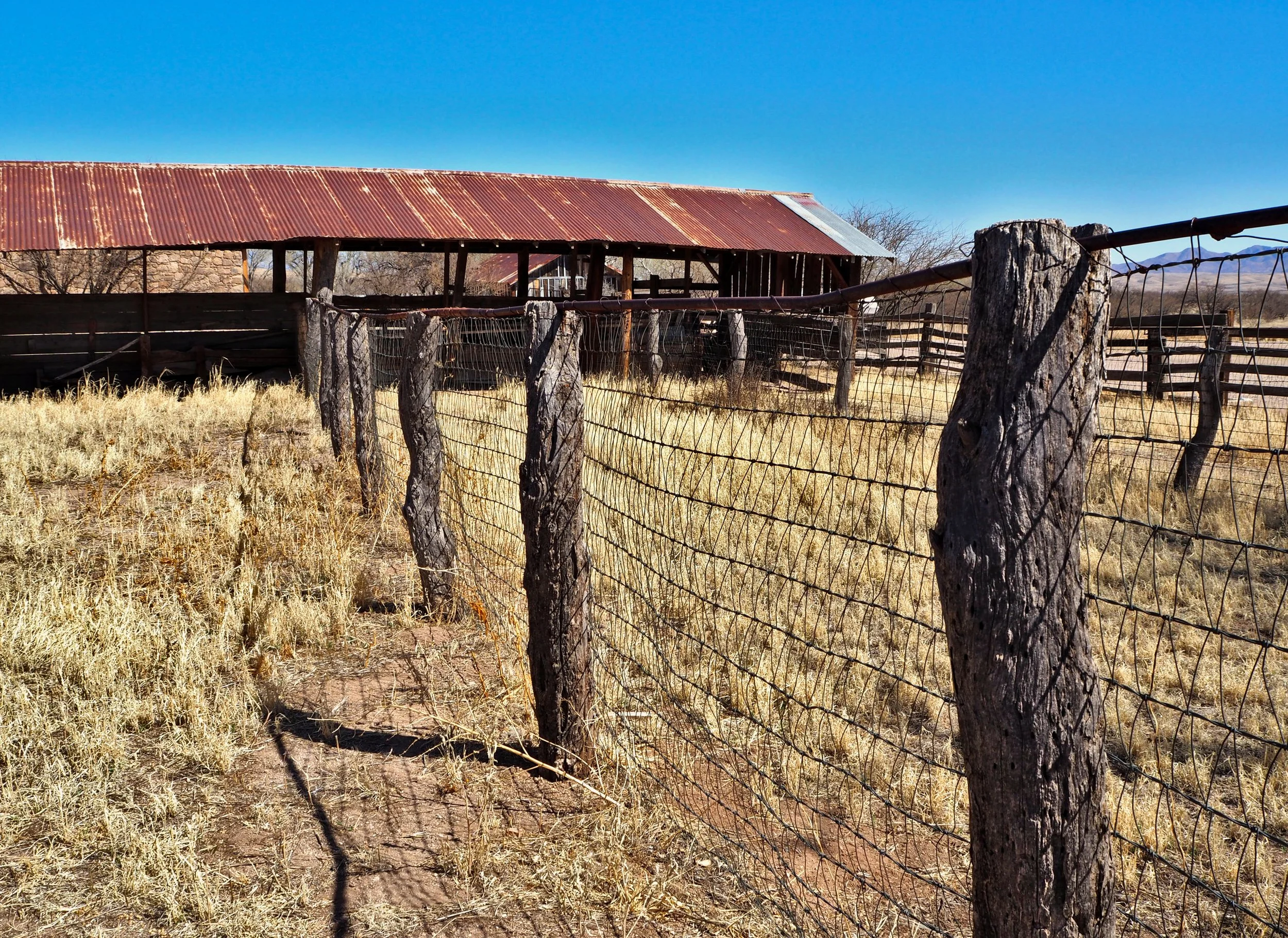
Las Cienegas lies in a transitional zone between the Sonoran and Chihuahuan Deserts and consists of grassland woodlands. It has been designated at multiple-use and ecosystem management area as a means of preserving the area for future generations.
San Pedro Riparian National Conservation Area
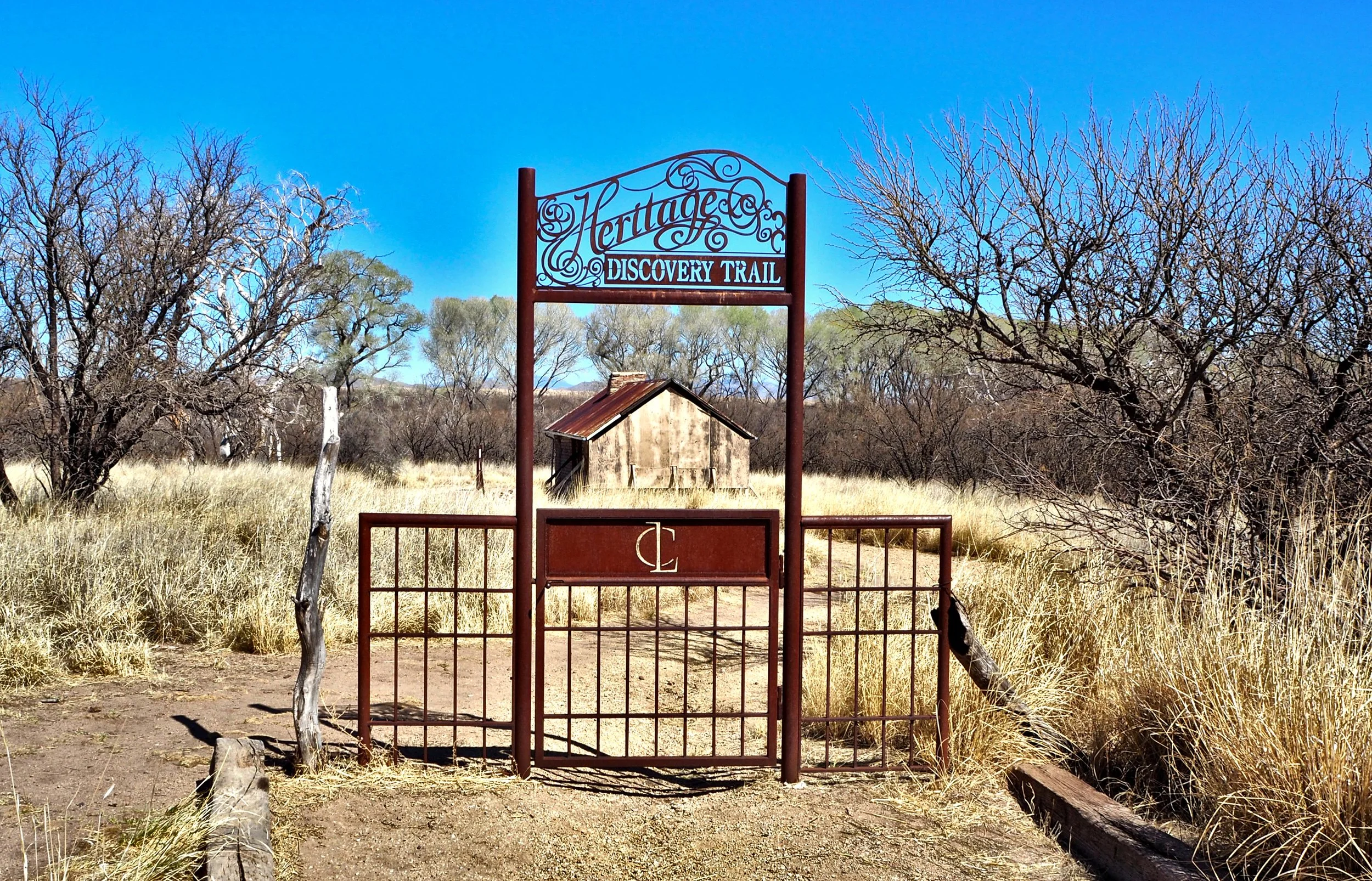
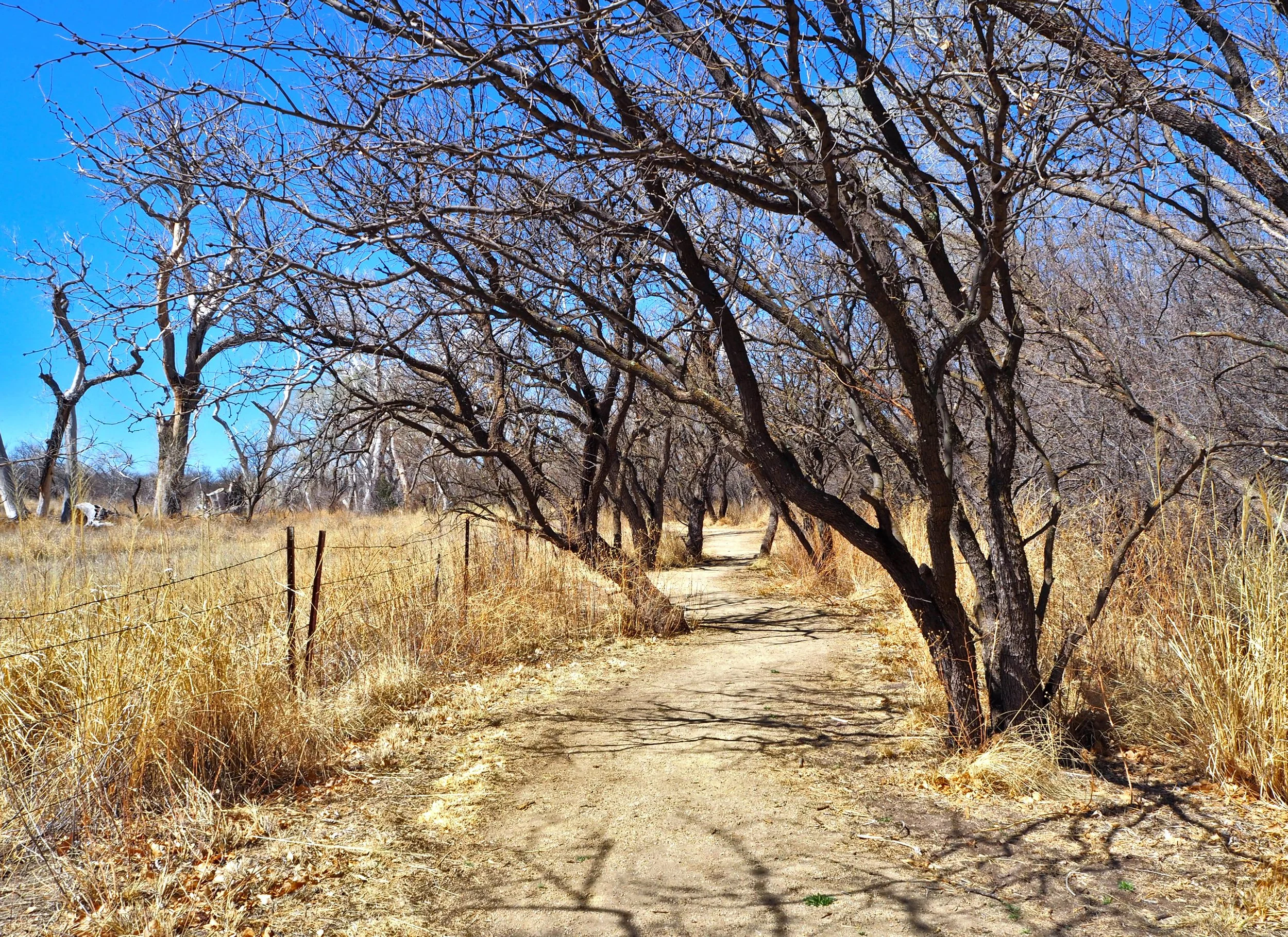
This conservation area preserves important 11,000-years-old Clovis Culture sites and more recent remnants of early Spanish settlements. An interpretive trail is available to guide visitors through the various sites.