Sights along the Great River’s Northern Banks
From prehistory to the modern era, the banks of the Mississippi River have accumulated the signs geological change, annual migration and human settlement. The river has long provided habitat for a wide variety of wildlife a source of irrigation for crops and a means of transportation. As a result, the river valley contains an array of interesting natural and human artifacts making it a perfect destination for exploration.
Millennia of erosion created Iowa’s Maquoketa Caves. Dozens of dozen caves and a series of towering cliffs can be seen at Maquoketa State Park. Due to threats to the native bat population, the caves are only accessible from late spring through early fall.
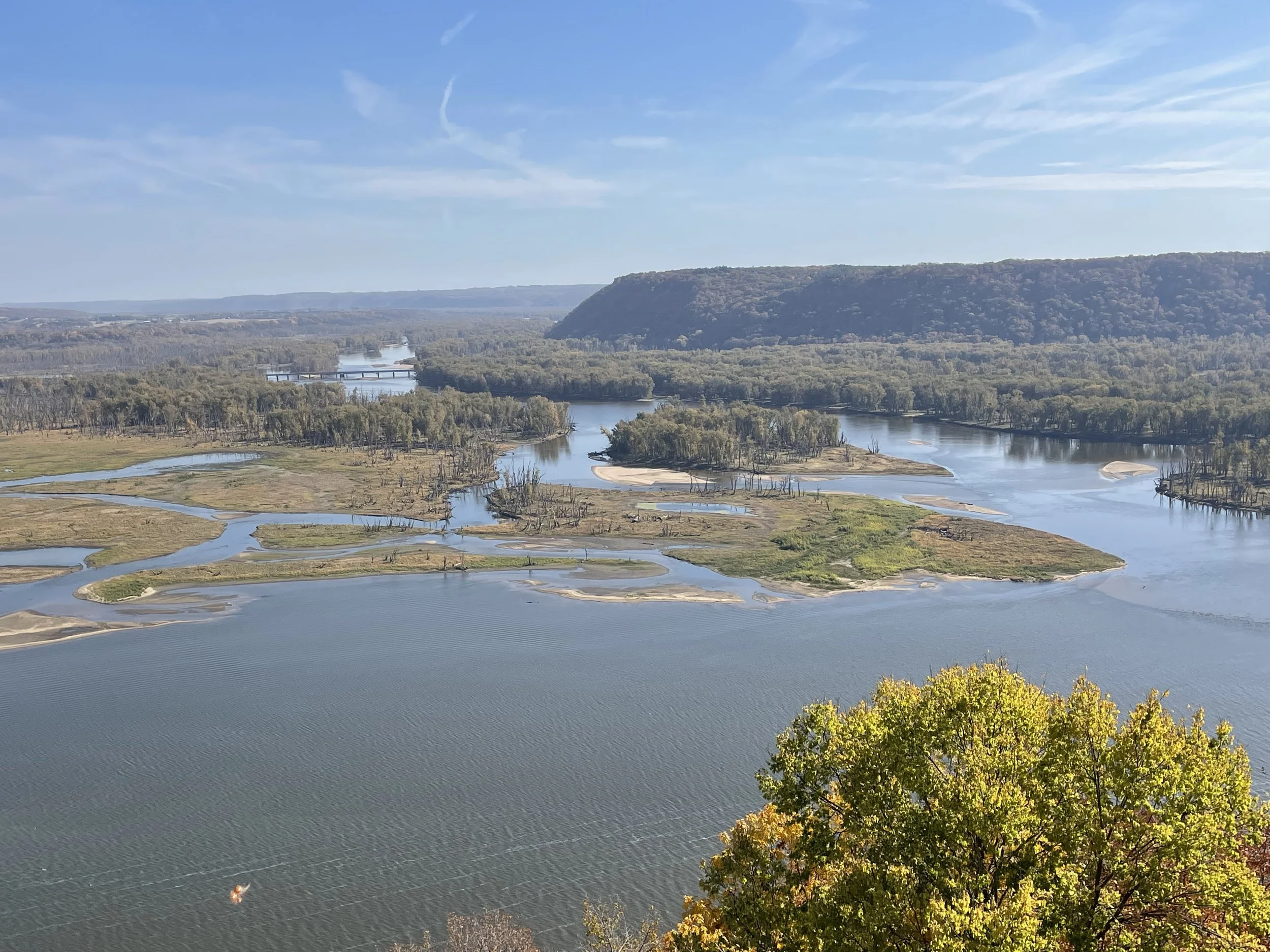
The Upper Mississippi River National Wildlife and Fish Refuge, in Northeast Iowa, preserves 261 miles of the Mississippi floodplain. It provides important habitat for migratory birds, fish and other wildlife. The many activities available to visitors include boating, camping, hiking, birding and fishing.
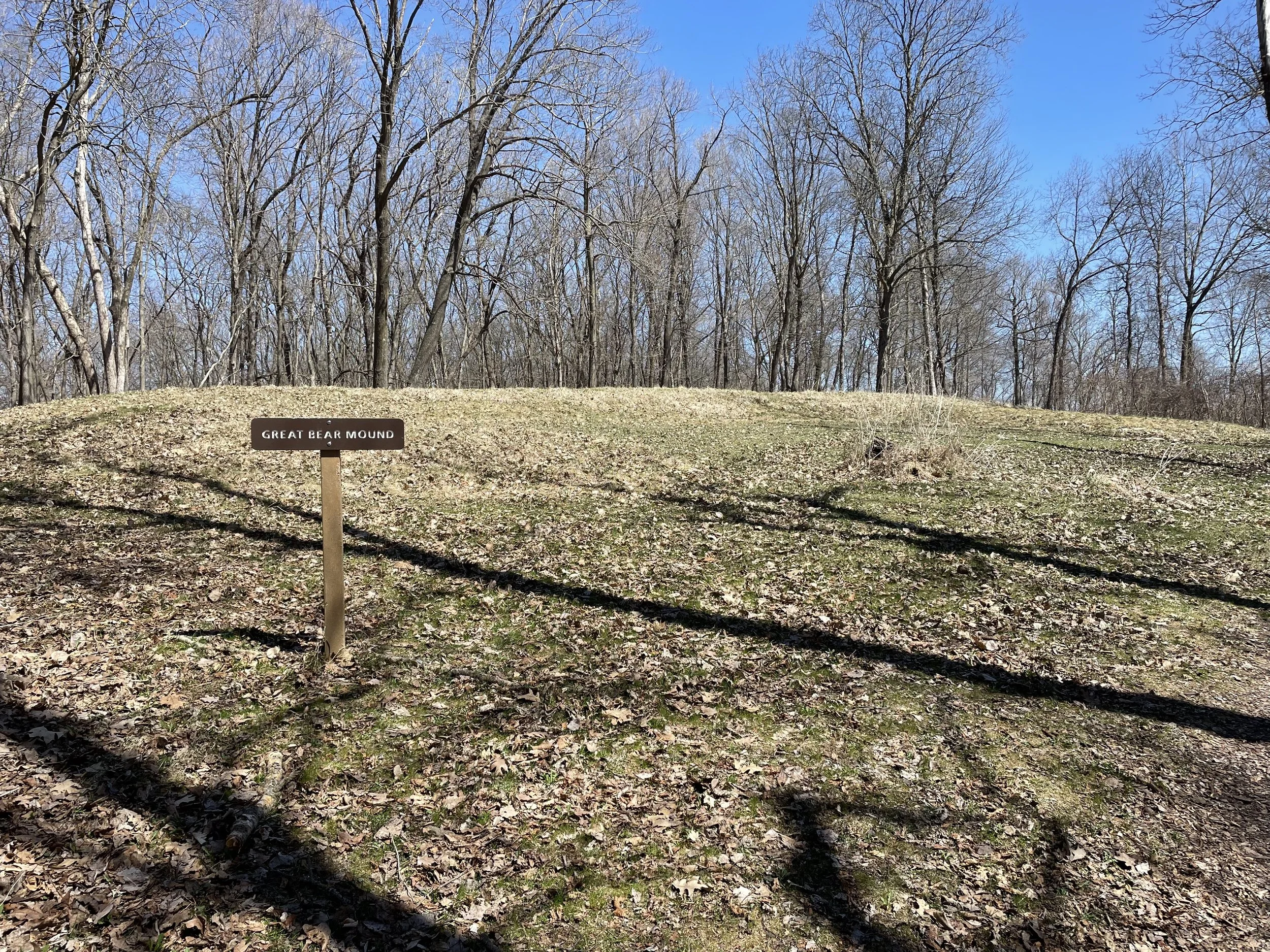
More than 200 mounds constructed by the prehistoric mound builder cultures along the upper Mississippi River are preserved at Effigy Mounds National Monument. Dating to the first millennium CE, the Effigy Mounds are exceptional because many are built in the shape of animals. The only other known effigy (animal shaped) mounds are the Great Serpent Mound in SE Ohio and one mound at Poverty Point in Louisiana.
The importance of land in the Mississippi Valley created conflict between Native Americans and migrating Americans or European descent. During the Black Hawk War in 1832 two minor skirmishes between militia and Native warriors were fought at Kellogg's Grove, which is just across the river in Illinois. The battle site was added to the National Register of Historic Places in 1978.
The Buffalo Bill Museum (also on the Illinois side of the river) preserves and interprets more than just the life of William "Buffalo Bill" Cody. Exhibits also capture elements of early American settlers, Native Americans and the Mississippi River.
Following the Civil War, residents of Galena, IL gave Grant a home in thanks for his service. The Ulysses S. Grant Home is operated as a museum and is administered by the Illinois Historic Preservation Agency. It was placed on the National Register of Historic Places in 1966.
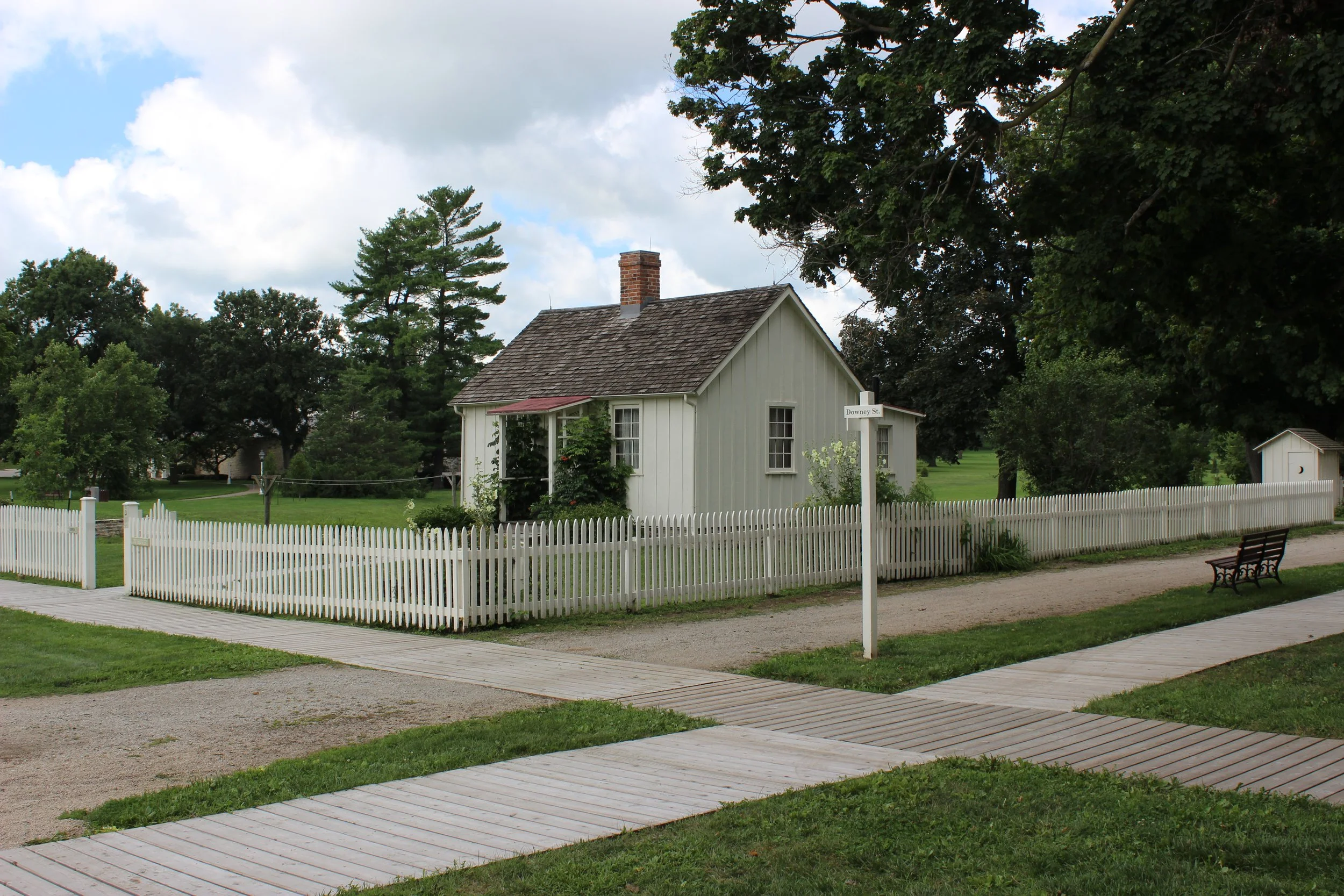
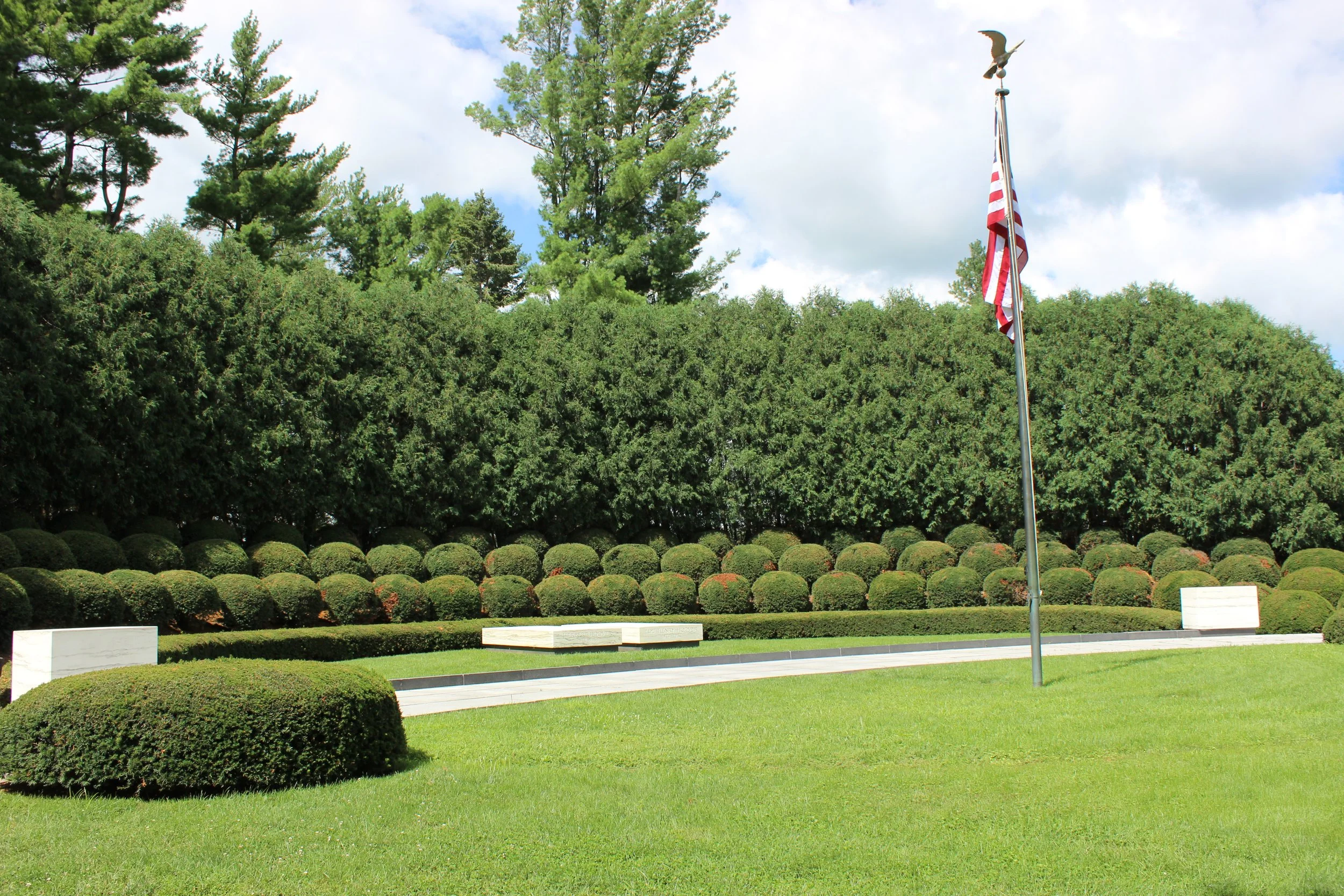
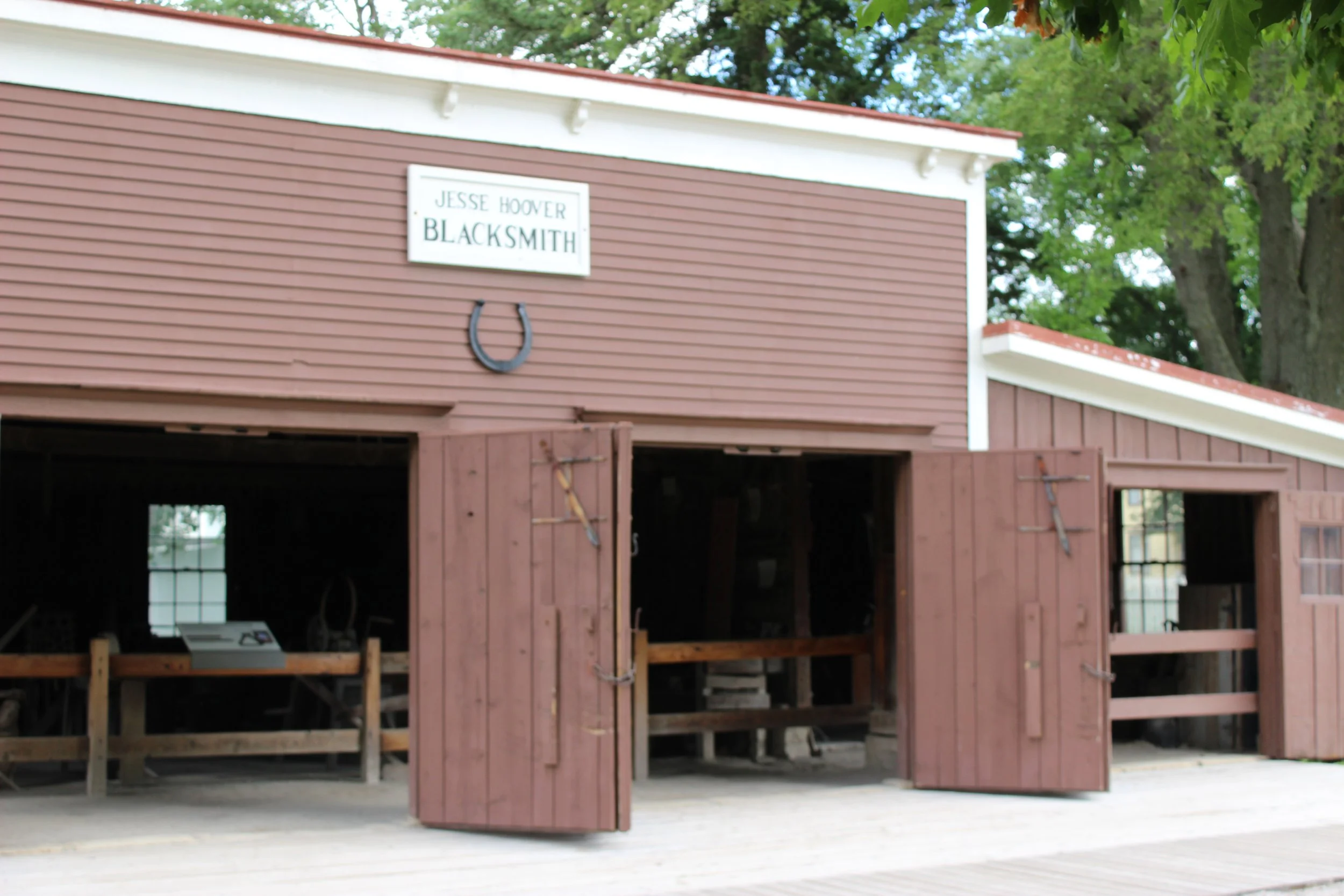
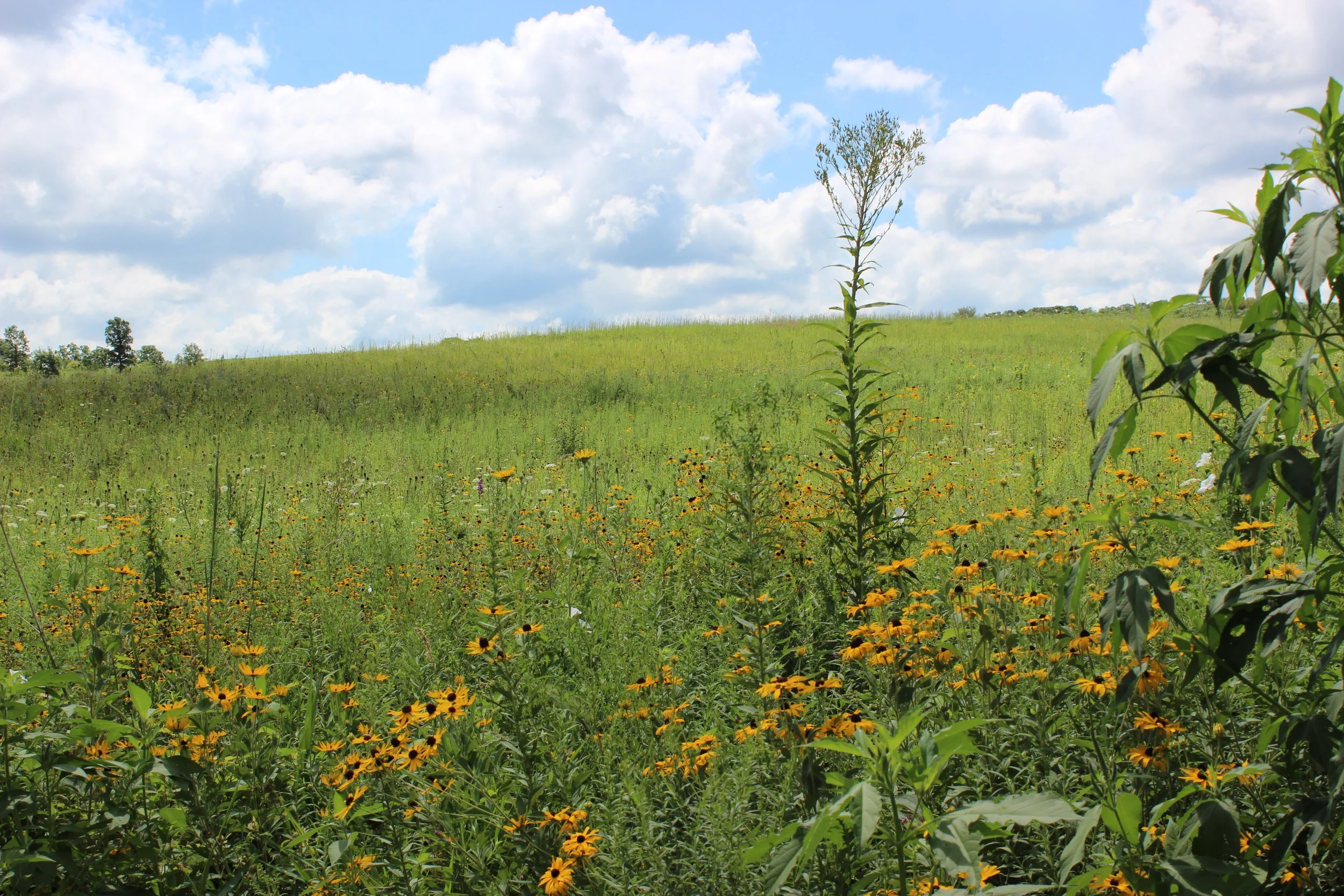
Buildings from Herbert Hoover’s hometown of West Branch, where he lived until age 11, are preserved at the Herbert Hoover National Historic Site. The values learned during these years drove him to become an engineer, humanitarian and the 31st President of the United States. The Hoover Presidential Library, the graves of the late president and his wife and preserved prairie land are also parts of this historic site. It is a very well managed and highly informational collection.

Of course, these are just a few of the highlights. The river and its banks also offer opportunities for hiking, fishing, boating or just enjoying the views.