Revolutionary Landmarks
There are three distinct areas to concentrate on in this part of Massachusetts. The revolutionary sites around Concord and Lexington, the harbor and witch trial sites in Salem and the plethora of historic sites in Boston. There is so much to see here that it may seem overwhelming. So either plan for a long stay or prioritize. Here are just a few of the major points of interest:
Minute Man National Historical Park
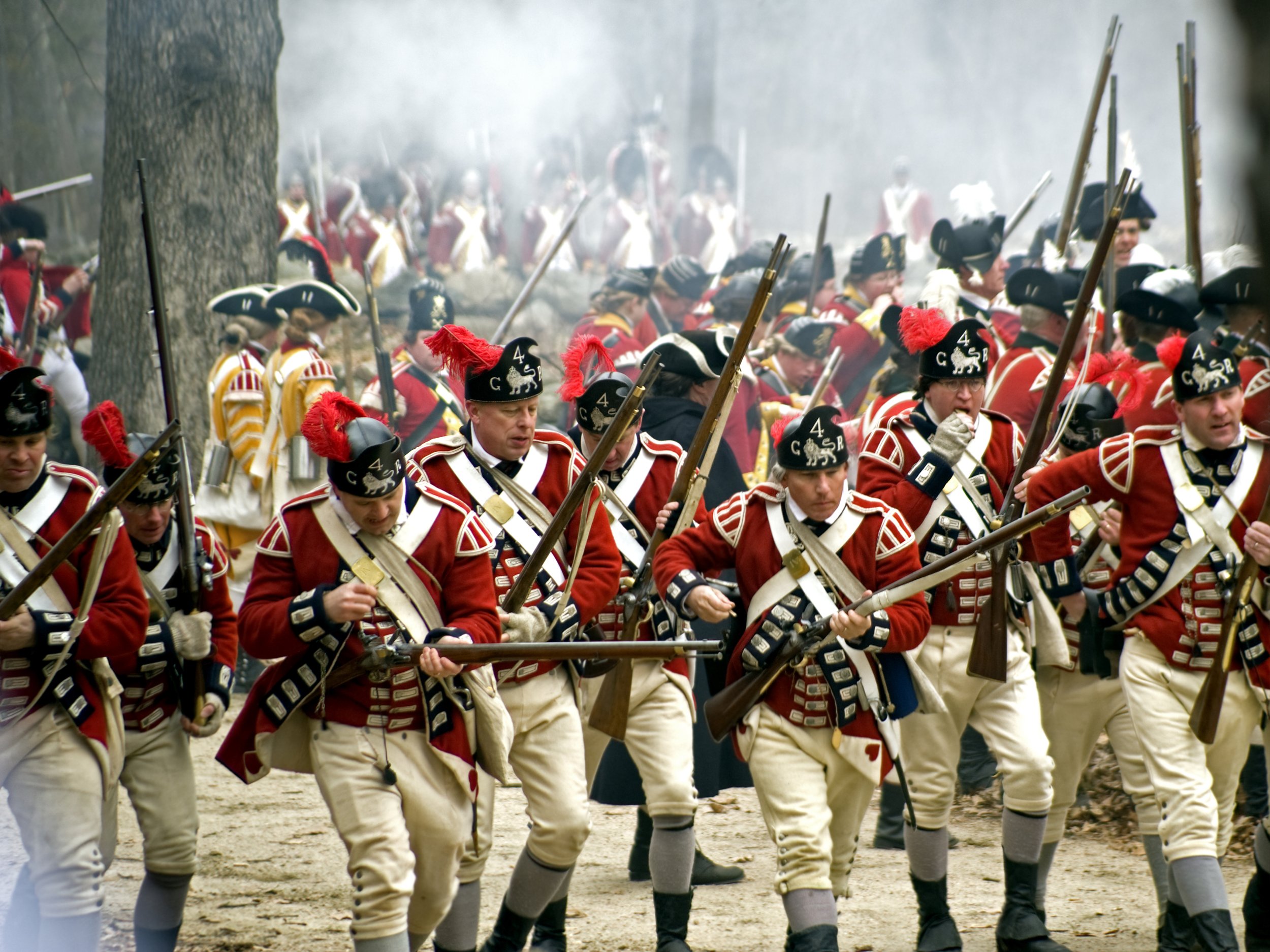
Established in 1959 and managed by the National Park Service, The Minute Man National Historical Park commemorates the first battles of the American Revolution. The park includes the North Bridge (where the second skirmish of the day was fought), the Minute Man Statue, the 5-mile "Battle Road Trail" and other sites.
Salem Maritime National Historic Site
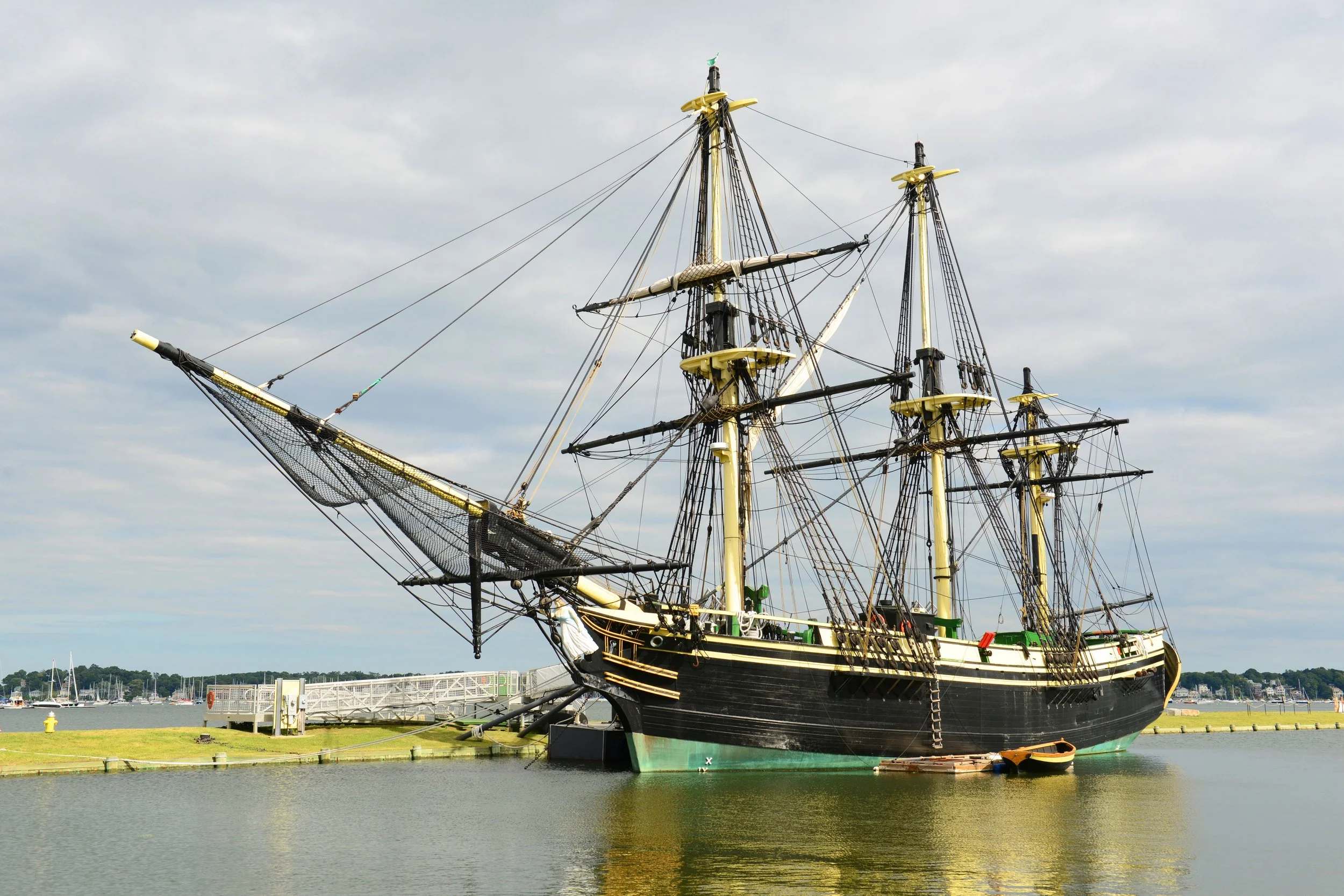
Established in 1938, the Salem Maritime National Historic Site preserves a section of waterfront, on tall ship and a dozen buildings connected with the city’s colonial maritime history. Exhibits help interpret the aspects of maritime trade as well as life in a harbor town.
Boston National Historical Park
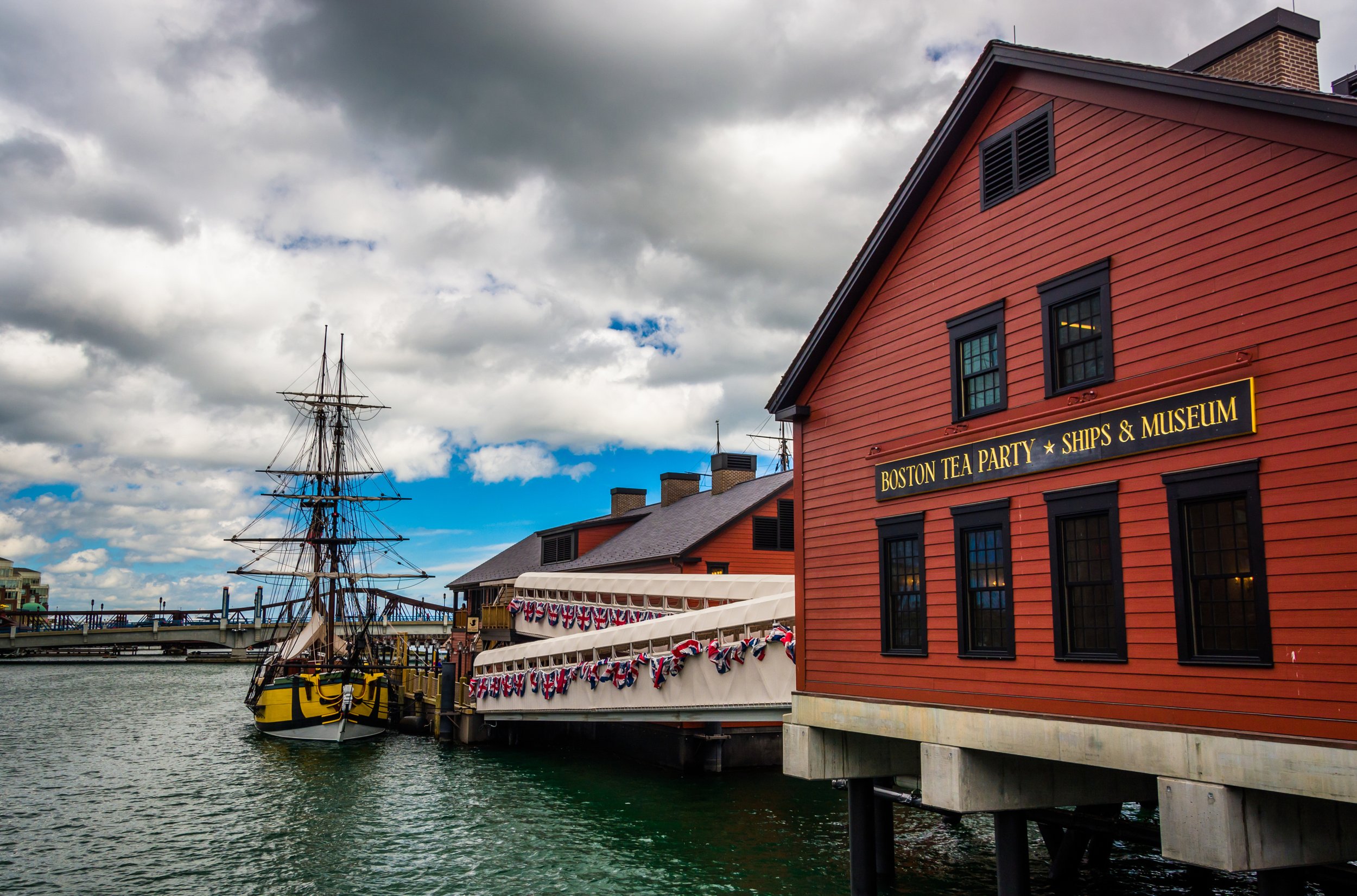
The Boston National Historical Park preserves eight colonial-era sites that help interpret Boston’s role in the American Revolution. All but one of those sites are on the Freedom Trail. While the National Park Service maintains a visitor center and helps manage aspects of the trail, five of the eight sites are privately owned.
Longfellow House-Washington's Headquarters National Historic Site
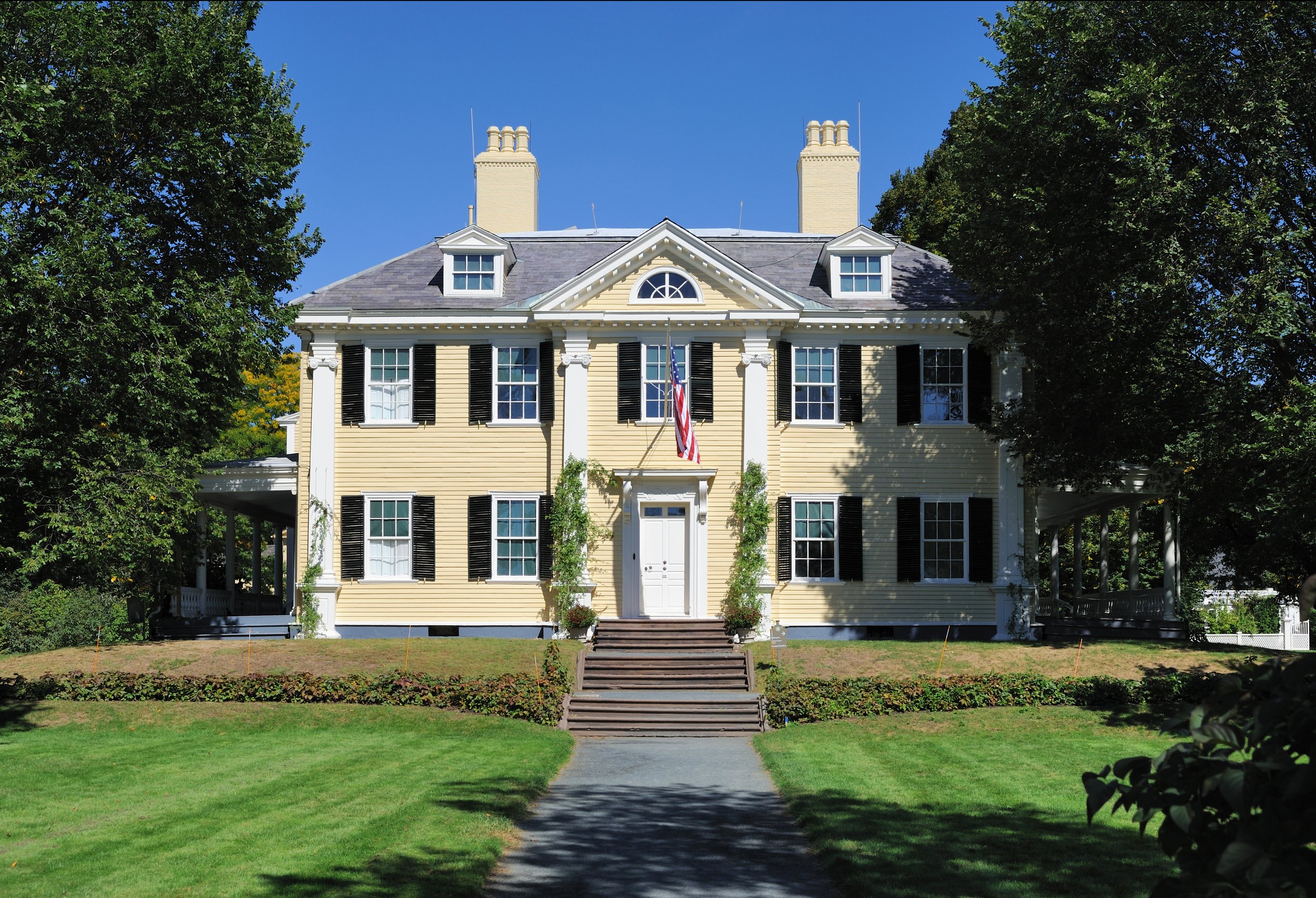
The Boston home of American poet Henry W. Longfellow is preserved to commemorate one of the world’s great 19th century poets. Longfellow lived in the home for nearly 50 years. The Longfellow family was the last to occupy the house.
Prior to the Longfellow residence, the house served as General Washington’s headquarters. Washington occupied the house on July 16, 1775. This was Washington’s base during the seige of Boston.
Boston African American National Historic Site
Prior to the Civil War, Boston was home to one of the nation’s largest populations of free slaves. The Boston African American National Historic Site preserves 15 buildings in the Beacon Hill neighborhood that were central to that community. This includes the African Meeting House, which is said to be the oldest black church in the United States.
Boston’s African American community was instrumental in the abolitionist cause and were active in the Underground Railroad. During the Civil War, black Bostonians made up the bulk of the 54th Regiment Massachusetts Volunteer Infantry.
These are just a few of the places you can explore. There are many more on the interactive map for this itinerary. Take a look. Then plan a trip and see how many you are able to visit.