Great Basin National Park
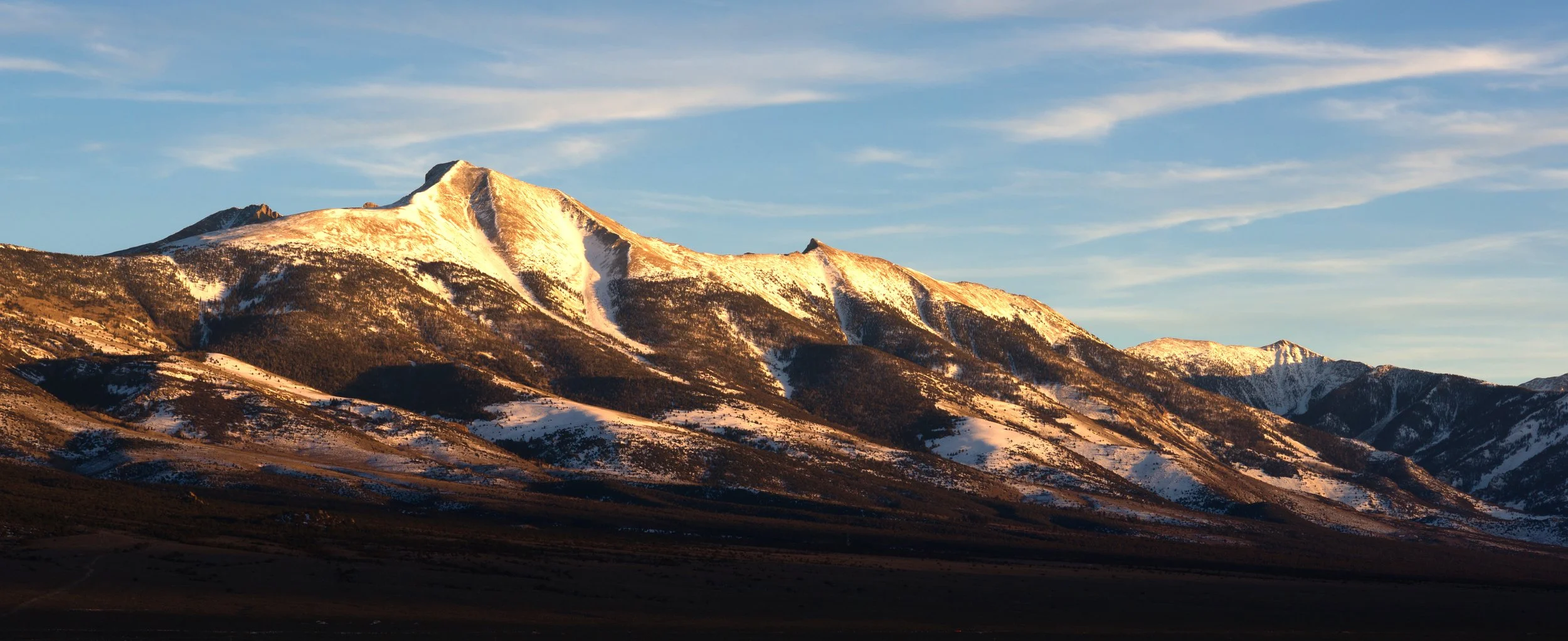
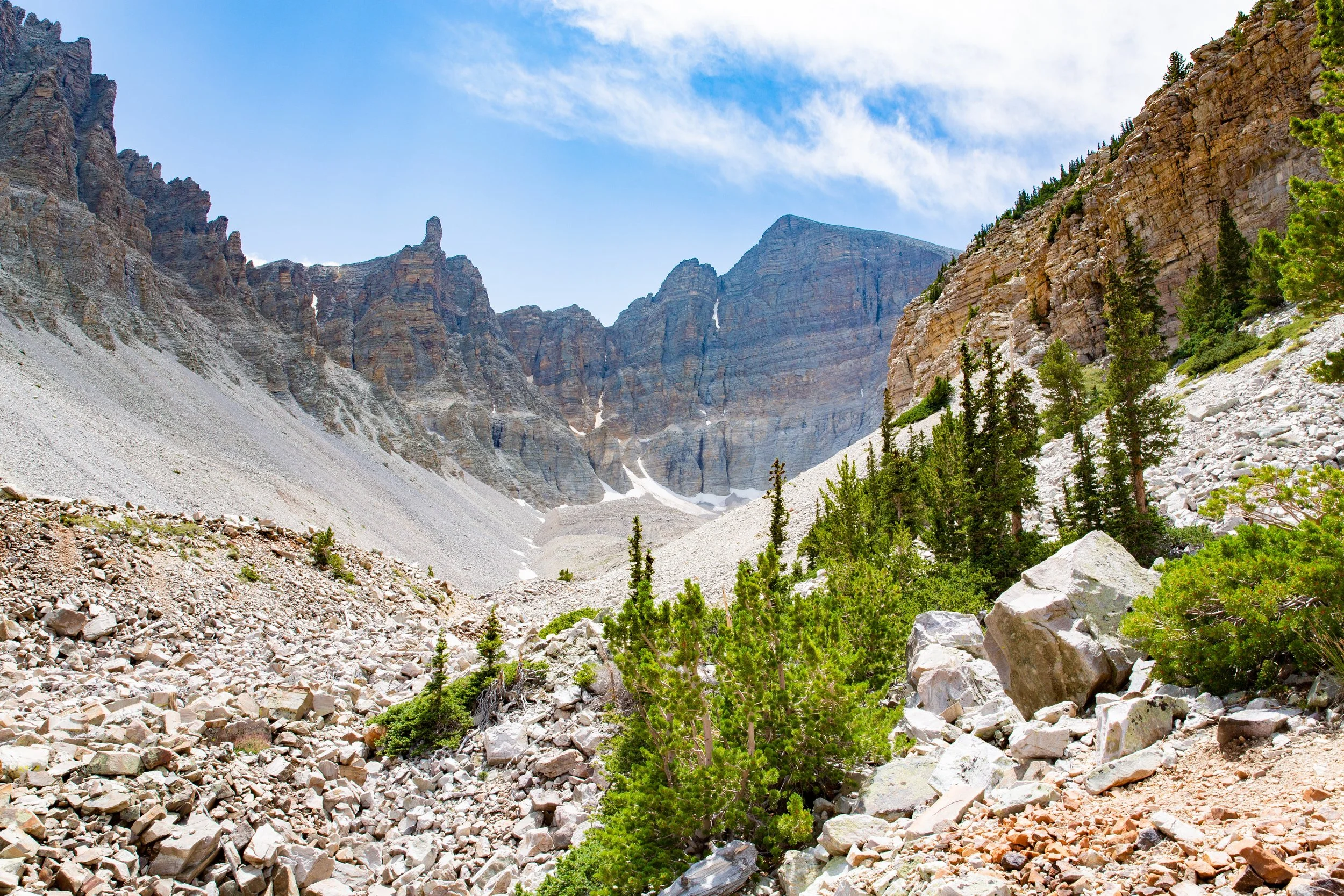
The diverse topography of Great Basin National Park seems at odds with the notions of desert, when one thinks of Nevada. From the alpine summit and glaciers of Mount Wheeler, to Lehman Caves and the ancient stand of bristlecone pines, it is a vibrant region worthy of exploration. Indeed, average highs even in summer do not reach 90 degrees. The park is considered arid, but it is far more temperate than one might imagine.
Large mammals in the park include mountain lions, coyotes, bobcats, ringtail cats, mule deer and bighorn sheep. Less common are pronghorn, kit foxes and badgers. A wide variety of birds can also be seen throughout the park.
Great Basin was declared a national park in 1986 and has since been administered by the National Park Service. The park offers multiple campgrounds and a wide variety of recreational opportunities. These include hiking, horseback riding, caving, climbing and fishing. In winter, many parts of the park are accessible by ski or snowshoe and winter backcountry camping is allowed.
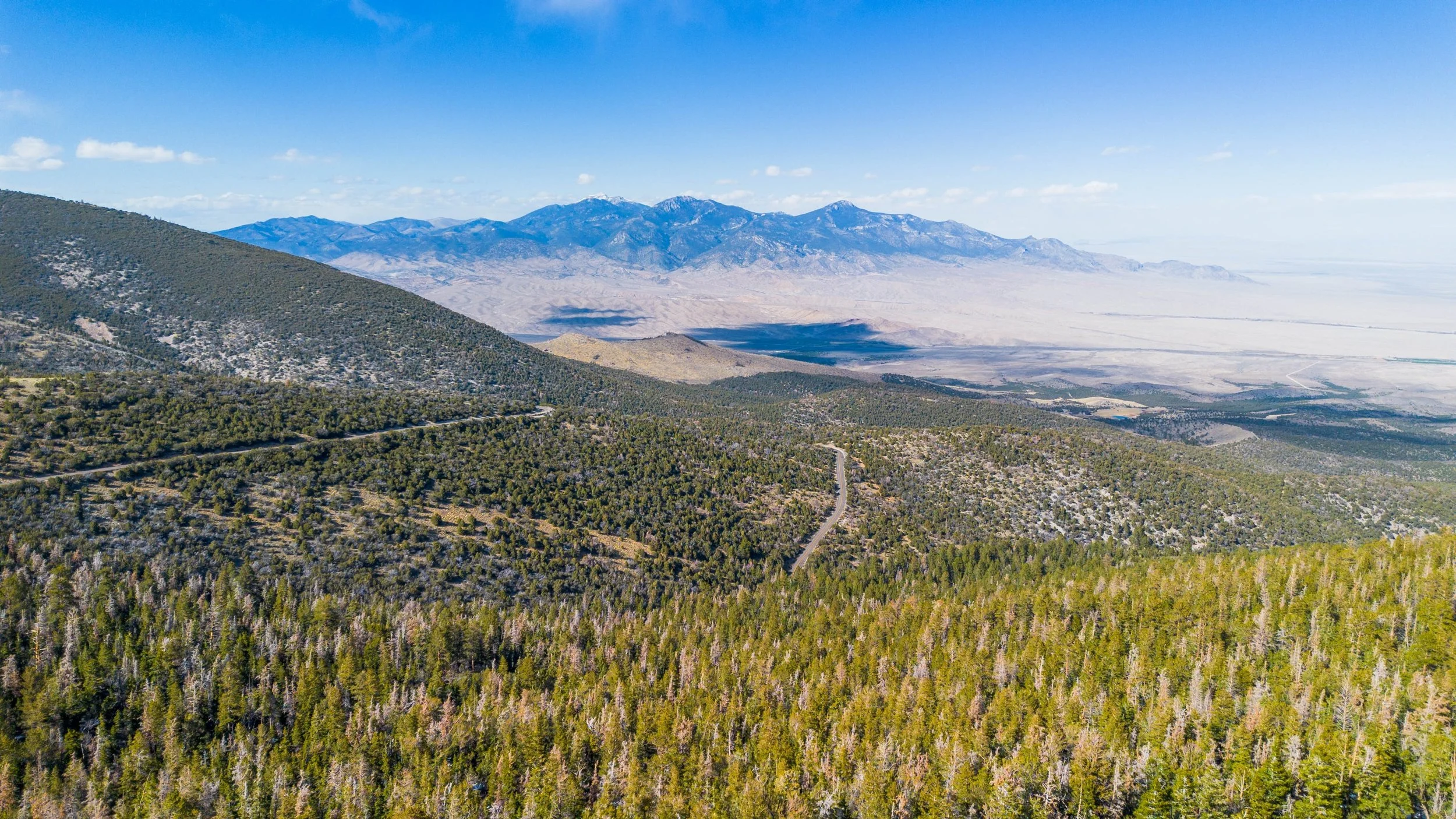
Other things to see in the area include the scenic Great Basin Highway and the historic town of Ely, Nevada. Elk herds are increasing in Eastern Nevada and particularly in the Great Basin area. Elk viewing is possible along the Great Basin Highway