Eastern Kansas
If you look at the interactive map on the Eastern Kansas, you might note that it covers a fairly large area with only half a dozen identified points of interest. All of them, with one exception, are managed by the park service and they all help interpret the history of this region. All are interesting in their own respect and are definitely worthy of exploration. Here is a brief summary of what you will find:
Tallgrass Prairie National Preserve
This preserve was set aside in 1996 to protect some of the America's last remaining tallgrass prairie. Administered by the National Park Service, this national preserve offers 40 miles of hiking trails and opportunities for fishing.
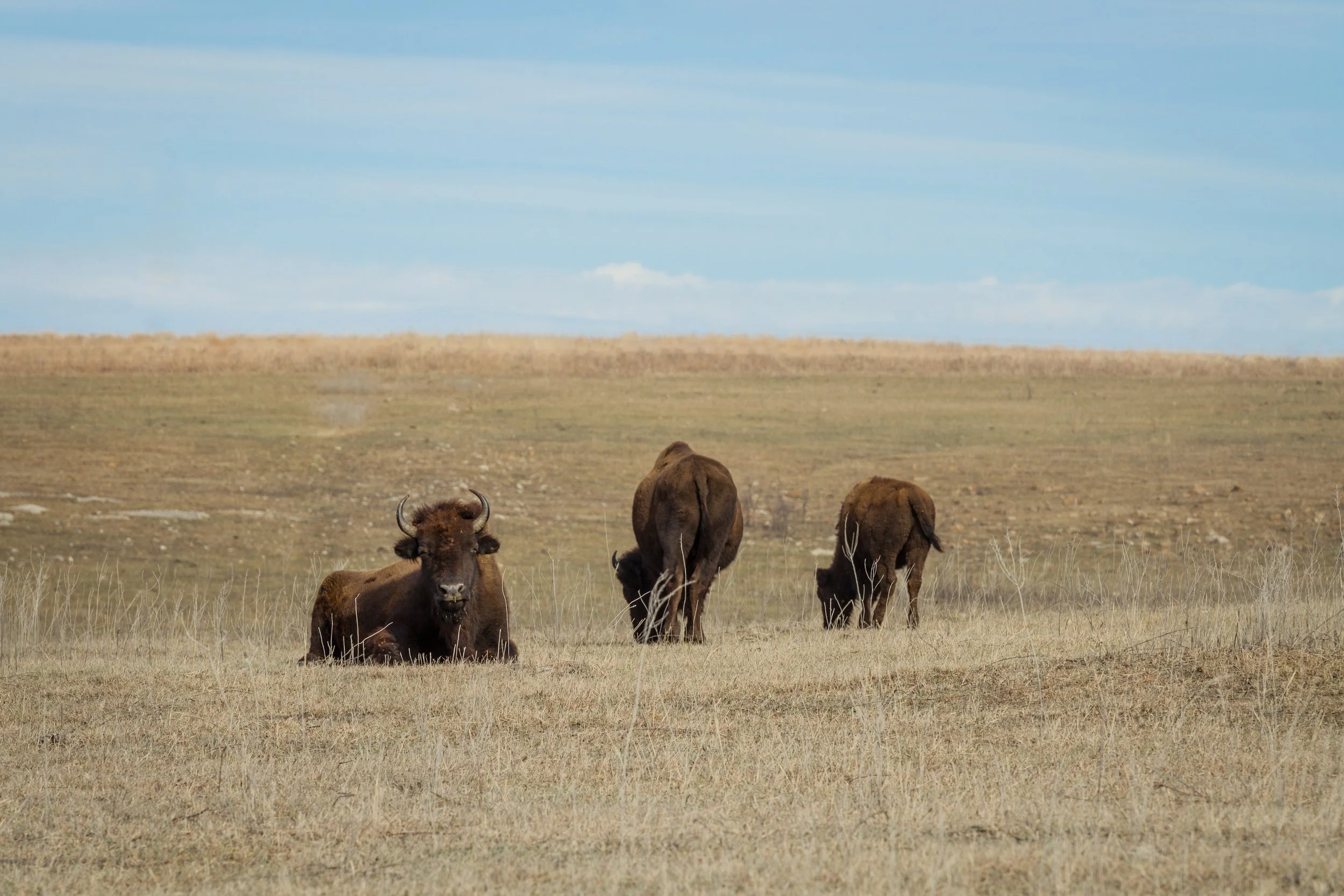
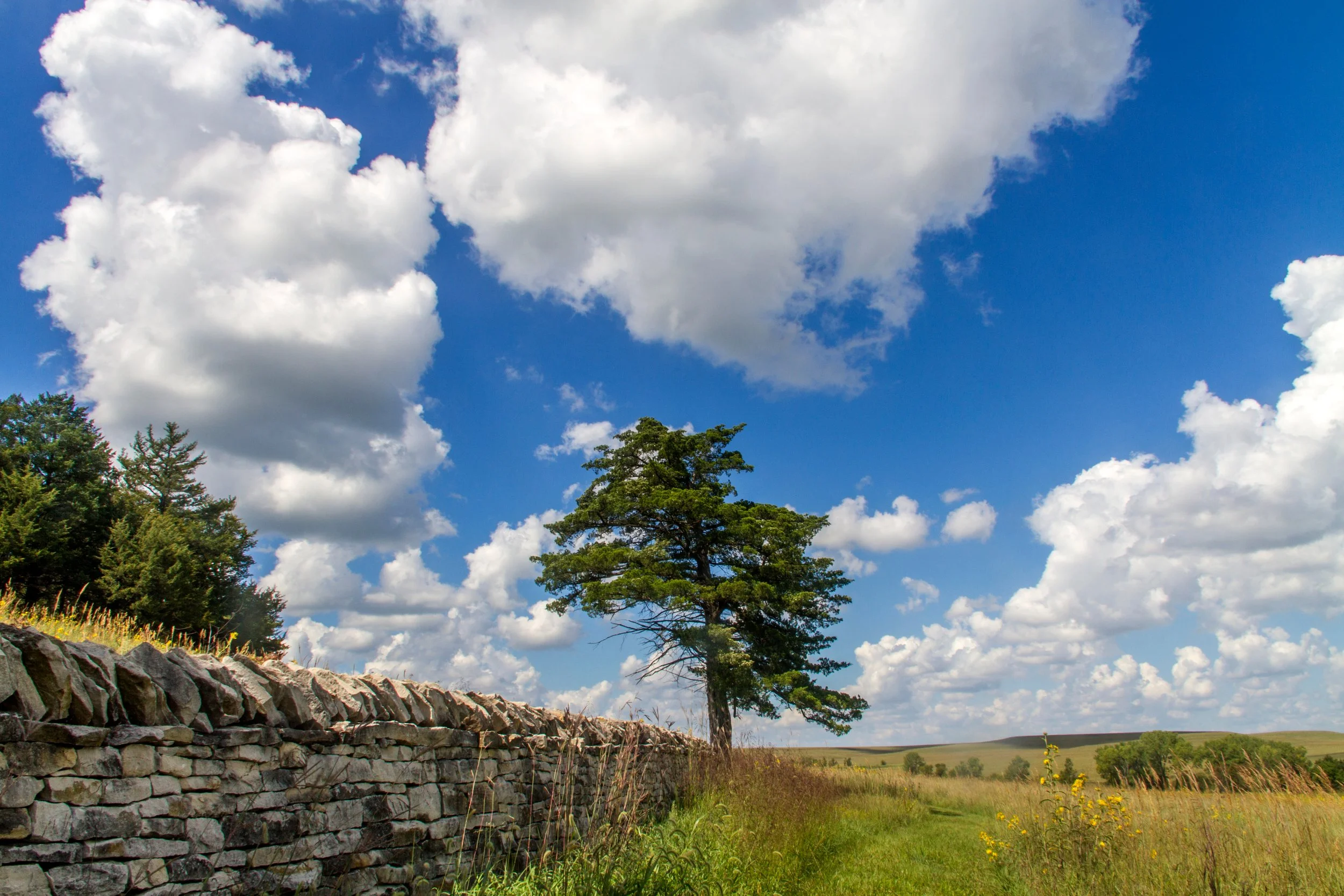
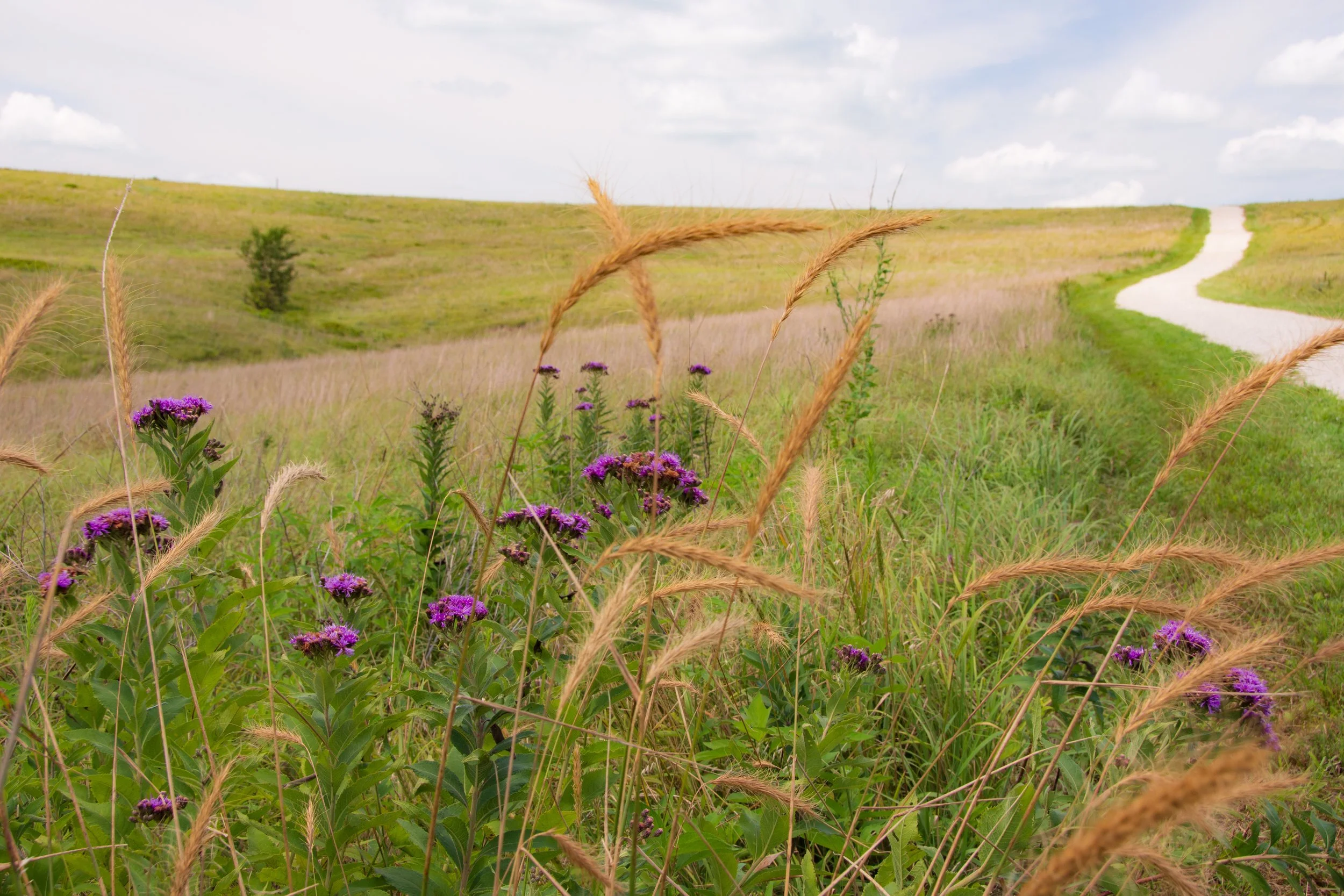
The remnants of the historic Spring Hill Ranch are also at the front of the preserve. Further in visitors may encounter the small buffalo herd that grazes as they did for thousands of years.
Running alongside the preserve is a 47-mile byway passes through the Flint Hills of Kansas. Visitors will see tallgrass prairie and numerous historic sites around Council Grove.
Fort Scott National Historic Site
Fort Scott was first garrisoned in 1842 when eastern Kansas was at the edge of the western frontier. The fort was abandoned after about 10 years of service and then reinstated during the Civil War. In 1861 the army took possession of Fort Scott and used it as a base from which to subdue Kansas and conduct military actions in Arkansas. The fort was also used as one of the few bases for training black soldiers.
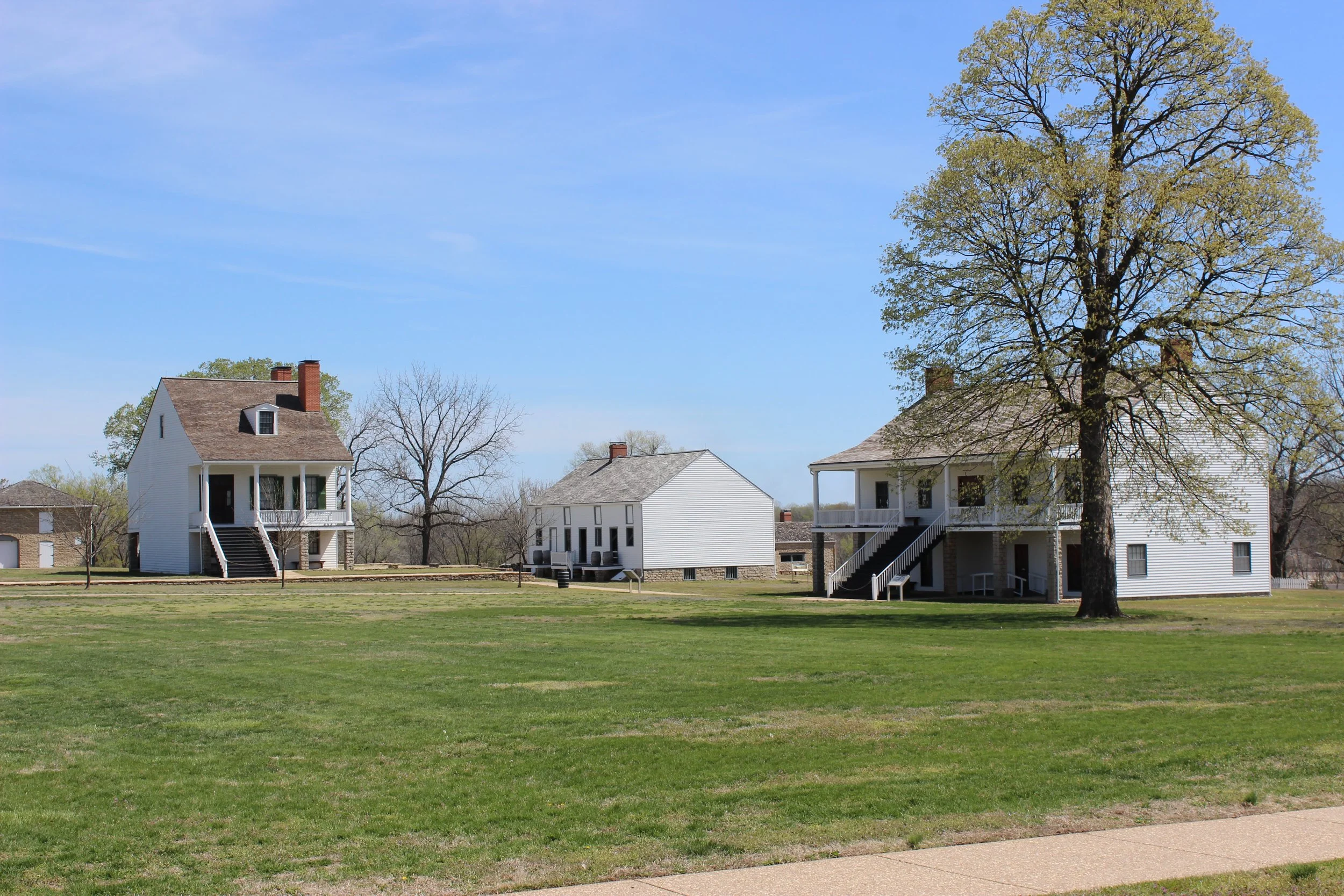
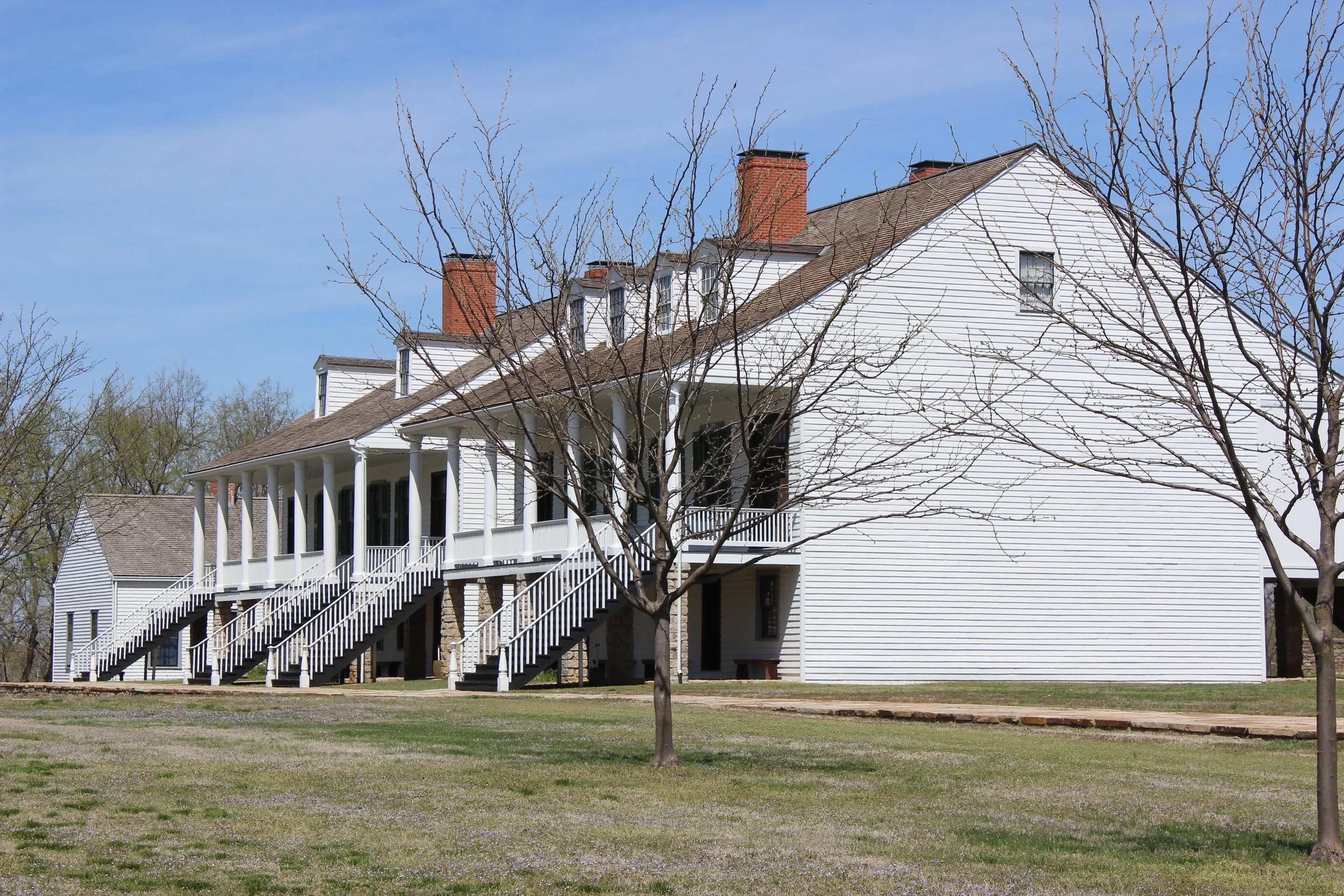
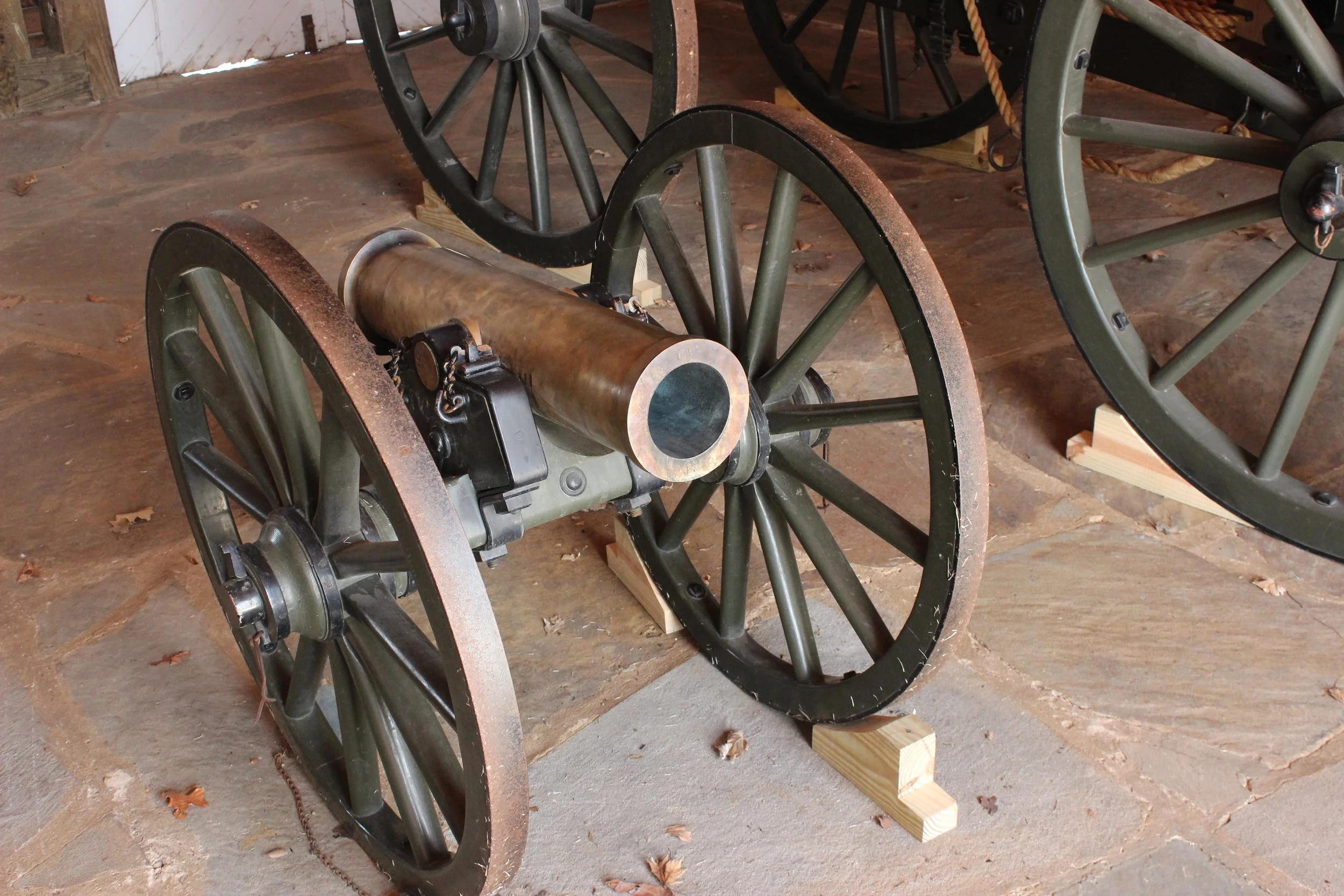
In the 1960s, the fort was restored by the city of Fort Scott with money and expertise from the National Park Service. In 1978 it was appointed as Fort Scott National Historic Site.
Harry S. Truman National Historic Site
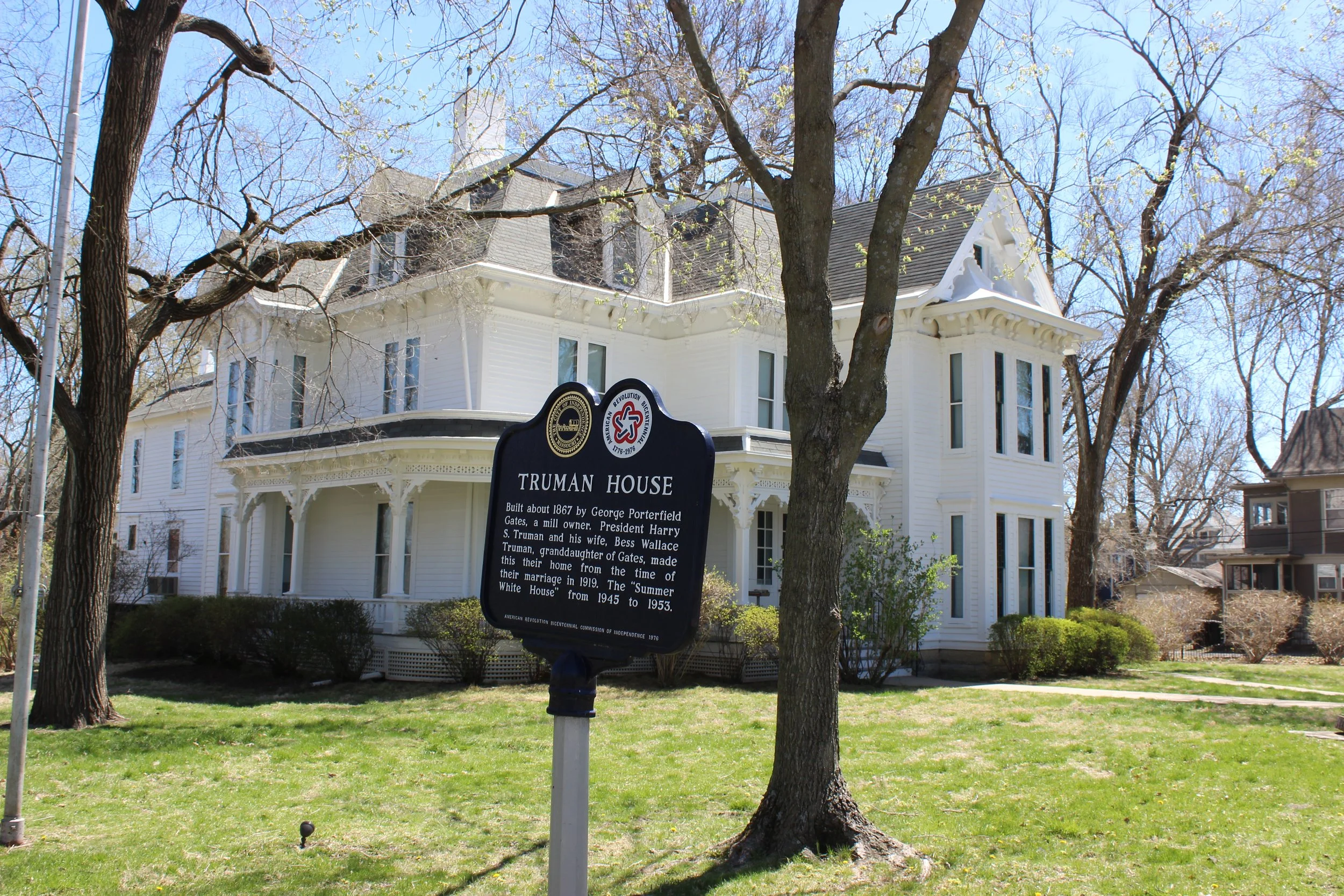
Harry S. Truman was the 33rd president of the United States and helped guide the nation through the end of World War II and into the postwar reconstruction era. Harry S Truman National Historic Site was established in 1983 to commemorate and help tell the story of this American leader and statesman.
Brown v. Board of Education National Historic Site
Brown v. Board of Education National Historic Site was established in 1992 to preserve and help interpret the place where the landmark decision originated. In Brown v. Board of Education, the Supreme Court decided that separate schools were in fact unequal. This led directly to the integration of public schools in the United States.
Marais des Cygnes Massacre State Historic Site
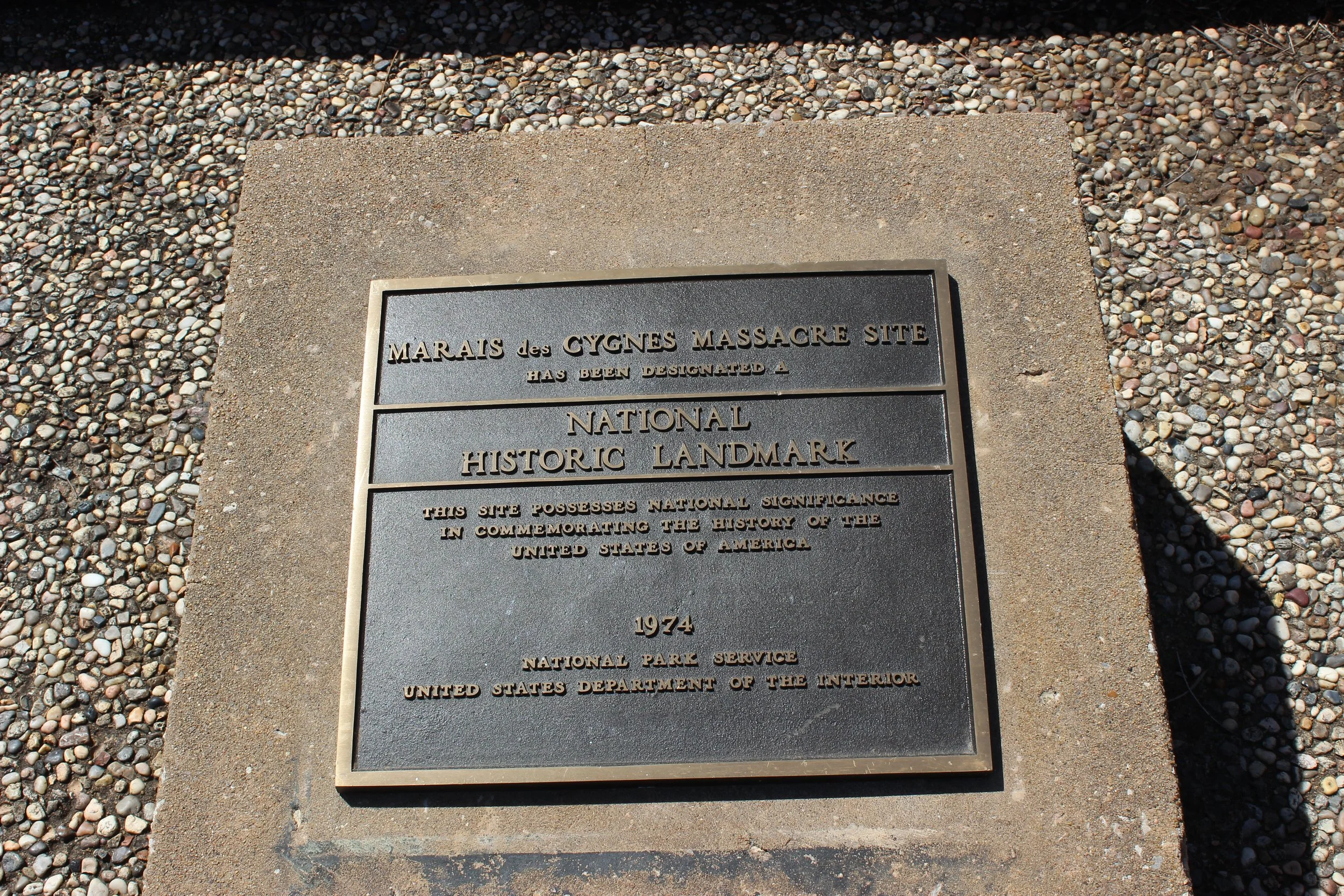
This is one of many such sites along the Kansas-Missouri border. This site marks the location of the massacre of free-state Kansans during the "Bloody Kansas" years prior to the Civil War. Similar acts were perpetrated by both sides fueled by arguments over whether or not Kansas should permit slavery. There is truthfully not much to see here other than some historical markers, a plaque and a ravine.
If you are interested in this particular history, with a little research you will find similar spots commemorated and preserved along the border.