Charleston and Savannah
These two southern port cities are filled with historic and cultural sites, making them prime tourist destinations. They are close enough together that they easily combined to make a single, incredible destination.
Founded in 1617 as “Charles Town,” the modern city of Charleston is known for its historic districts, arts and entertainment venues and its rich culinary scene.
Savannah is the oldest city in Georgia. It was the colonial and original state capital. It was also an important southern port city. Its historic neighborhoods and Savannah River waterfront are both a must-see.
Other nearby sites include:
Fort Pulaski National Monument
Fort Pulaski was one of 30 improved coastal fortifications ordered by President Madison at the conclusion of the War of 1812. The revolutionary design was intended to be more durable than previous installations and most of the forts remain to this day. Twelve-foot-thick walls were considered all but impregnable.
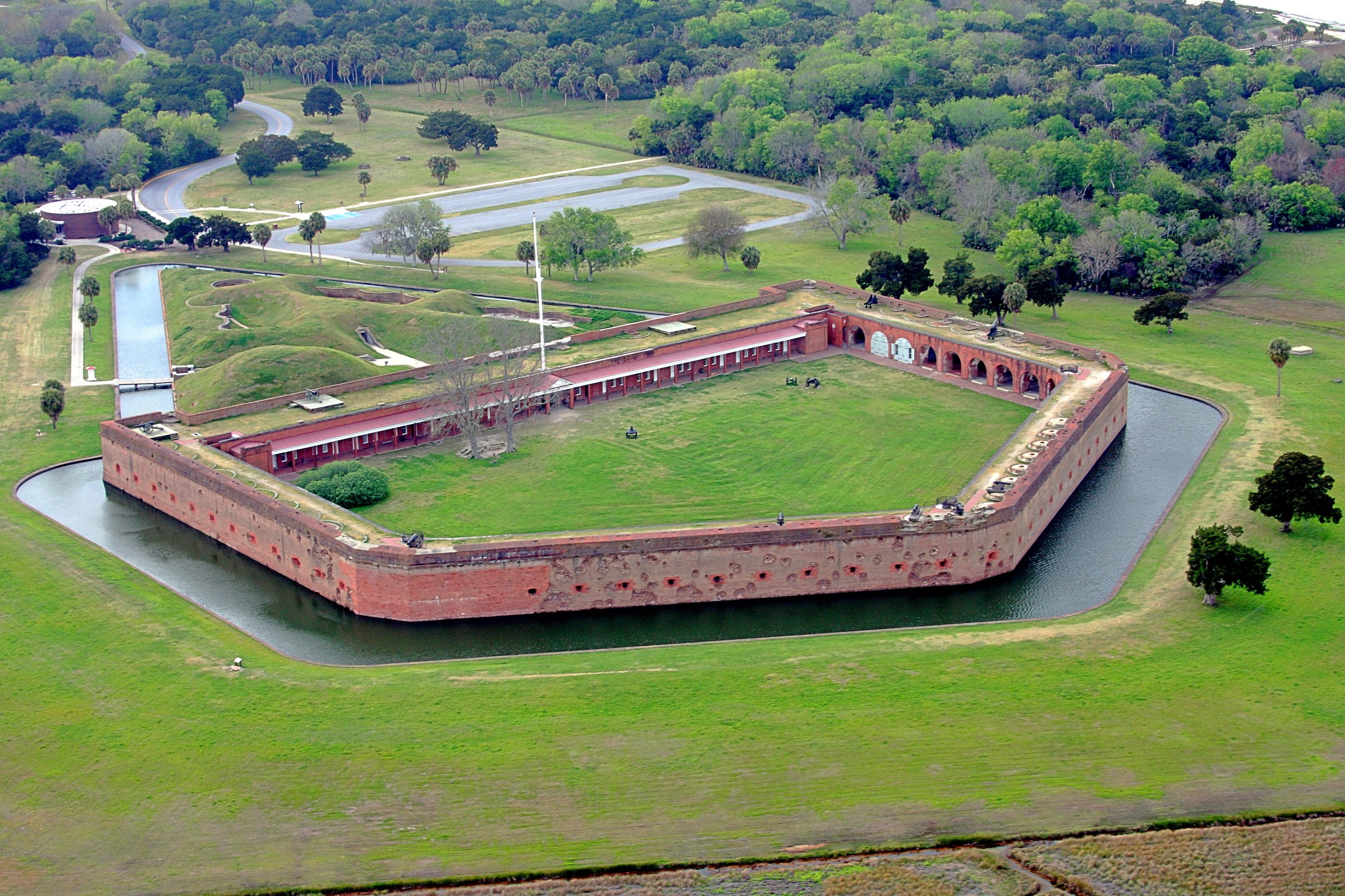
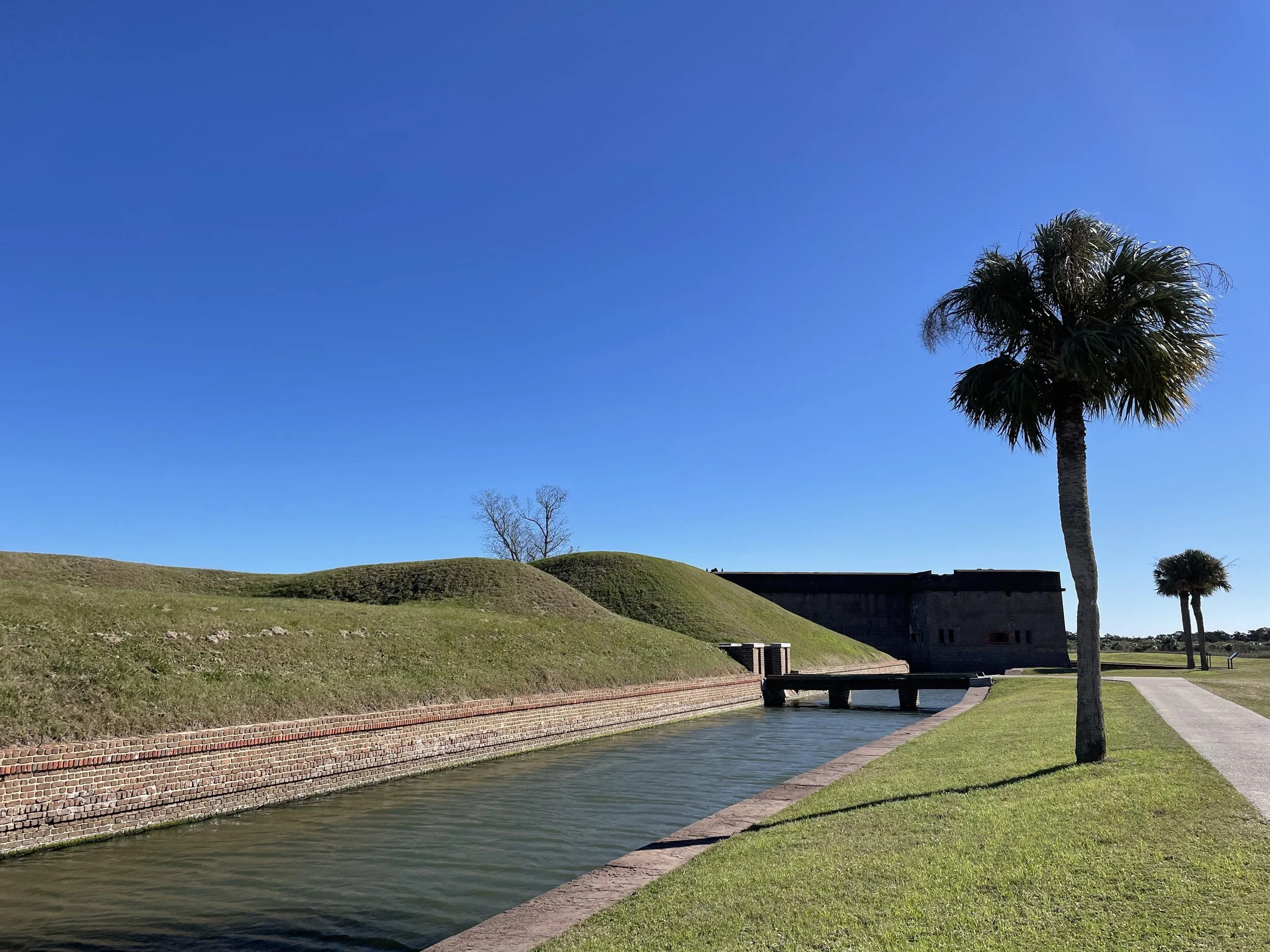
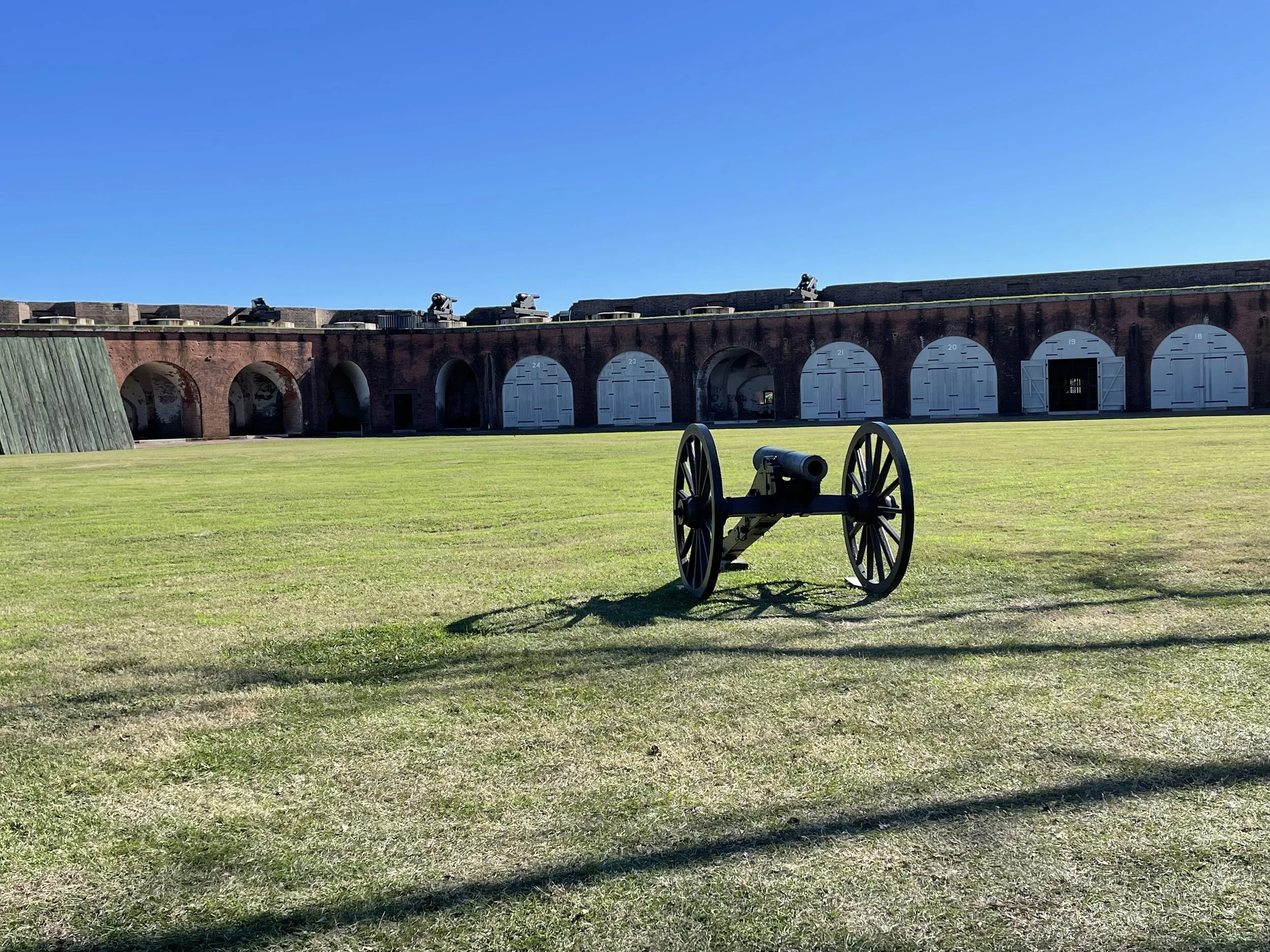
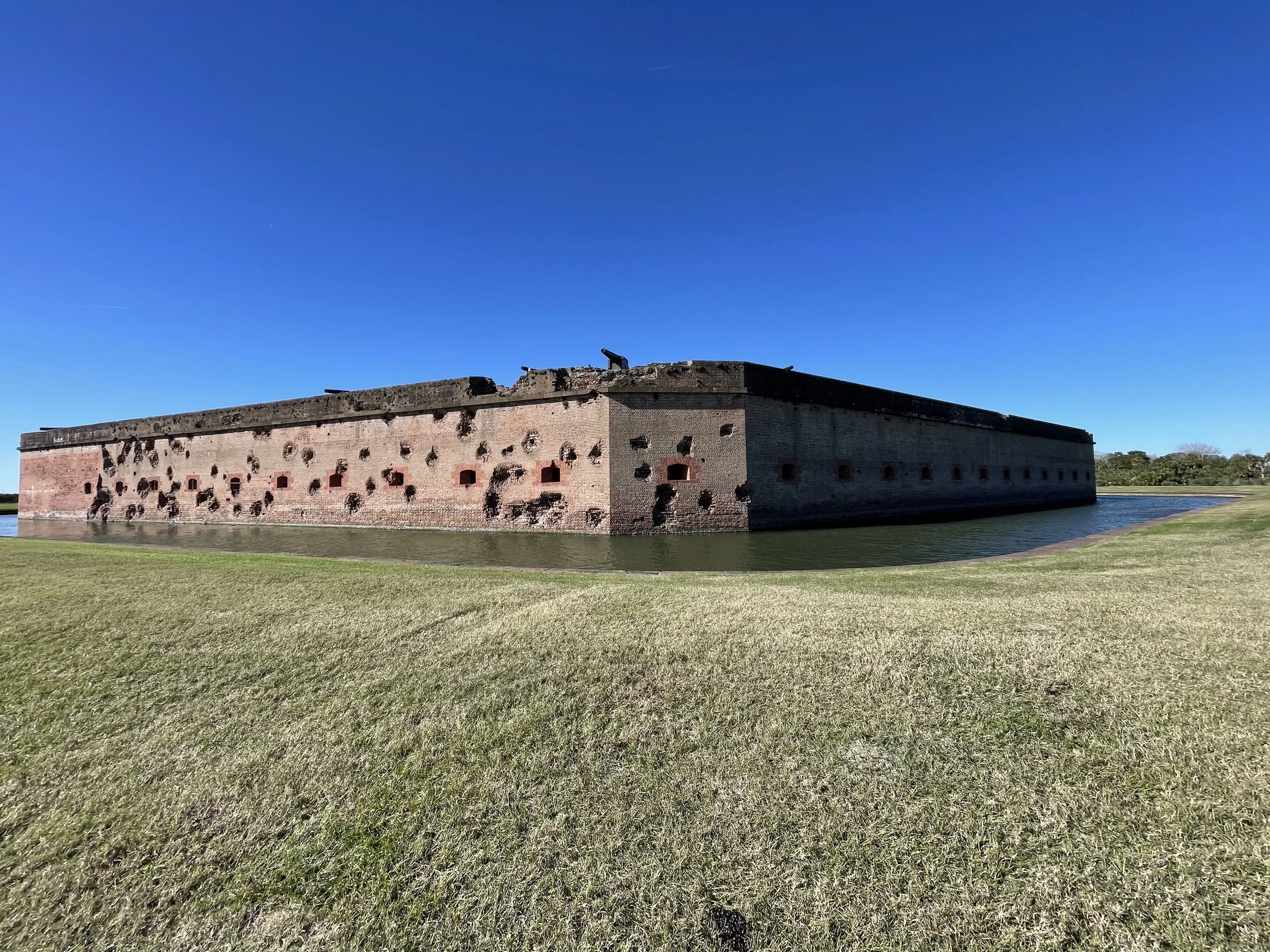
During the Civil War, Union forces commanded by Quincy A. Gillmore captured the adjacent Tybee Island. Using rifled cannons, with greater range and accuracy than Confederate guns, Gillmore forced the surrender of Fort Pulaski. This engagement demonstrated that the best coastal fortifications of the time were no match for advanced ordinance technology.
Following the war, Fort Pulaski was repaired and armed with better cannon. Despite these improvements, the fort gradually fell into disrepair. In an effort to save the old fort, it was declared a national monument in 1924 and transferred to the National Park Service.
Fort Sumter and Fort Moultrie National Monuments
Forts Sumter and Moultrie were built to defend the approaches to Charleston, South Carolina following the War of 1812. The fortifications are best known for the siege of Fort Sumter that represented the first shots of the Civil War. The battle, which began on April 12, 1861, ended with the surrender of Union forces. The Union tried without success to recapture the fort in 1863. Fort Sumter remained in Confederate hands until it was abandoned as forces under General Sherman approached in 1865.
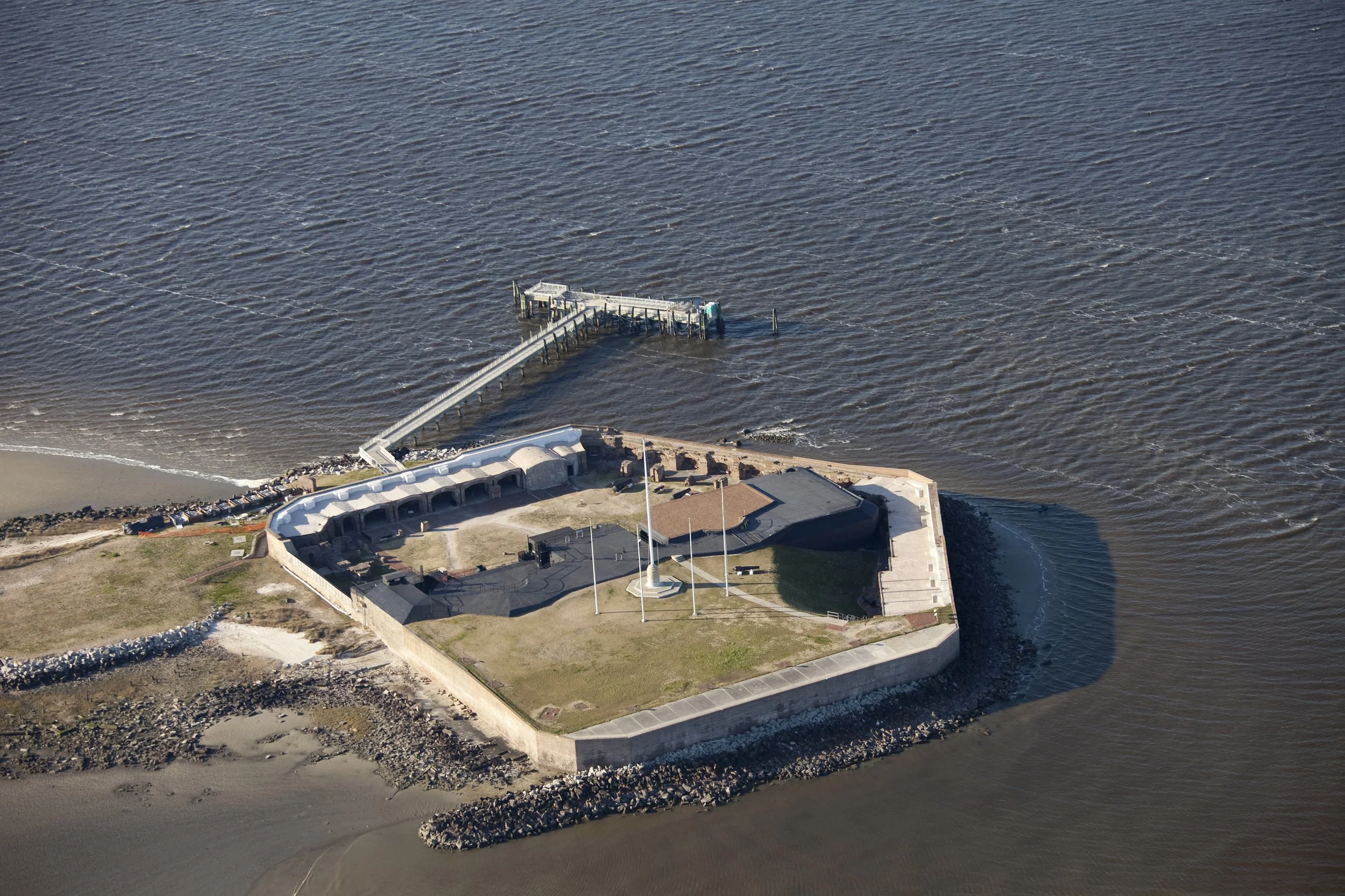
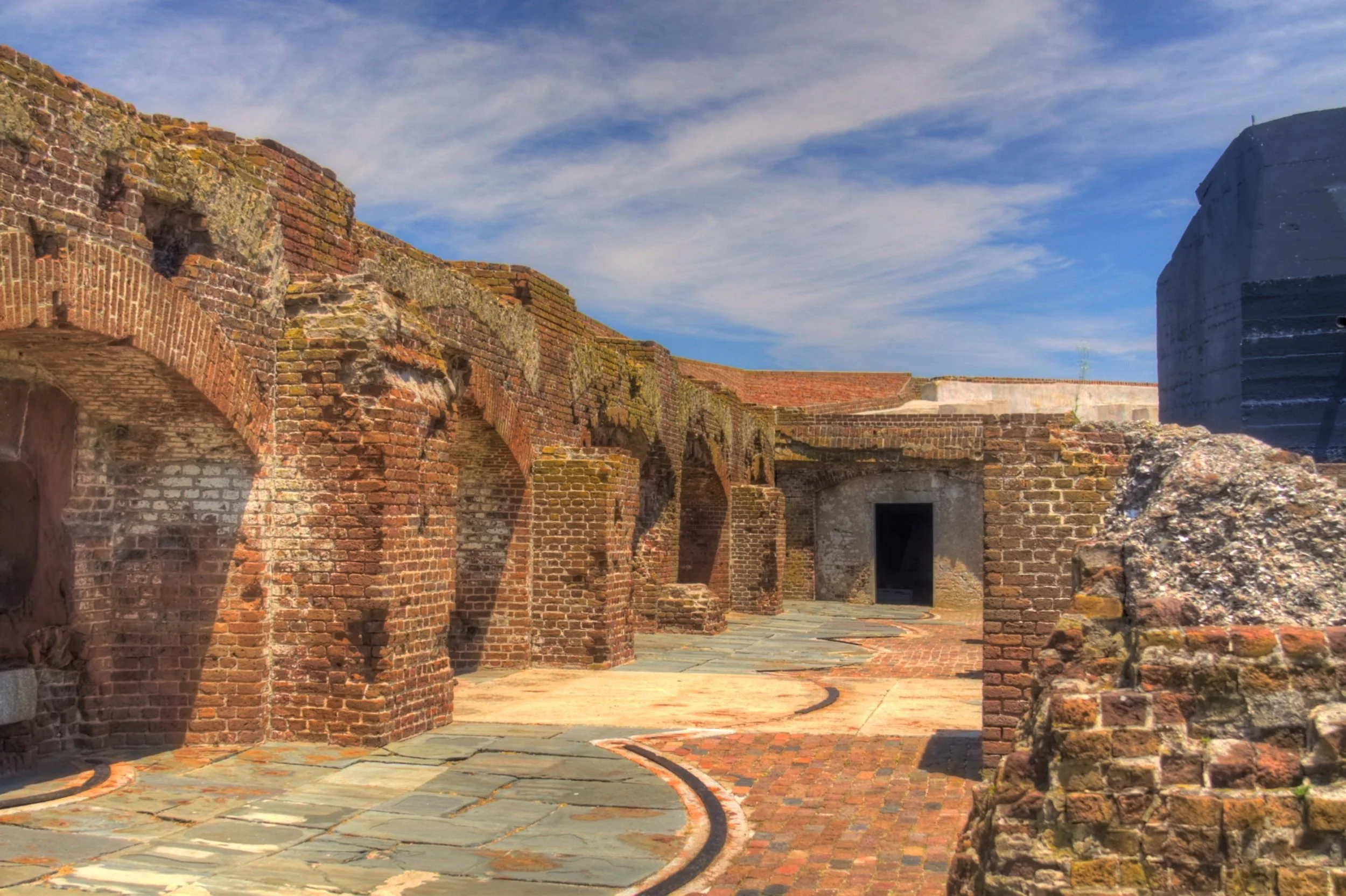
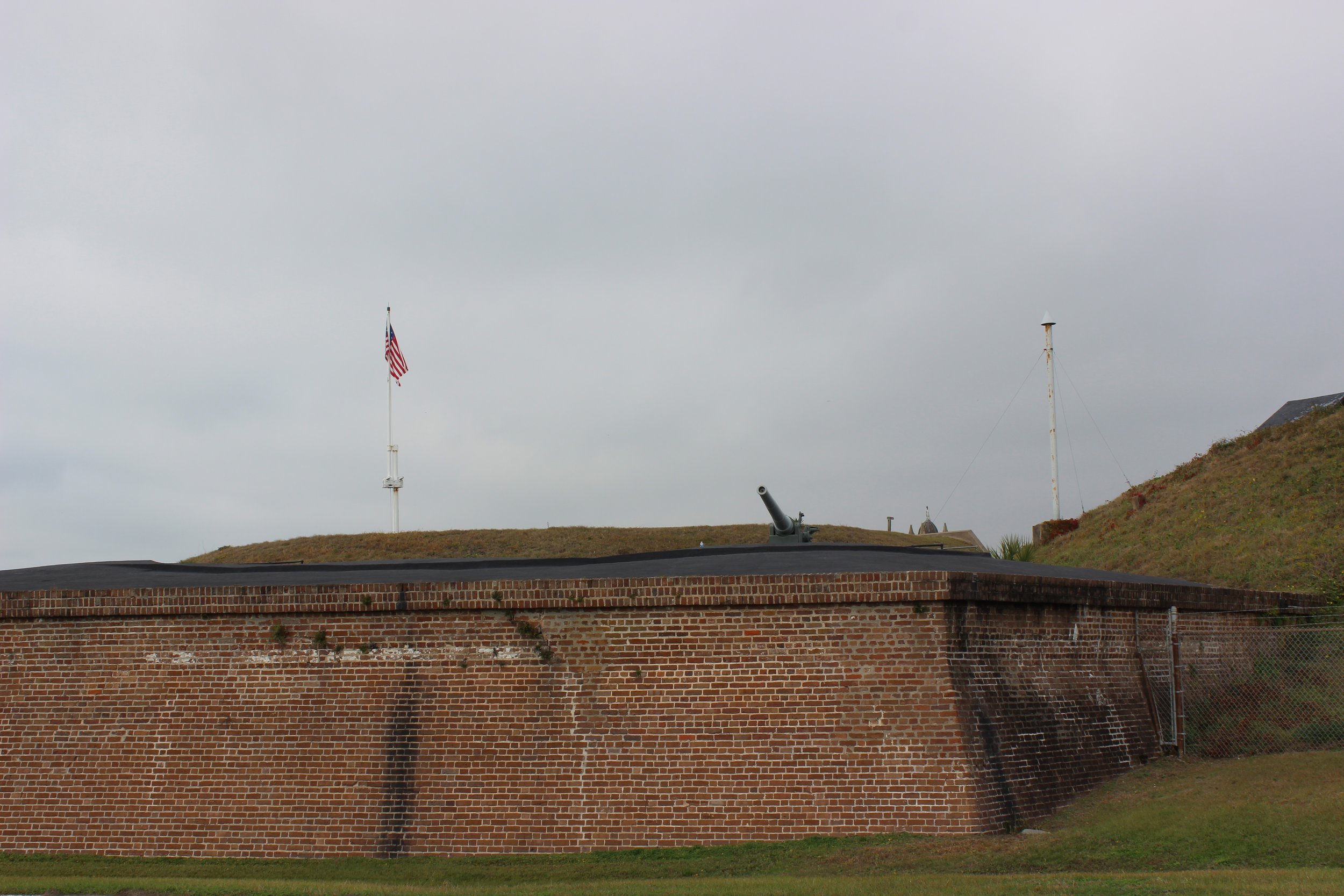
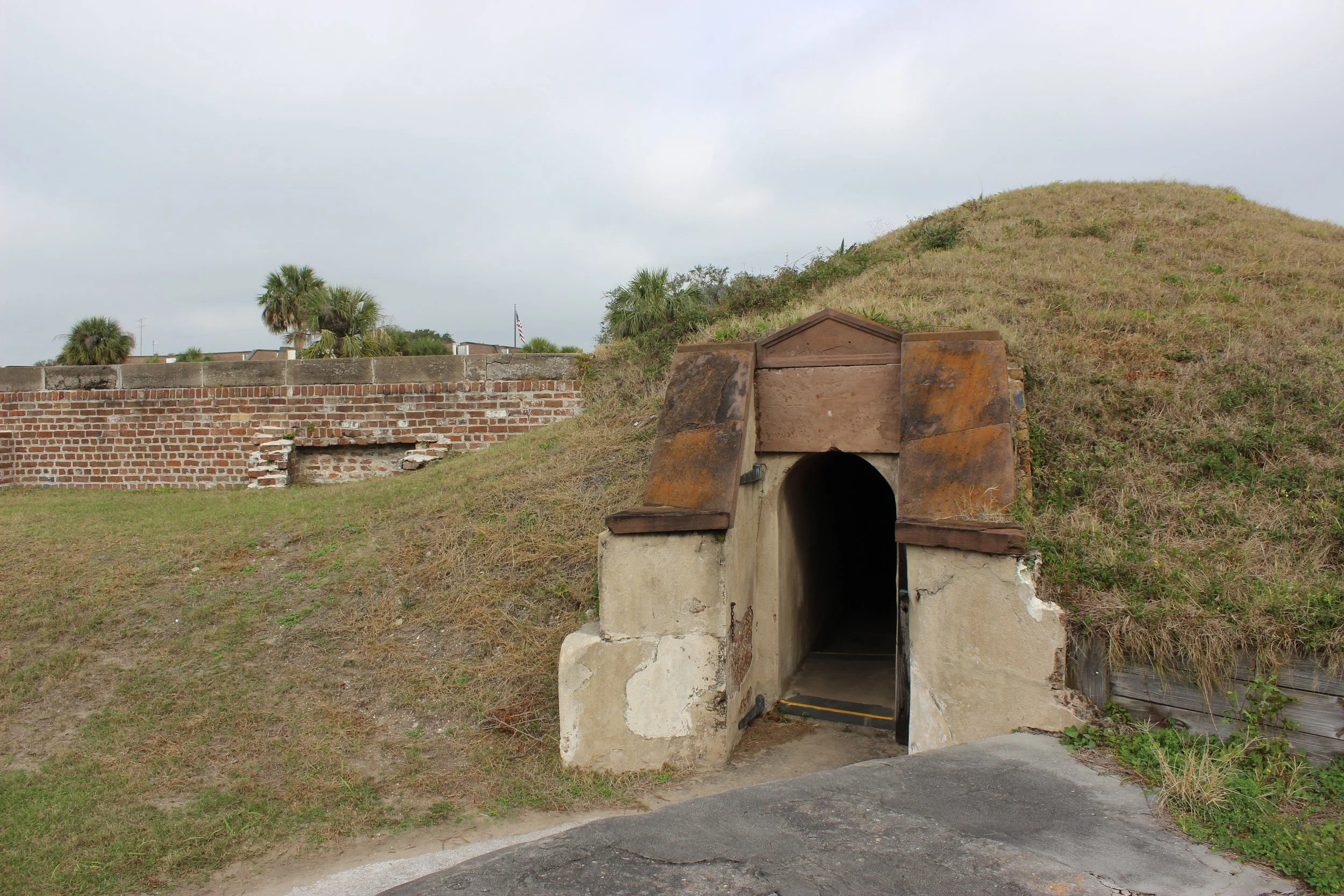
Fort Sumter spent some time as an unmanned lighthouse station until it was reactivated in the late 19th century. The fort was formally deactivated in 1947 and was transferred to the National Park Service the following year.
Charles Pinckney National Historic Site
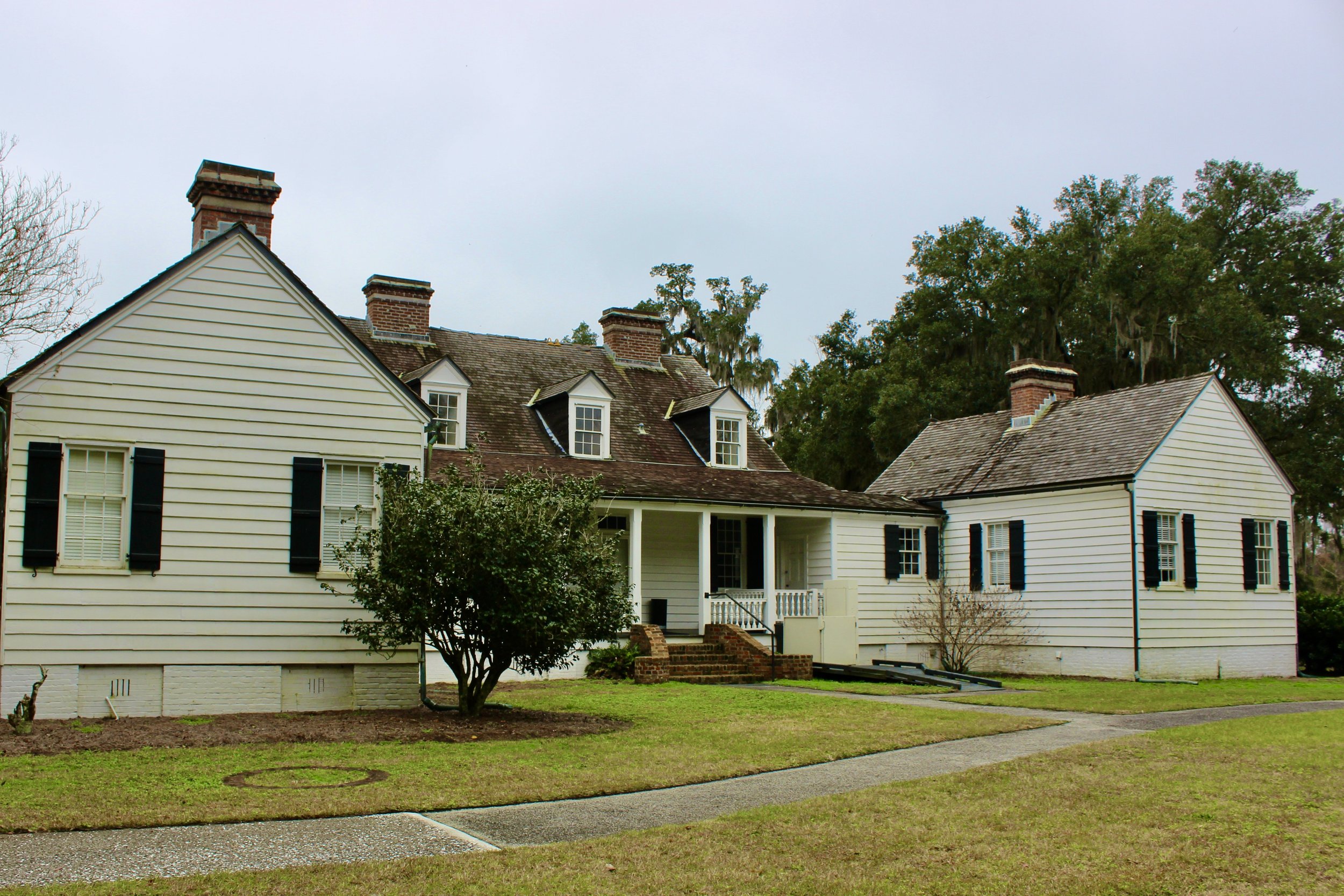
Charles Pinckney is best known for his role in helping draft the United States Constitution and added 25 clauses to the final draft. His political career spanned decades. He served three terms as governor of South Carolina and was appointed ambassador to Spain by President Thomas Jefferson.
Pinckney owned several plantations, which employed slave labor to produce primarily rice and indigo. Chief among these holdings was Snee Farm—his family home and country retreat. The plantation was designated a national landmark in 1973 and was redesignated as Charles Pinckney National Historic Site in 1988.
Reconstruction Era National Historical Park
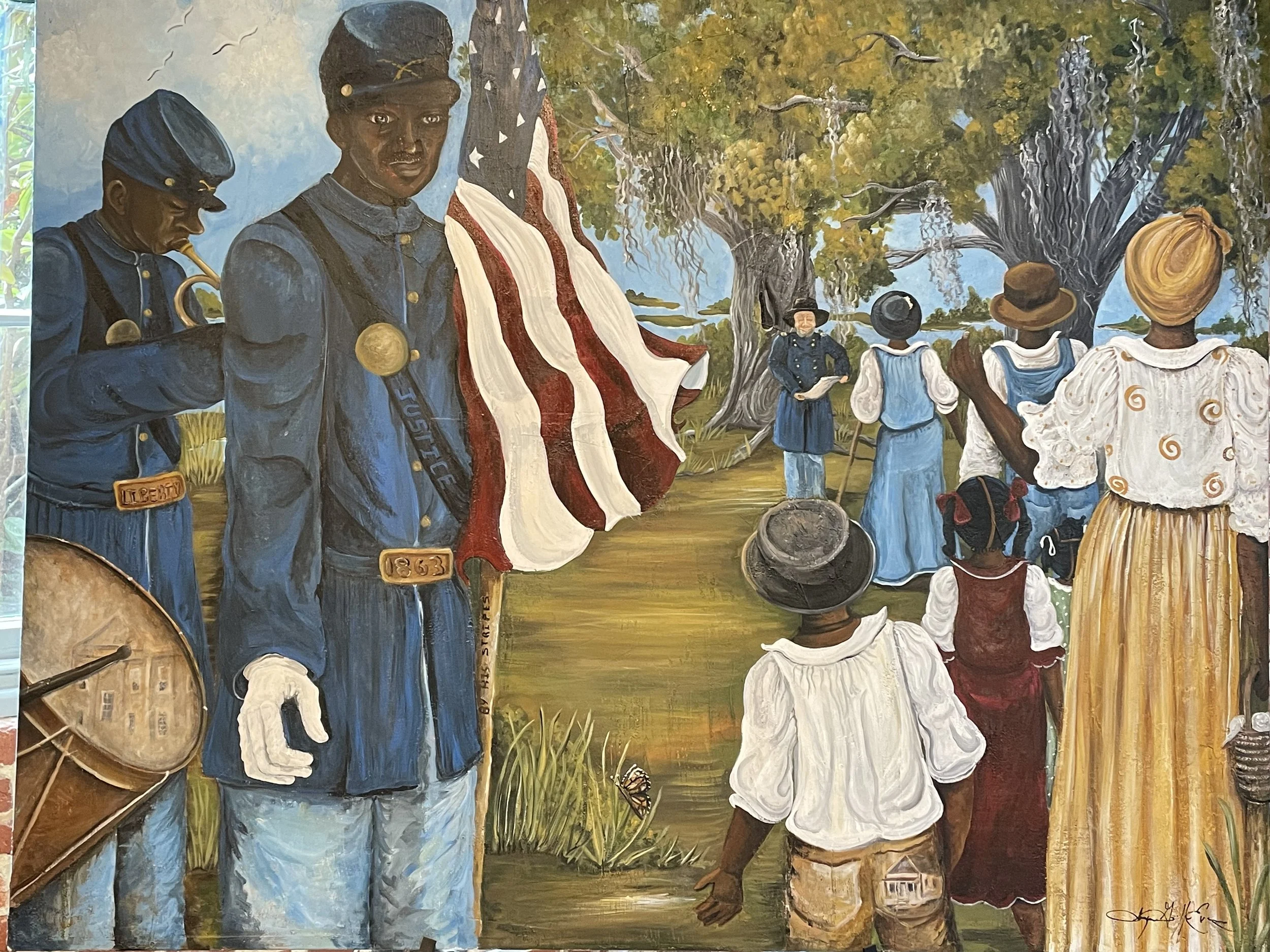
The Reconstruction Era National Historical Park was established by President Obama in 1917 to preserve a series of sites that were central to and emblematic of southern reconstruction following the Civil War. The park is intended to educate visitors on efforts to educate and integrate freed slaves into their new roles as US citizens.