Cape Breton Island—Nova Scotia
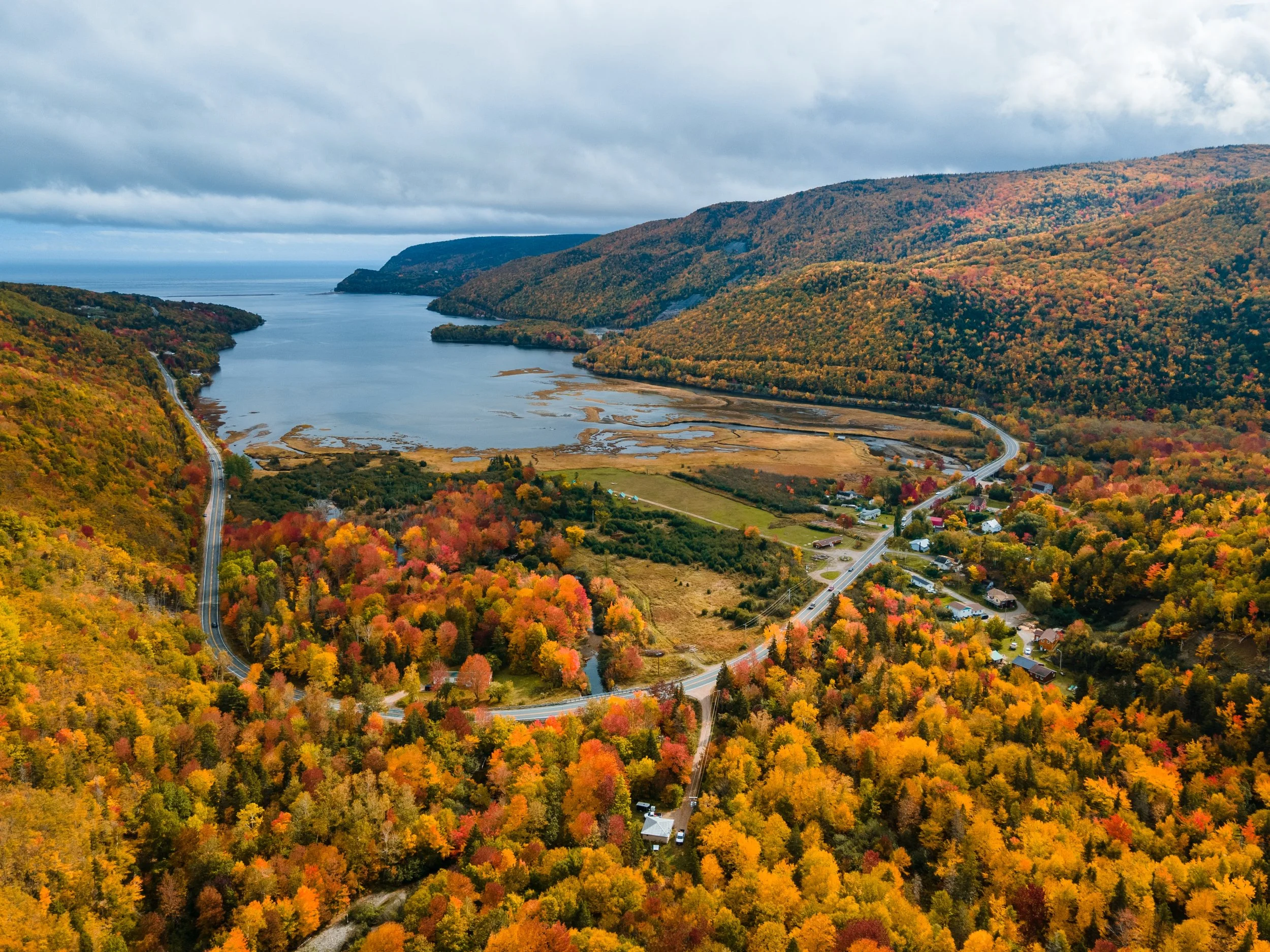
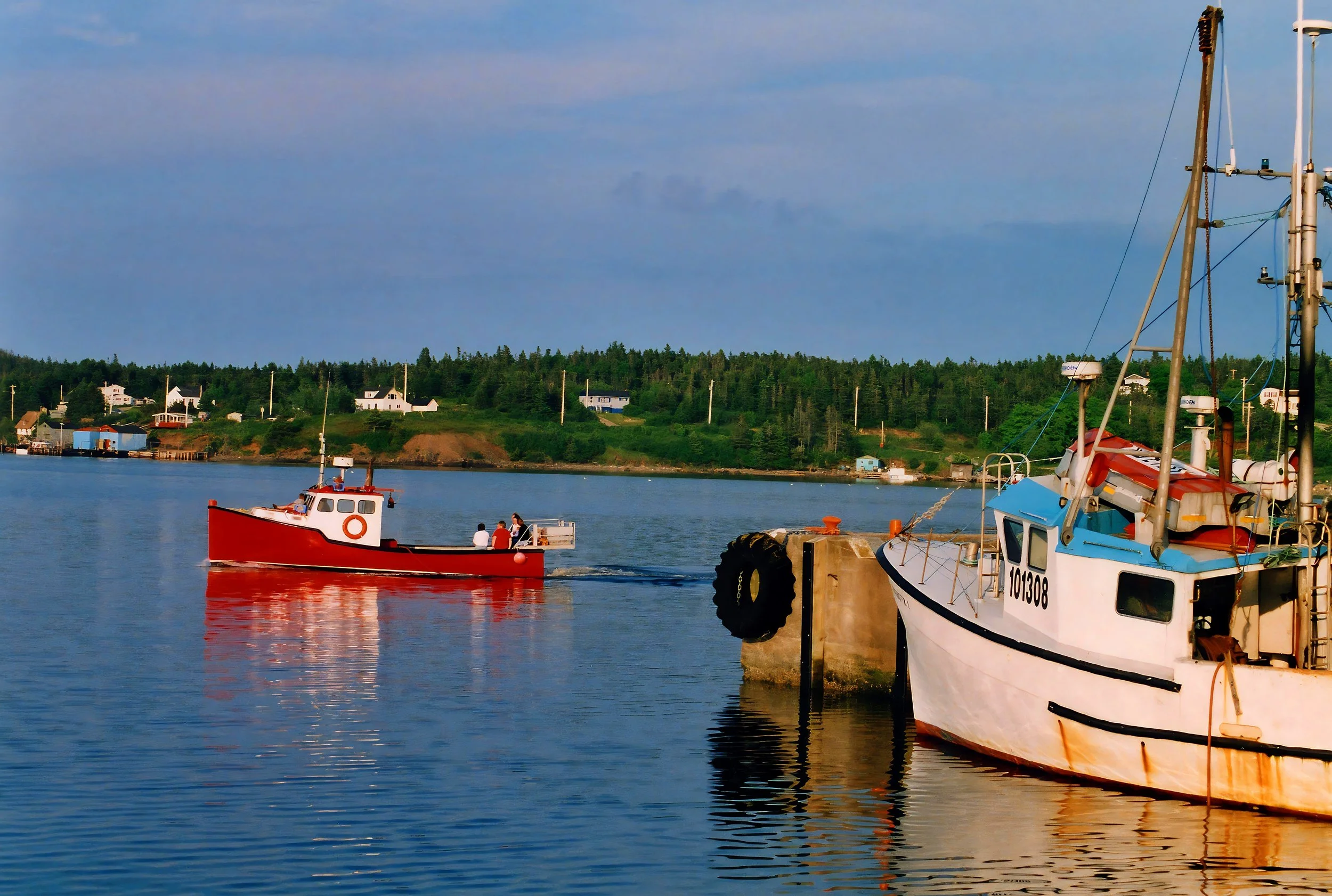
This rugged, irregularly shaped island is attached to the mainland by a three quarter mile long rock-filled causeway. It is relatively remote, with most of the population centers in the southern half of the island. The mountainous and forested northern tip is set aside as a national park. Louisbourg on the southern shore has long been an important fishing port and Sidney, in the center of the island is the largest city.
This section of Nova Scotia can easily be added to a larger exploration of Eastern Canada. Here are a few of the highlights:
Cape Breton Highlands National Park
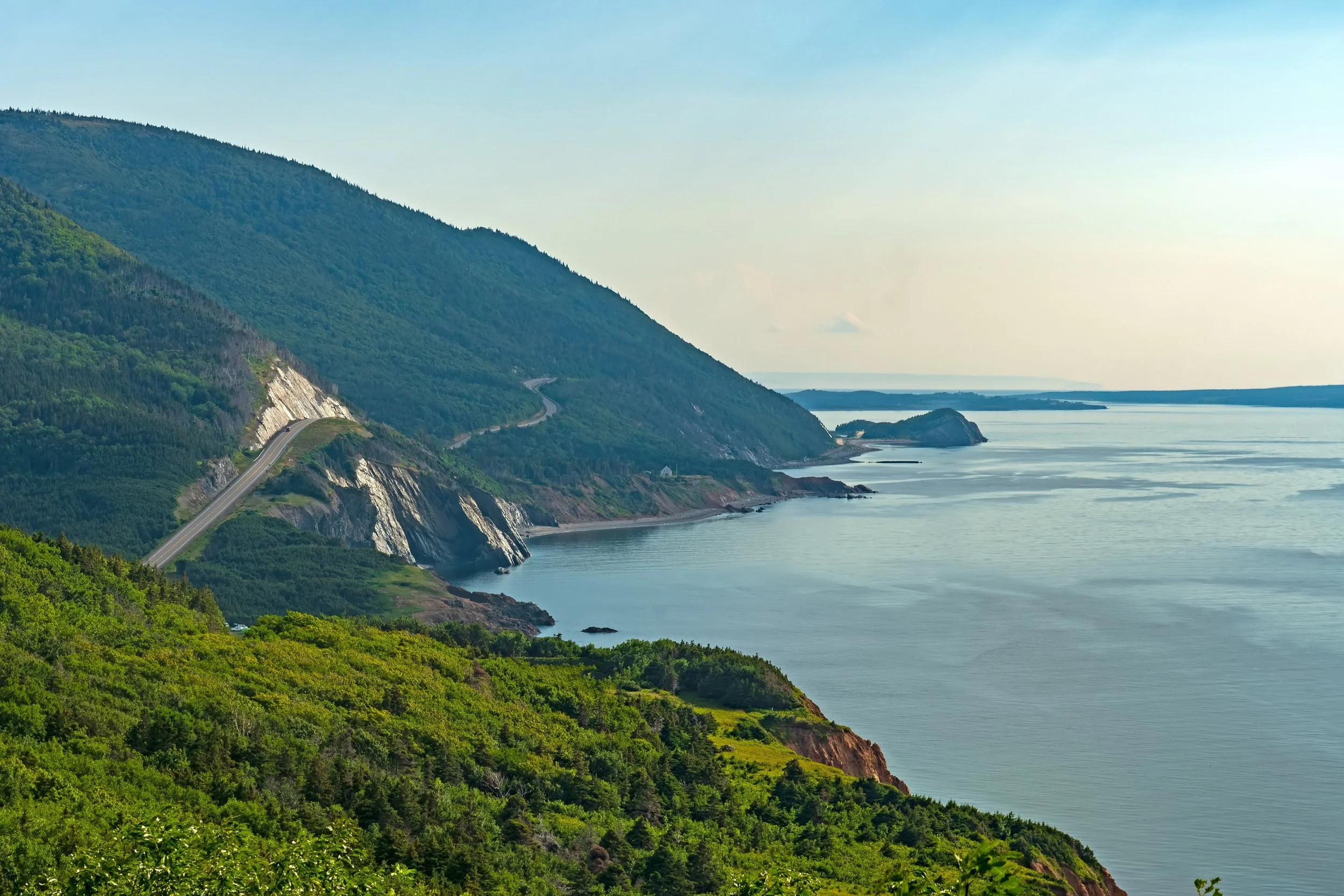
Cape Breton Highlands was the first national park in the Atlantic Provinces. Its 948 square kilometers were set a side in 1936 to preserve a system of Acadian and Boreal forests. The coastal park consists of mountainous terrain and a rocky coastline. It is home to a variety of eastern wildlife. Whales and other large marine mammals can be sighted off the coast.
Visitors will find beaches, campgrounds, hiking trails and even a golf course. Cape Breton Highlands is managed by Parks Canada.
National Historical Sites
The Fortress of Louisbourg is a reconstructed French colonial town south of the fishing port of Louisbourg. The site allows visitors to explore the remnants of sort short but eventful period of Canadian history.
The 19th-century St. Peters Canal replaced the portage route between the Atlantic Ocean and Bras d'Or Lakes. The site also contains remnants or a French trading post, settlement, and a British hilltop fort.
The Alexander Graham Bell site in the center of the island contains the largest collection of artifacts and documents from Bell’s years of experimental work in Baddeck.
The Marconi site preserves historic remnants from the early days of modern wireless communications.
Margaree Heritage River
Flowing from the Highlands to the Gulf of St. Lawrence, much of the river flows through private lands. Its whitewater offers paddling opportunities for both intermediate and advanced paddlers.
Coastline, Lighthouses and Beaches
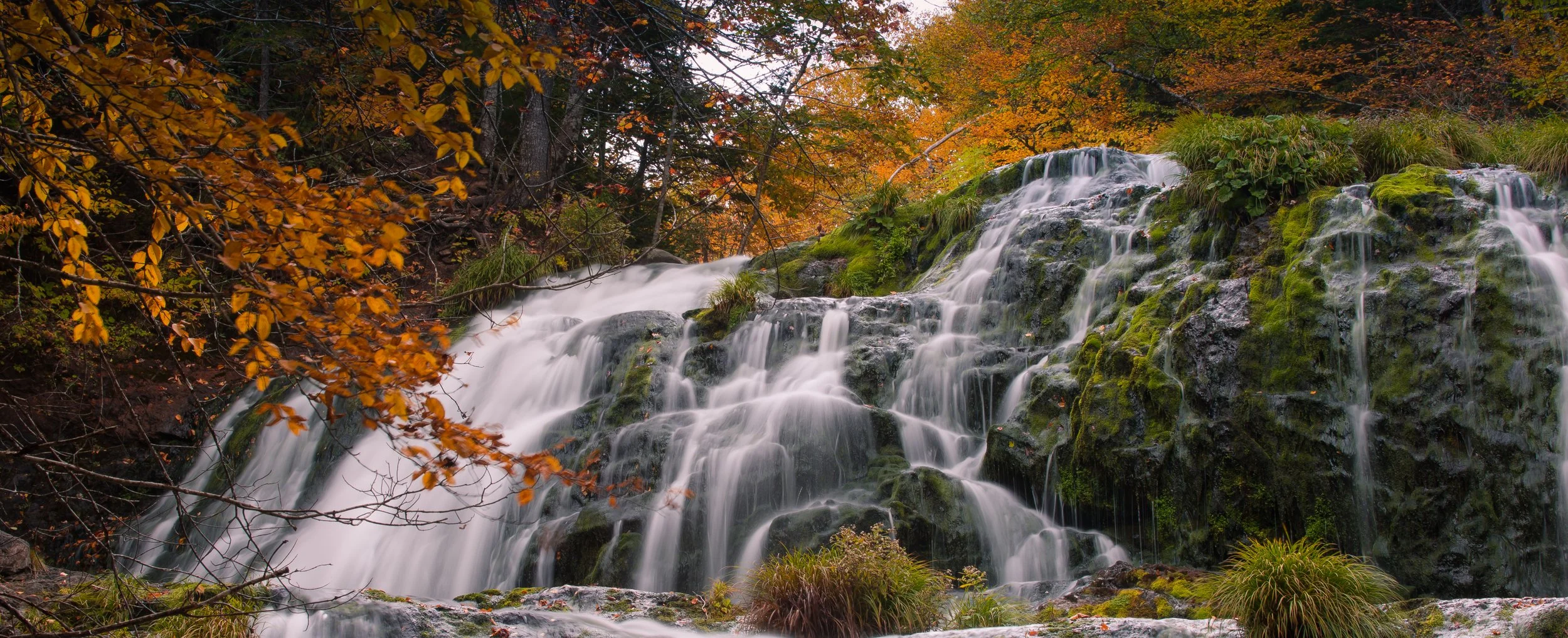
The island’s many mile of rocky coastline offer access to small fishing villages, lighthouses, waterfalls, beaches and views of both the St. Lawrence Seaway and the Atlantic Ocean.