Southwest Pueblos
The remnants of the ancient puebloan cultures listed in this article are just a few of the thousands of major and minor sites scattered throughout the southwest. My experience is with those in Colorado and New Mexico, but you will find many more in Utah and Arizona. Most are abandon, many have not even been studied. The people moved on and became the remote ancestors of today’s puebloan people.
Mesa Verde
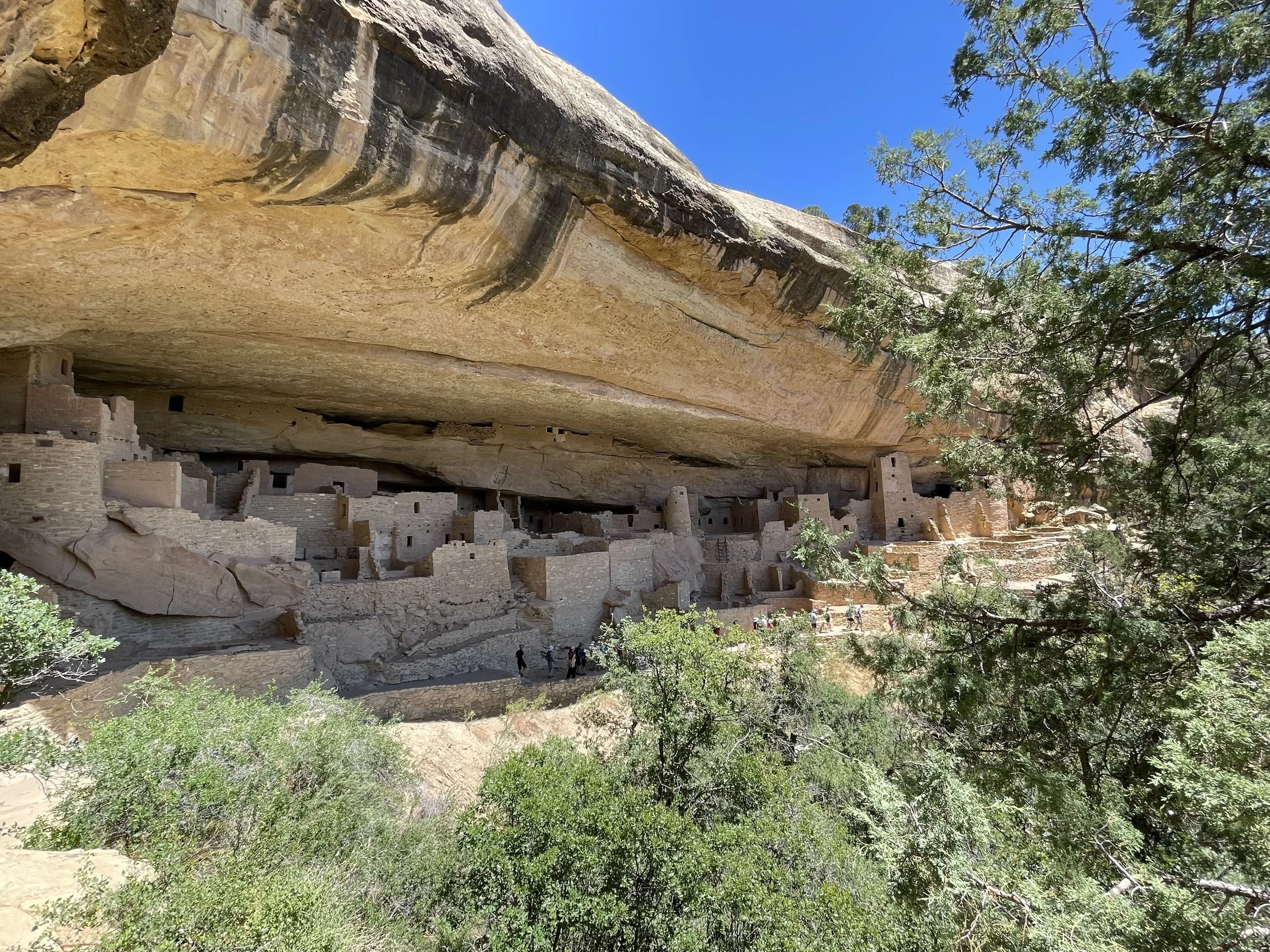
Mesa Verde National Park preserves and interprets one of the largest collections of Puebloan structures and artifacts in the United States. Established in 1906 and managed by the National Park Service, Mesa Verde contains some 5000 archeological sites and 600 Pueblo dwellings. The Puebloan people occupied the site from about 550 to 1200 when they migrated south primarily to New Mexico.
Chaco Canyon
Chaco Culture National Historical Park contains more ancient ruins than any American site north of Mexico. The site is both a national historical park in and a UNESCO World Heritage Site.
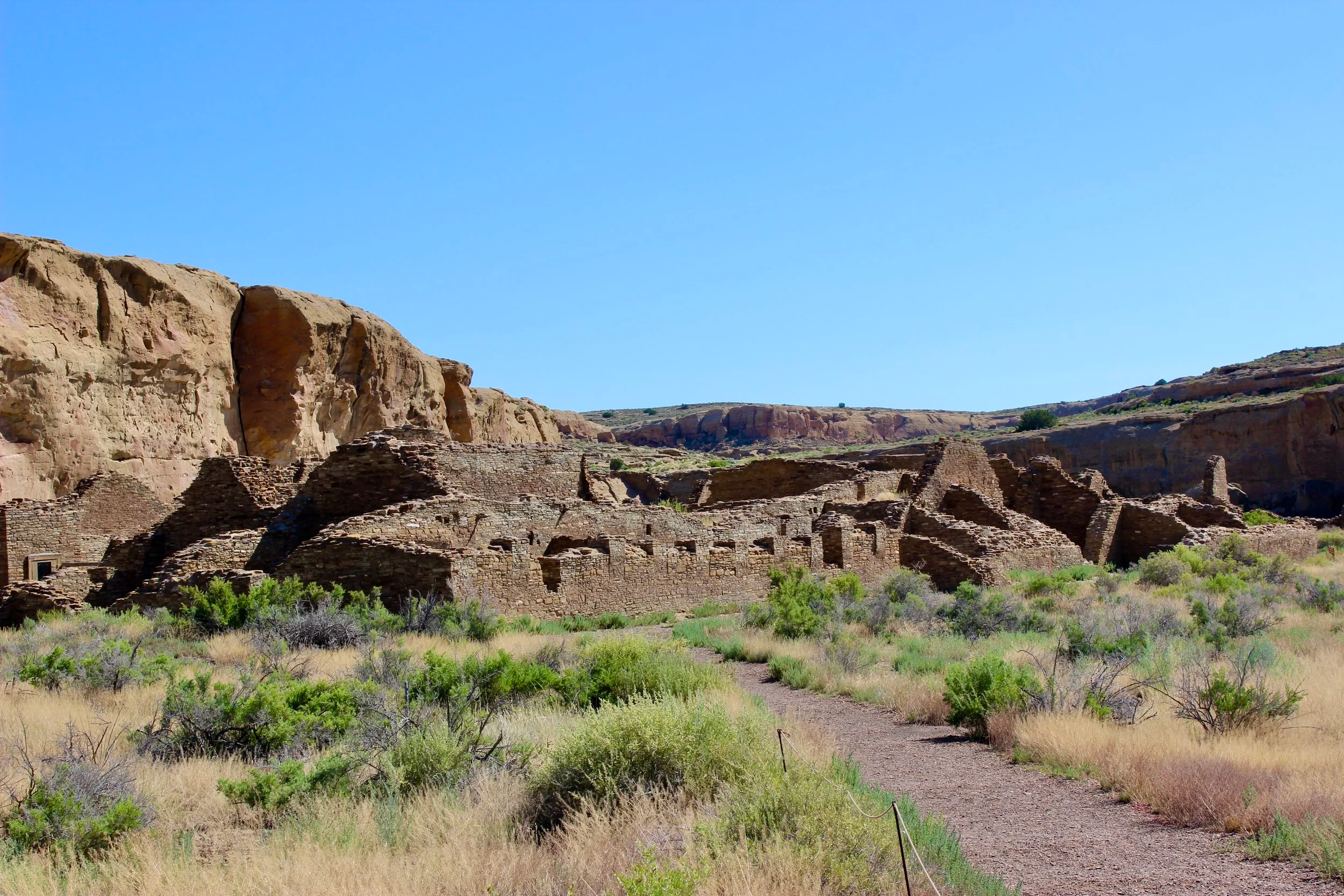
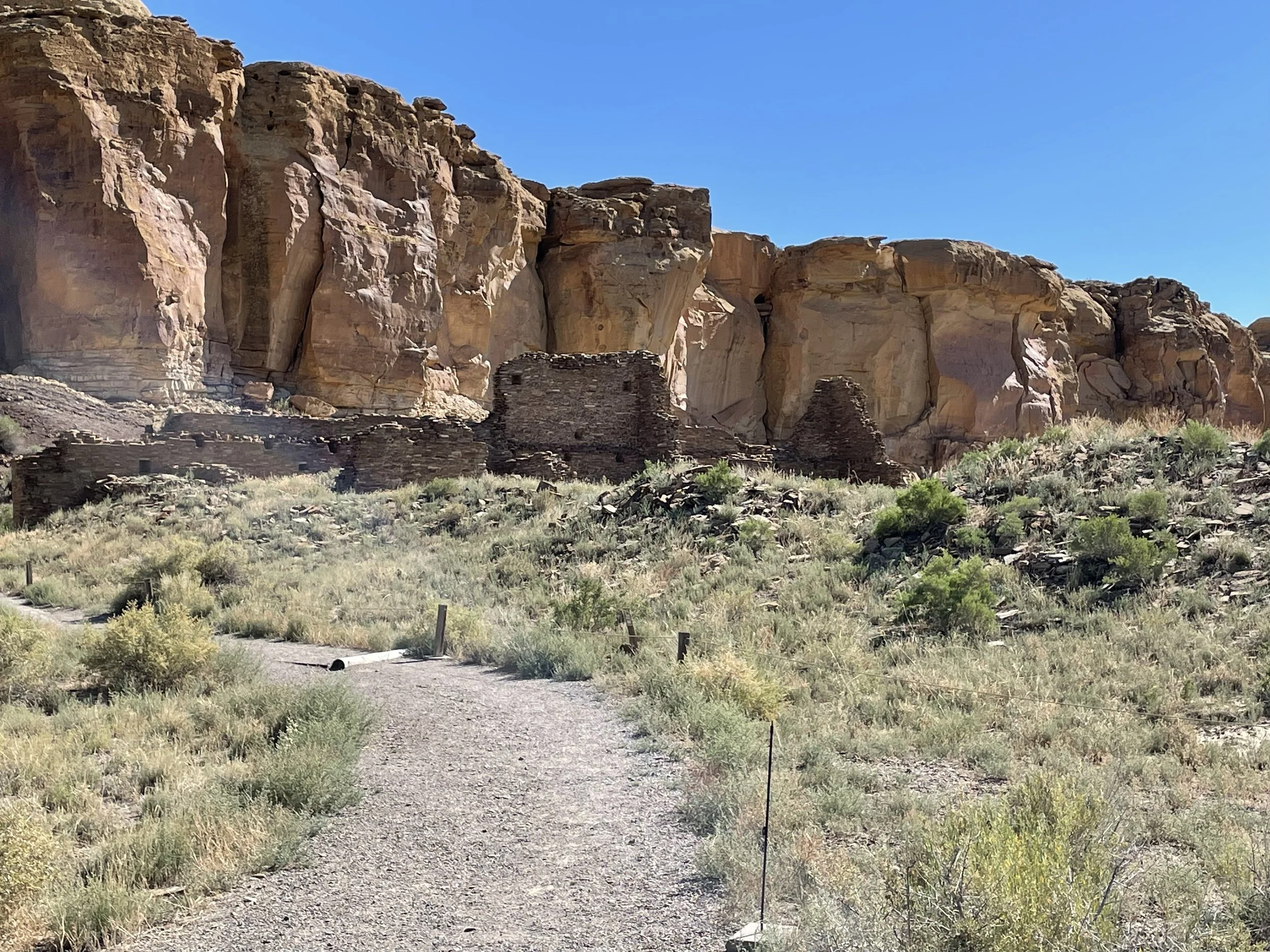
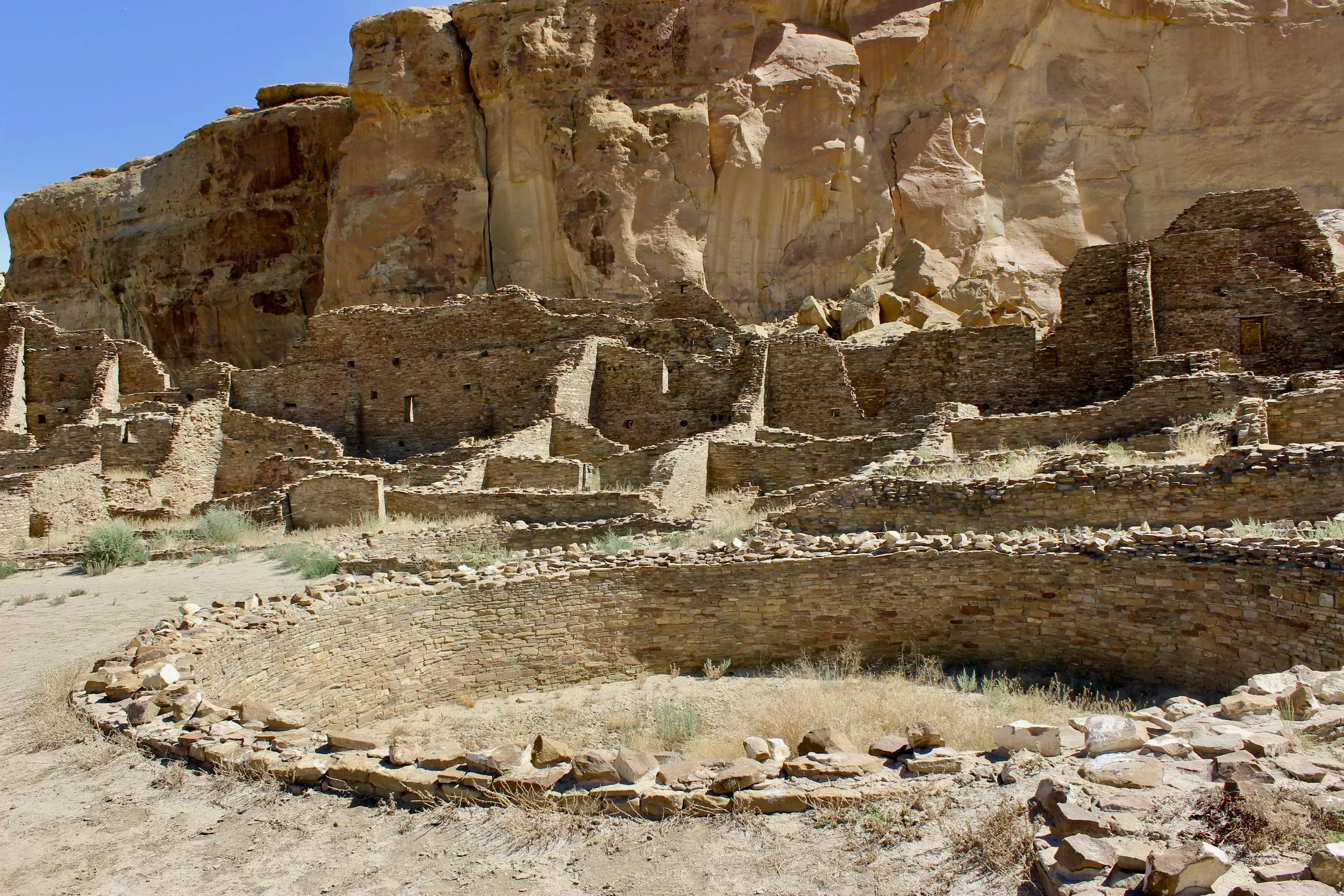
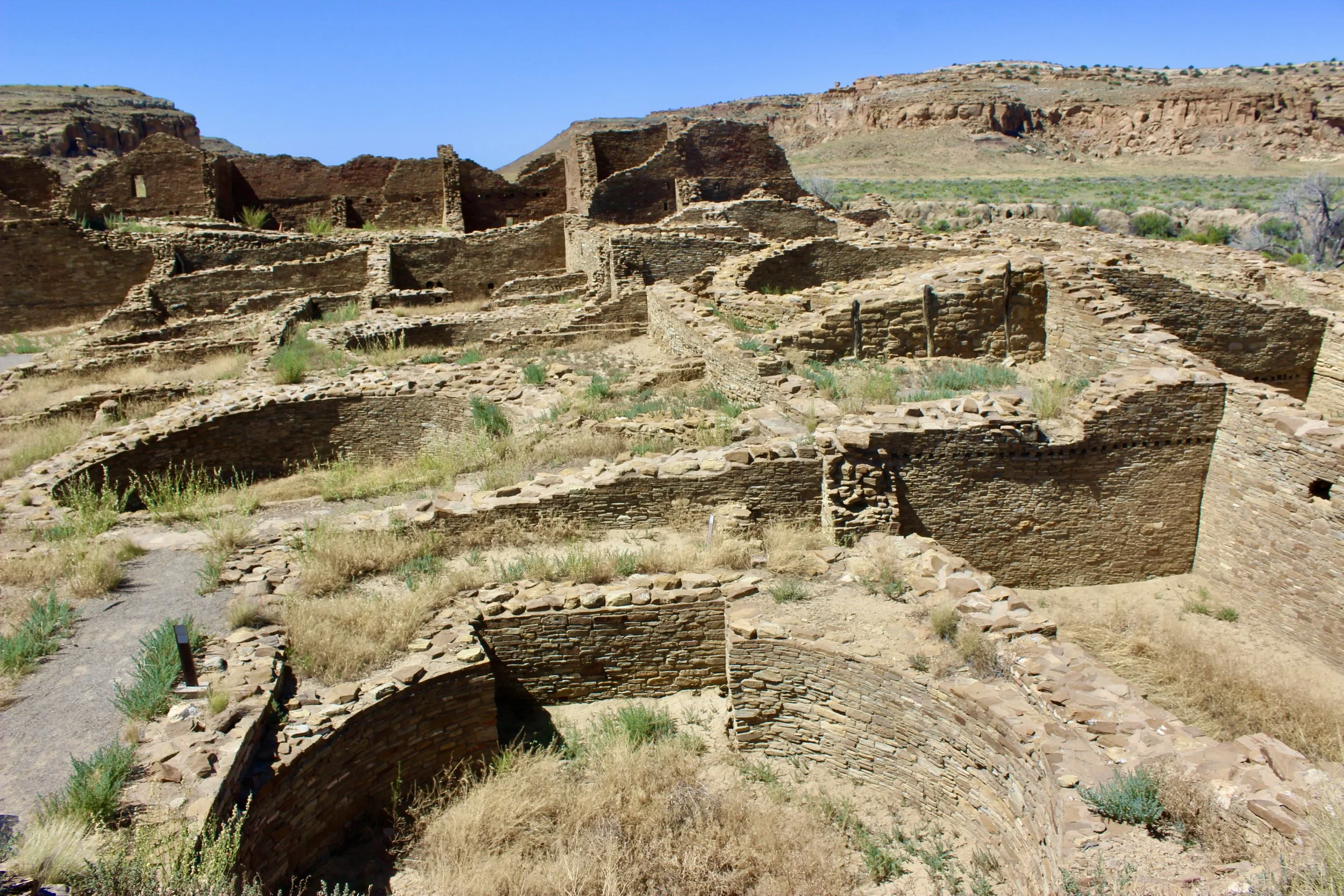
Visitors will be rewarded with access to vast landscapes of Pueblo ruins containing great houses, places of worship and spaces used for all manner of cultural specificity. The National Park Service helps interpret the ruins based on the most current archeological understandings.
Aztec
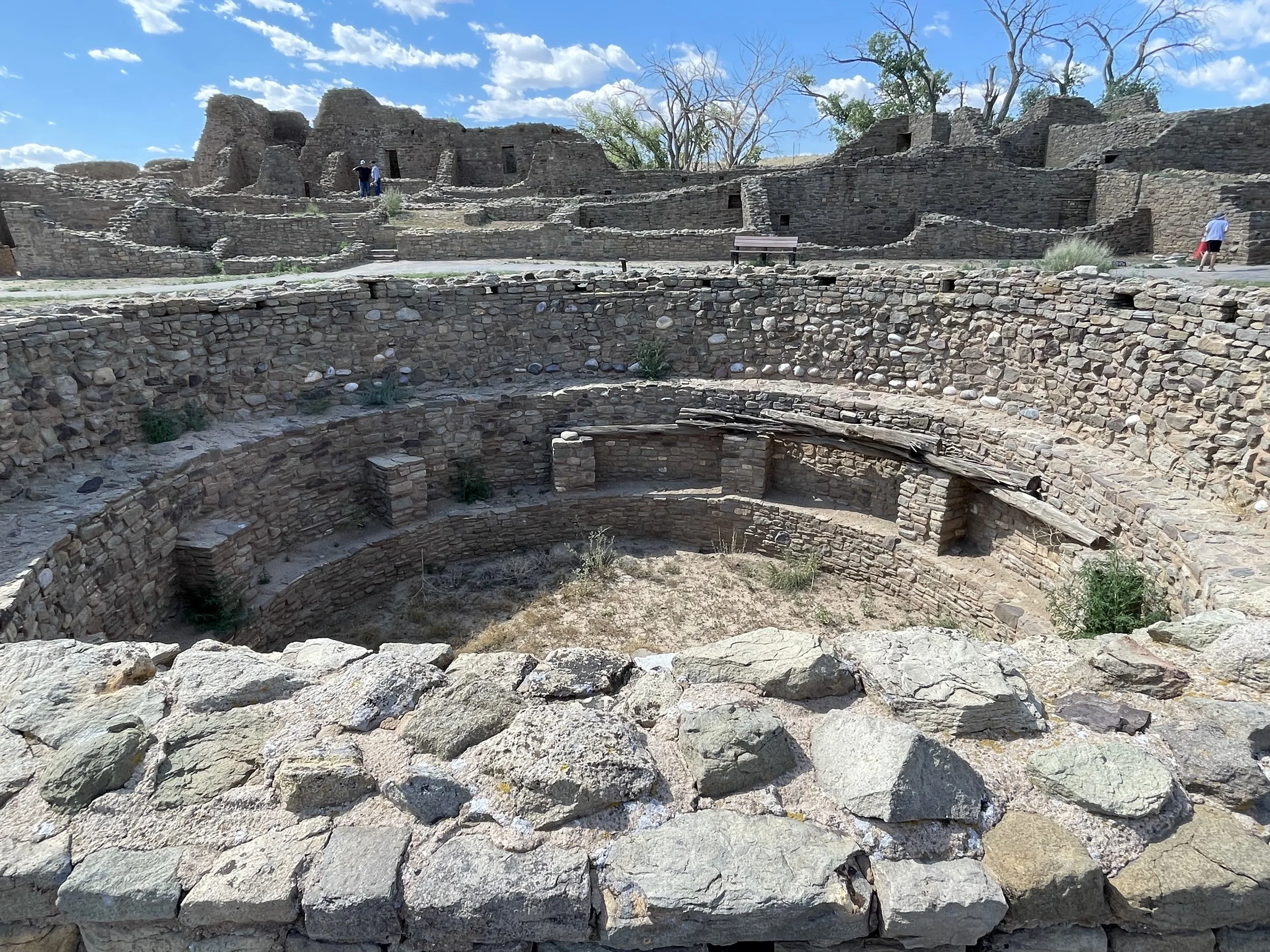
Pueblo Indian structures dating to the 12th and 13th centuries have been preserved as part of the Aztec Ruins National Monument. The Aztec name was misattributed by early explorers, but the ruins continue to be called by that name. The Aztec Ruins are also specifically listed as part of the Chaco Culture UNESCO World Heritage Site.
Bandelier
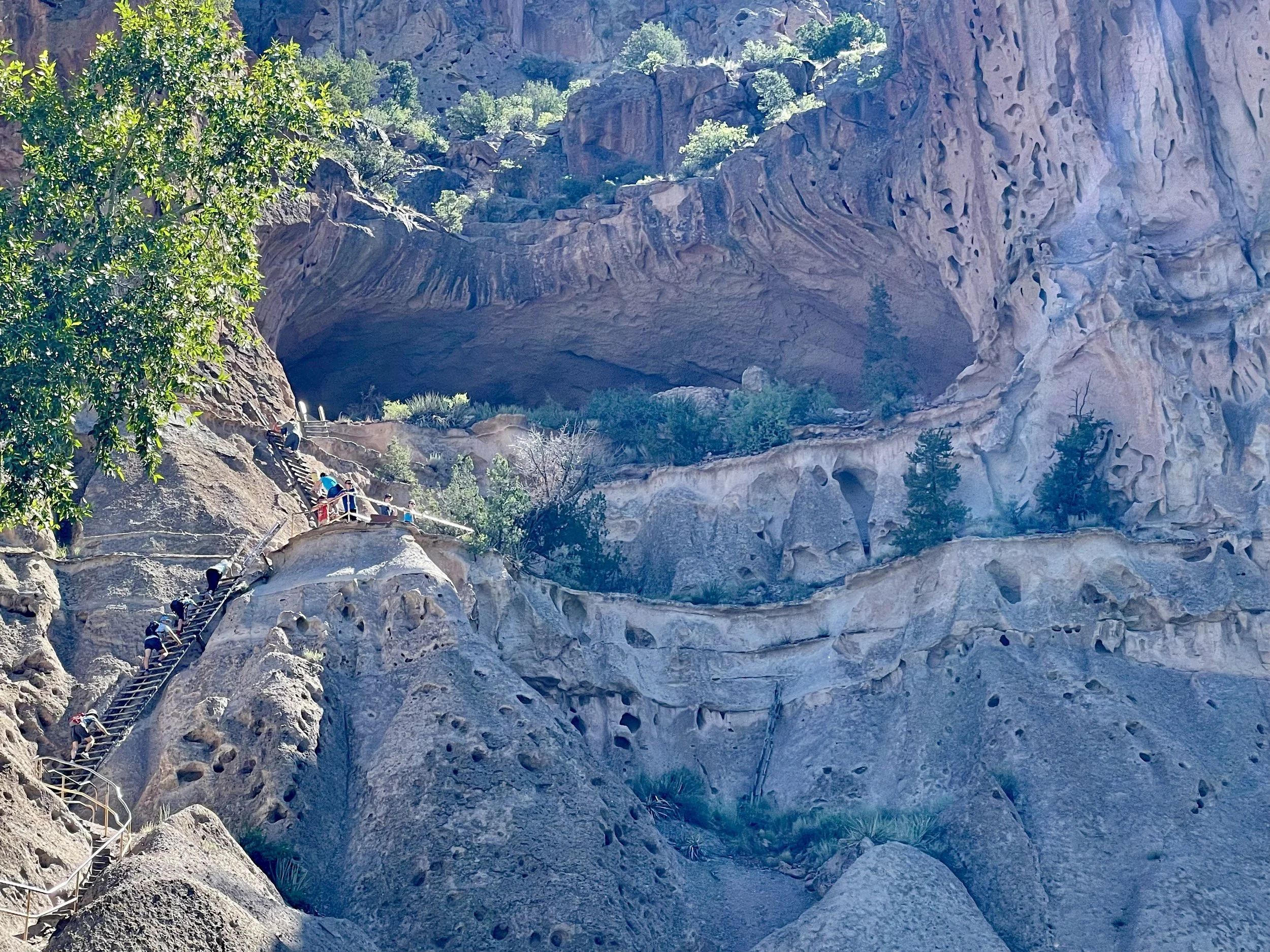
Bandelier National Monument contains evidence of human habitation dating back nearly 11,000 years. The monument preserves petroglyphs and ancient pueblos. The site contains cliff dwellings, similar to Mesa Verde, and structures organized along the canyon floor.
Other Sites
Pecos National Historical Park preserves artifacts and ancient pueblo dwellings. The site contains remnants of a sizable community.
The Jemez Historic Site contains the ruins of the 700-year-old Jemez village and the San José de los Jémez church dating to 1621-22. This site is said to be one of the most beautiful in the Southwest.
The Taos Pueblo is a living community that has been continually occupied for over 1000 years. the pueblo was adopted as a UNESCO World Heritage Site.