Padre Island
Padre Island is a tale of two completely different spaces. The northern half of the island, with its state park and national seashore are largely unspoiled. South Padre Island, near Brownsville, is geared toward entertainment. Vacation homes and and hotels fill the beachfront. Regardless, there are points of interest on both ends of the island.
Padre Island National Seashore
Padre Island National Seashore preserves the longest undeveloped barrier island in the world. To be clear, this is North Padre Island rather than its South Padre cousin, which is better known for spring break.
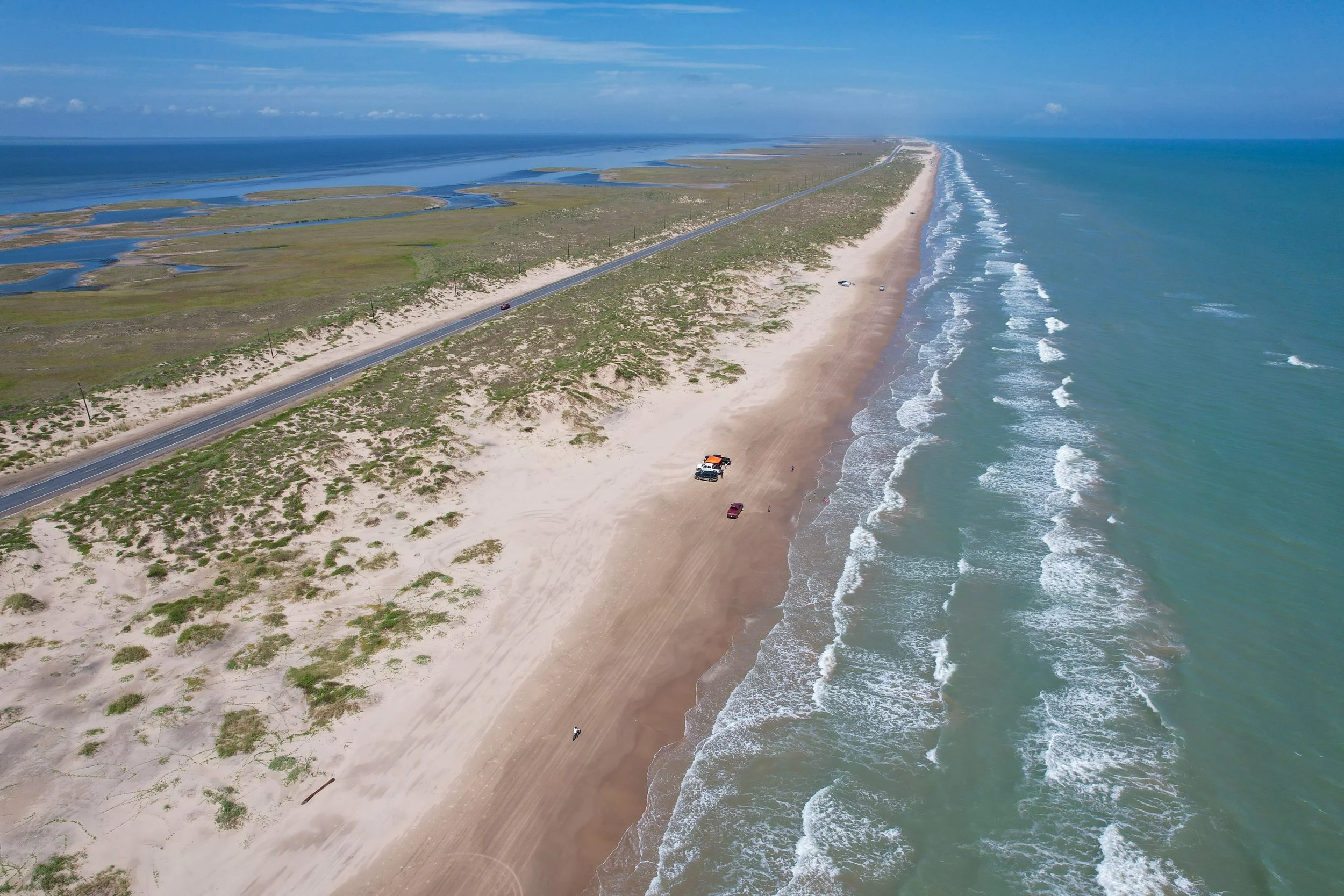
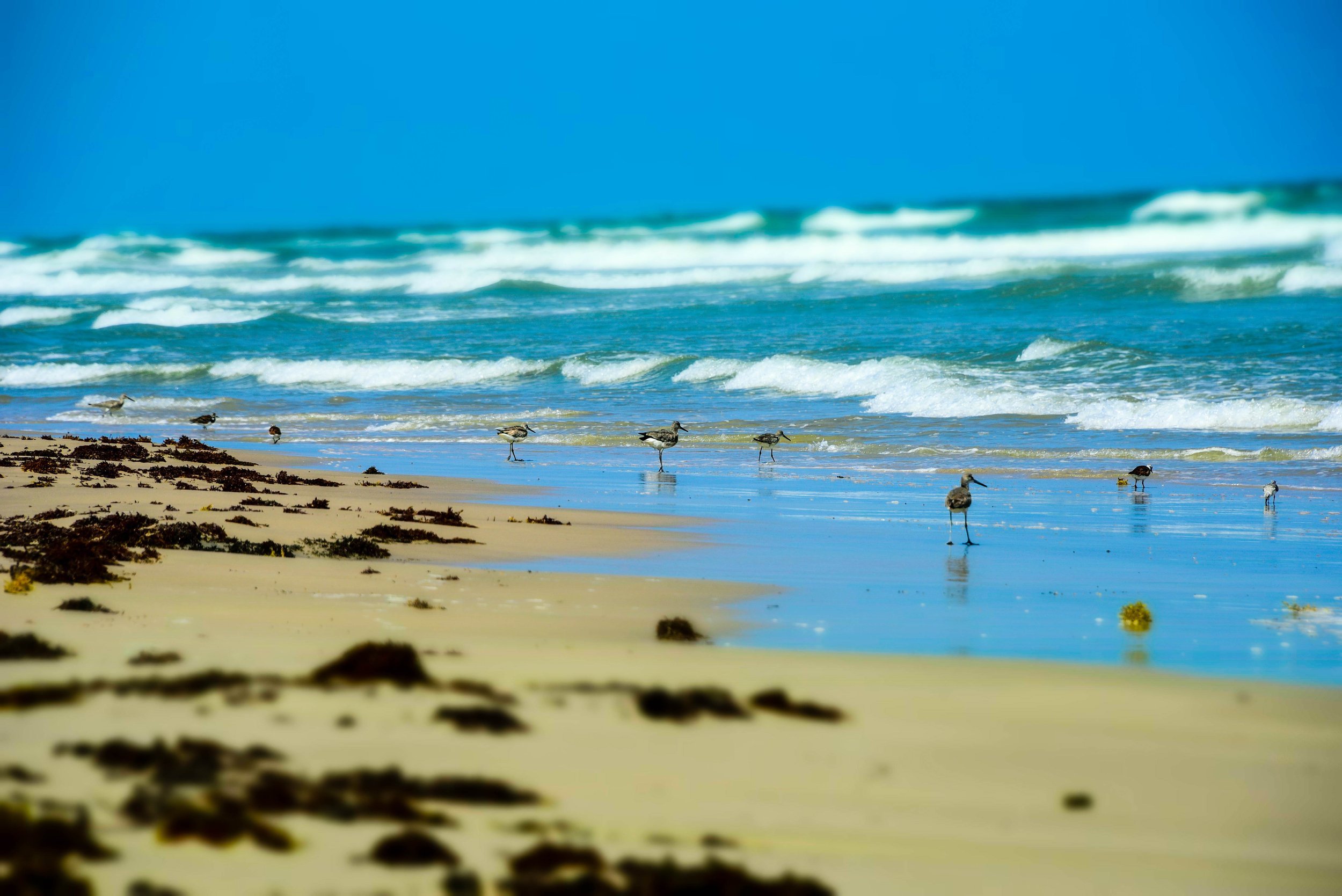
The seashore designation protects the Kemp’s ridley sea turtles and provides a safe migratory base for 380 species of bird. This is accomplished while still providing space for windsurfing, hiking and primitive camping.
South Padre Island
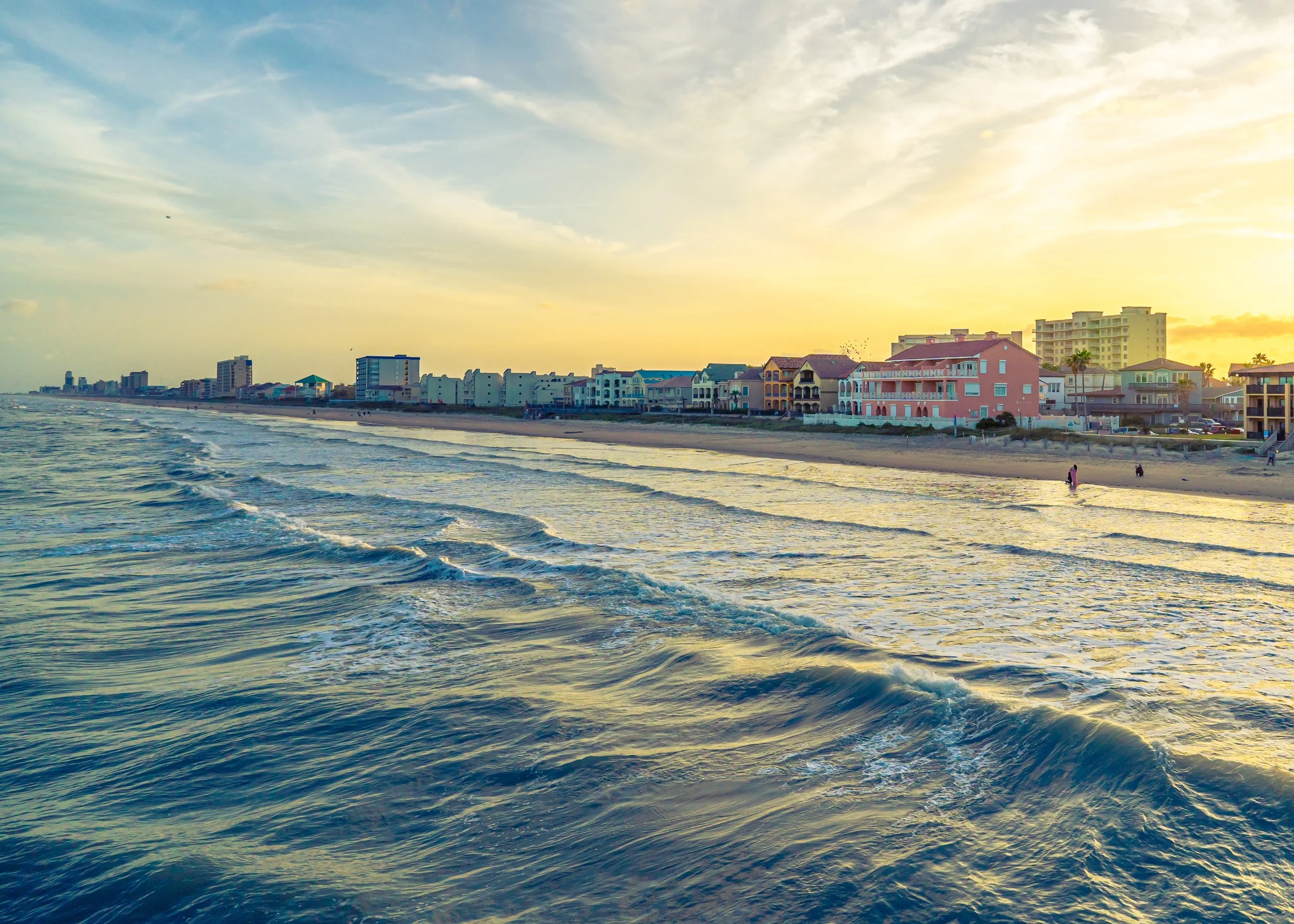
The southern reaches of Padre Island are really a part of Brownsville. It is more developed and devoted to entertainment, but there are several points of interest on this end of the island.
Laguna Atascosa National Wildlife Refuge
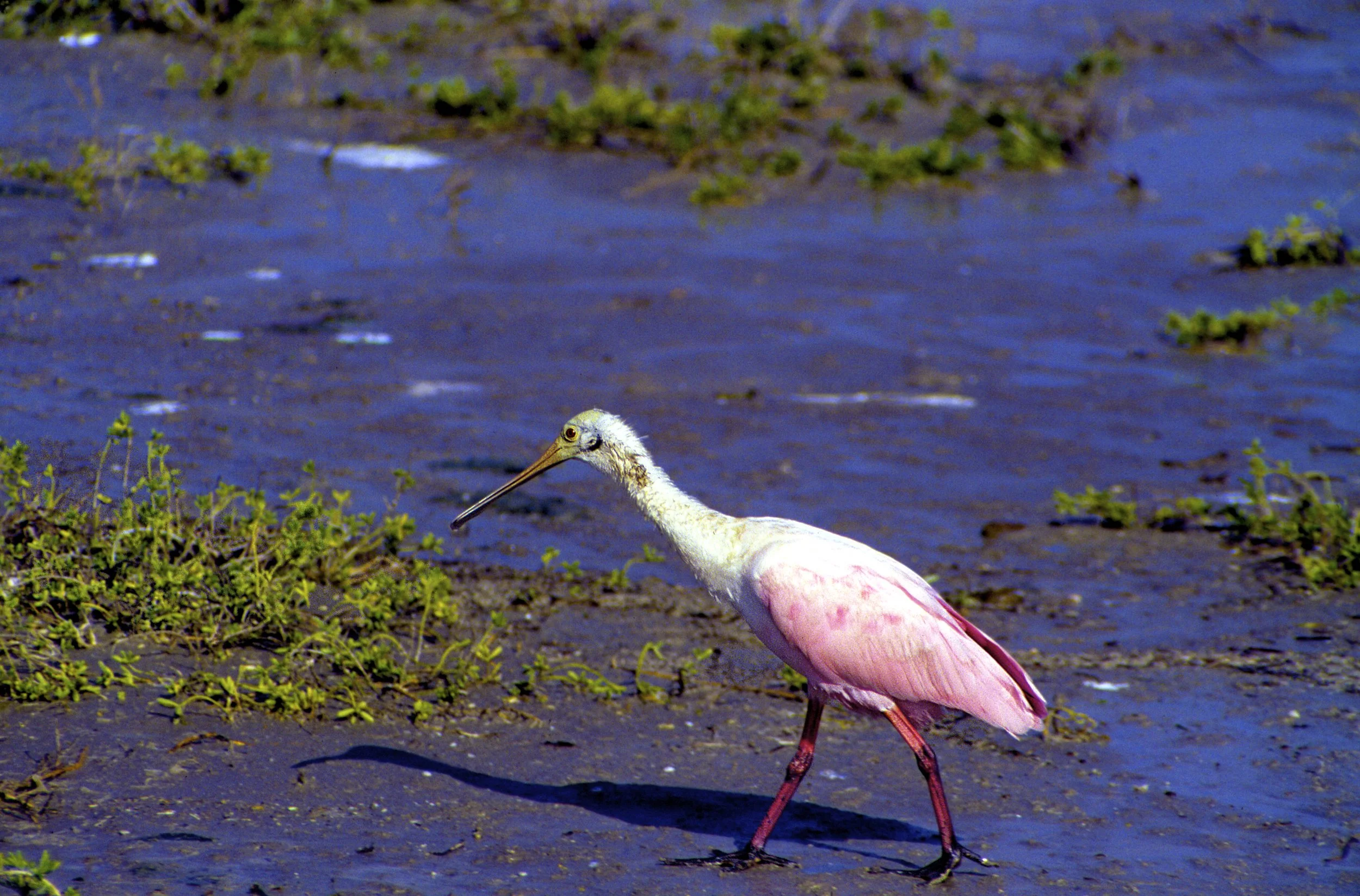
Established originally as a refuge for the redhead duck, emphasis in these coastal wetlands has shifted to endangered species. The rich biodiversity of this area includes more than thousand of documented plants and animals.
Palo Alto Battlefield National Historical Park
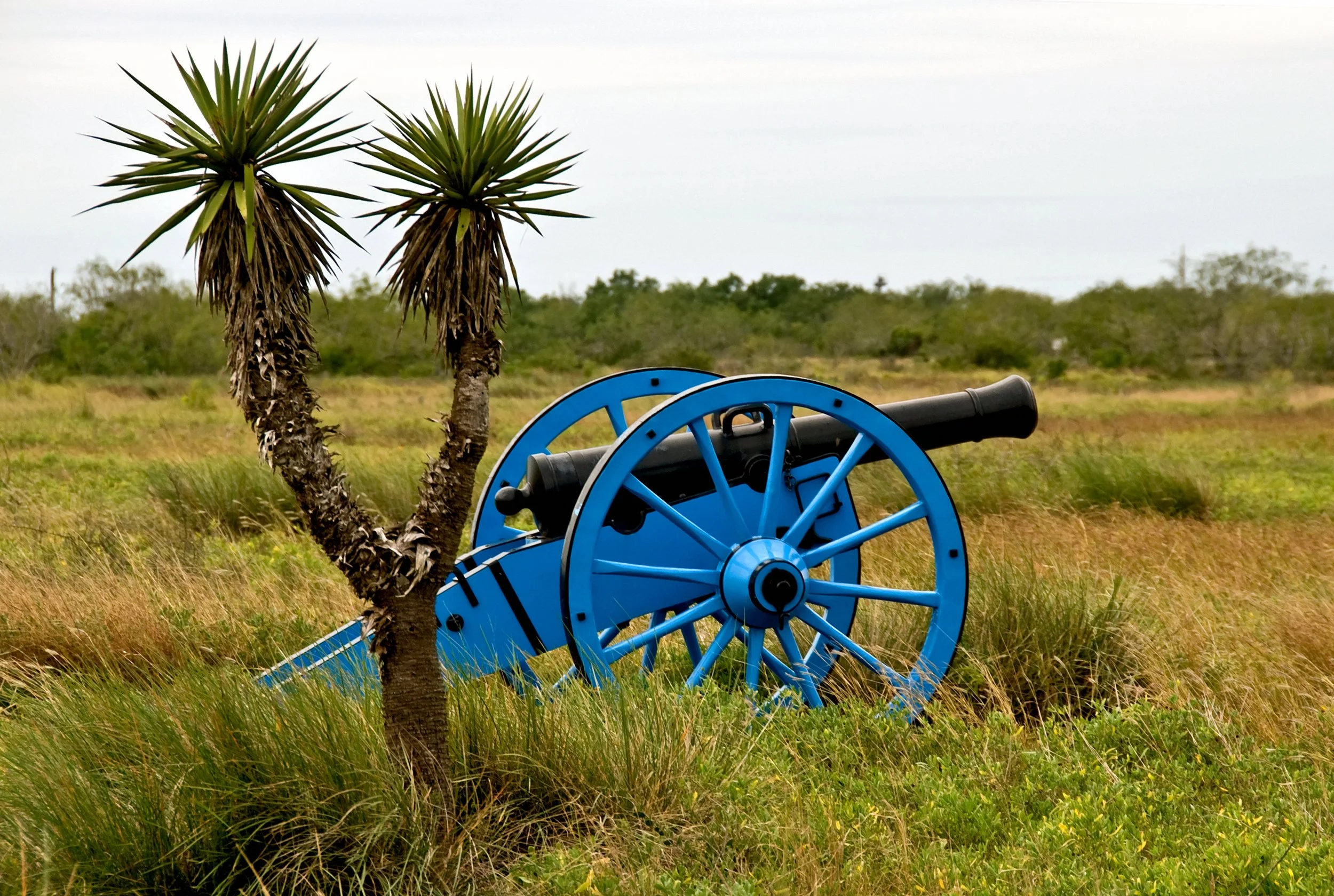
The opening battle of the Mexican-American War (1846-1848) was fought near Brownsville, Texas on May 8, 1846. The Battle of Palo Alto resulted in a victory for the United States. It opened the way for an invasion of Mexico and resulted in changes to the international boundary.
The Palo Alto Battlefield National Historic Site was established in 1978. It was redesignated a National Historical Park in 2009 and was expanded to include a second battlefield, Resaca de la Palma, that sits inside the city limits of Brownsville.