Mouth of the Chesapeake
Few places in the United States contain as rich a cultural and historical heritage as the Mouth of the Chesapeake in present-day Virginia. From colonial settlement to the final battle of the American Revolutionary, defense of the early republic and conduct of the American Civil War, this is a region that checks all those boxes and more.
Here are just a few of the things you will find around the Mouth of the Chesapeake:
Colonial Parkway
The parkway connects many of the region’s historic sites. These include the Jamestown Settlement, Colonial Williamsburg and the Yorktown Battlefield. Use of the parkway offers visitors a more scenic drive between venues and avoids the often congested interstate highway.
Jamestown Settlement
Established in 1607, Jamestown was the first permanent English settlement in North America. Originally named James Fort, it became the original capital in 1608 with Captain John Smith as the first governor of colonial Virginia.
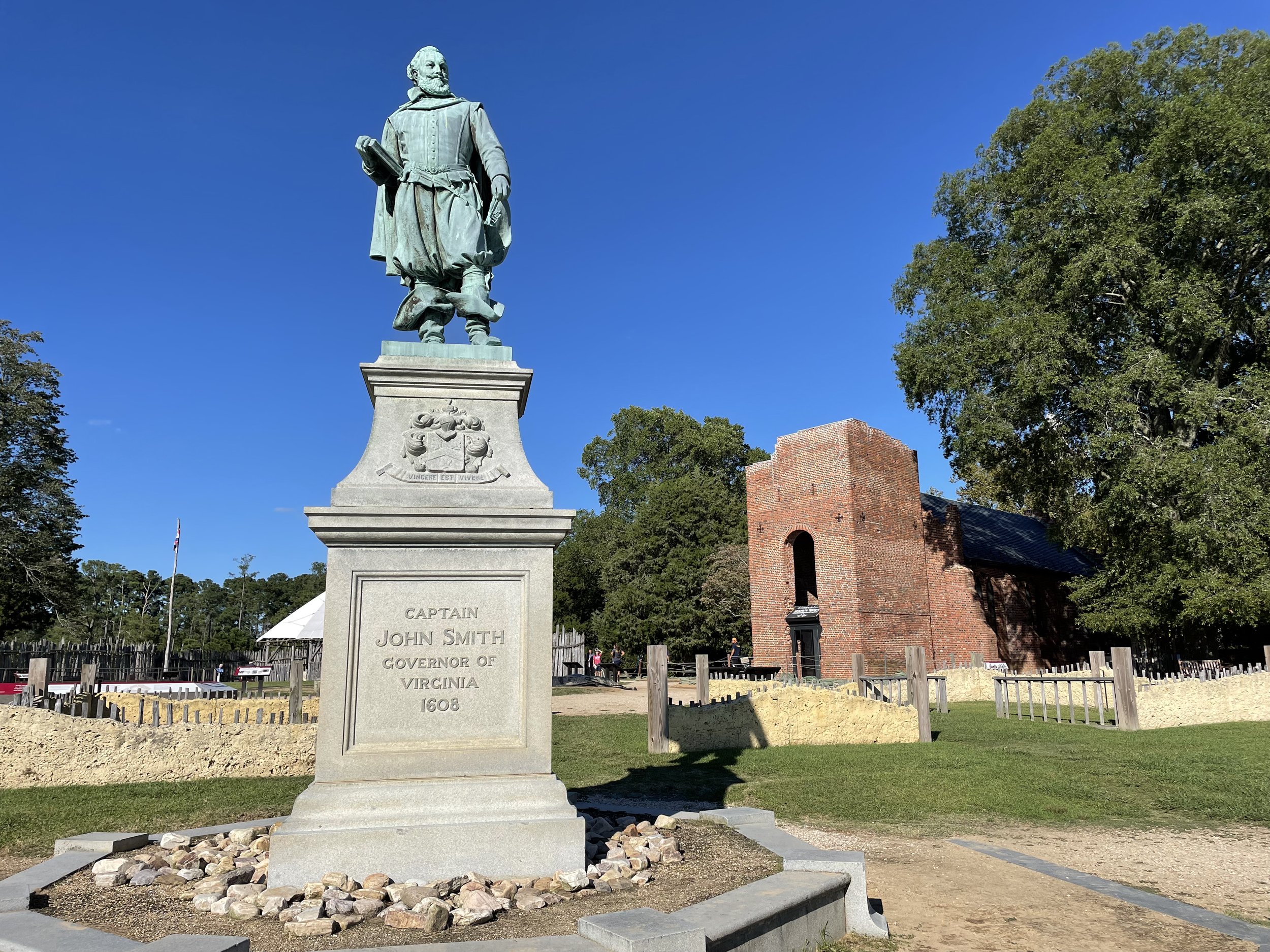
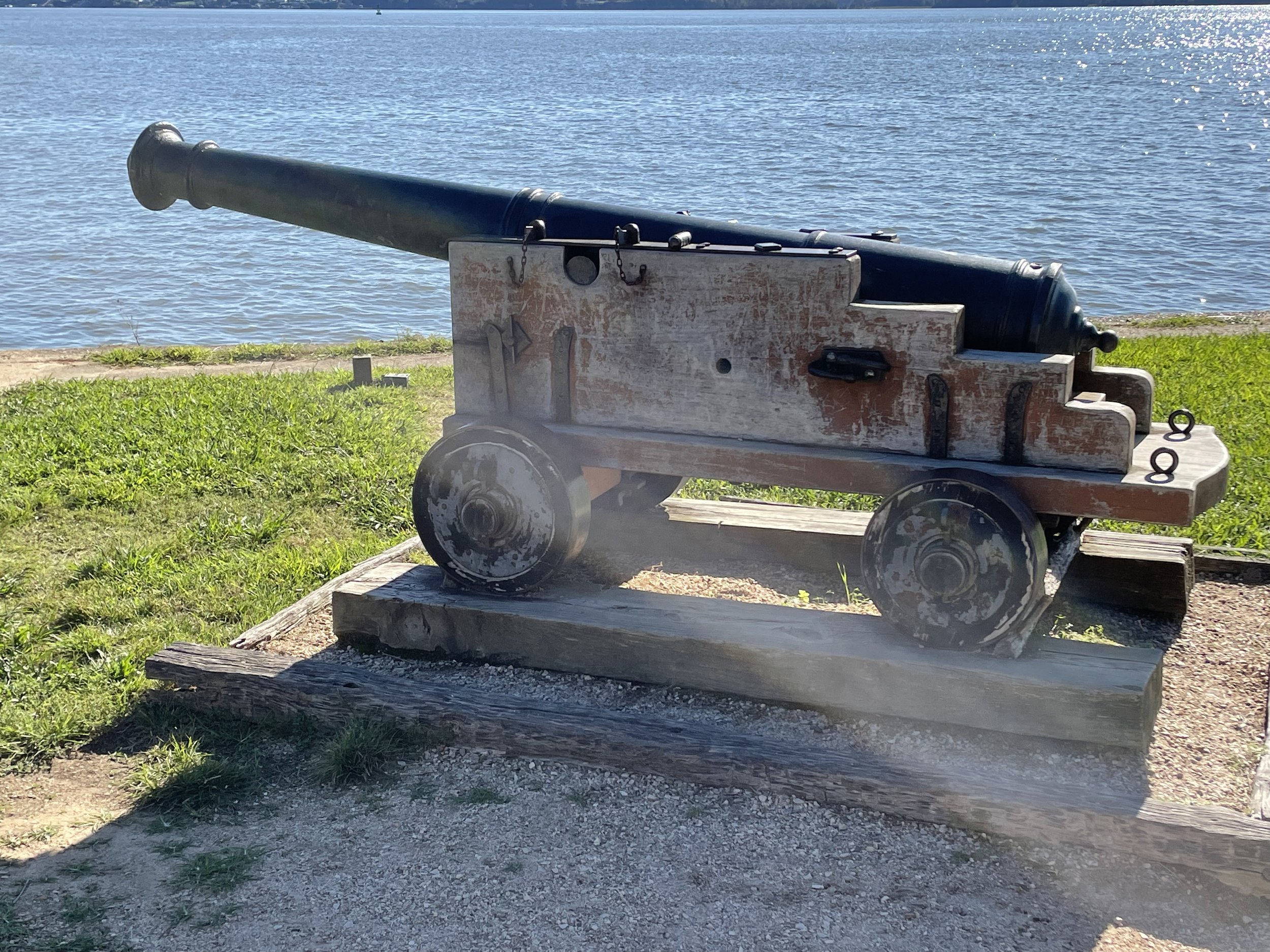
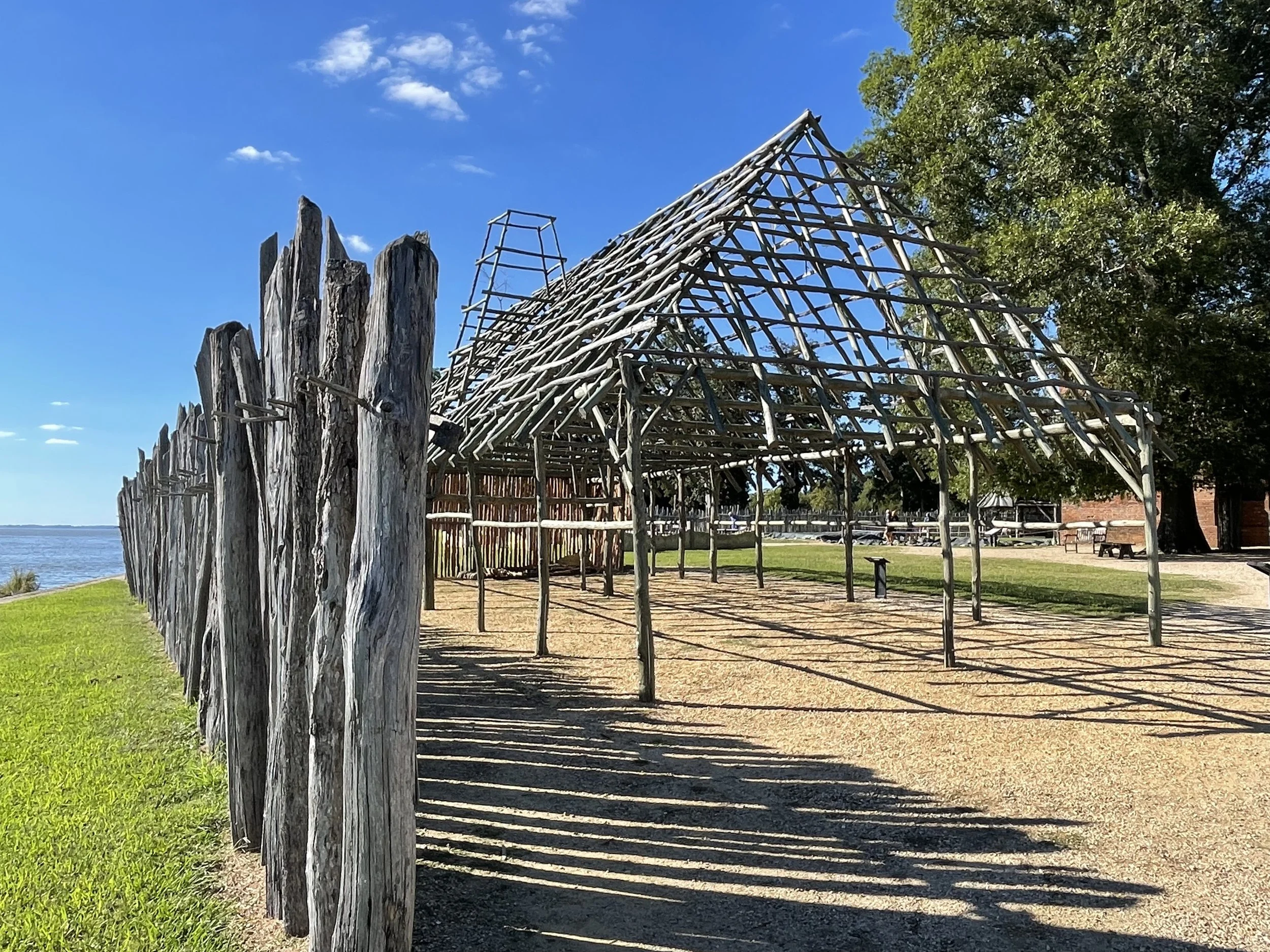
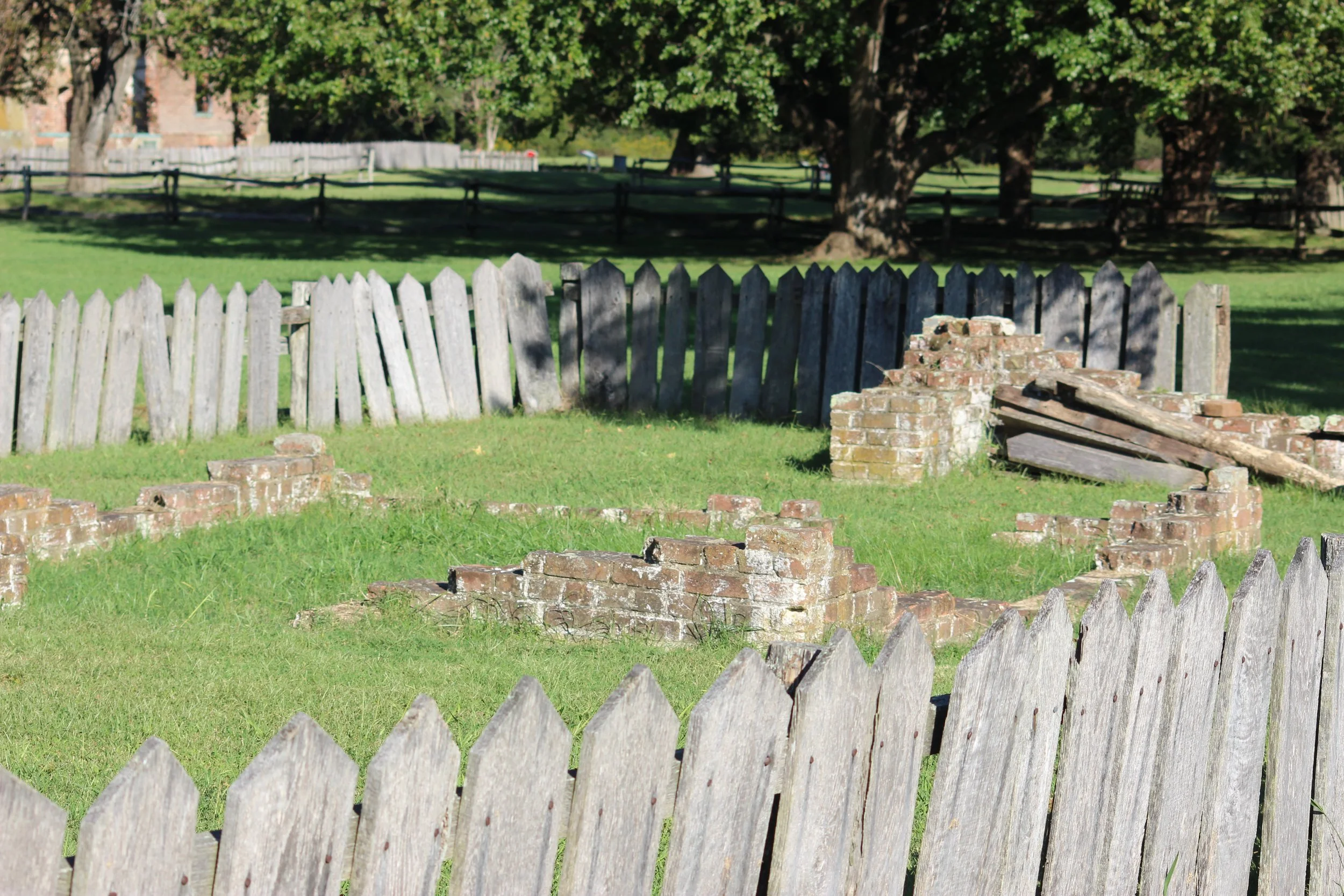
Today the site is managed by the Commonwealth of Virginia as a living history museum. Jamestown includes reconstructed elements of the original fort, as well as replicas of the colonist’s ships and other historic elements of the settlement.
Colonial Williamsburg
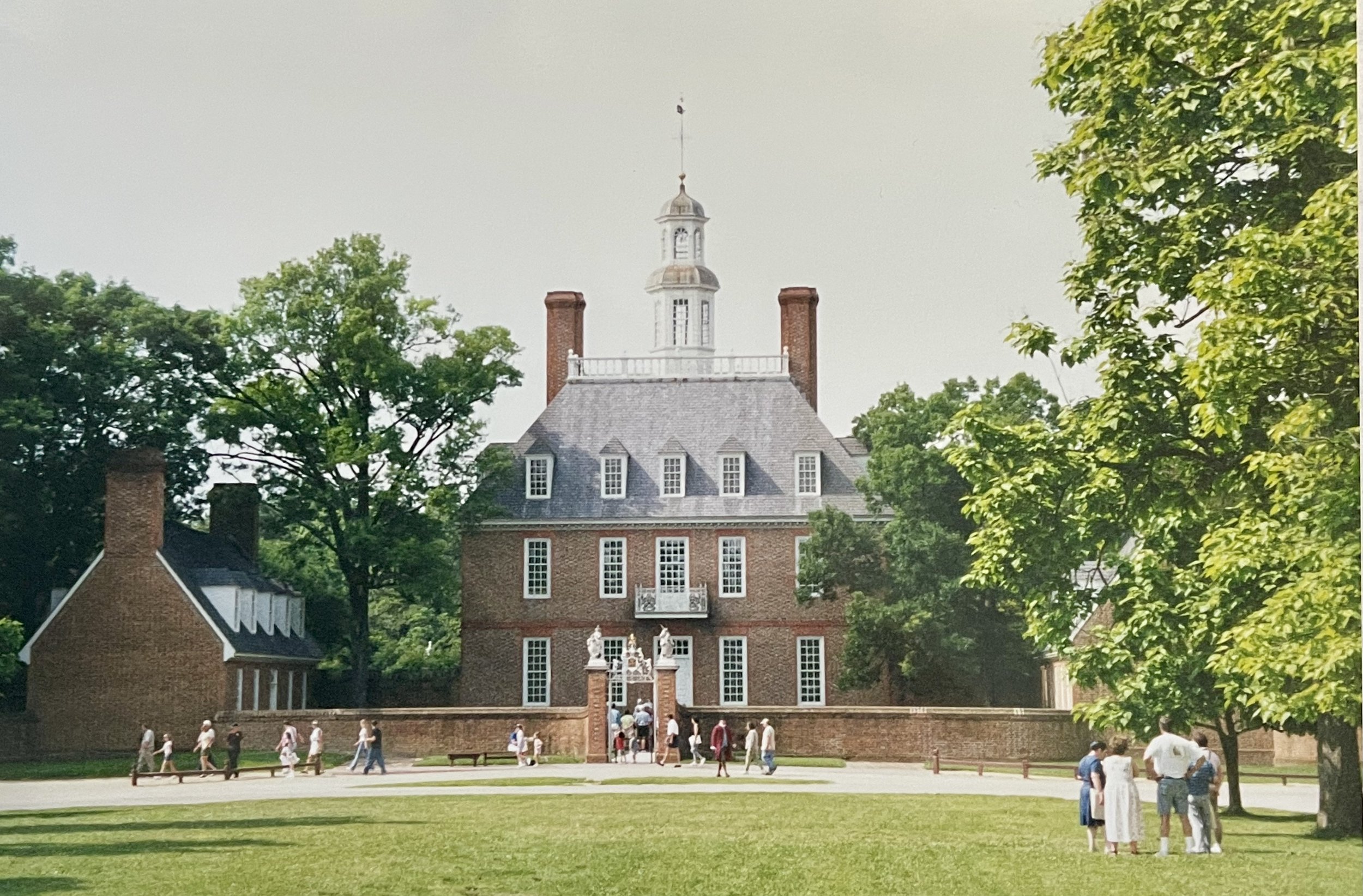
In 1699, the Governance of Virginia transferred from Jamestown to Williamsburg. This became the center of Virginia’s political activity throughout the colonial period and American Revolution. The larger city of Williamsburg thrived, but the original settlement fell into disrepair until restoration began in the 1920s.
Today hundreds of the original buildings have been restored and Colonial Williamsburg operates as a privately held living history museum. The core of the property is centered around Duke of Gloucester Street and the Palace Green, which are closed to motorized traffic. This area offers a variety of historic displays and programs throughout the day and attempts to recreate the feel of 17th-century Virginia.
Yorktown Battlefield
In the summer of 1771, American forces and their French allies consolidated in New York and then moved south to Virginia, where General Clinton led the main British force. The combined forces, supported by the French navy, besieged and defeated Clinton’s army at Yorktown. This action decisively defeated the British and led to the final surrender and end of the American Revolution.
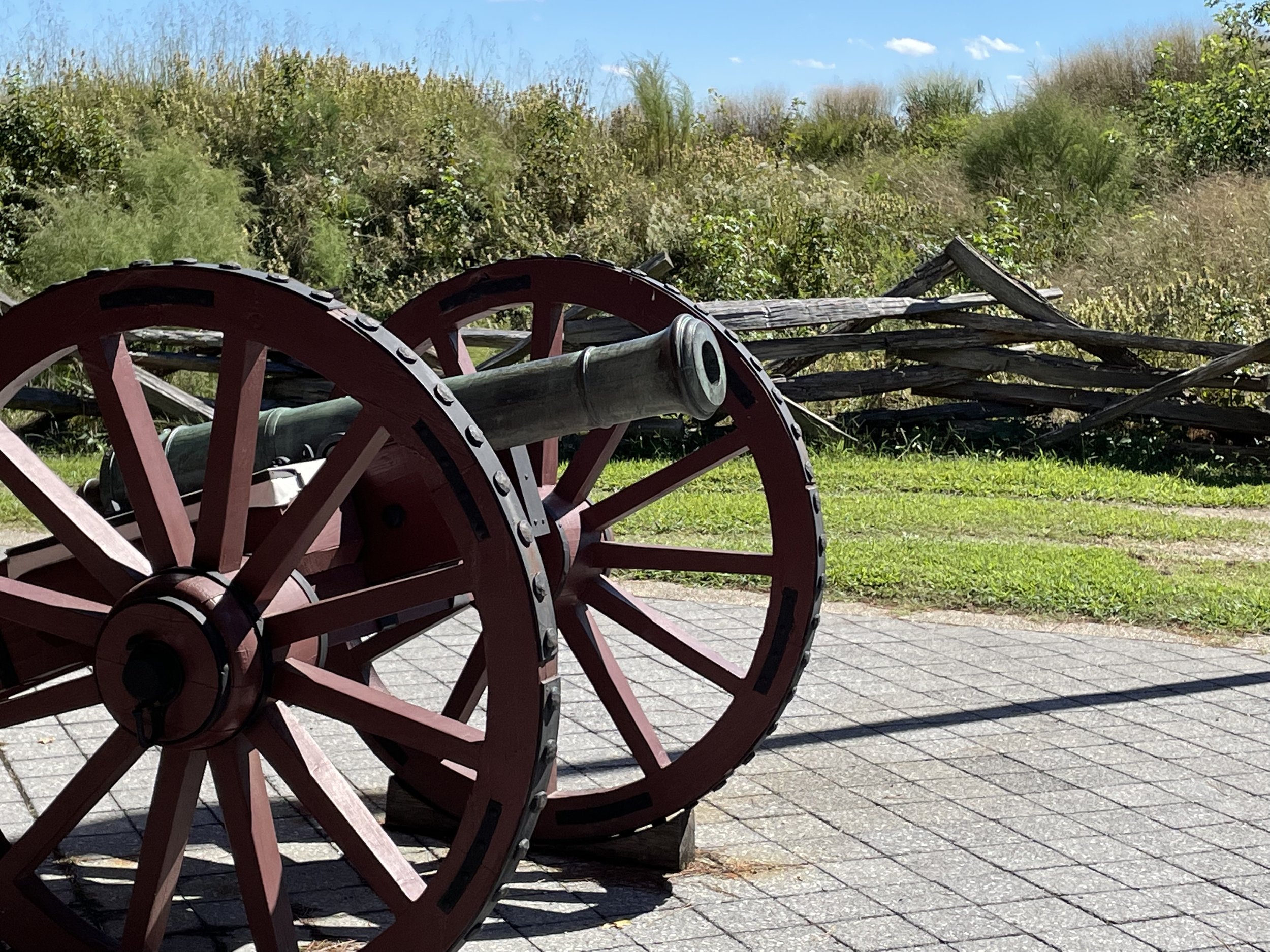
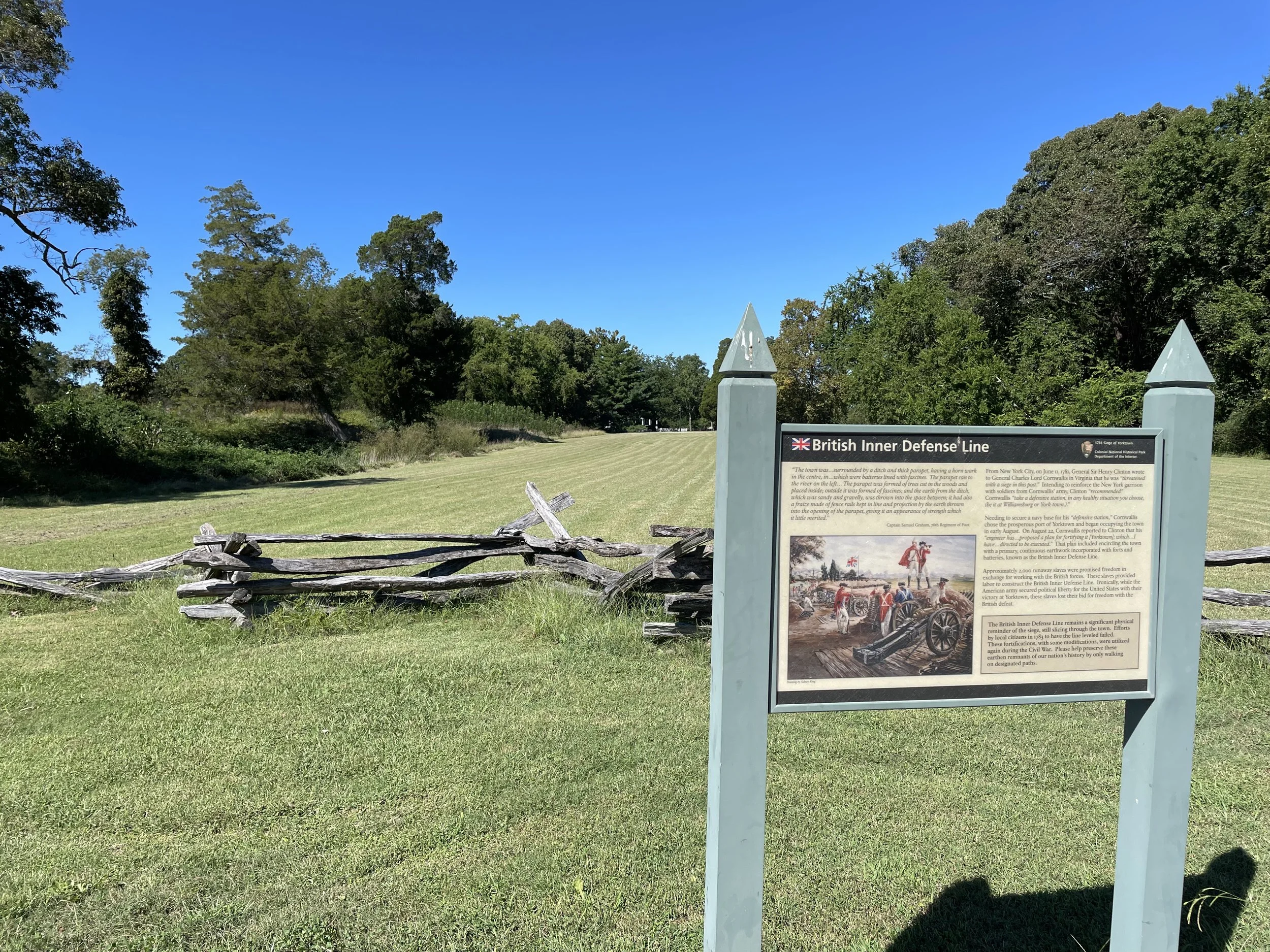
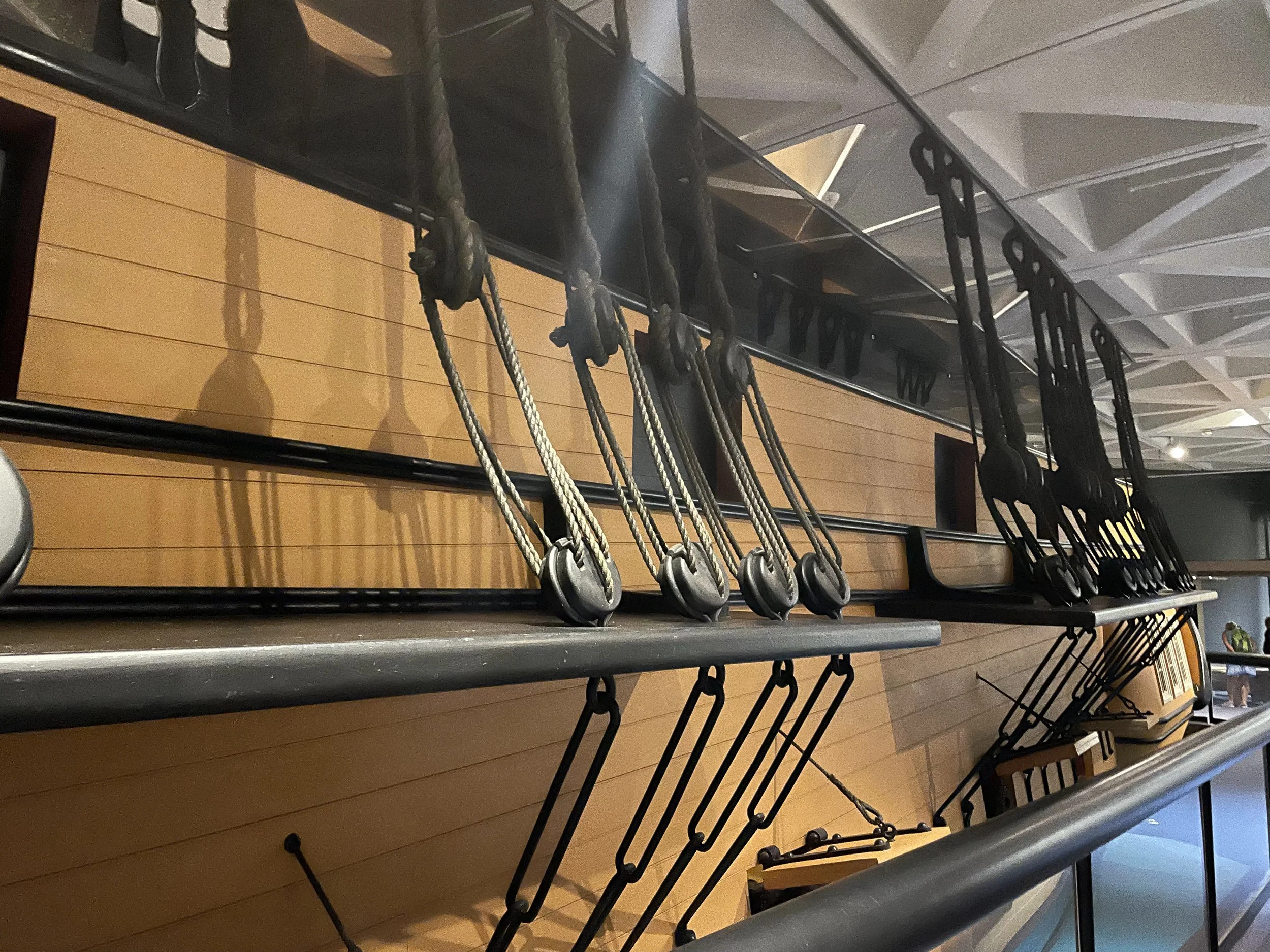
Today, elements of the battlefield and multiple museums preserve remnants of that final battle. This is one of the primary stops along the Colonial Parkway.
Fort Monroe National Monument
Since the earliest exploration and settlement of the tip of the Virginia peninsula was recognized as a key defensive site for protection of the navigable waters between Hampton Roads and the Chesapeake Bay. Several forts were constructed on the Hampton, Virginia site before a permanent fort was completed in 1834 and named in honor of President James Monroe.
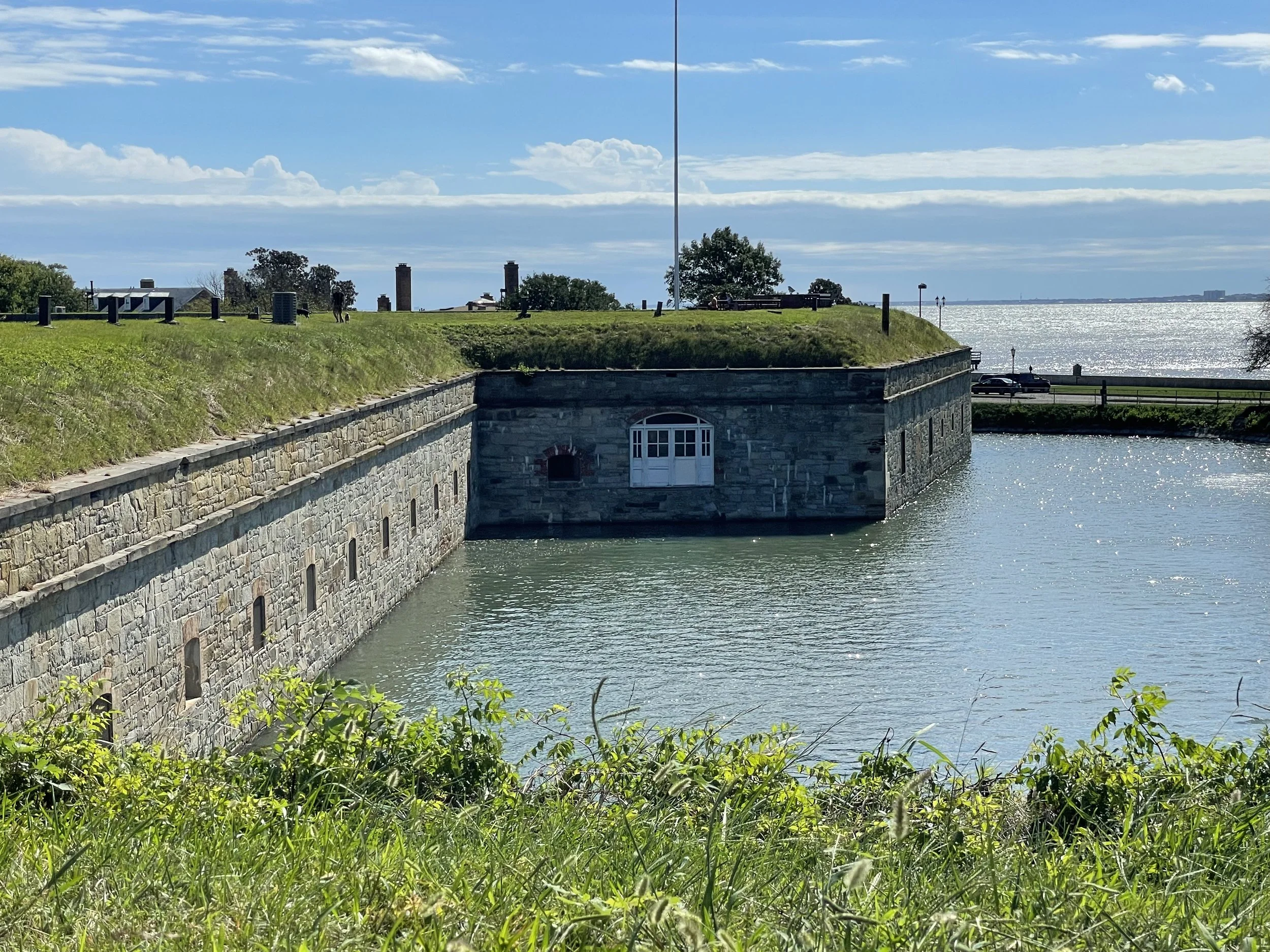
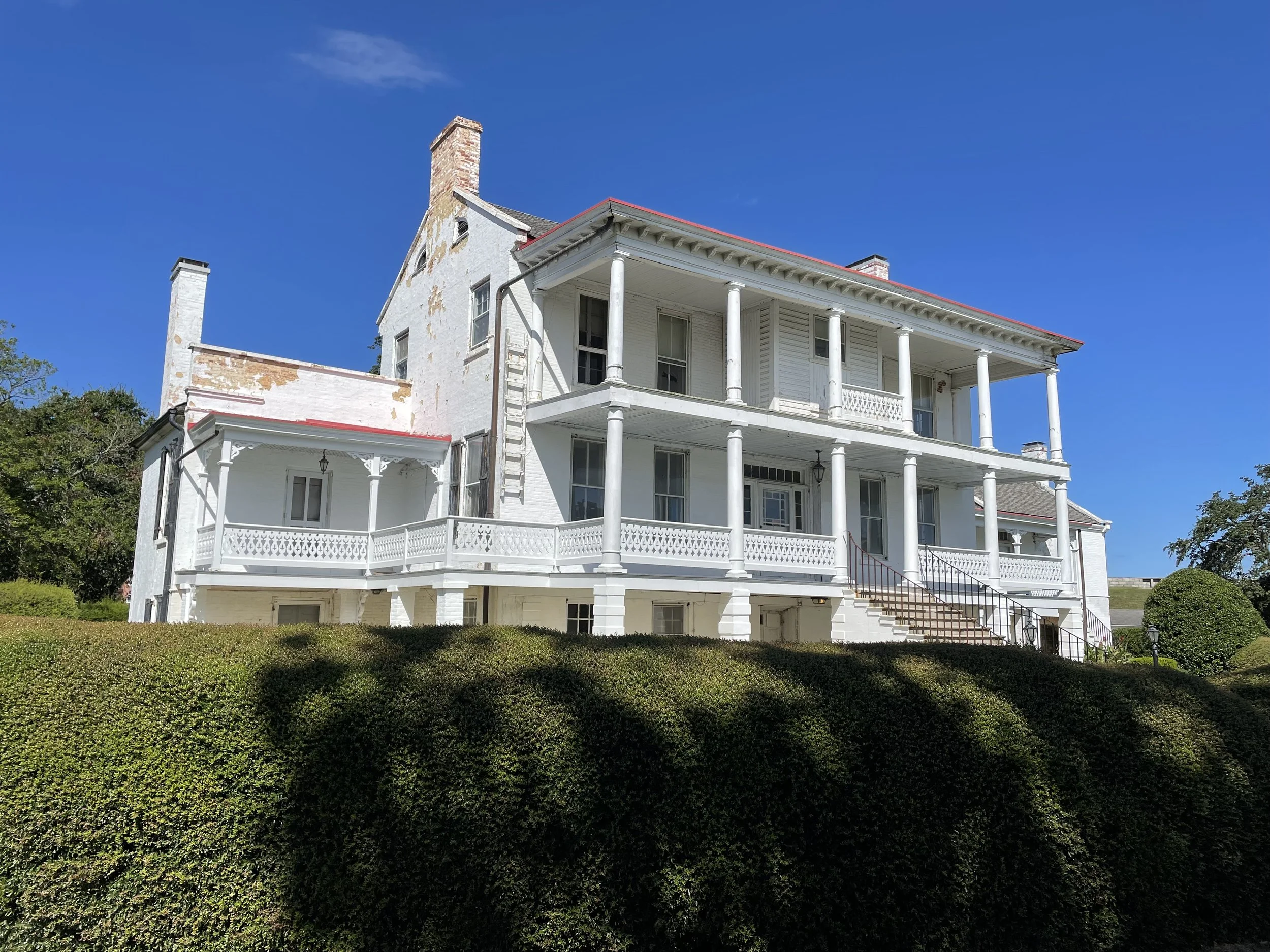
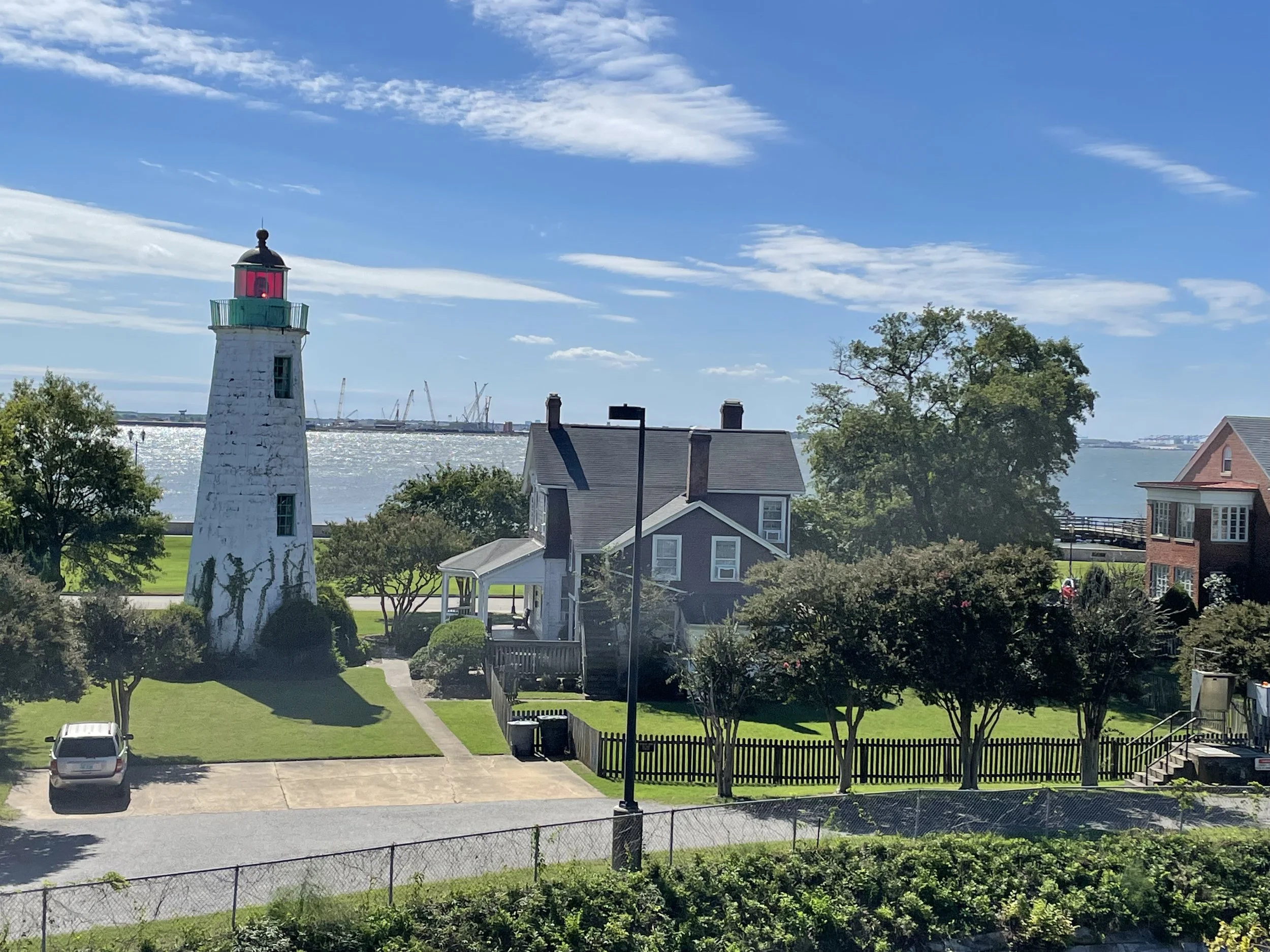
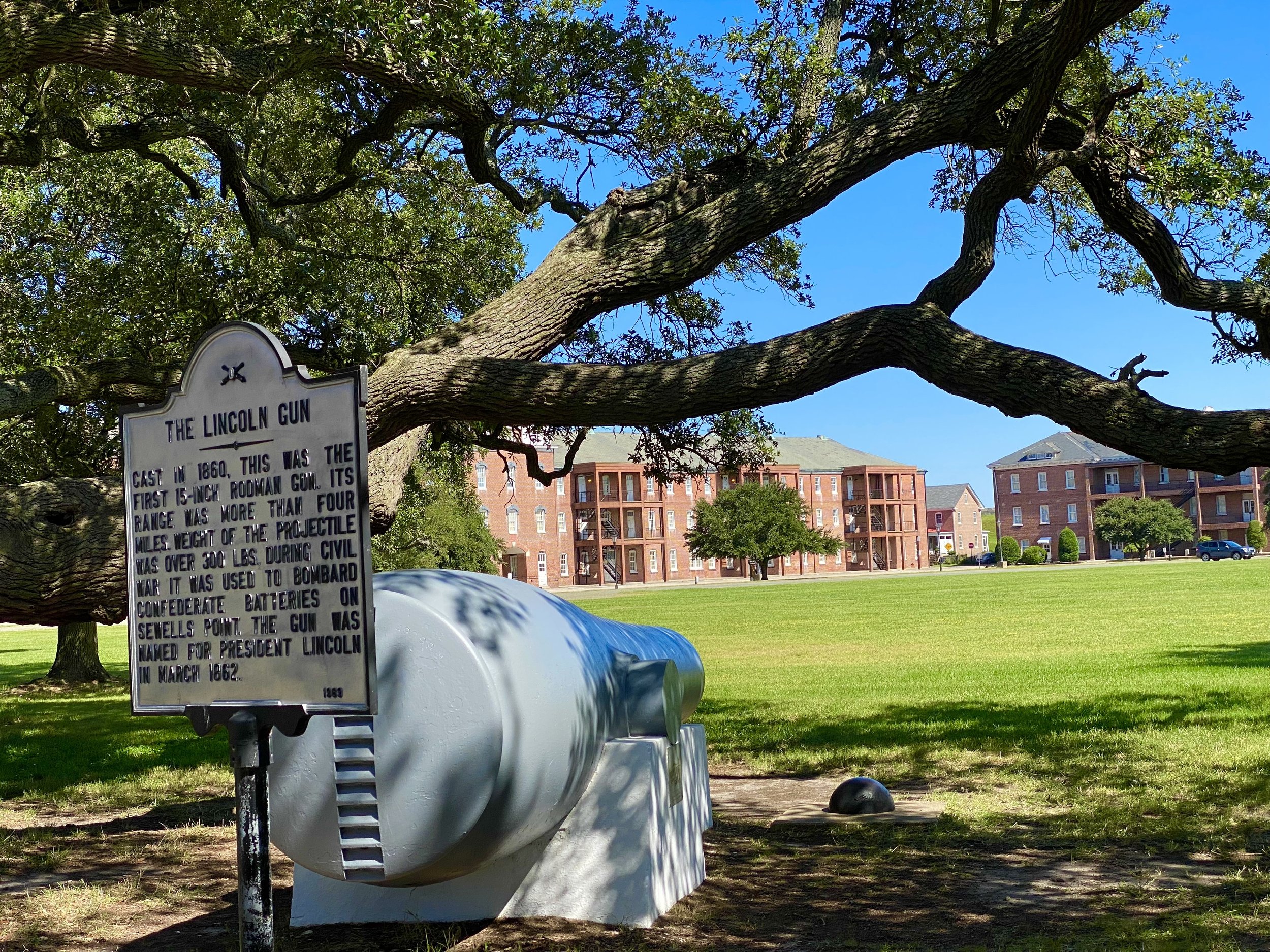
Fort Monroe continues to be the largest fortress ever constructed in the United States. It remained in Union hands throughout the Civil War. The fort continued as an active defensive structure until disarmed in 1946, but was not formally decommissioned until 2011. In that same year, it was designated a National Monument.
Norfolk and Virginia Beach
If you want to add a non-historic element to your visit, Norfolk is one of the largest cities in Virginia. You will find any number of shopping, dining or other leisure options.
Just a little further up the road is Virginia Beach, which is home to the Commonwealth’s finest beachfront. The boardwalk is well maintained and will connect you with a different parts of the beach, as well as a variety of other recreational options.