Glacier and Waterton Lakes National Parks
Glacier and Waterton Lakes are often considered a single international park. The topography, wildlife and particularly the glaciers are huge draws on both sides of the border. It is possible to visit both in a single day, but multiple days or weeks are needed to really explore these amazing parks.
Glacier National Park
The ecosystems of Glacier National Park range from tundra to prairie and nearly all of its original plant and animal species remain intact. A number of large animals can be seen in the park. These include grizzly bear, black bear, elk, bighorn sheep, mountain goats, mountain lions, lynx and wolverines.
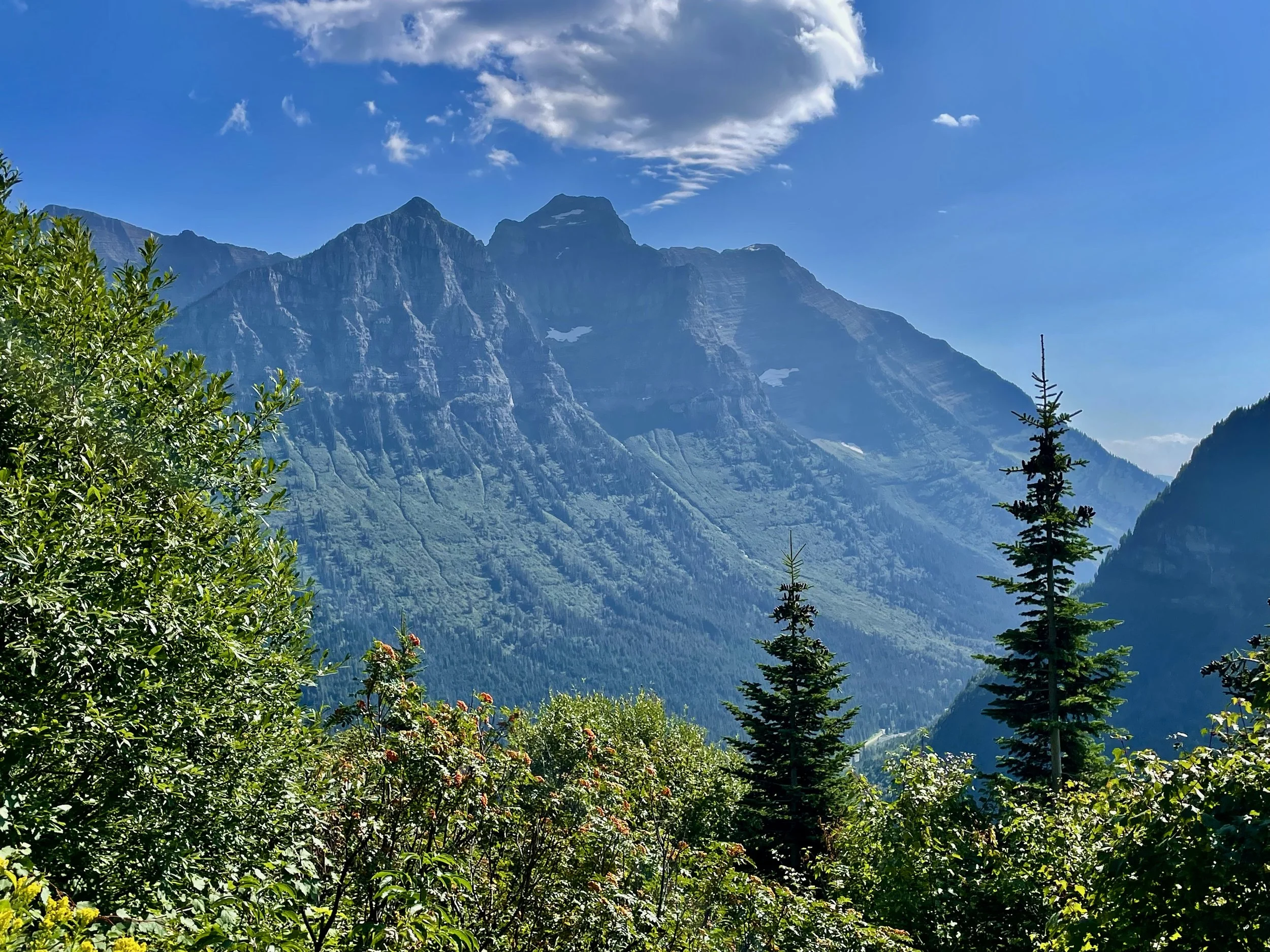
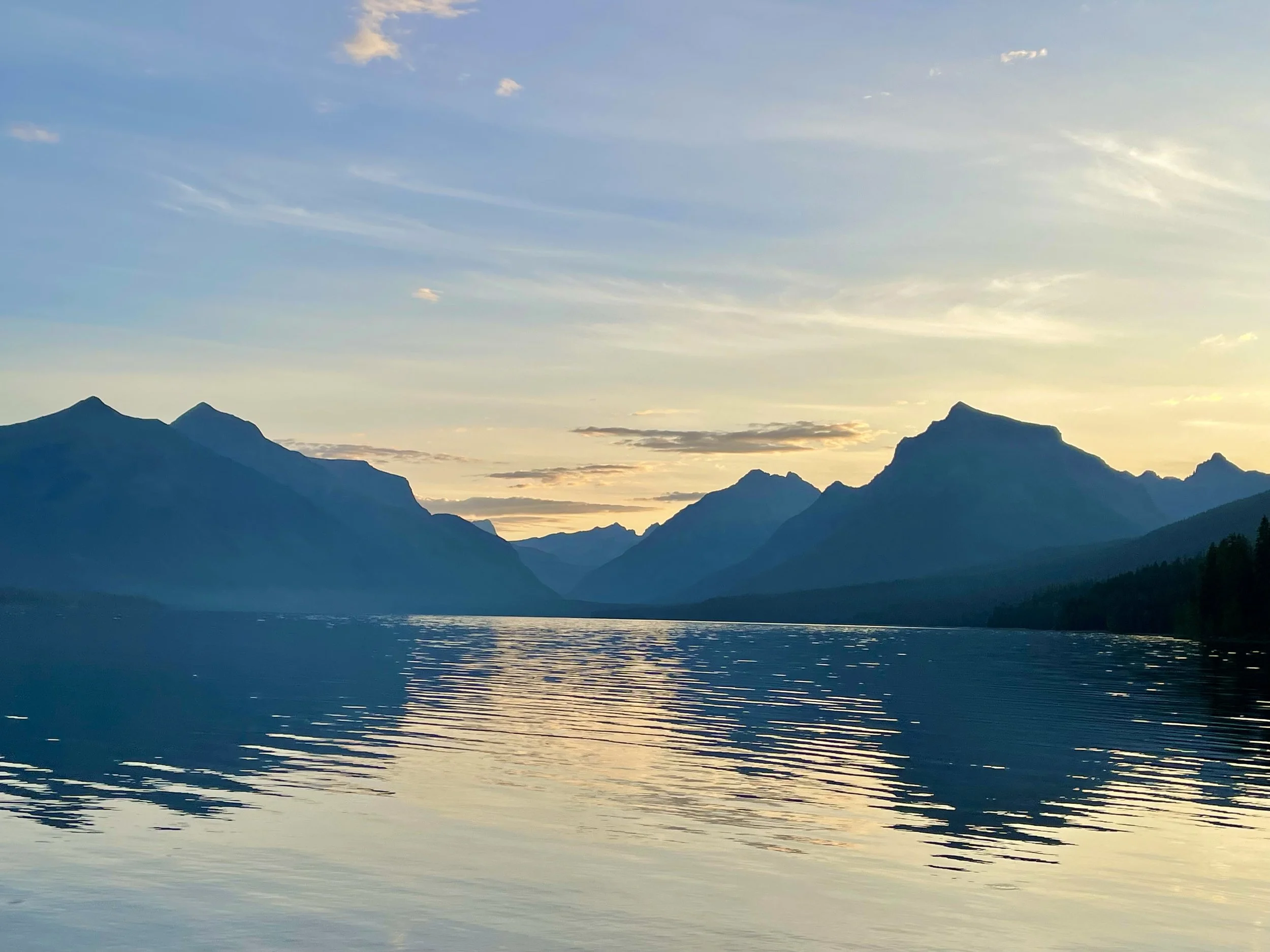
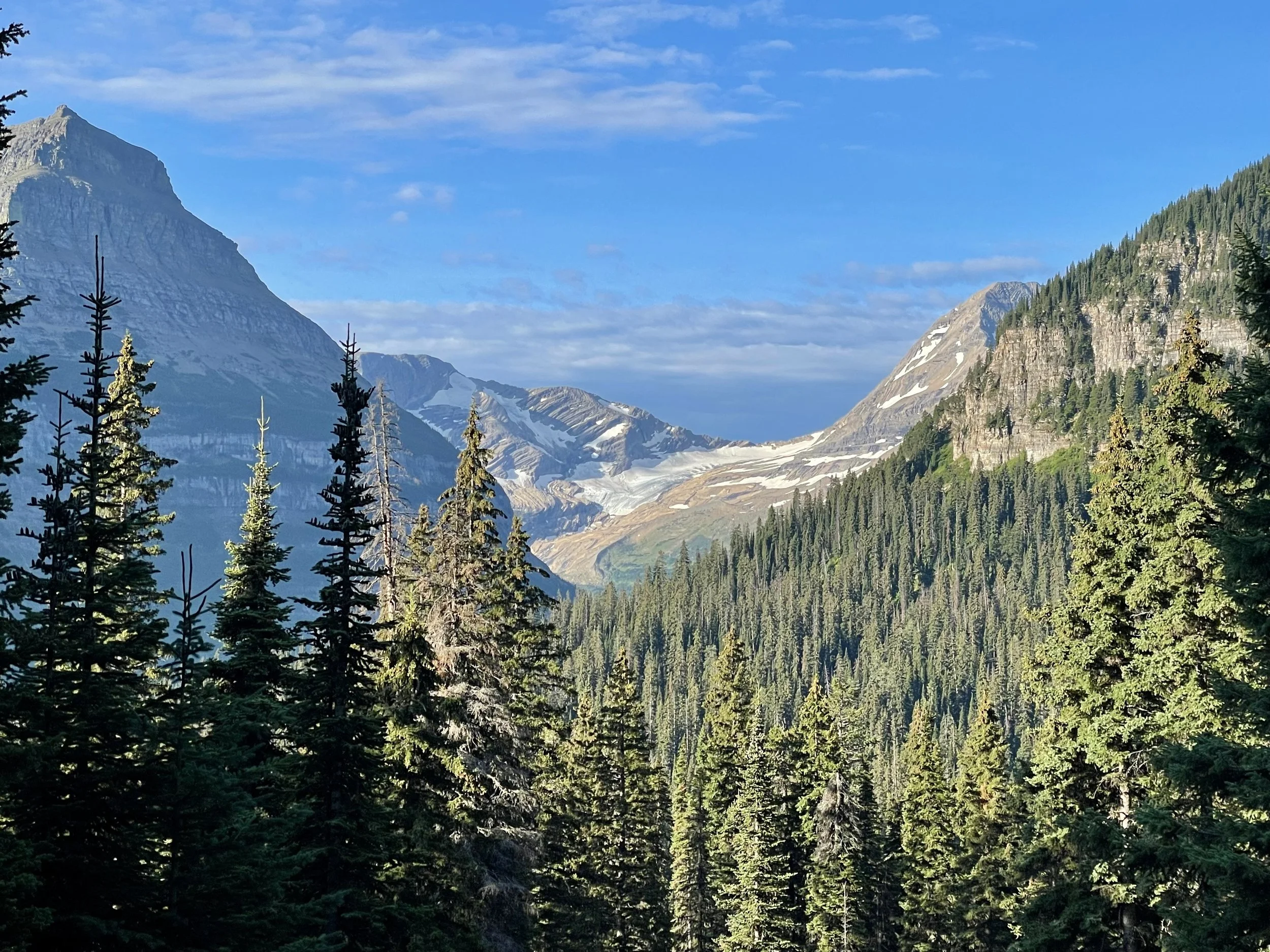
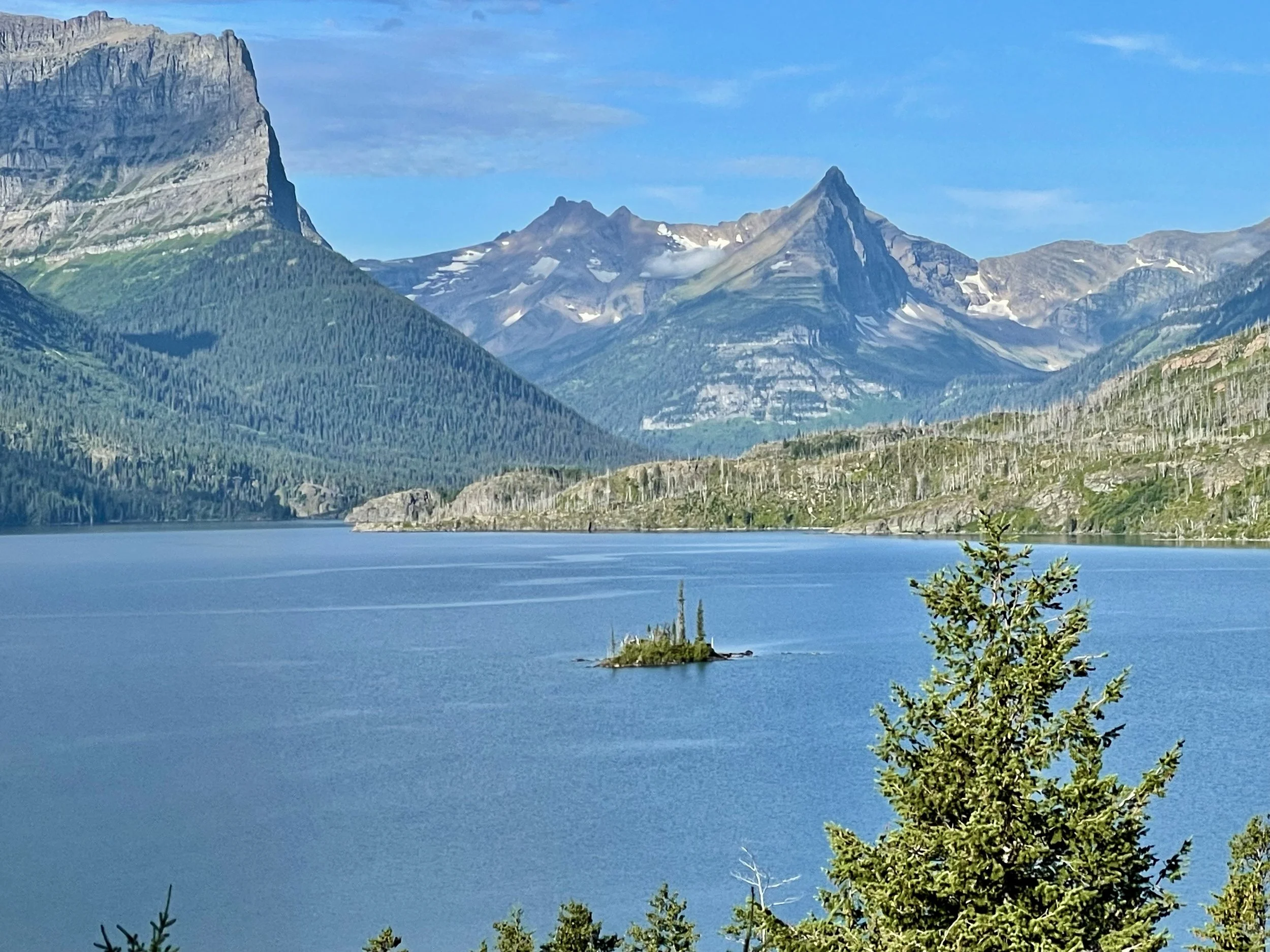
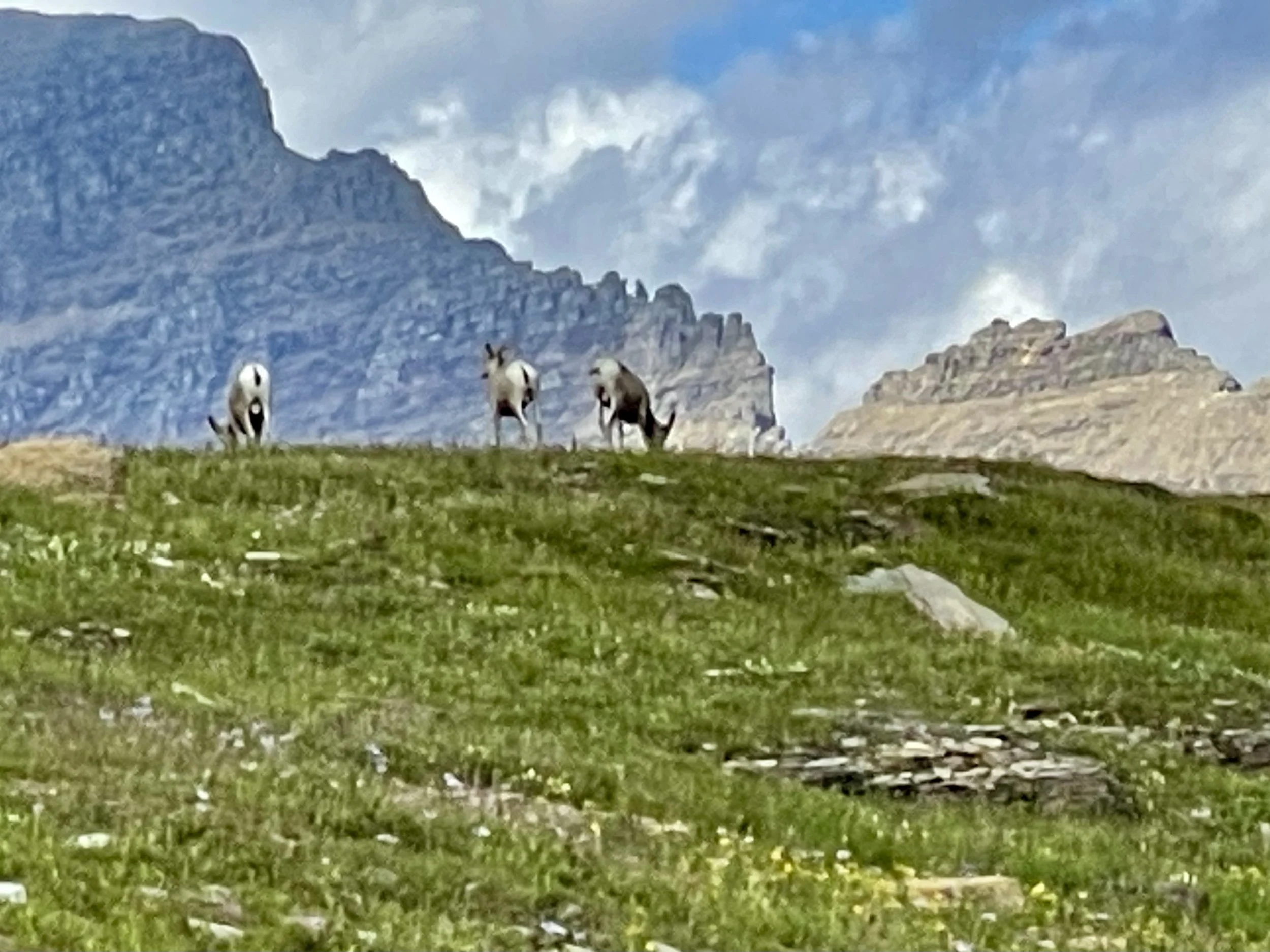
In 1910, in an effort to preserve this range of habitat, the national park status was designated. In 1995, the park was inscribed as a UNESCO World Heritage Site. Today the park maintains multiple campgrounds and offers opportunities for backcountry camping. Other activities include hiking, bicycling, boating and fishing.
Waterton Lakes National Park
Named after conservationist Charles Waterton, this park borders on Glacier National Park in the United States. It has the same topography of rugged mountains and glaciated peaks. It was established as a national park in 1895. Waterton and neighboring Glacier were named a biosphere reserve in 1979 and they were jointly named a UNESCO World Heritage Site in 1995.
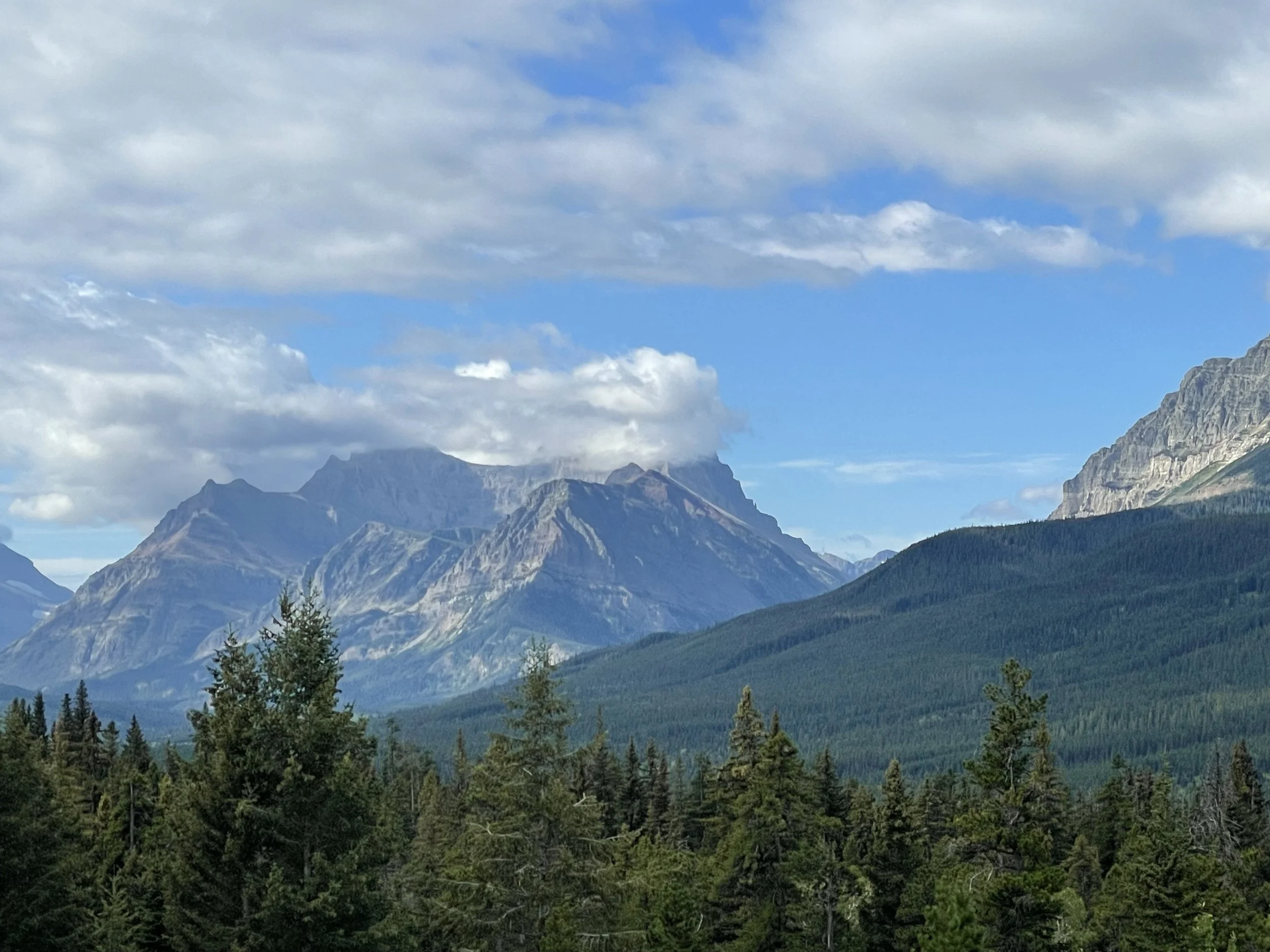
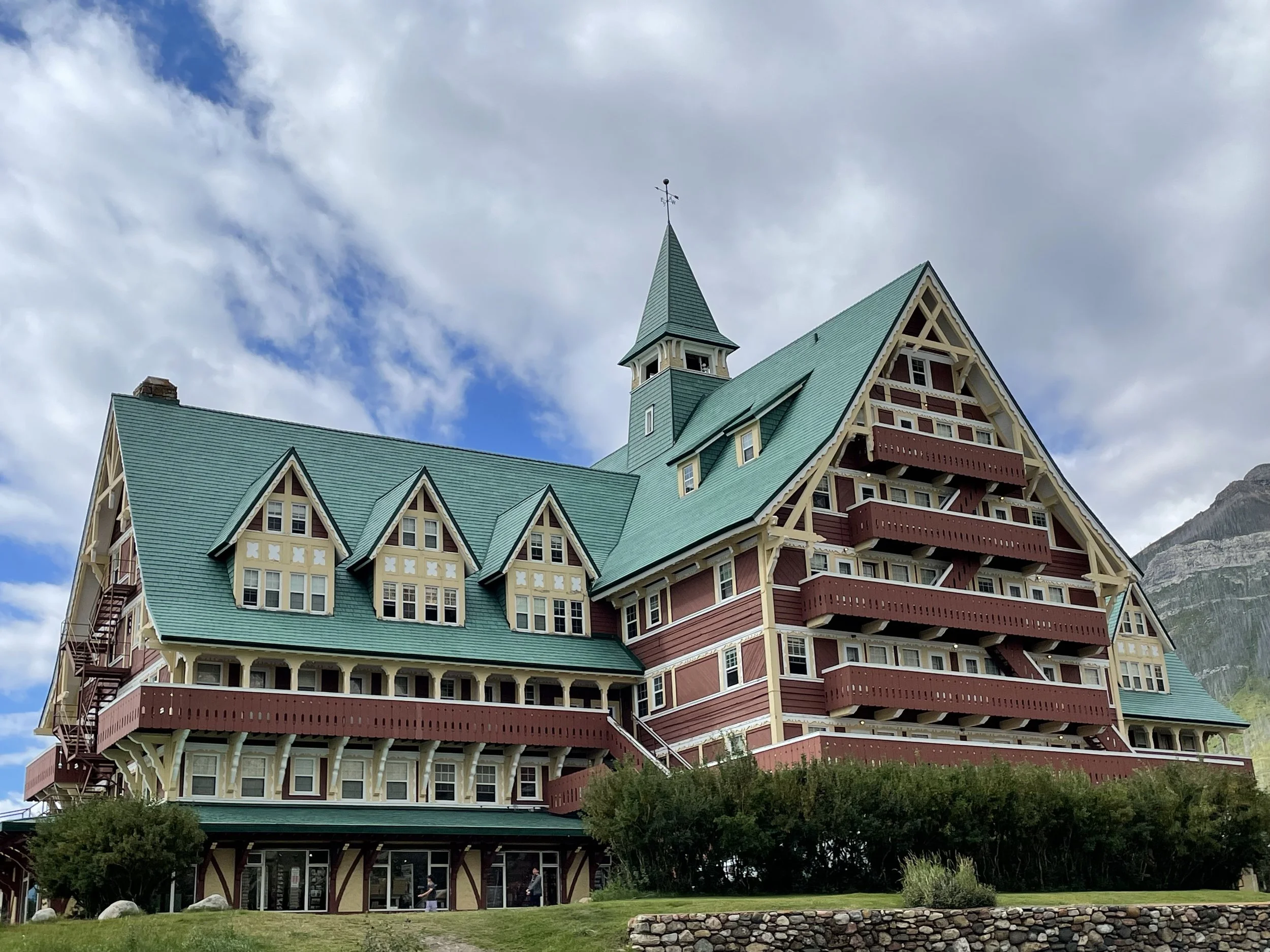
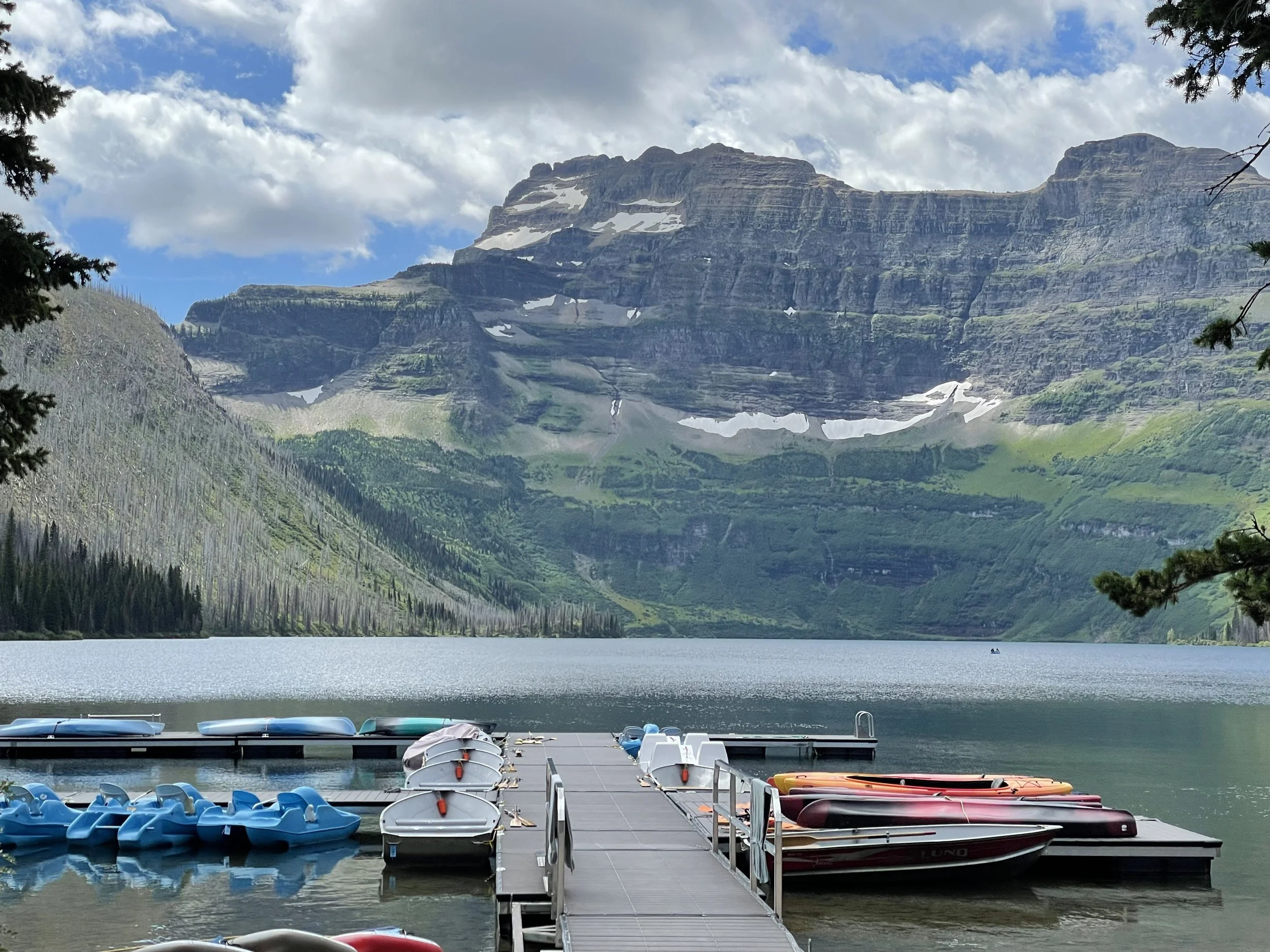
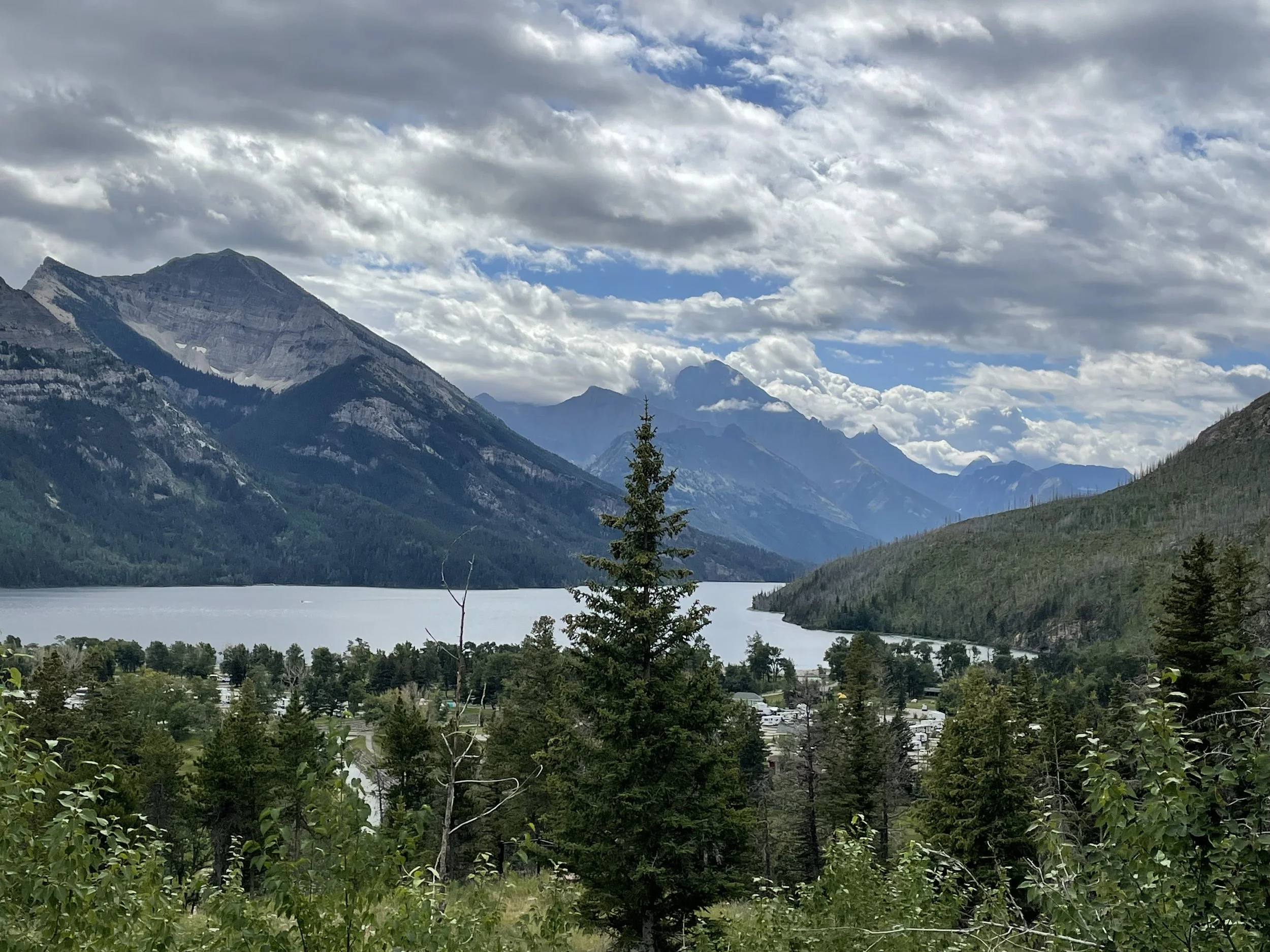
Like its sister park to the south, Waterton preserves a diverse topography of mountains, forest, prairies and wetlands, as well as a wide range of animal life. It also supports a wide range of outdoor activities.
Future of the Parks
Unfortunately, global warming has severely impacted the glaciers which may disappear within a generation. This same warming trend may negatively impact the viability of other ecosystems. Move these parks to the top of your bucket list and try to visit soon.