Cuyahoga Valley
This section of Ohio is largely urban, but a patchwork of national, state, county and municipal parks have managed to halt construction and preserve some of the Cuyahoga Valley beauty and natural resources. Along with this, the city of Cleveland, the lakeshore and other historic sites make this an attractive area for exploration.
Here are some of the major points of interest:
Cuyahoga Valley National Park
Just miles from the urban sprawl of Cleveland and Akron, the Cuyahoga Valley is home to forests, farmland and a surprising number of native plants and animals. In an effort to preserve this habitat, congress created the Cuyahoga Valley National Park in 2000.
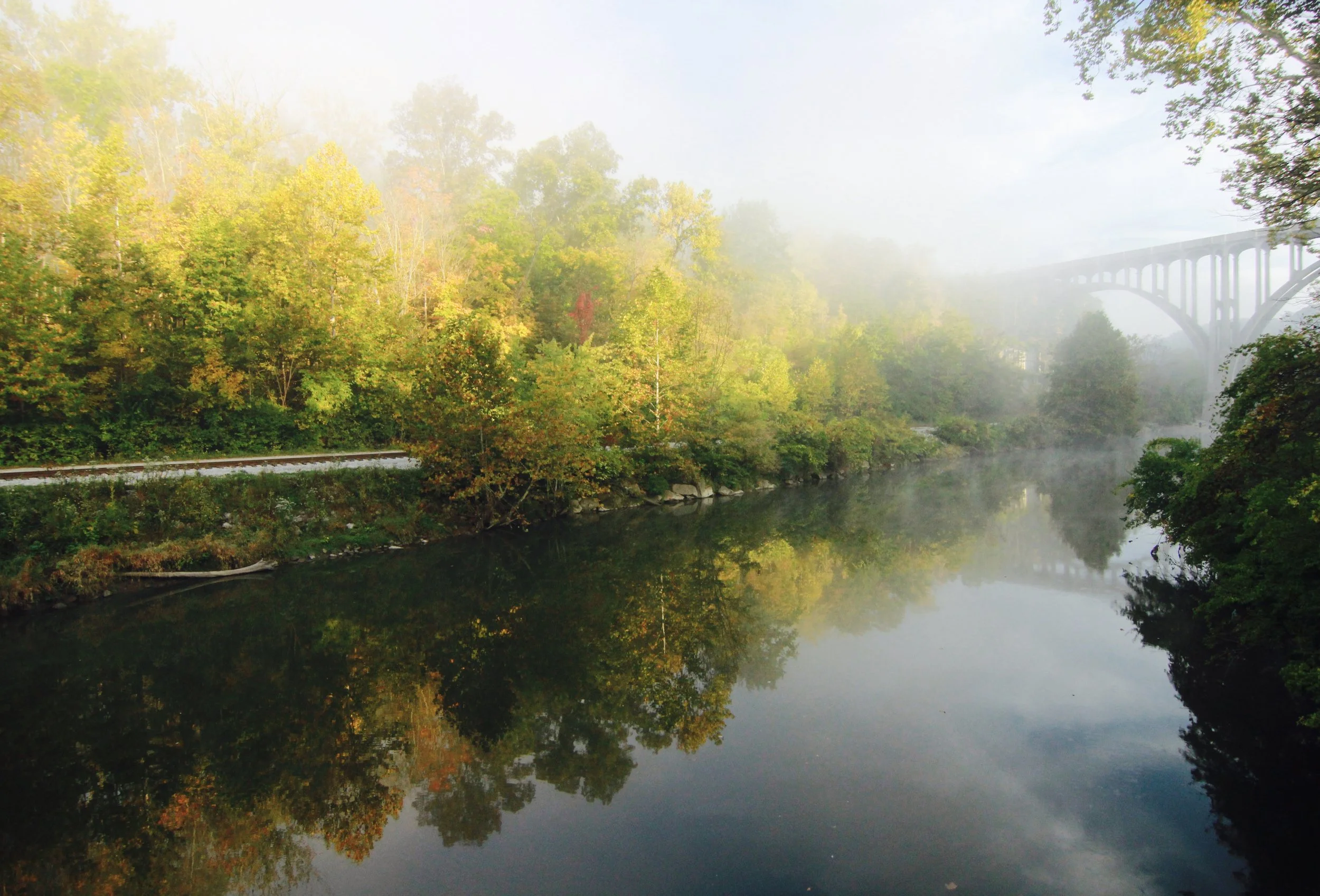
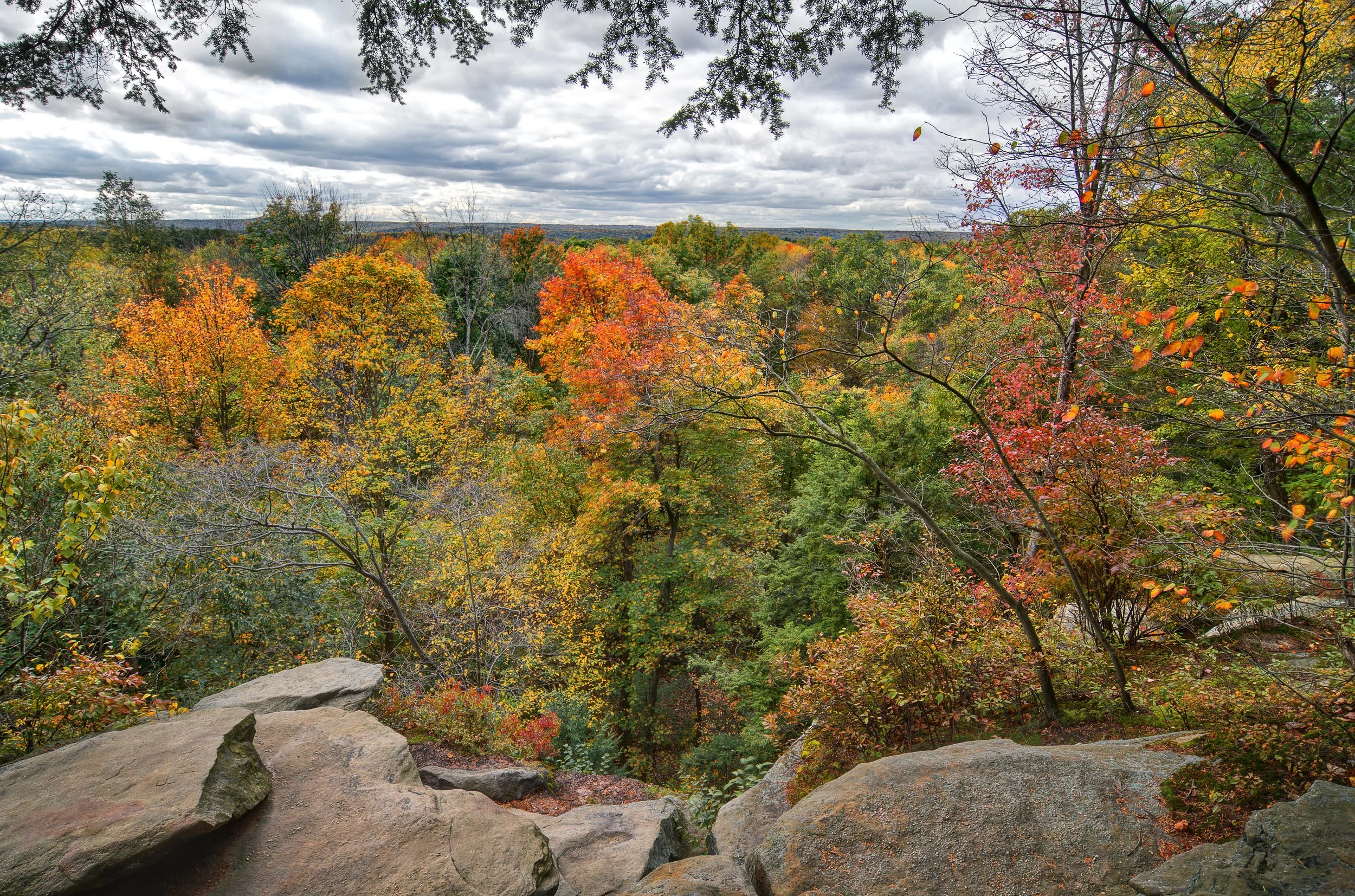
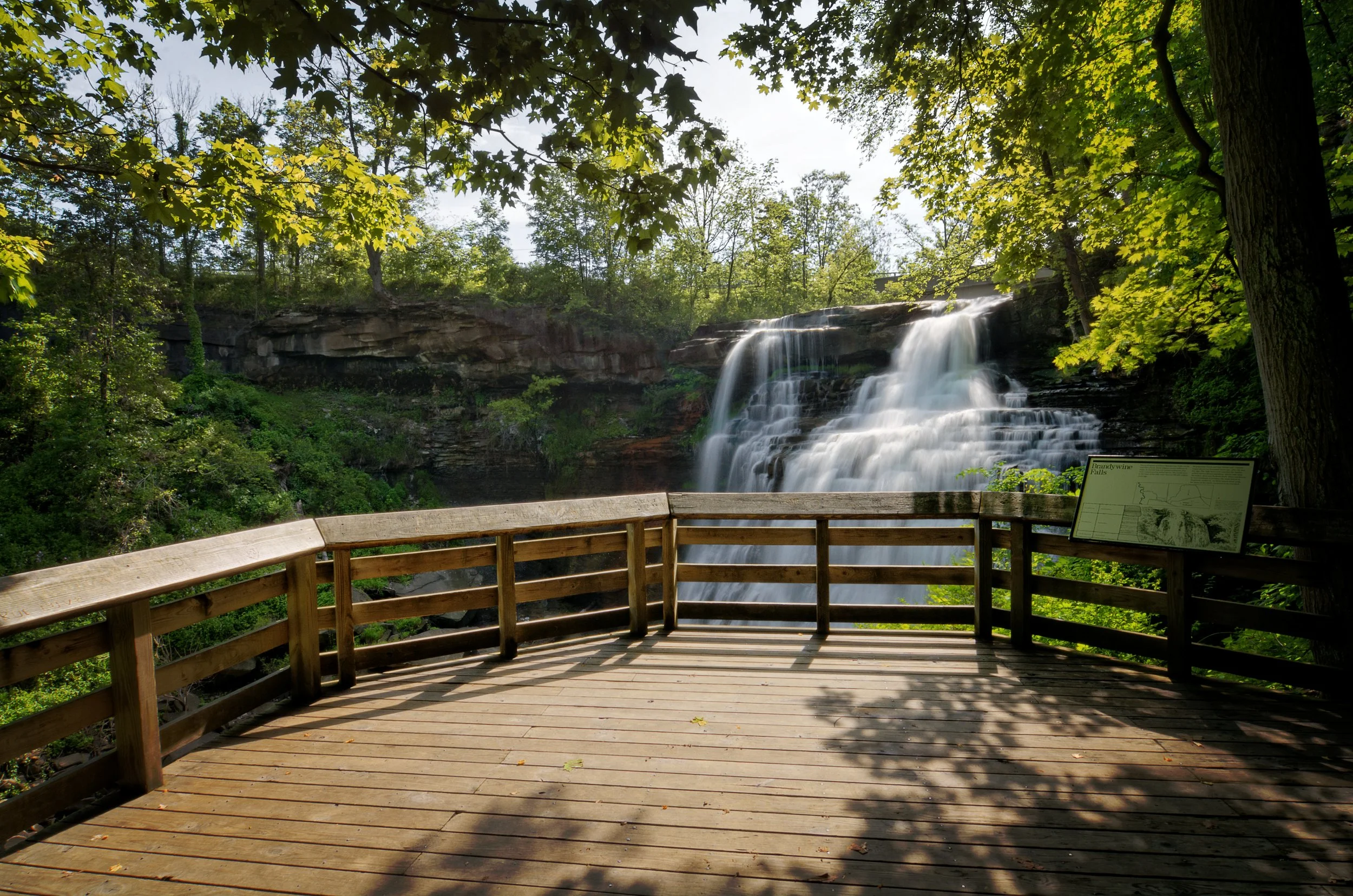
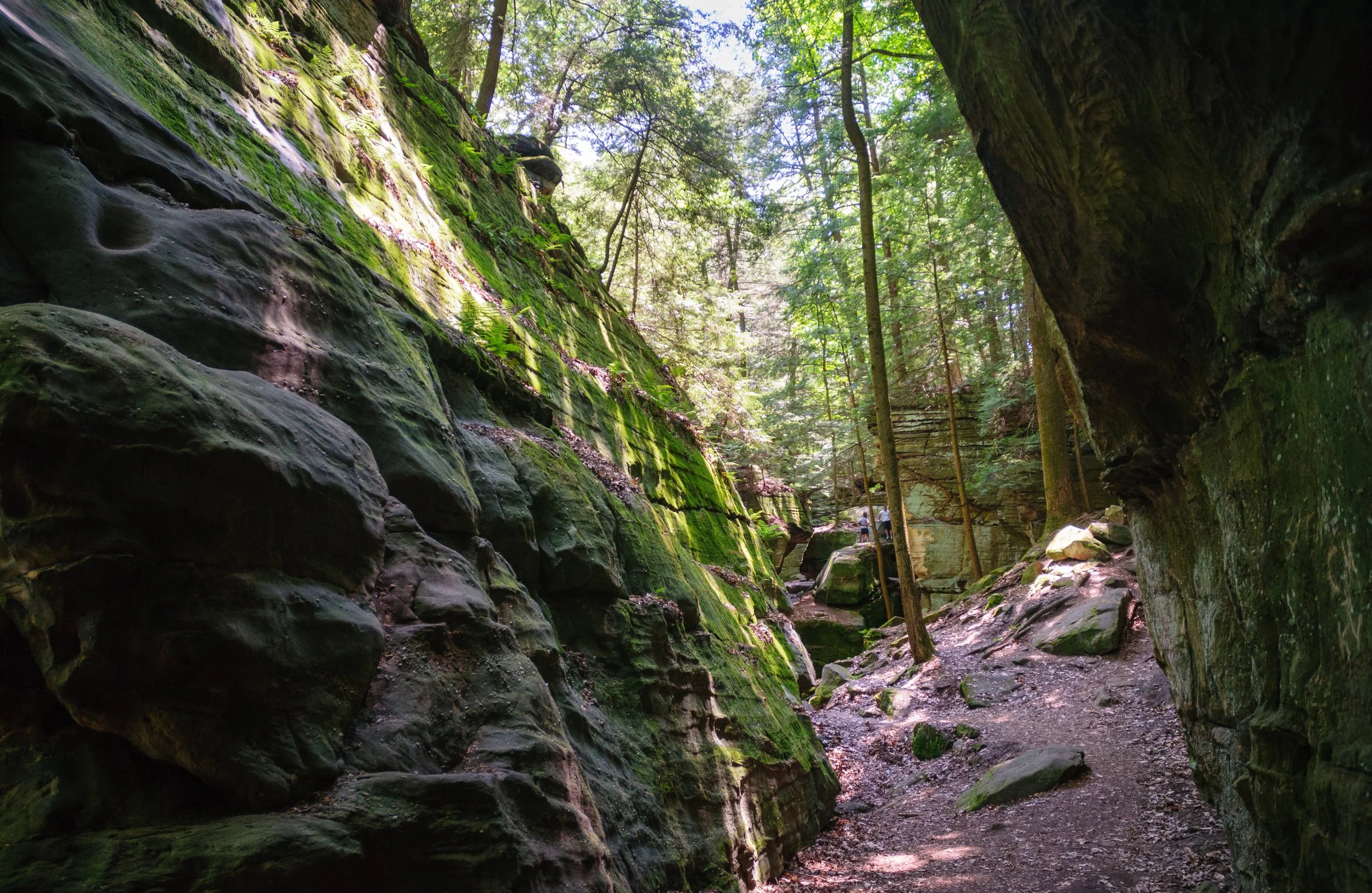
One of only three national parks in the Great Lakes region, Cuyahoga Valley is a patchwork of public lands and county parks crisscrossed by roads and with many sections managed by private business. The park is day-use only.
James A. Garfield National Historic Site
When James A. Garfield ran for president in 1880, he was nominated on the 36th ballot as a dark horse candidate. Running on an anti-corruption platform and with hopes of reuniting the Republican party, he conducted his campaign from his Mentor, Ohio home. He conducted what became known as a “front porch” campaign, making speeches from his veranda and being interviewed by reporters at his home. A building on his “Lawnfield” estate converted into his campaign headquarters complete with a telegraph for communicating nationally and following election results.
Only six months after his inauguration as the 20th US president in 1881, Garfield was assassinated by disgruntled office seeker. Thereafter, with the aid of donated funds, his wife began to transform the estate into a memorial to the late president. In 1936, the Garfield family donated the home to the Western Reserve Historical Society. Congress declared “Lawnfield” a national monument in 2008 and today it is considered one of the most accurately restored home of any 19th-century president.
Cleveland
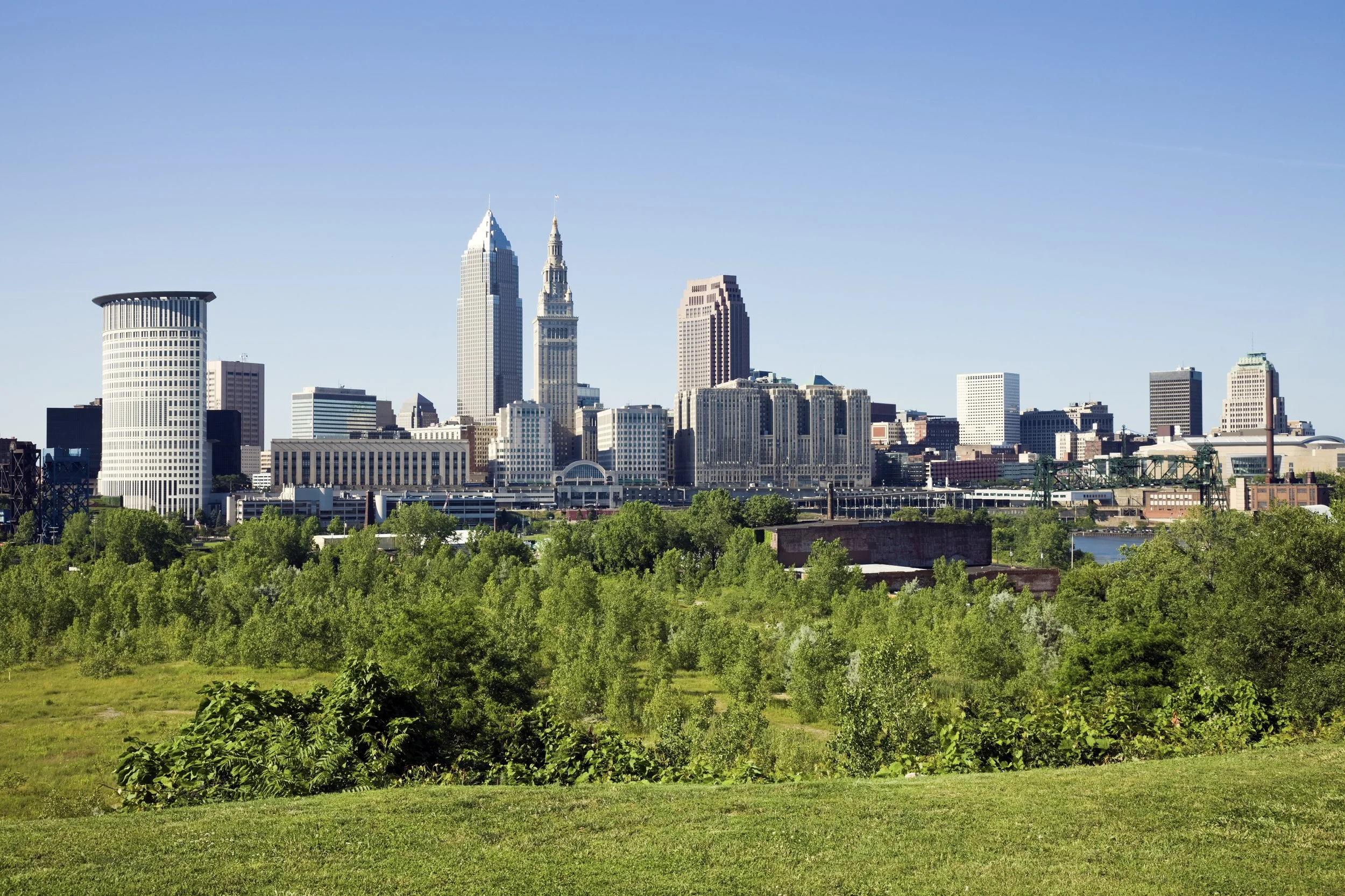
Until the 1960s, Cleveland was the fourth largest city in the United States. Much of the population displaced to the suburbs, but Cleveland retained the infrastructure of much larger city. In addition to the beachfront, there are world-class museums that include the Rock and Roll Hall of Fame and the Cleveland Museum of Art.