Craters and Lava Fields
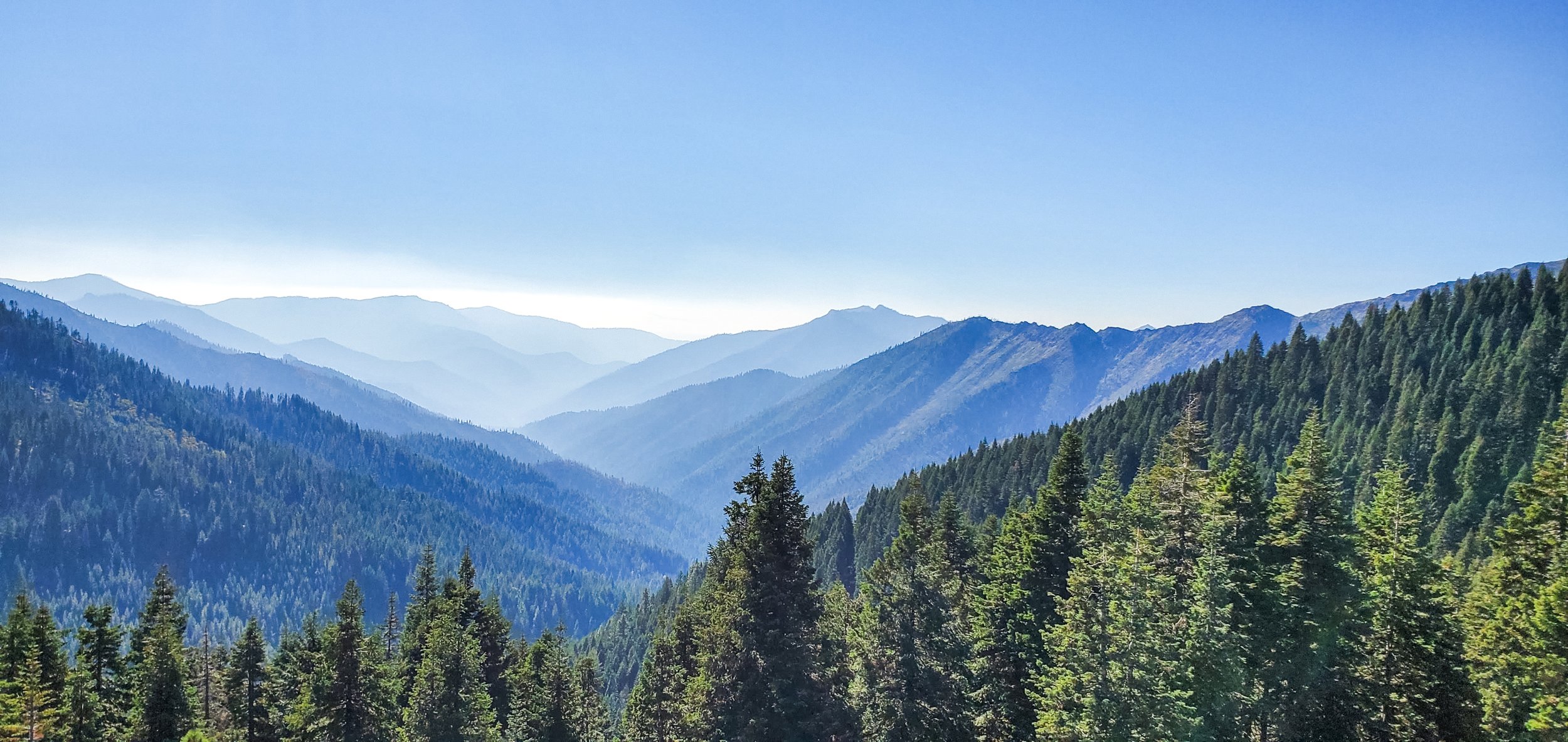
This area of Oregon and California is part of a much larger multi-state region active and inactive volcanoes. Many millennia of geothermal activity have scarred large sections of the land, but much has recovered and is now densely forested. It is a remarkable part of the Pacific Northwest and one you should strongly consider exploring.
Crater Lake National Park
Crater Lake is the deepest lake in the United States and the most unspoiled on the planet. Created nearly 8 millennia ago by an eruption and collapse of its peak, the lake is fed entirely by rainwater and snowmelt. Crater Lake National Park was created in 1902 to preserve this pristine space.
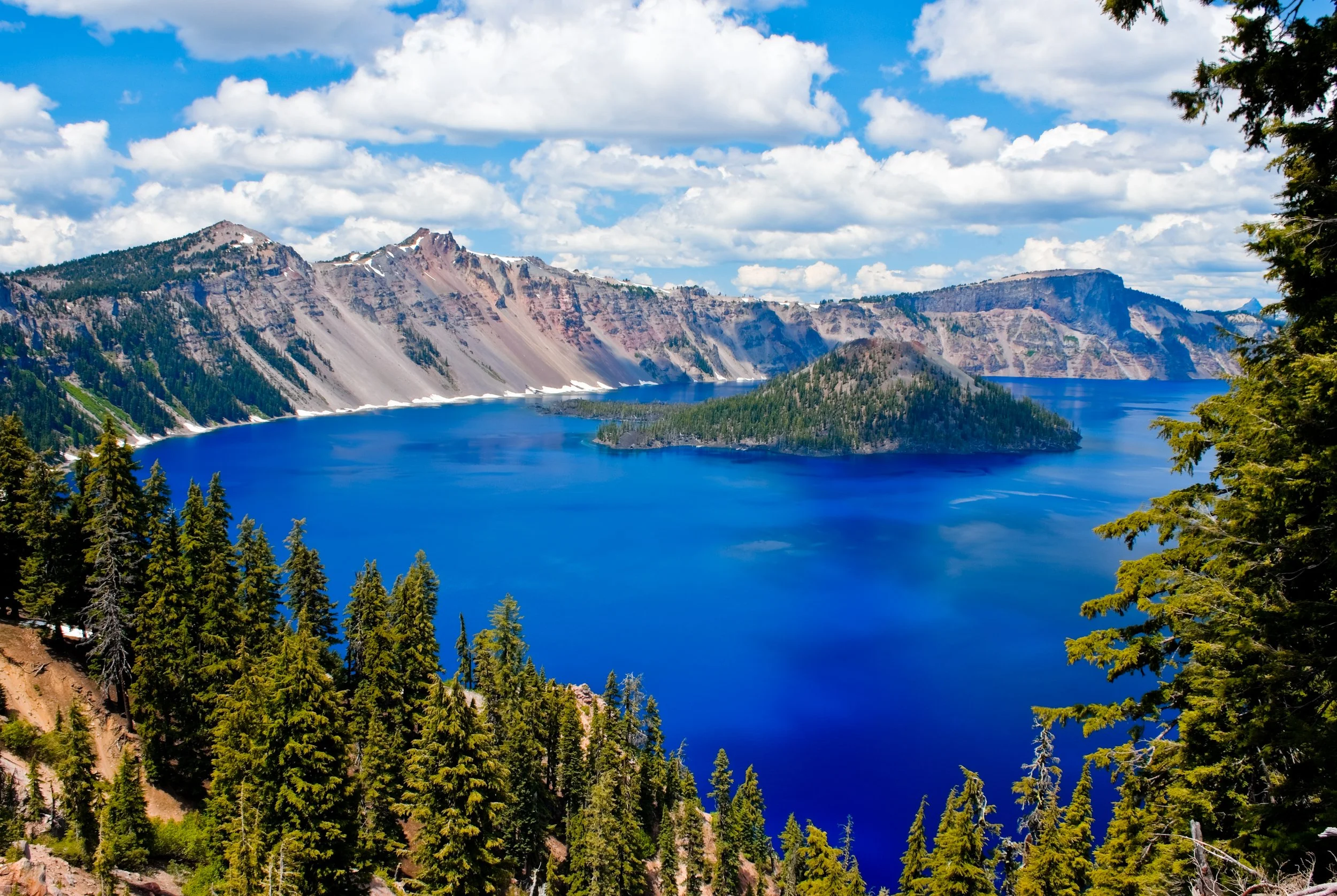
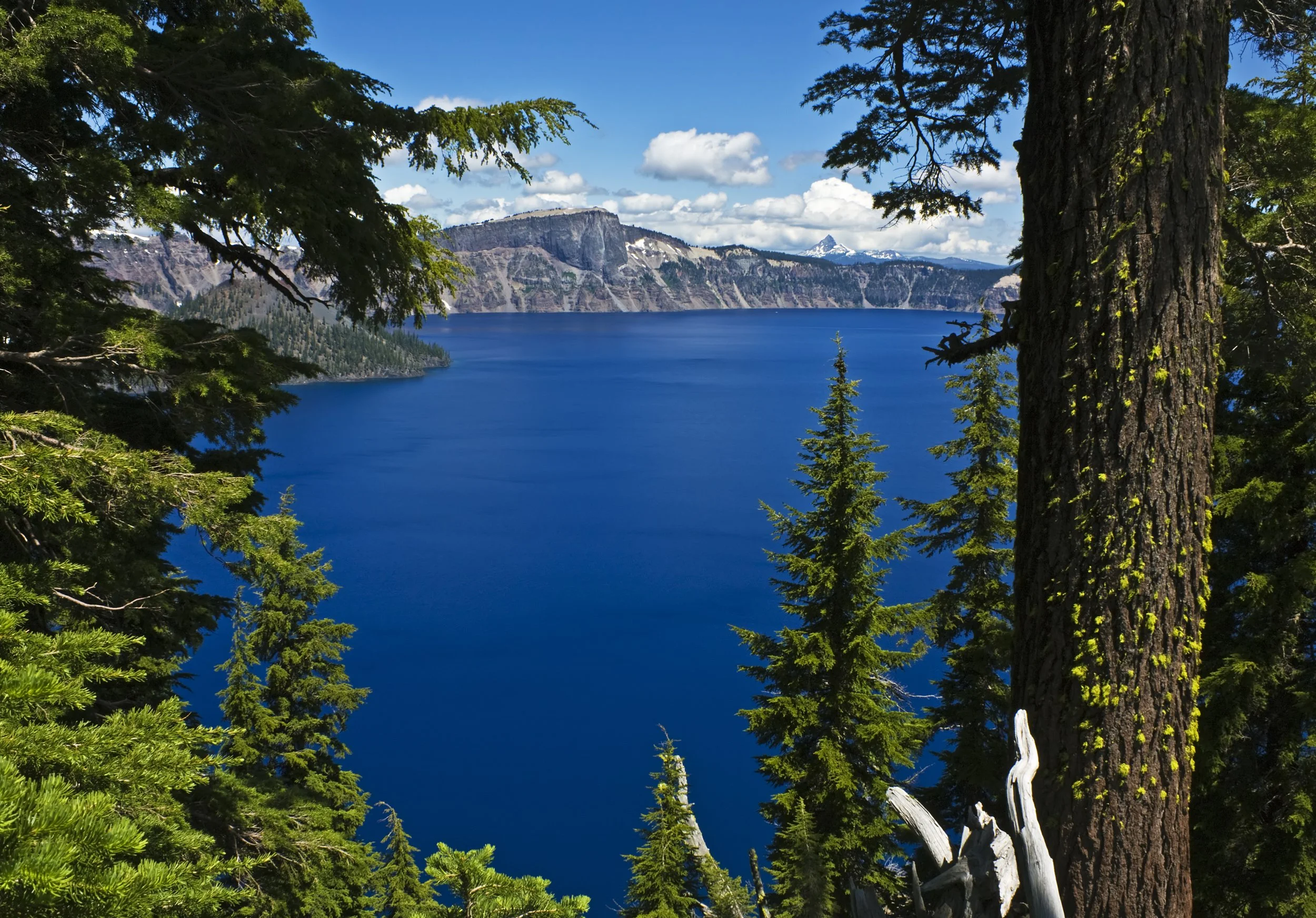
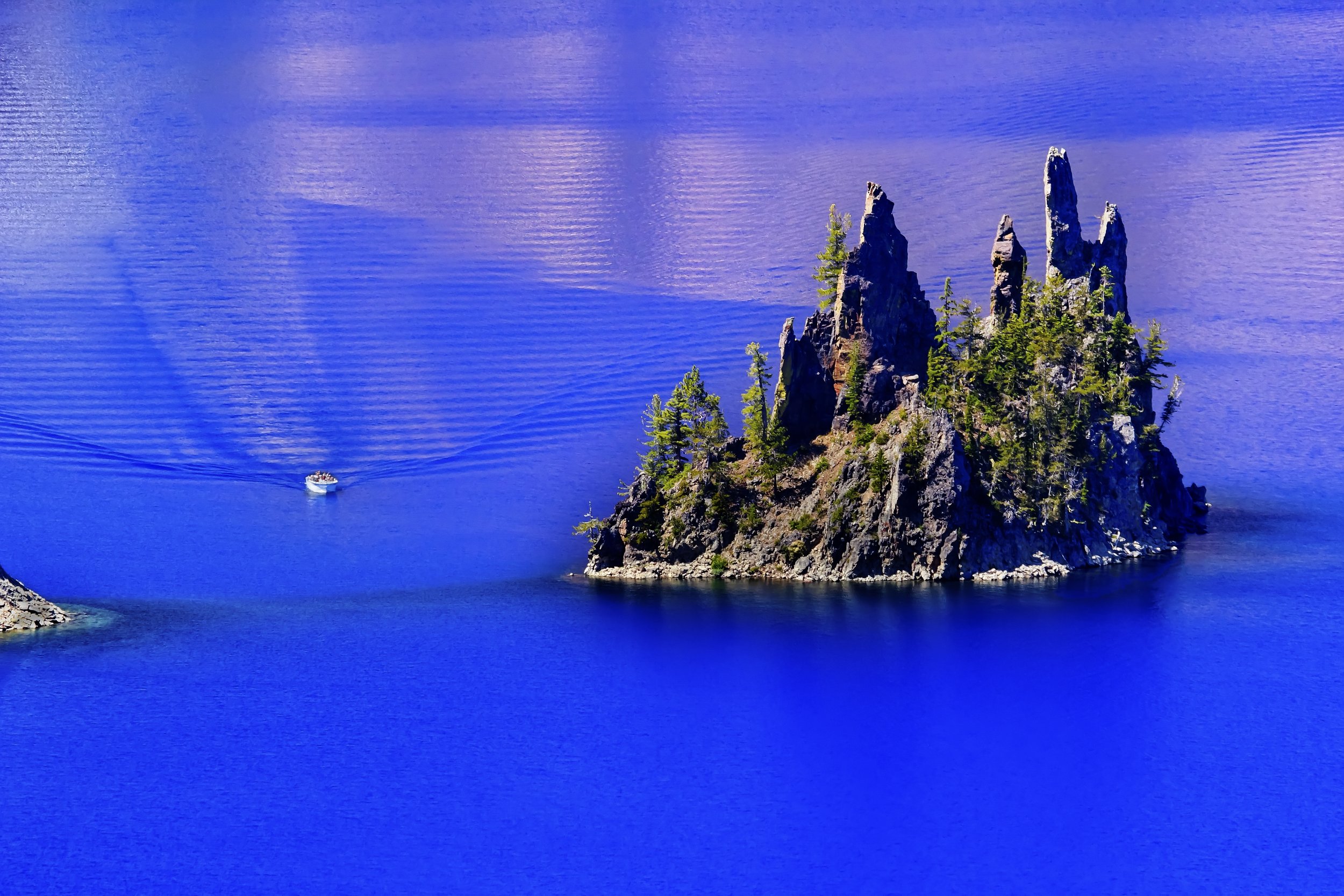
Rim Drive allows visitors to drive around the lake. It is said to be one of the most scenic drives in America and allows unfettered viewing of the caldera.
Volcanic Legacy Scenic Byway
This 500-mile byway is one of only 42 All American Roads. It will take travelers through the Cascade Mountains and numerous volcanoes.
Lava Beds National Monument
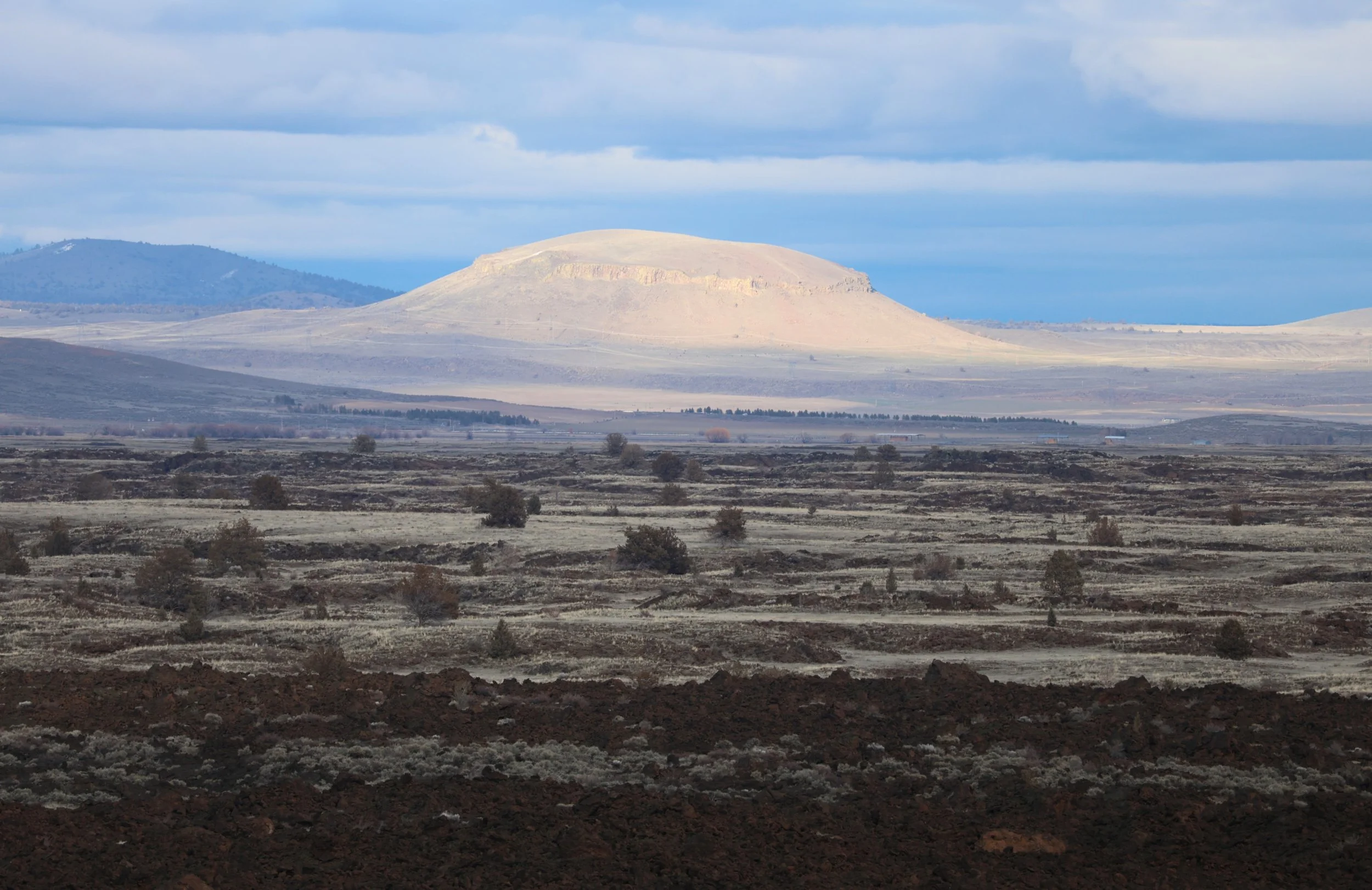
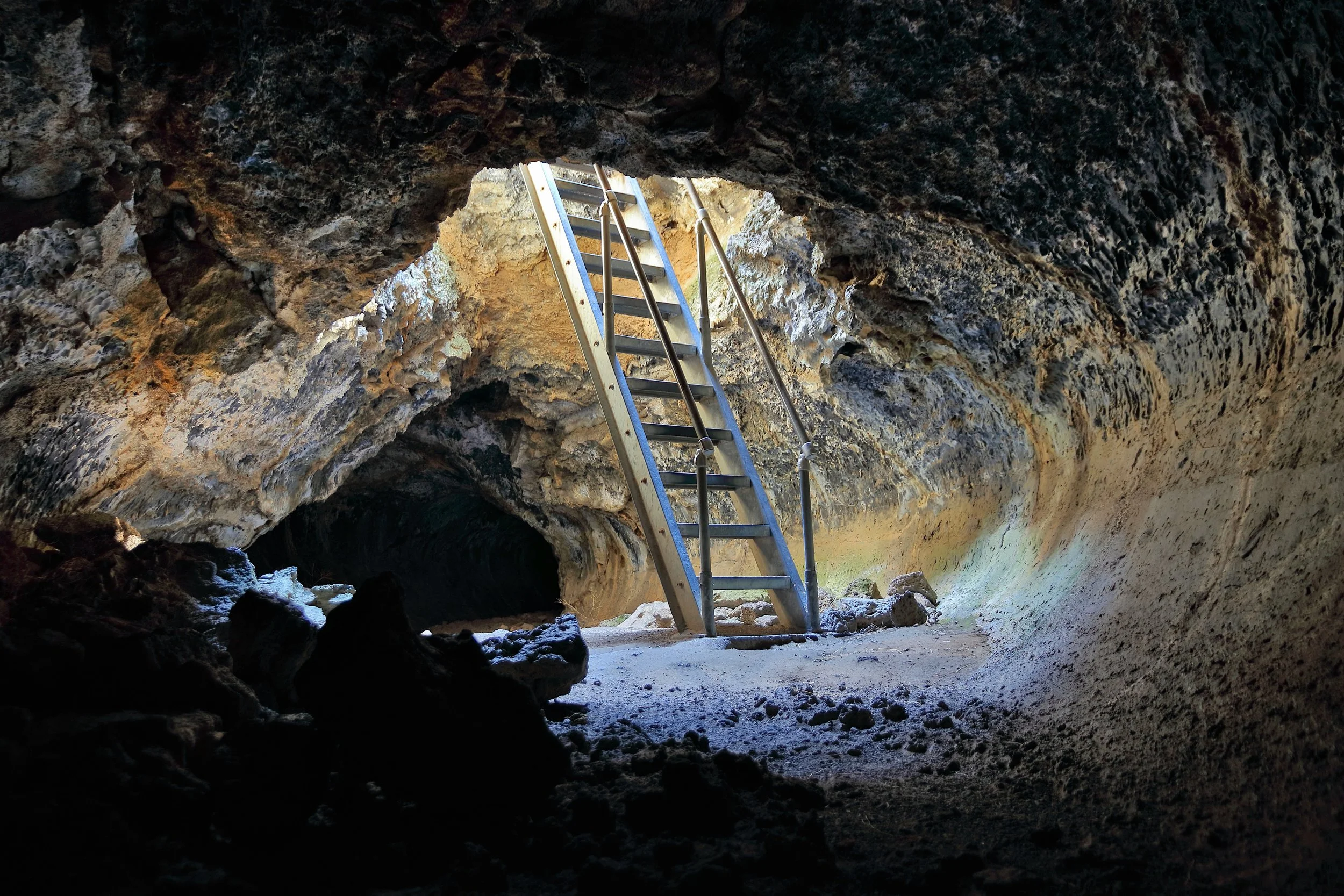
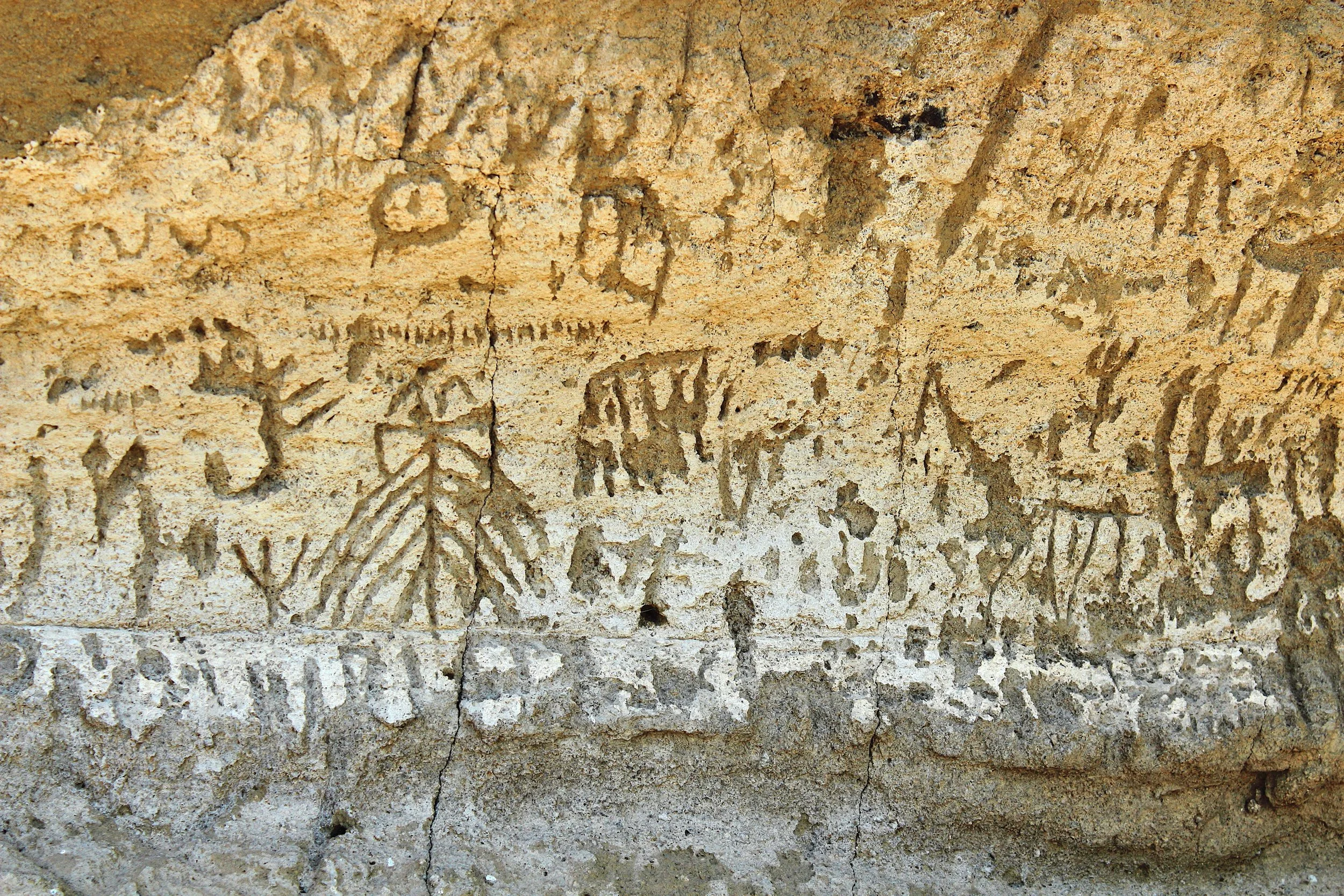
The land that makes up Lava Beds National Monument has been transformed by volcanic eruptions over a period of 500,000 years. It was created in 1991 to preserve not only the lava tubes, cinder cones pit craters and other volcanic formations but the area’s many prehistoric and Native American artifacts. The monument contains one campground and opportunities for hiking and caving.
Cascade-Siskiyou National Monument
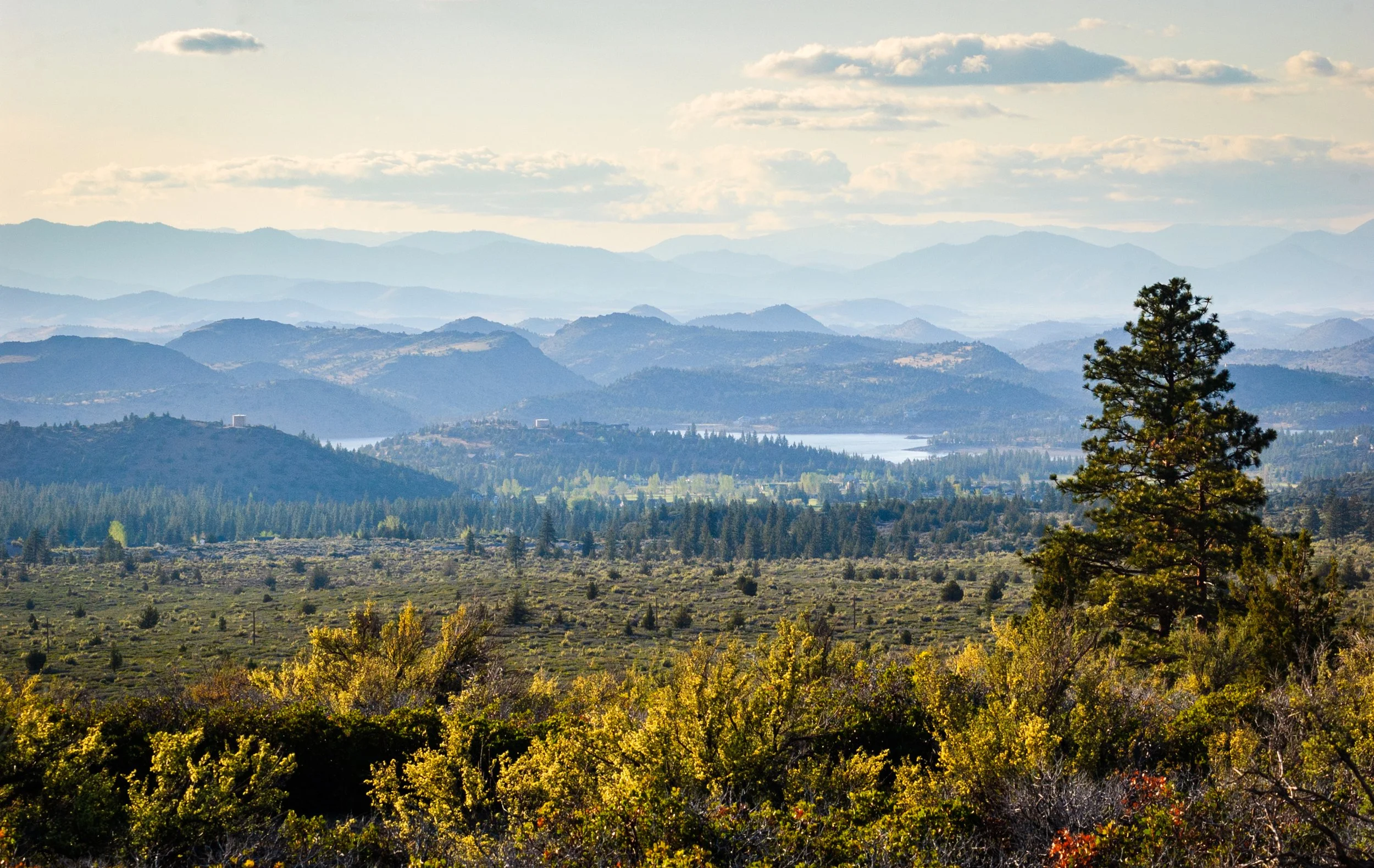
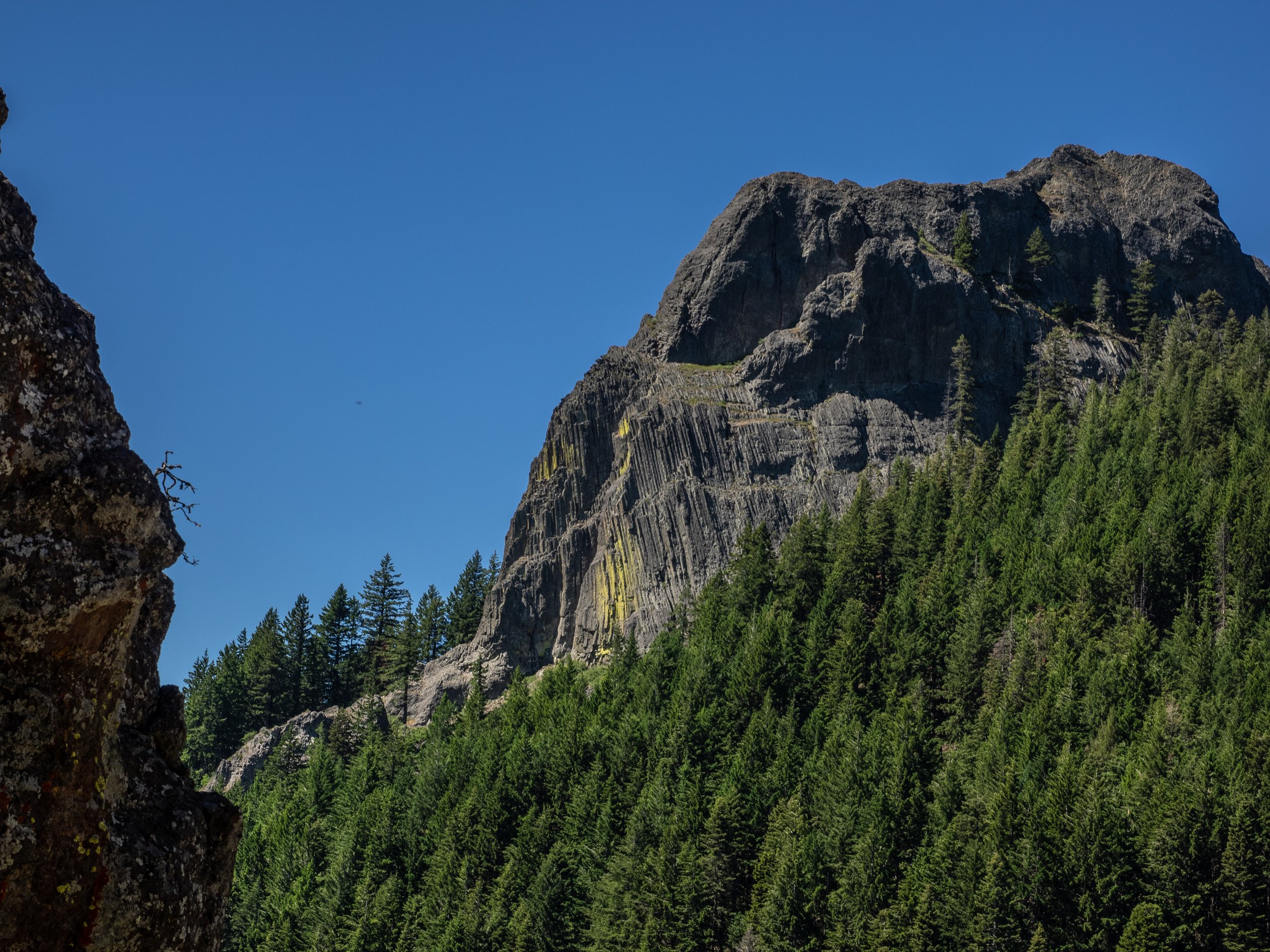
Cascade-Siskiyou National Monument was designated in 2000 and preserves a unique geological and ecological region that occurs at the point where three mountain ranges (Cascade, Klamath and Syskiyou) converge. Managed by the Bureau of Land Management, the area is open for recreation activities.
Tule Lake National Monument
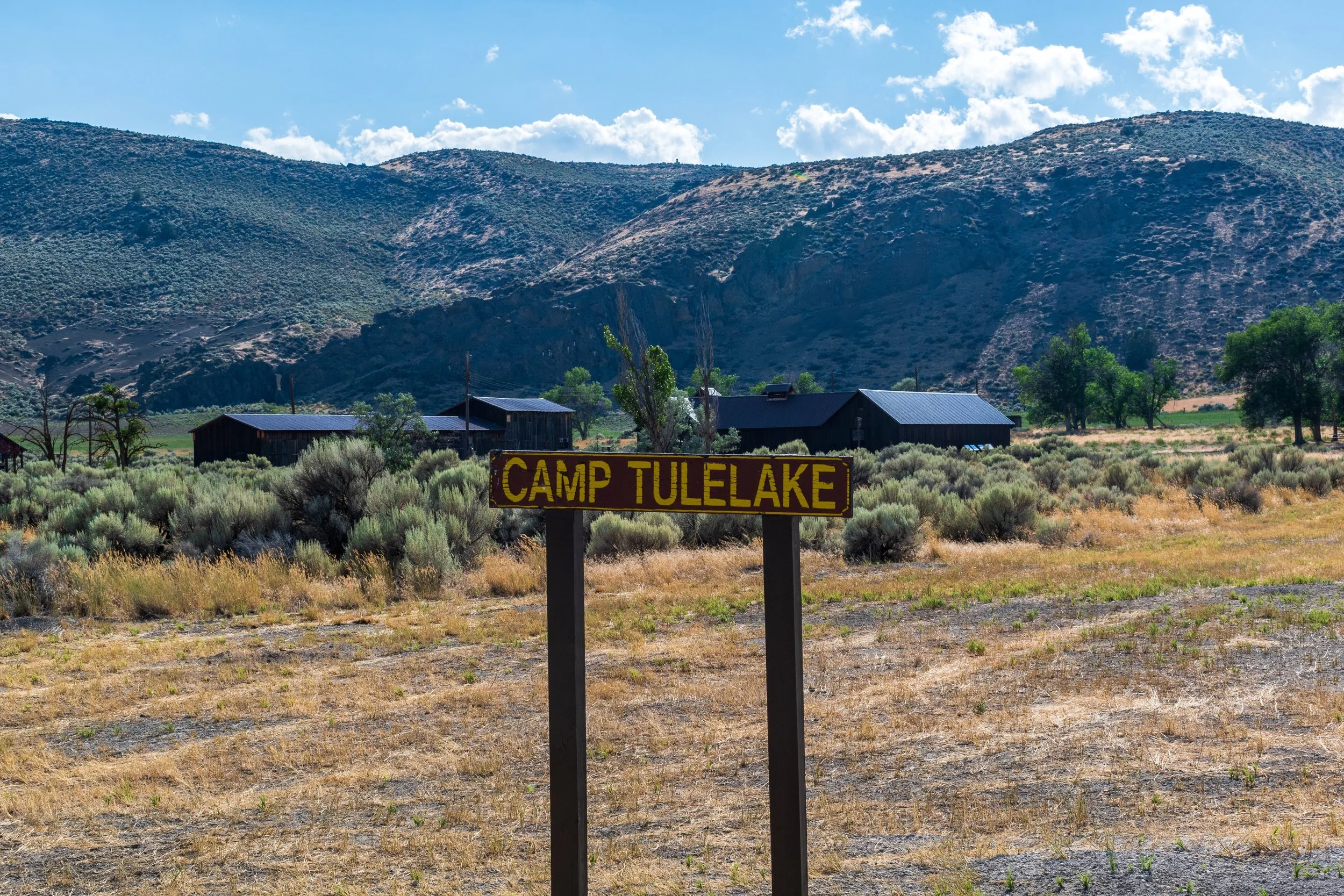
Tule Lake National Monument preserves famous and infamous aspects of the area’s history. The site was first used as a camp for the Civilian Conservation Corps during the Great Depression. Then during World War II, Tule Lake was a detention facility for Japanese Americans and then a prisoner of war camp. The monument was created in 2006 and the National Park Service helps preserve and interpret the site’s artifacts.
These are just a few of the local points of interest. As you begin to explore you will discover a host of equally interesting state and local sites.