Colonization and Conflict
While Spain “discovered” the American continents in the 15th century, other European nations were eager to capitalize on the New World’s potential wealth. In the following centuries, Spanish settlements in Florida increasingly came into conflict with English ambitions in the Americas. Both parties fortified and conducted raids in attempts to destabilize footholds and many of these sites along the Atlantic Coast tell the story of those conflicts.
St. Augustine
Established as a Spanish outpost in 1565, on what is now Florida’s Atlantic coast, St. Augustine is believed to be the oldest city in the United States built by European colonists. A small fort was built as protection for the settlement, but it proved ineffective. In 1586, during the Angol-Spanish War, Sir Francis Drake raided and burned St. Augustine.
The Drake Raid necessitated plans for construction of more substantial defenses. The first of these, Castillo de San Marcos was constructed in 1672.
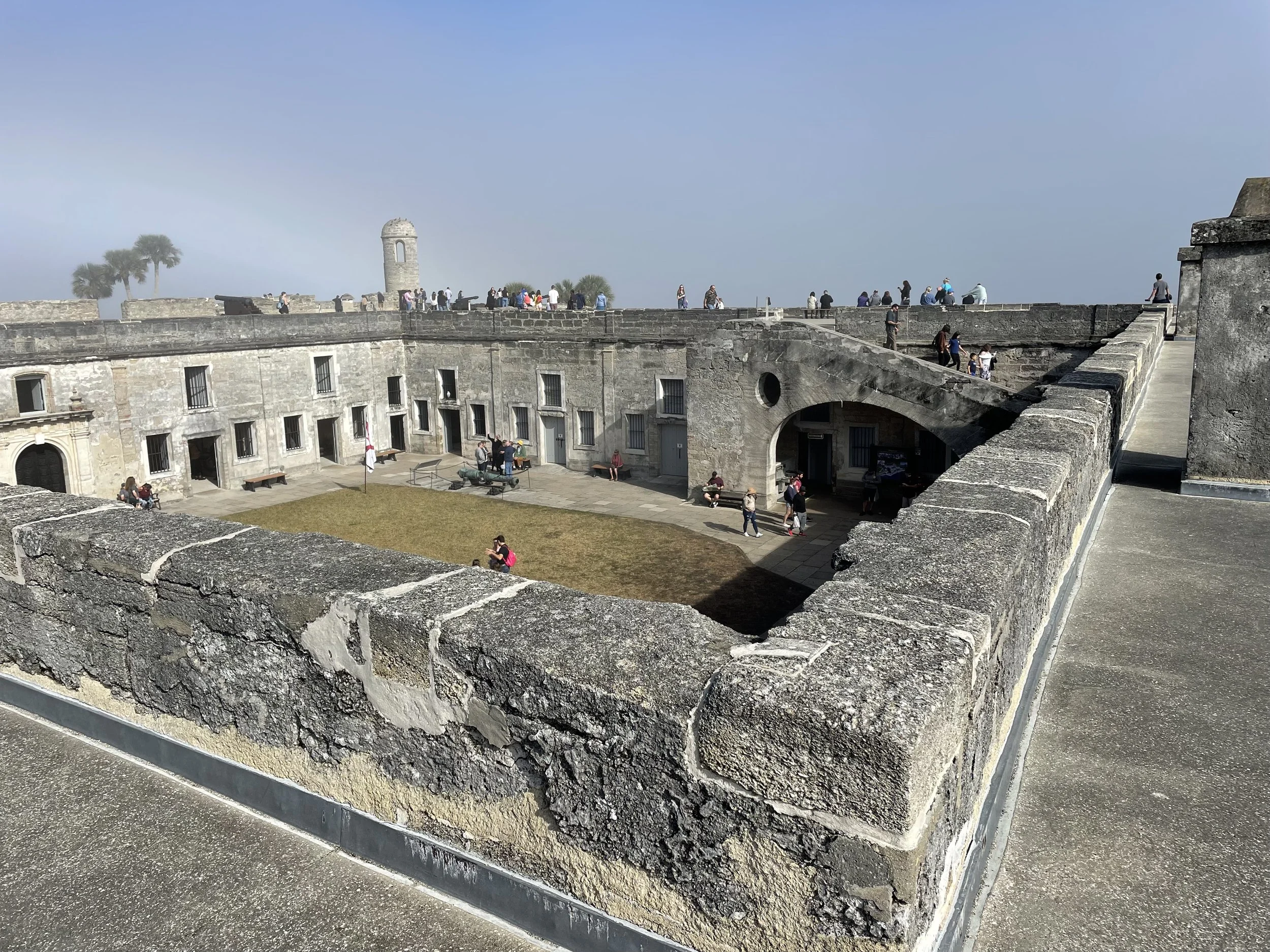
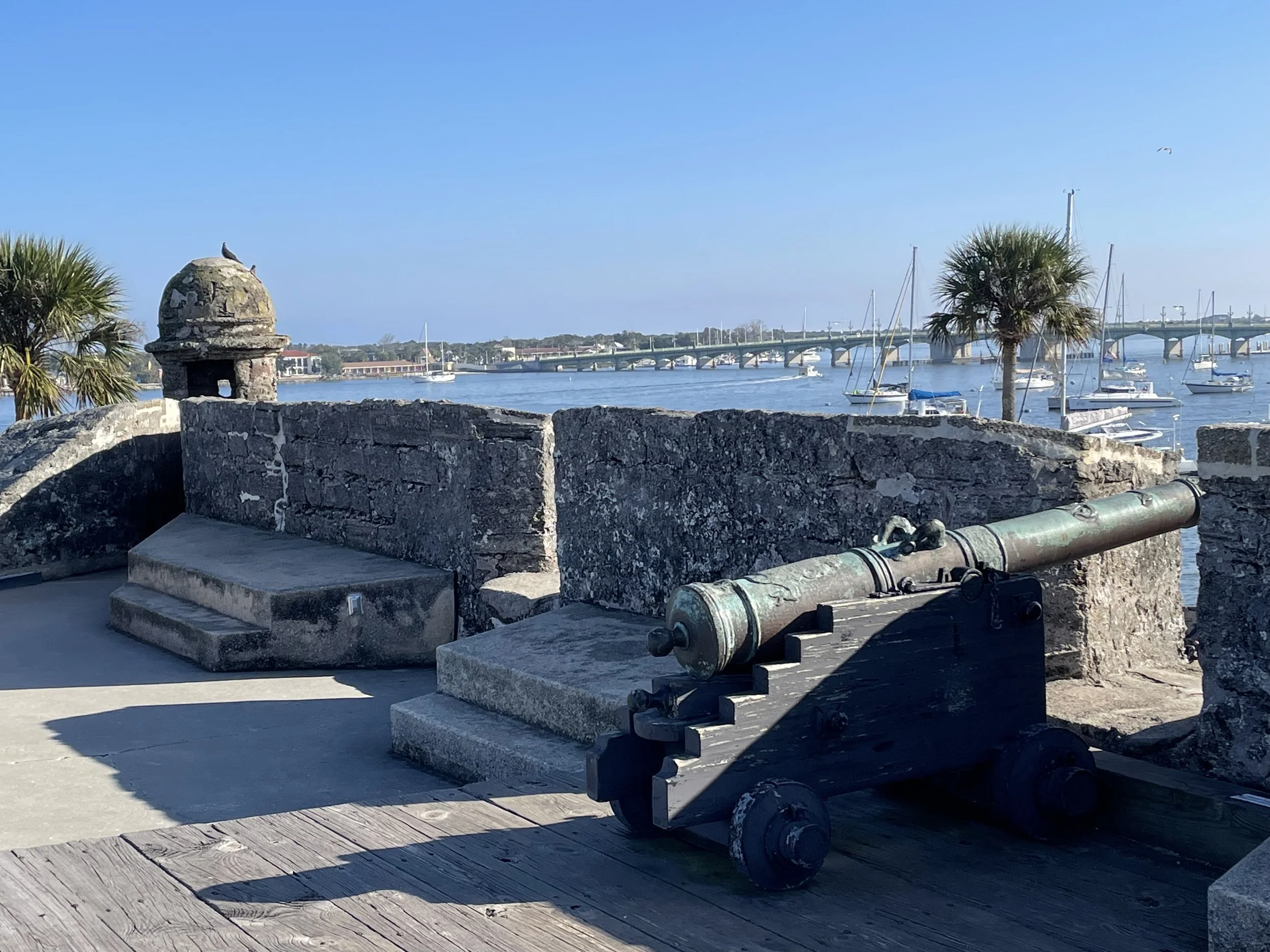
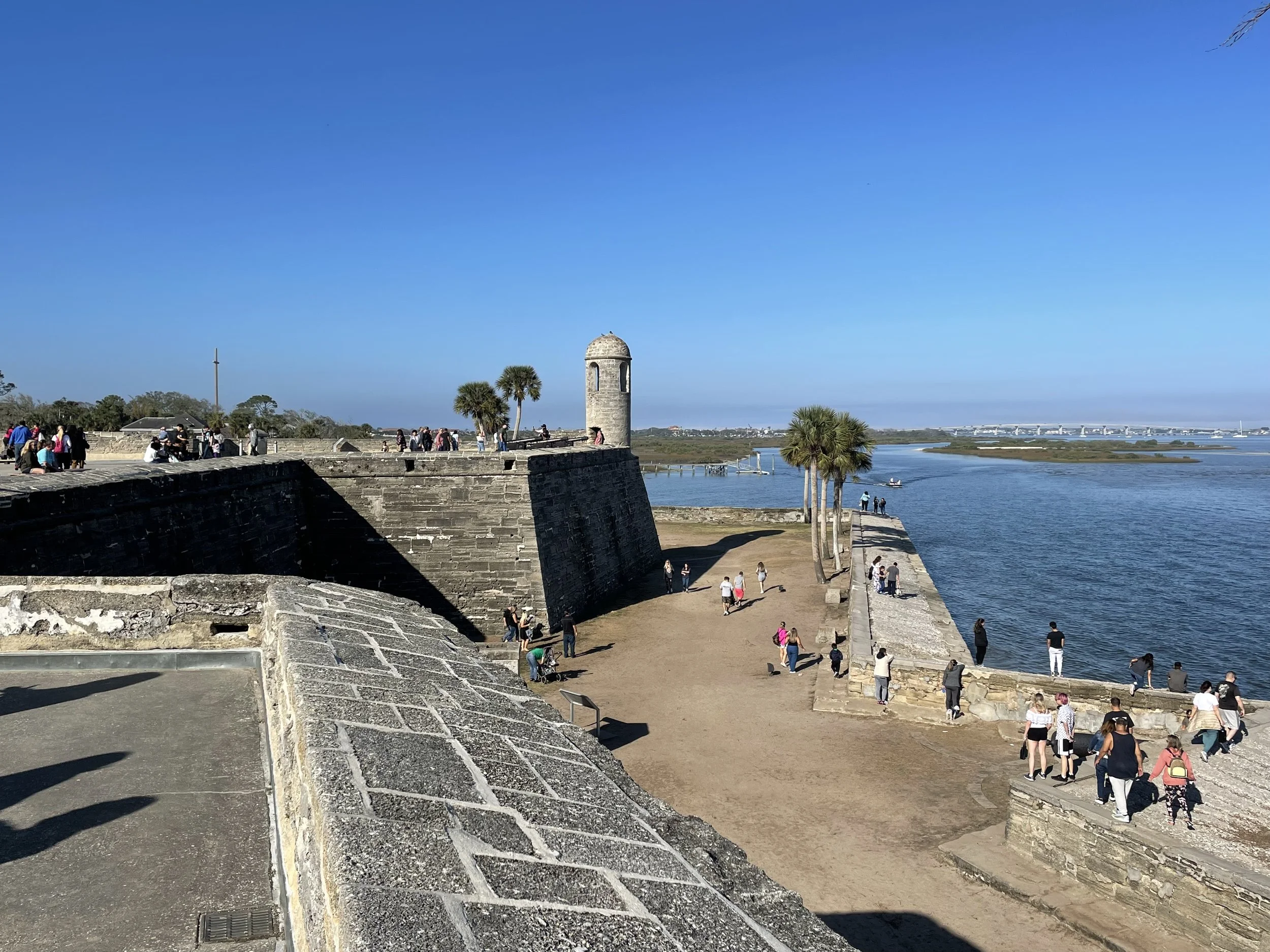
Castillo de San Marcos
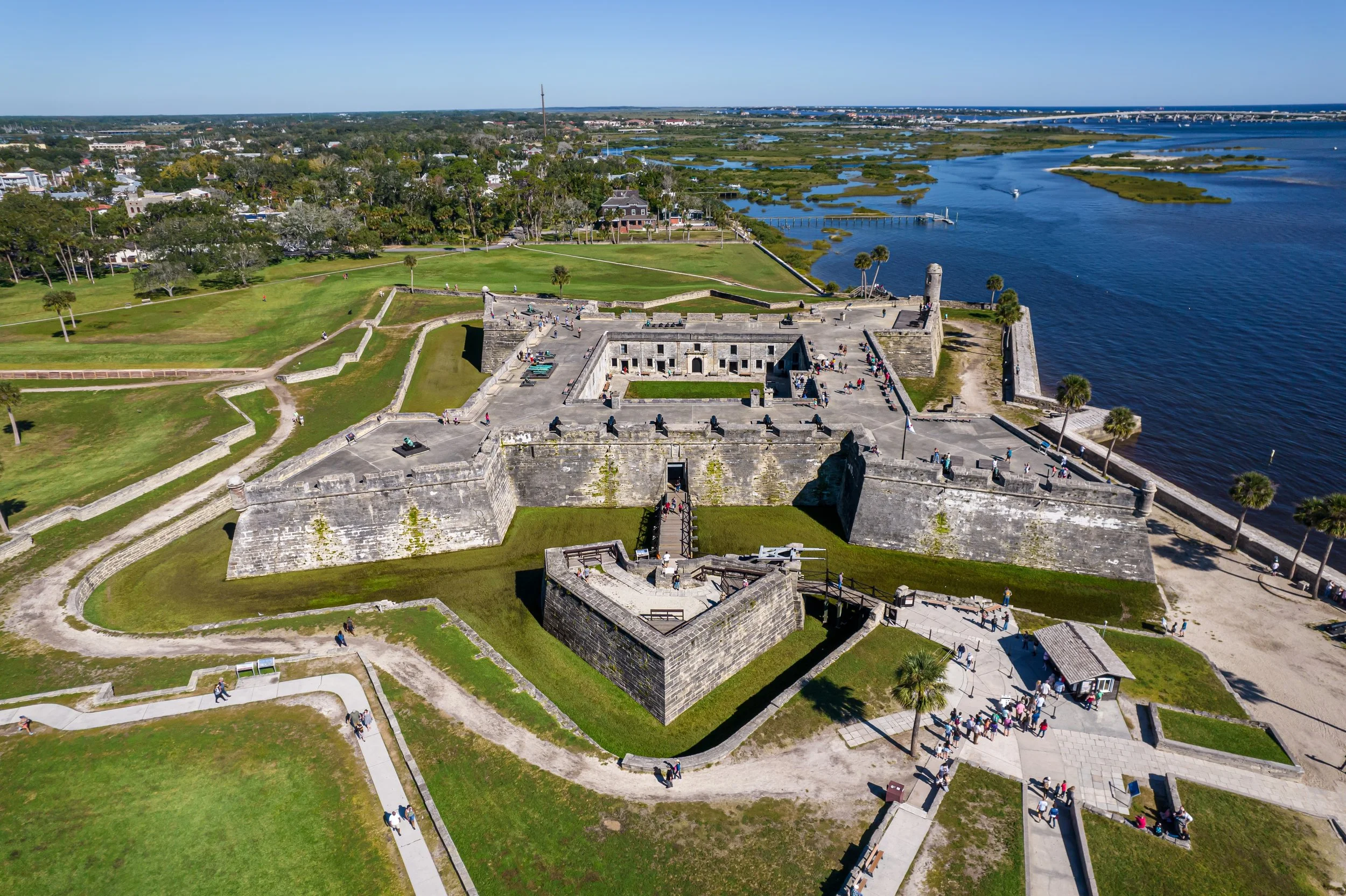
Castillo de San Carlos was the first masonry fort built in what is now the United States and proved a formidable defensive structure. The British attacked the fortress several times. It was twice besieged by English colonial forces under Carolina Governor James Moore in 1702 and Georgia Governor James Oglethorpe in 1740. The fortress never fell to a foreign power.
Over the centuries that followed, Castillo de San Marcos did hands peacefully several times. After Spain, it was controlled by Great Britain, the United State and briefly, during the American Civil War, by the Confederacy. Castillo de San Marco remained an active fort until it was retired in 1933 following 251 years of military service.
Fort Matanzas
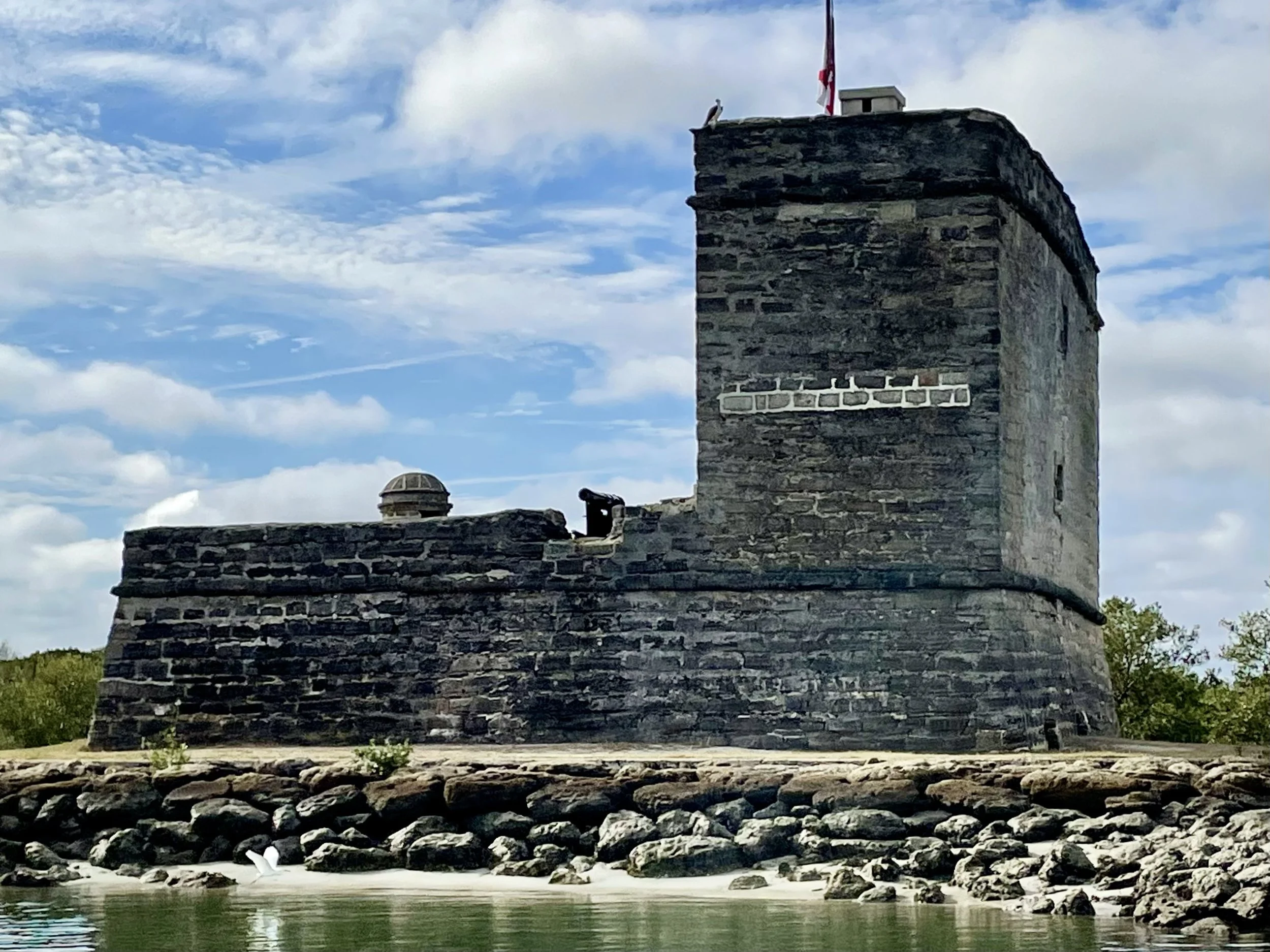
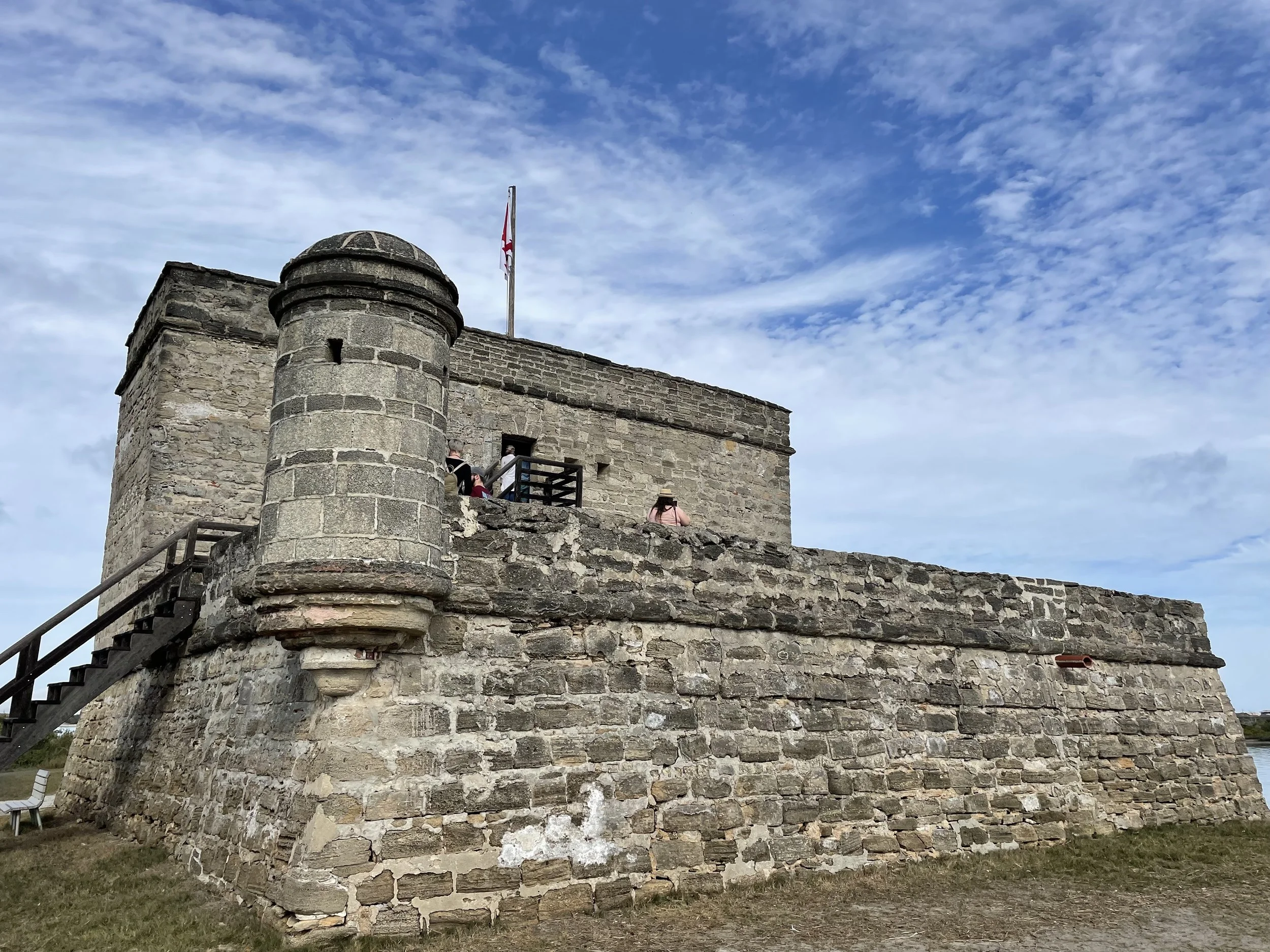
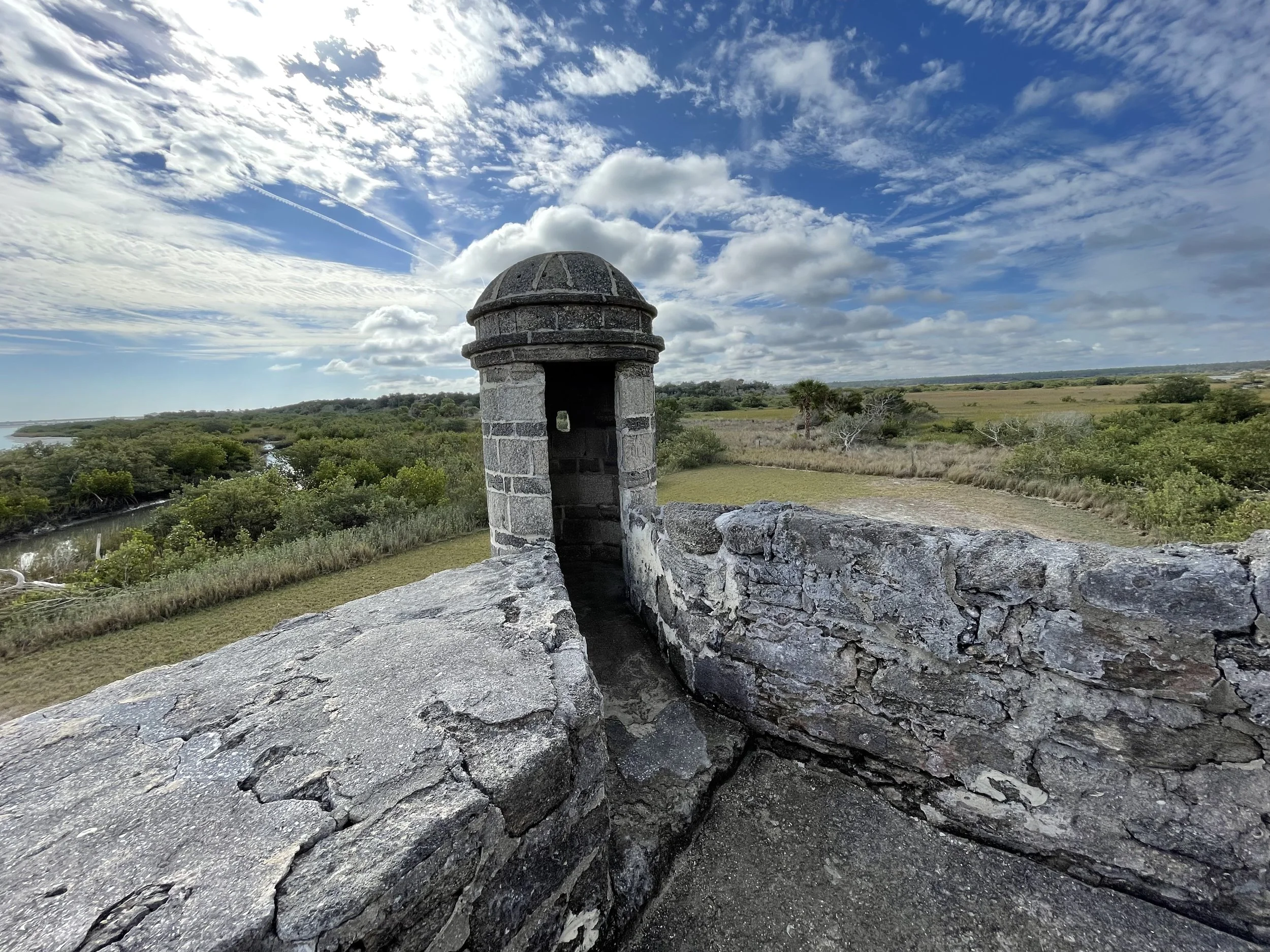
During the Oglethorpe Incursion in 1740, a 39-day blockade of the Matanzas Inlet that accesses St. Augustine from the rear. This highlighted the need for a permanent fortification to safeguard that waterway and Fort Matanzas was constructed in 1742.
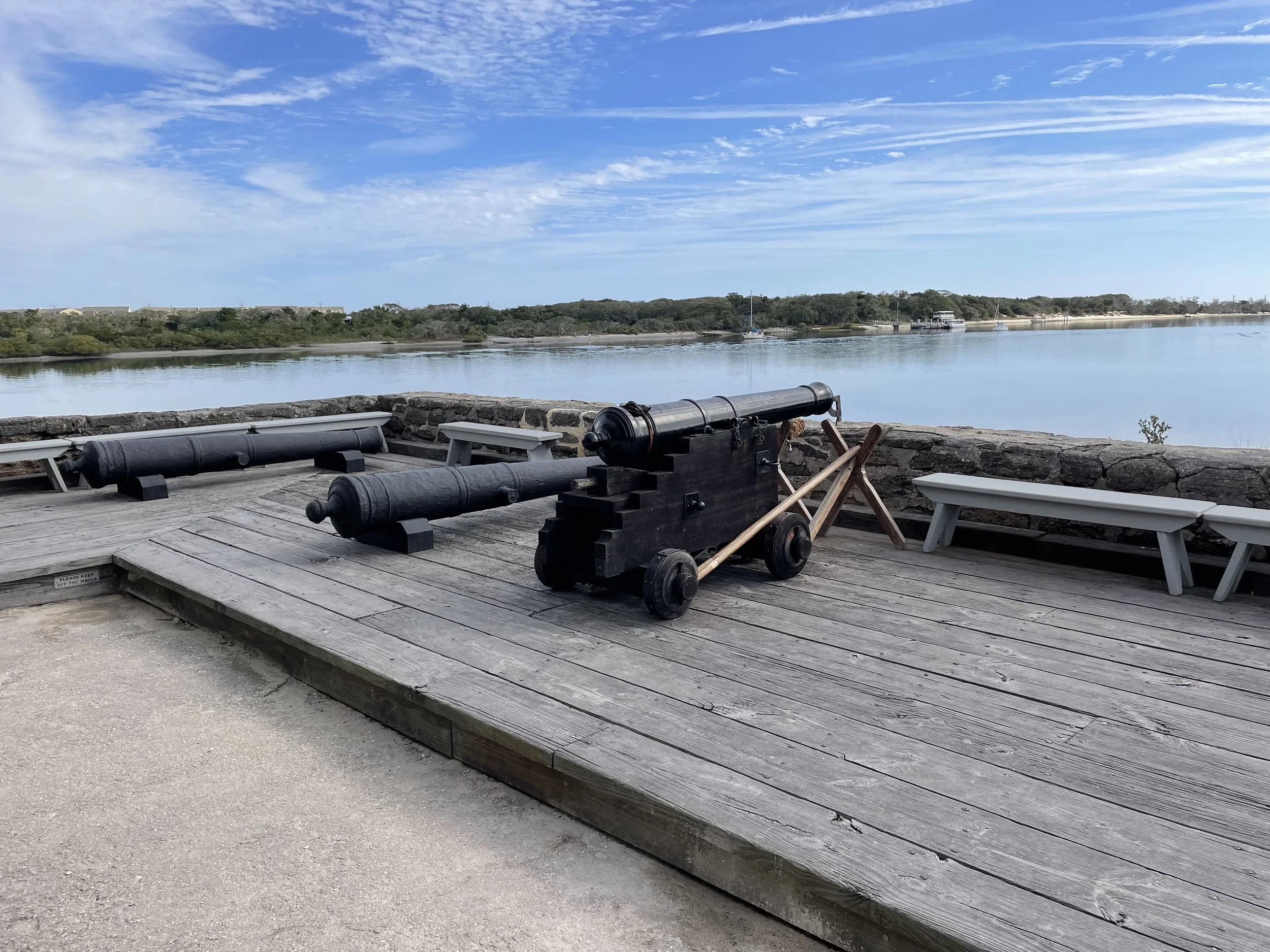
That same year, as the fort neared completion, the defenses were called to action in response to a naval force of 12 British ships. The flotilla was successfully repelled and this proved to be the only time the fort was involved in an active military engagement.
Like Castillo de San Marcos, Fort Matanzas peacefully changed hands several times over the centuries. The United State War Department made repairs to the fort as late as 1924, the War Department began making much needed repairs to Fort Matanzas. In 1924 the site was declared a National Monument and the National Park Service assumed control of the fort.
Fort Frederica
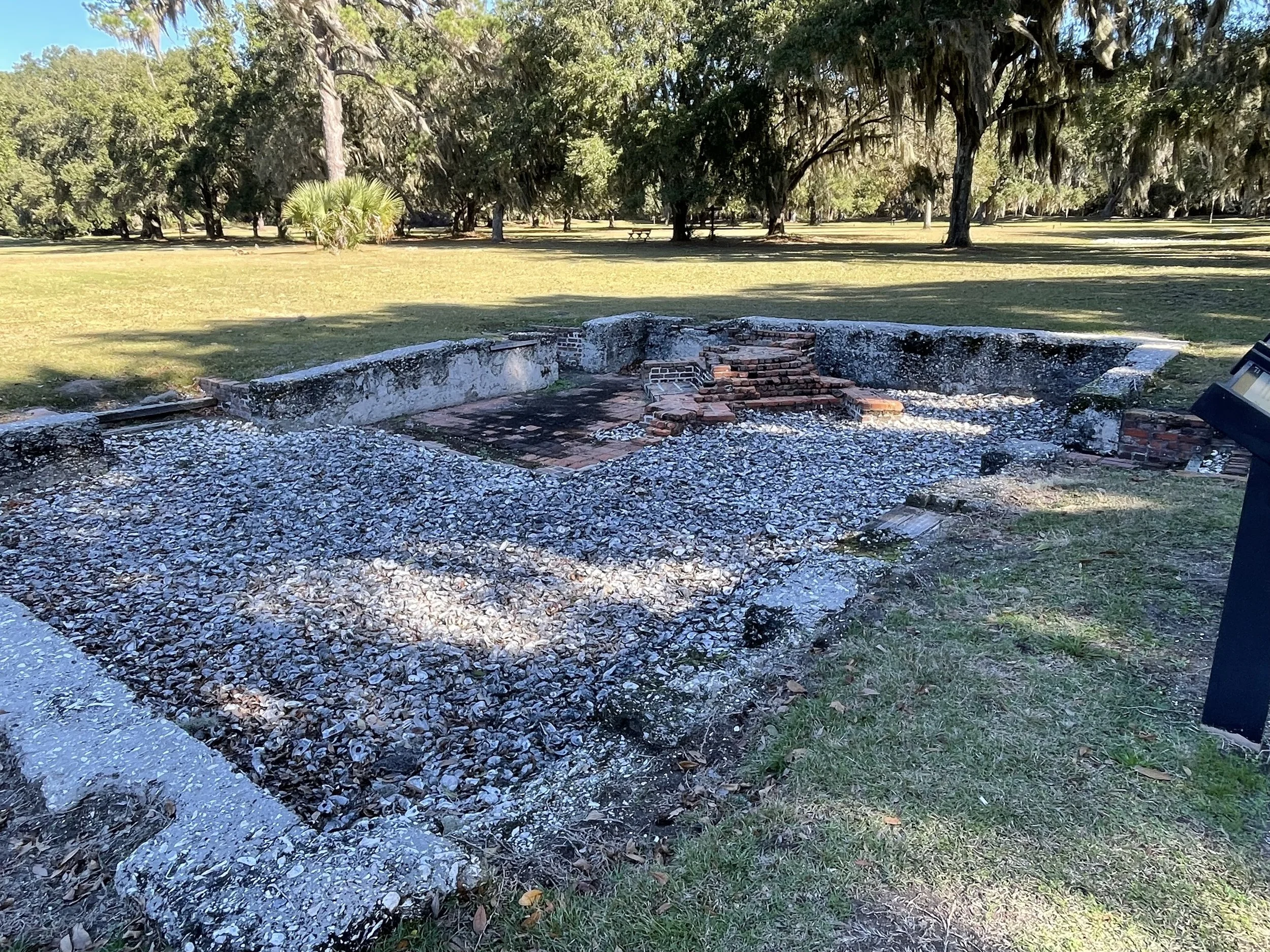
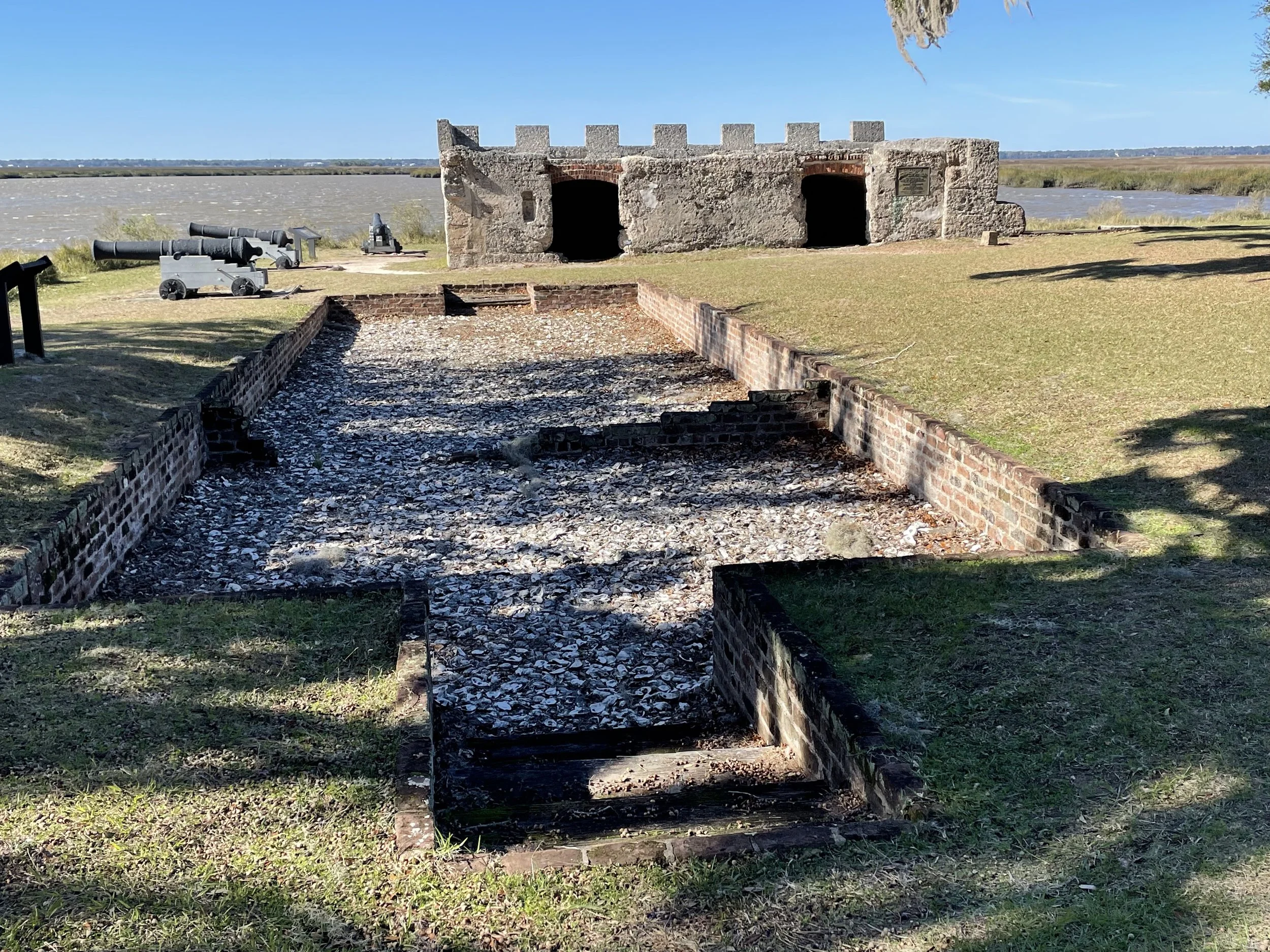
At the beginning of the 18th century, both England and Spain laid claim to Georgia. In an effort to protect the Georgia colony from Spanish incursion, James Oglethorpe constructed Fort Frederica. Defeat of the Spanish in 1742, during the War of Jenkins’ Ear, meant that the fortification was no longer necessary, and its garrison was withdrawn. In 1936, the archeological remains of Fort Frederica were declared a national monument and are now administered by the National Park Service.
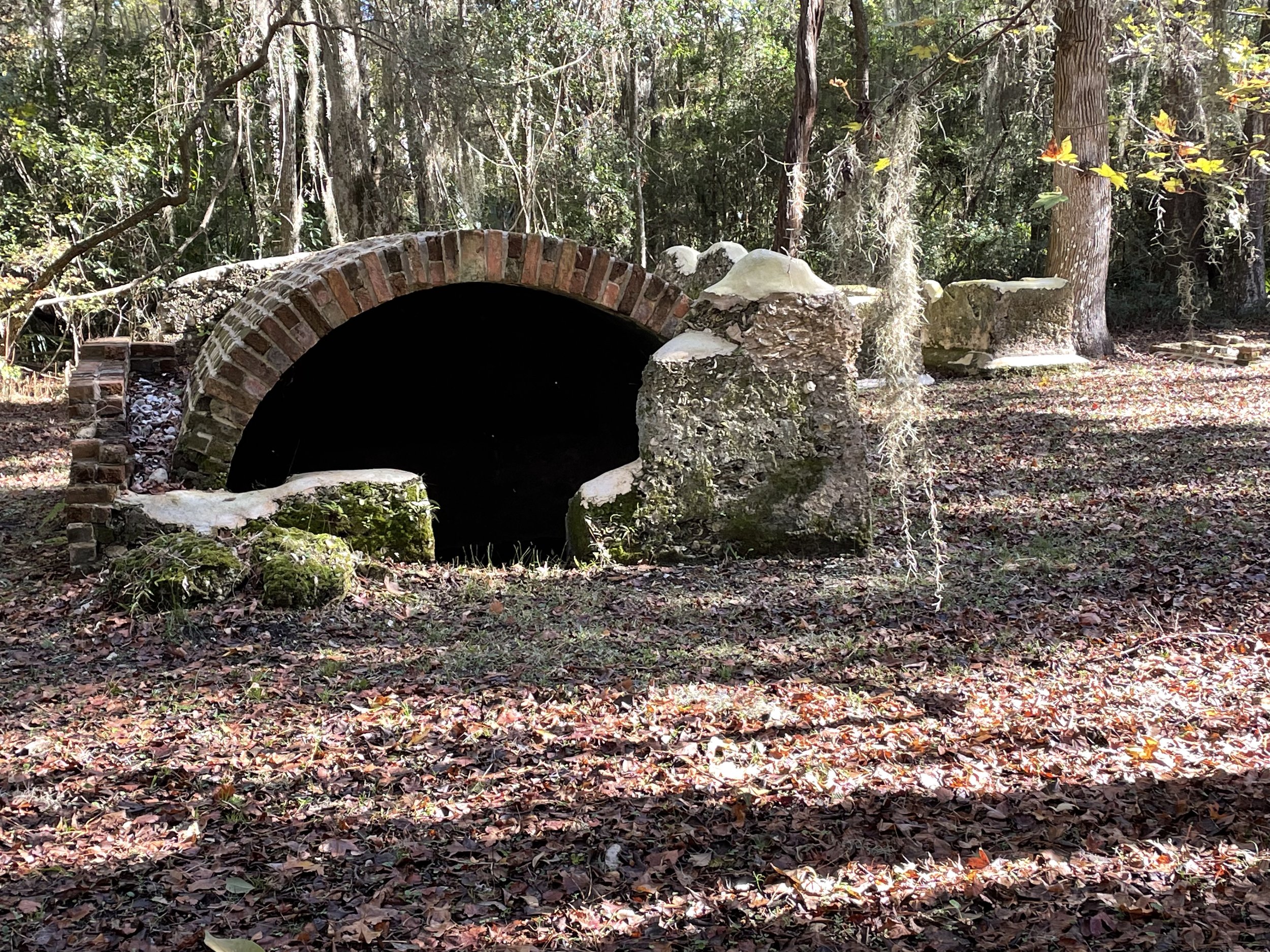
Visitors can see the excavated remains of the old fort and some remnants of remaining structures. The old cemetery is also intact.