Banks of the Potomac
The Potomac River originates in the Potomac Highlands of West Virginia and empties into the Chesapeake Bay in Maryland. The southern section of the river was central to some of America’s earliest settlements and later to the Nation’s capital. The banks of the Potomac are full of historic artifacts that tell a story extending from the colonial period through the present day.
Alexandria
A tract of land granted to Robert Howsing in 1669 later became the city of Alexandria, Virginia. Today the historic waterfront and old town are a vibrant shopping and entertainment district and a huge tourist attraction.
Agricultural Settlements
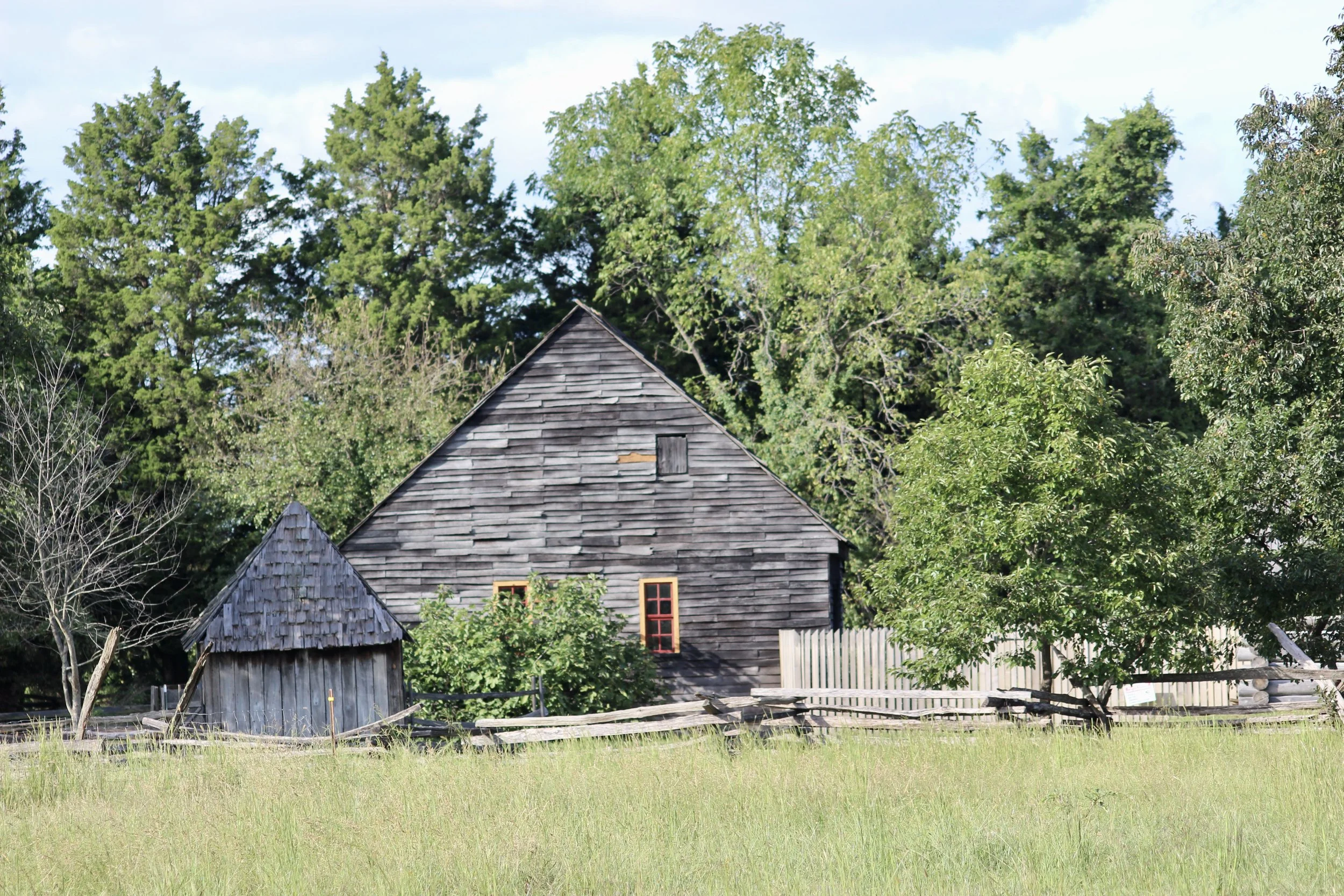
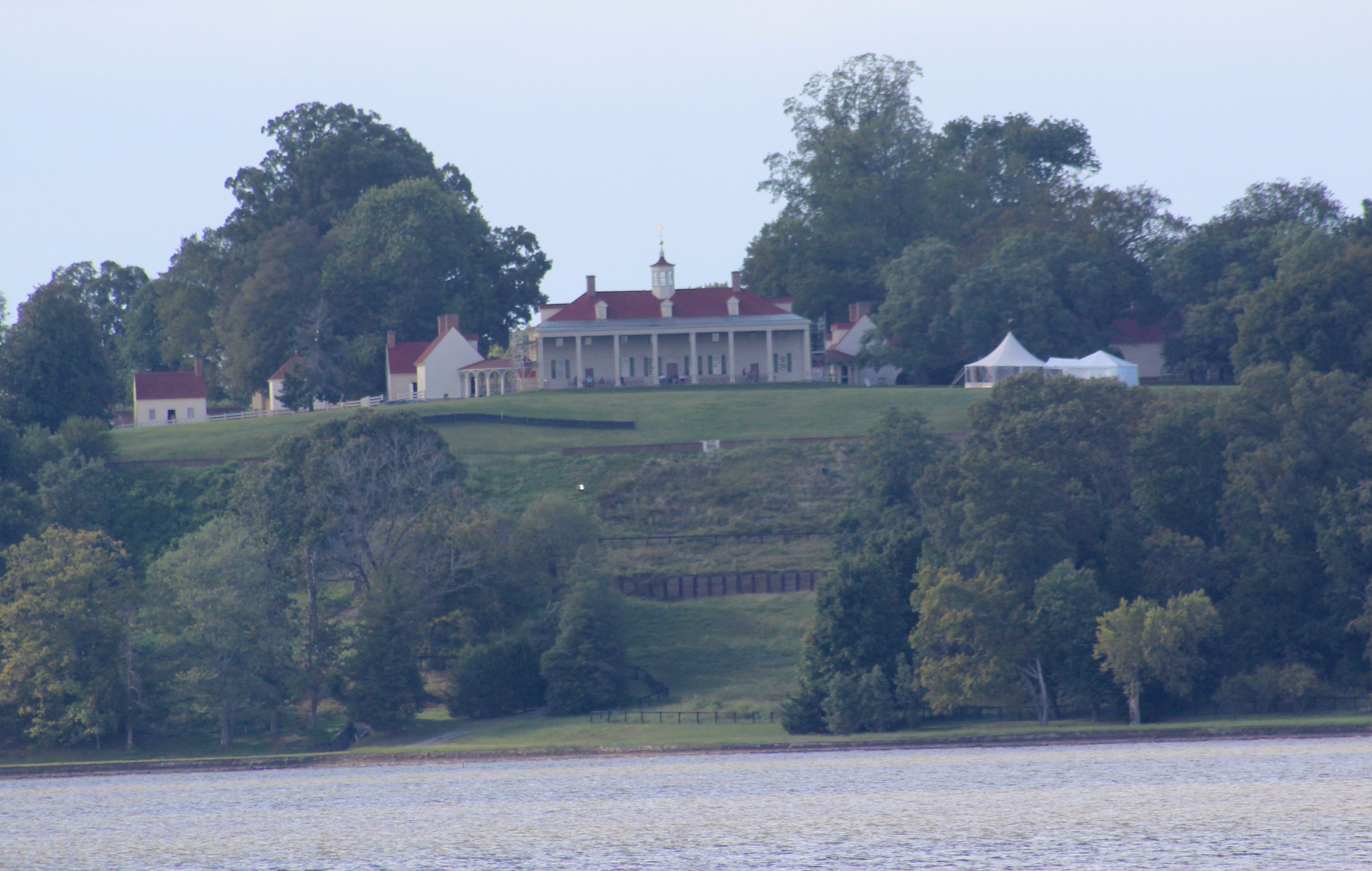
The Potomac River was an important waterway for transportation of goods. As a result, farms and plantations were positioned on or near the river. On opposite banks of the river, there are two excellent examples of the affluent versus the common farmer. The National Colonial Farm preserves an example of what life was like for the average land holder. Directly across the river sits Washington’s Mount Vernon. These two starkly different sites give a more complete picture of rural colonial life.
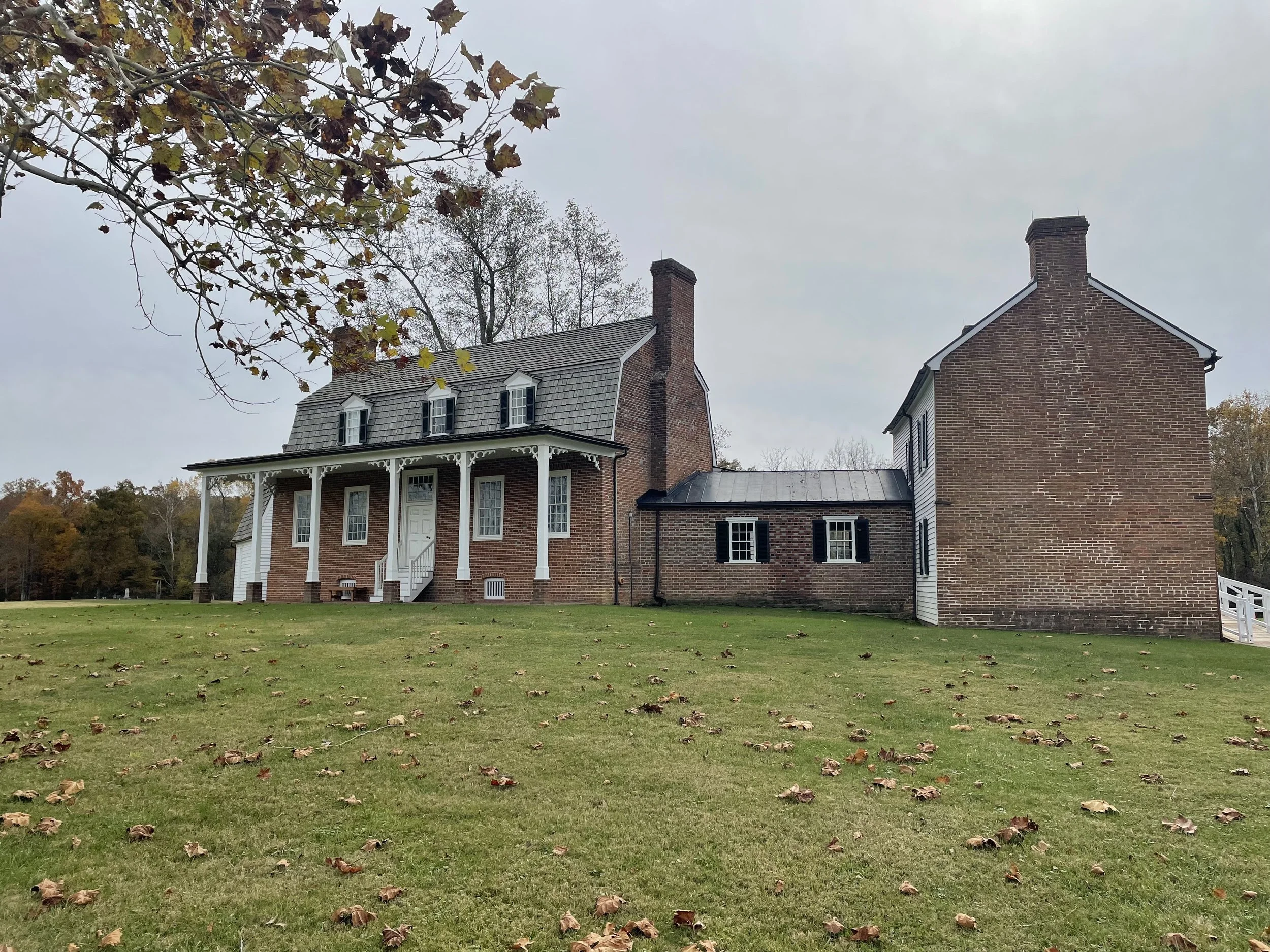
The Thomas Stone National Historic Site preserves the home of one of the 56 men who signed the Declaration of Independence. The residence, known as Haberdeventure, housed between 25 and 35 members of the Stone family as well as slaves.
Capital Defense
Some defenses along the Potomac were in place prior to the War of 1812. Following the British assault and burning of the capital, prevention of a naval assault on Washington was given much higher priority.
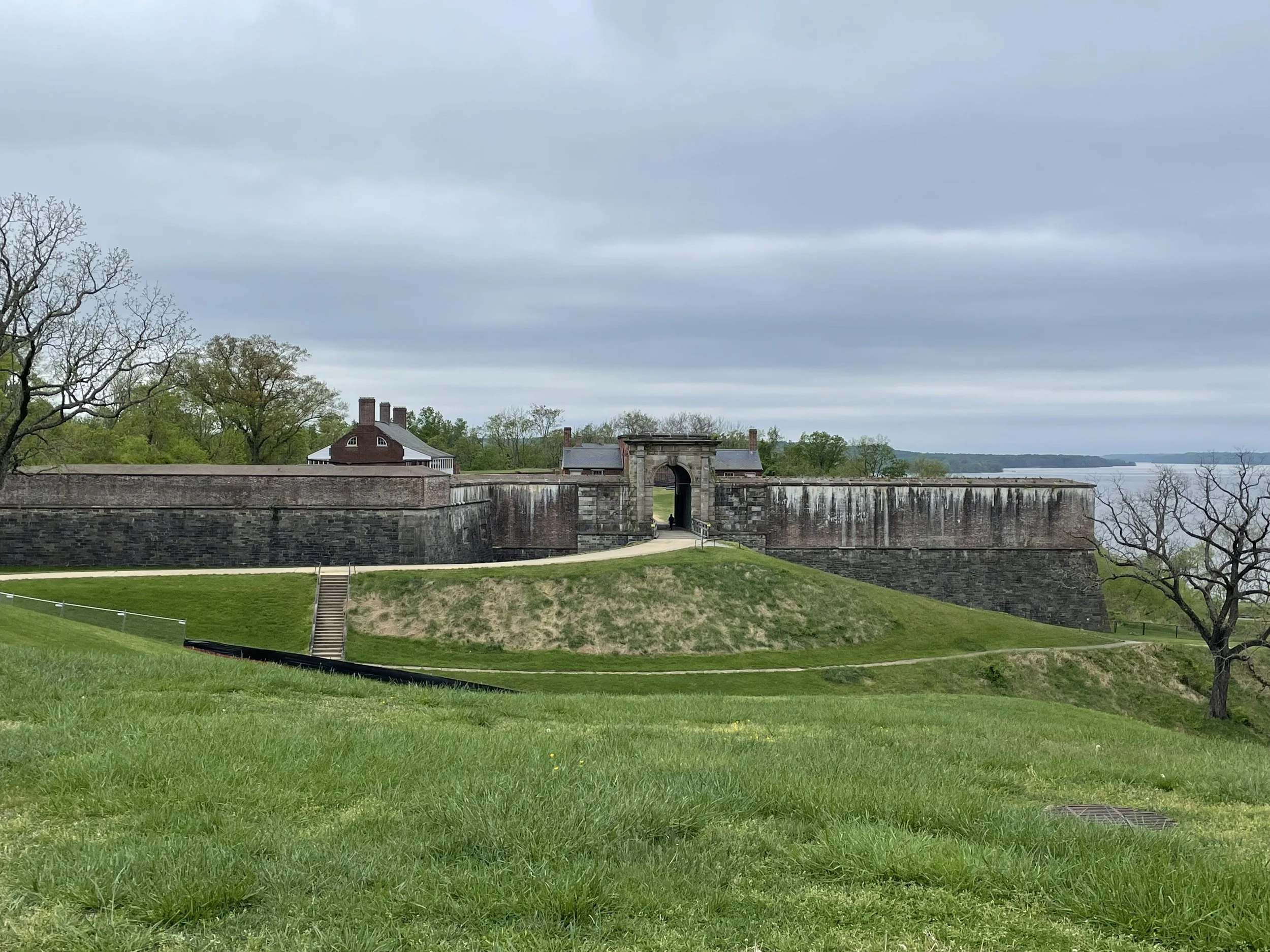
Originally constructed in 1808, Fort Washington was the only fort protecting the approach to the capital and its original structure was destroyed by its occupants as the British advanced during the War of 1812. The current fort was built in 1824 and upgraded over time to reflect improvements in both fortification and weaponry. It was decommissioned in 1946.
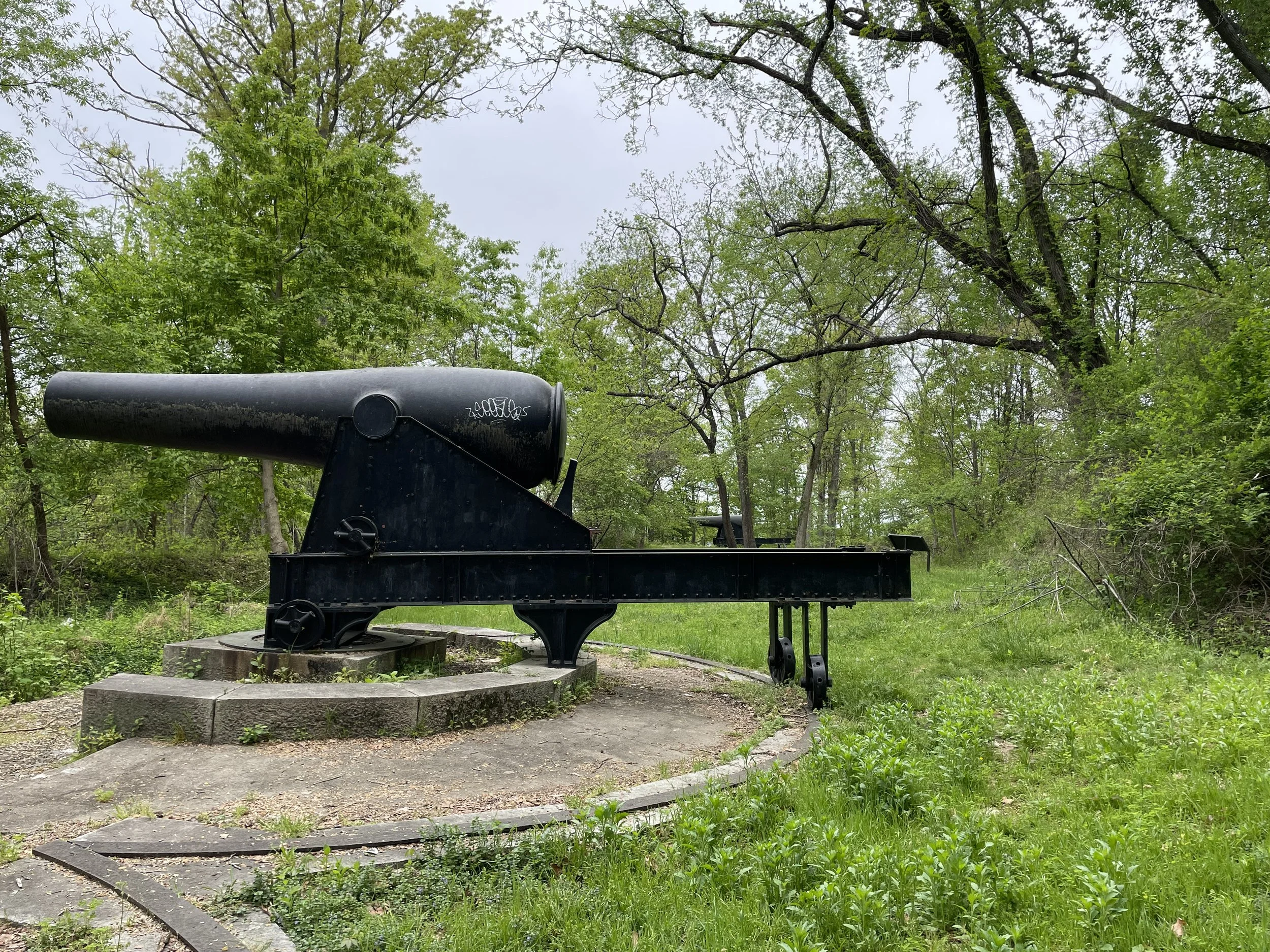
The remains of Fort Foote are an example of a wood and earthen Civil-War era fort constructed as part of much more robust capital defensive system. The fort was in service from 1863 to 1878 and was reactivated briefly during the first and second world wars. Today, much of the fortress has eroded and the site is not well maintained, but some informational signs and a pair of coastal cannons make this a fairly educational stop.
Completed in 1904, Battery Sater was intended as part of a capital defense upgrade. Armed with 3 inch guns, the battery was also a command center for the detonation of mines.
Other Things to See
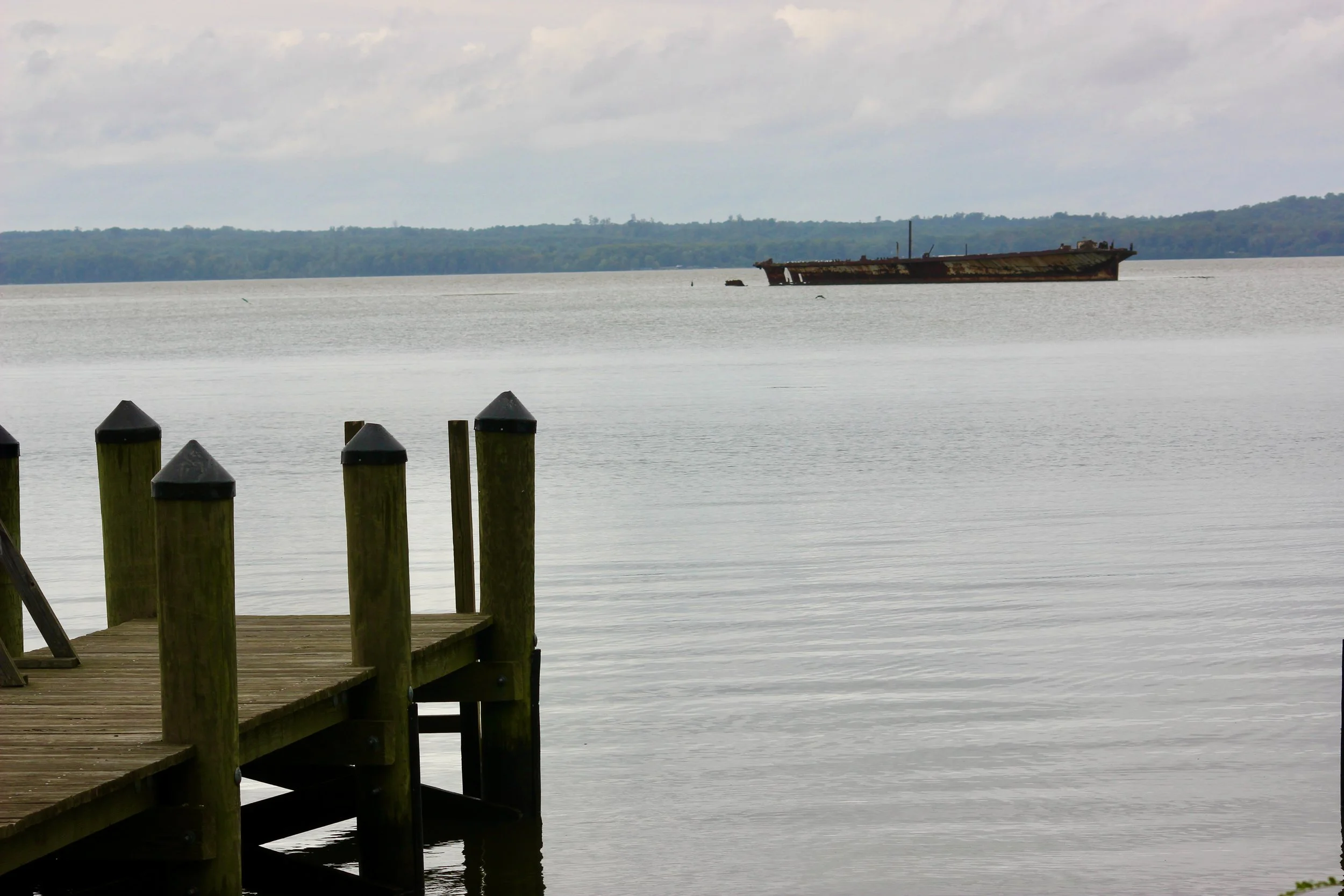
The Potomac River National Marine Sanctuary is said to be the largest ship graveyard in the western hemisphere. In Mallows Bay, Maryland more than 230 steamships, used to ferry supplies to Europe during World War I, were burned and scuttled at the conclusion of hostilities. Some of the steel was salvaged for reuse during World War II, but what remains is often referred to as a “ghost fleet.” The bones of these old vessels have subsequently become home to a vast array of wildlife, which makes it a popular destination for paddlers intent on exploring the graveyard and its wildlife.
River Farm, on the Virginia side, is the headquarters of the American Horticultural Society. Tours of the gardens are possible.
The National Harbor is more than a series of boat slips. The shoreline is full of shops and restaurants and there are regularly scheduled public events. This includes the Capital Wheel, a ferris wheel with climate controlled gondolas that offer great views of the river and capital city.
The Prince William Forest in Northern Virginia is managed by the National Park Service. It offers recreational activities that include camping, fishing, hiking and biking.